ほとんどの屋外照明プロジェクトにおいて、光電セルは小さく、ほとんど目に見えない部品です。しかし、夕方から夜明けまで照明が確実に機能することを確認する上で重要な役割を果たします。従来、この役割は組み込まれた照明によって果たされてきました。 光電池 — 光検出とスイッチング制御を 1 つのハウジングに統合したコンパクトなデバイス。.
ほとんどのアプリケーションでは、この方法は問題なく機能します。.
一方、照明器具、環境、設置条件は必ずしも標準化されているわけではありません。プロジェクトによっては、従来の設計では精度、信頼性、安全性に影響を及ぼす妥協を強いられることがあります。こうした課題に対処するため、特殊なソリューションとして、分割型光電セルが開発されました。.
このデザインが存在する理由と、いつ使用すべきかを理解することは、現代の屋外照明システムの計画にとって重要です。.
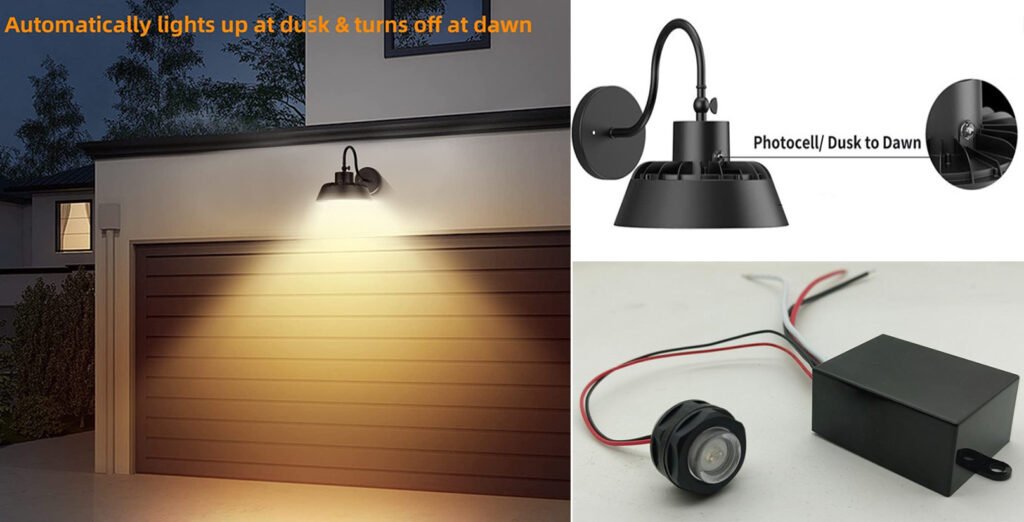
何ですか 分割型光電セル?
分割型フォトセルは、光検出機能とスイッチング/制御機能が実質的に2つの独立したコンポーネントに分割された照明制御装置です。.
内容は次のとおりです:
- 周囲の光レベルを感知するセンサーヘッド
- 電気スイッチングと負荷制御を管理する制御体
2 つのコンポーネントはケーブルで接続されており、各部品を 1 つの取り付けポイントに強制的に固定するのではなく、最も適切な位置に取り付けることができます。.
この配置は一般に、分離型フォトコントロールまたはリモート フォトセル センサー設計とも呼ばれます。.

分割型フォトセルと一体型フォトセルの違いは何ですか?
一体型光電セルでは、センサーと制御回路が同じ筐体に収められています。つまり、デバイスの設置場所は、両方の要件を瞬時に満たす必要があります。
- 自然光への適切な露出
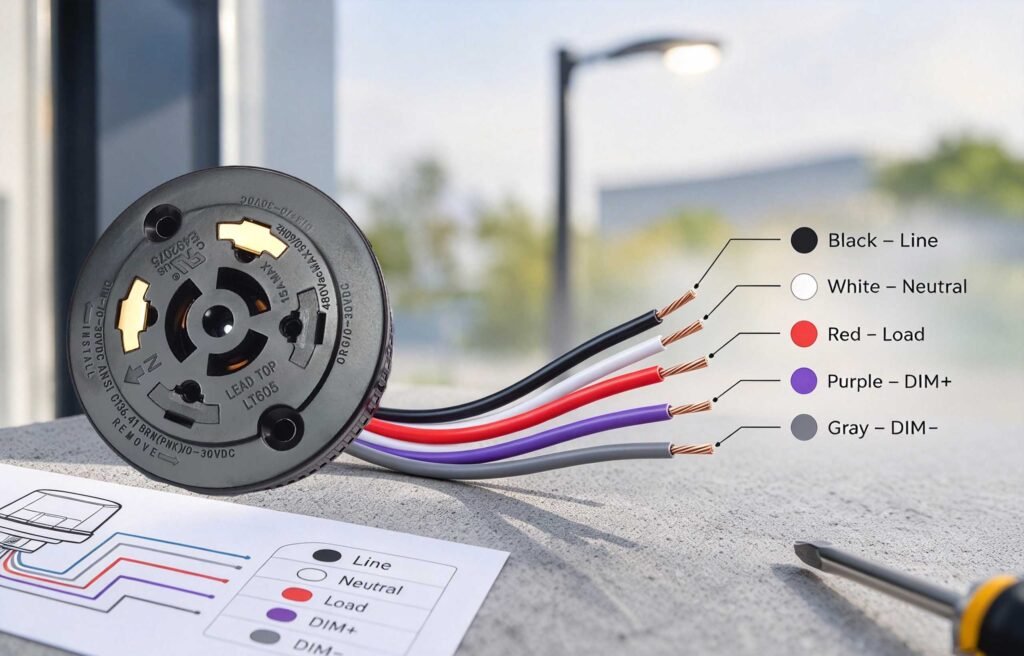
- 安全で扱いやすい電気配線
多くの照明器具では、これら 2 つの要件が矛盾します。.
分割型フォトセルはこうした制約を排除します。センシング機能とスイッチング機能は自律的に最適化され、システム全体の動作と信頼性が向上します。.
分割型光電セルの設計はなぜ生まれたのでしょうか?
分割型ユニットで使用されるフォトセル センサーの設計は、統合されたフォトセルが問題となる実際の接続の不具合を解決するために作成されました。.
数多くの屋外照明器具において:
- 最適な配線場所は内部またはカバー付き
- 最も良い検出場所は外部で広く開いている場所である
- 器具の形状が光を不規則に遮ったり反射したりする
- 一体型光電セルを取り付けるための物理的なスペースがない
こうしたコンテストは、建築用照明器具、地下道の照明、装飾用ポール、特注の備品などで特によく見られます。.
センシングとスイッチングを分離することにより、分割型設計では、電気的安全性や設置の信頼性を損なうことなく、完璧な光検出が可能になります。.
分割型光電池の主な利点は何ですか?
分割型設計の利点は次のように要約できます。
- 正確な光検出のための柔軟なセンサー配置
- 強化された 薄明かりの切り替え 正確さ
- 多面体または密閉型照明器具との互換性
- 覆いや反射によって生じた誤った切り替えの短縮
これらの利点は、機能を分割してパフォーマンスを向上させるという、光電セル センサーの基本的な設計原理から直接生まれています。.
設置の柔軟性は分割型フォトセルの最も分かりやすいメリットです。.
このデザインでは:
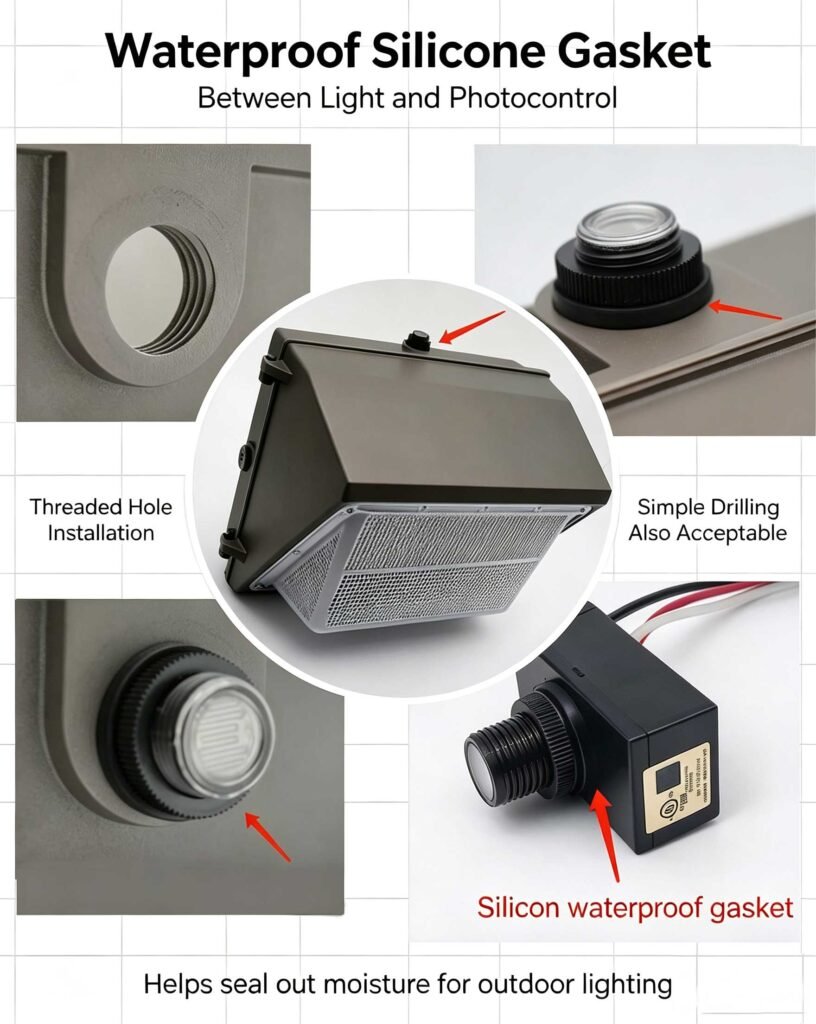
- センサーヘッドはポール、アーム、または目に見える表面の上に取り付けることができます。
- 制御本体は照明器具、接続箱、またはポールベース内に取り付けることができます。
- 配線は安全に保ちながら、センシングは正確さを維持します
この柔軟性は、密閉されたハウジングや外部取り付けの選択肢が制限されている照明器具で主に重視されます。.

分割型光電セルが未だに普及していないのはなぜでしょうか?
利点があるにもかかわらず、分割型光電池は標準的な街路照明プロジェクトでは広く使用されていません。.
理由はいくつかあります:
- フィッティングはより多面的であり、特別な計画が必要です
- 初期の製品コストと雇用コストはある程度高い
- ケーブル配線は別の潜在的な障害点につながる
- ほとんどの標準的な照明器具はすでに統合型光電セルをサポートしています
多くのプロジェクトでは、統合された屋外照明フォトセル ソリューションは「十分」であり、コスト効率も優れています。.
分割型光電セルは一体型光電セルに代わるものですか?
いいえ。分割型フォトセルは、標準的な統合ソリューションを置き換えるために作られたものではありません。.
これらは、従来の光電池では効率的に対処できない特定の設置および検知の課題を解決するために存在します。.
ほとんどの高速道路やコミュニティ プロジェクトでは、複雑さが簡単でコスト効率が良いため、統合型フォトセルが依然として人気のあるオプションです。.
最終的な考察: 分割型光電セルに関する最終的な結論は何でしょうか?
分割型光電池は、普遍的なアップグレードではなく、目的に特化した解決策です。.
適切な仕様が重要です。調達チームは以下の点を考慮する必要があります。
| 仕様エリア | 評価すべきこと | なぜそれが重要なのか |
| ケーブルの長さと配線 | センサーと制御ユニット間の必要な距離 | 信号損失や設置の問題を回避 |
| 環境評価 | センサーと制御ユニットのIP定格 | 過酷な屋外環境でも信頼できる動作を保証します |
| LEDドライバの互換性 | 負荷の種類、突入電流、ワット数 | ちらつき、誤スイッチング、早期故障を回避 |
| サージ保護 &スイッチング | MOV定格、リレーまたは電子スイッチングタイプ | フラッシュを防止し、耐用年数を延ばします |
分離されたフォトコントロールにより、センサーをこれらの干渉源から離れた場所に配置できます。.
| 側面 | 分離 光制御 アドバンテージ | 結果として得られる利益 |
| センサーの配置 | 光や電気の干渉から離れた場所にセンサーを取り付けます | 正確な環境光検知 |
| スイッチング安定性 | 隔離された感知により誤作動を防止 | 無駄なオン/オフサイクルの削減 |
| ドライバー保護 | 電気的および熱的ストレスの要約 | LEDドライバのライフサイクルの延長 |
| システムの信頼性 | 信頼性が高く、期待通りの作業 | 一般照明システムの信頼性向上 |
適切に指定された分離型光制御は、統合型設計と同じ電気的および環境的基準を満たす必要がありますが、柔軟性もさらに高まります。.
屋外照明用光電セルの性能が、正確な検知、安定した制御、そして適切な設置に大きく左右されることを深く理解するための研究です。検知とスイッチングを分離することで、この設計は、多面的な設備や厳しい環境下で生じる妥協点を排除します。.
分割型光電セルがいつ、そしてなぜ存在するのかを理解することは、それらを適切に使用するための第一歩です。分割型光電セルは、以下のことを可能にすることで、設計の自由度を高めます。
- 器具の再構築を必要としない正確なセンシング
- 配線が見えずにIP定格に準拠
- よりクリーンな機械的組み込み
そのため、スプリットタイプの設計は、一流またはカスタムメイドの屋外照明プロジェクトにおいて特に高く評価されています。リモートフォトセルセンサーソリューションは、介在物、カバー、または取り付け設計のために、内蔵フォトセルが正確な環境光を確実に検知できない場合に最適です。ハウジングの形状により自然光が遮られる照明器具や、配線や取り付け位置によりセンサーの適切な露出が妨げられる照明器具に特に効果的です。誤作動や早期故障が繰り返し発生する接続では、検知ポイントを分割することで安定した動作を回復できます。この手法は、カスタム照明器具や建築照明器具にも適しており、精密な制御と長期的な信頼性のためにセンサー配置の柔軟性が不可欠です。.
現代の照明システムでは、最良のソリューションは必ずしも最も一般的なソリューションではなく、プロジェクトの実際の環境に適合するソリューションです。.
参考文献:
- https://leaditop.com/product-2/?
- https://leaditop.com/product/split-wire-in-photocell-electronic-type-photo-control-lt310ast-series/
- https://leaditop.com/comprehensive-guide-to-various-photocell-wiring-diagram/
- https://en.wikipedia.org/wiki/Twilight_switch
- https://en.wikipedia.org/wiki/Surge_protector
- https://leaditop.com/product-category/product/wire-in-controllers/button-photocell/


 English
 Portuguese (Brazil)
 Spanish
 Russian
 Dutch
Dutch Japanese
 Portuguese (Portugal)