導入
都市インフラは急速にスマート化、相互接続化が進んでいる。世界中の自治体は、もはや街灯を単なる照明器具として扱うことはなくなった。代わりに、現代の照明システムは、データ収集、交通最適化、環境モニタリング、エネルギー管理などを支援する高度な機能を備えたデジタルインフラプラットフォームへと進化している。.
この変化は、スマートシティ照明やコネクテッド照明技術の台頭と密接に関係しています。現代の都市は、夕暮れ時に点灯・消灯するだけの照明システム以上のものを求めています。通信機能、情報収集機能、運用コスト削減機能、そして将来のスマートシティ拡張をサポートするシステムが必要とされているのです。.
この変革の中心にあるのが、屋外照明用光電センサーです。従来は単純な夕暮れから夜明けまでのスイッチとして使用されていましたが、現在の照明用光電センサーは、コネクテッドな都市インフラの基盤となるコンポーネントになりつつあります。.
自治体がスマートポール、IoTセンサー、無線通信システム、適応型高速道路照明を導入するにつれて、, 光電池 次世代の都市管理システムをサポートする能力を備えたスマートインフラノードへと変化しつつある。.
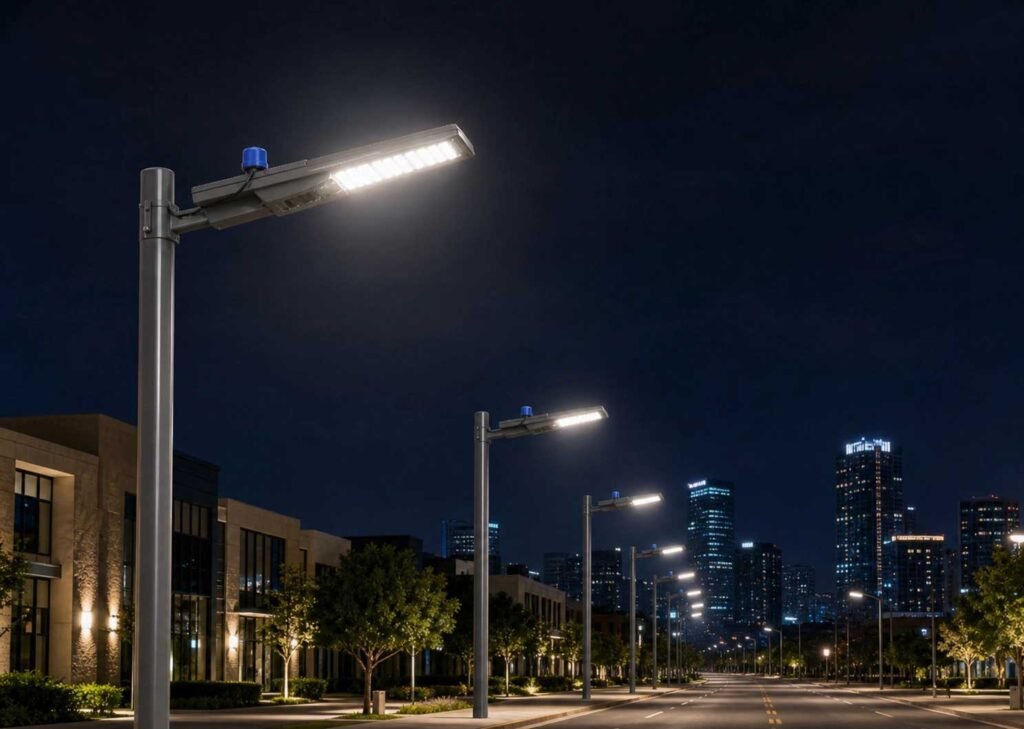
街灯がもはや単なる照明装置ではない理由
現代の自治体は、エネルギー効率、交通渋滞、治安、インフラ整備といった課題に直面している。街灯は現在、都市部全体に広く設置されているため、都市はスマートシティ技術導入のための理想的なプラットフォームとして街灯を活用するケースが増えている。.
従来の街灯は照明という一つの目的のみに使われていました。現代のスマート照明システムは現在、以下の機能をサポートしています。
- 交通監視
- 大気質センシング
- 公共Wi-Fi
- 防犯カメラ
- 生態学的モニタリング
- 適応型照明制御
- 緊急通信システム
この流れは、ヨーロッパ、ラテンアメリカ、中東、アジア全域におけるスマート照明インフラの開発を加速させている。.
自治体はますます以下の分野に支出を増やしている。
- スマートポール
- センサーネットワーク
- メトロポリタン IoTシステム
- AIを活用したインフラストラクチャ
- 接続された公共事業
街路照明システムは、高速道路沿いの場所にはすでに電力とインフラが整っているため、スマートシティ技術を導入する上で最も費用対効果の高い方法の一つになりつつある。.
その結果、屋外照明用の簡素な光電センサーは、物理的なインフラとデジタル管理システムをつなぐ不可欠なインターフェースになりつつある。.
屋外照明用光電セルはどのようにしてスマートインフラのノードになったのか?
昔ながらの屋外照明用光電センサーは、主に夕暮れから夜明けまでの自動点灯・消灯を目的として設計されていた。周囲の光量を感知し、日照量が減少すると照明器具を点灯させる仕組みだった。.
この機能は依然として重要であるものの、今日の照明光電センサーは、はるかに従来とは異なるタスクを実行するようになっている。.
最新の光電セルは現在、以下の機能をサポートしています。
- 無線通信
- スマート調光システム
- リモート監視
- 障害検出
- エネルギー最適化
- スマートノード統合
- 適応型照明制御
現代の多くの光電セル式照明制御システムは、自律的に動作するのではなく、中央のスマートシティプラットフォームに統合されている。.
この技術開発により、都市は照明性能を遠隔で監視できるようになり、同時にメンテナンスコストを削減し、運用効率を向上させることが可能になる。.
例えば:
| 従来の光電池 | スマート光電セルインフラ |
| シンプルなオン/オフ切り替え | インテリジェントネットワーク通信 |
| 単独運用 | コネクテッド照明統合 |
| 手動メンテナンス検出 | 遠隔診断 |
| 固定照明スケジュール | 適応型照明制御 |
| 機能が制限されています | IoTインフラストラクチャの互換性 |
独立したスイッチング装置から接続されたインフラコンポーネントへの移行は、現代の都市照明における最大の変化の一つである。.
夜間センサーはどのようにしてリアルタイムの都市データツールになりつつあるのか?
旧式の明暗センサーは、周囲の眩しさに基づいて街路灯の点灯・消灯を自動化するように設計されていた。これにより、手間のかかる点灯・消灯操作が不要になり、エネルギー効率が向上した。.
しかし今日では、最新の屋外用光電センサー式スイッチは、実際の都市管理システムの一部となっている。.
高度な光電セルシステムは現在、以下のことが可能です。
- 照明の不具合を検出
- 電力使用量を報告する
- 適応型調光に対応
- 集中監視を許可する
- IoTプラットフォームと通信する
- 交通システムとの統合
照明がネットワークで接続された環境では、それぞれの街灯柱が広範囲にわたる都市データネットワークの一部となる。.
この変換は特に以下のケースにおいて重要です。
- スマート交通システム
- AIを活用した高速道路管理
- 緊急対応の最適化
- 予測型インフラ保守
- 省エネプログラム
現代の光電センサー式照明制御システムは、自治体が不要な稼働時間を削減するのにも役立ち、ひいては電力消費量と二酸化炭素排出量の削減に直接つながる。.
都市はなぜ接続された照明ネットワークを必要とするのか?
照明ネットワークの連携は、エネルギー節約以上のメリットをもたらします。自治体の業務効率向上、メンテナンスコスト削減、そして拡張性の高いスマートインフラの構築を支援します。.
この変化を推進しているのは、数多くの主要な世界的トレンドである。.
エネルギー効率要件
電気料金は国際的に上昇を続けている。都市は、安全な公共照明を維持しながらエネルギー消費量を削減するよう圧力を受けている。.
接続された照明システムは、以下の最適化に役立ちます。
- 照明スケジュール
- 調光レベル
- メンテナンスサイクル
- エネルギー消費パターン
予知保全
従来型のメンテナンスは、故障が発生した後に手作業で点検することに頼ることが多い。.
接続されたシステムにより、以下のことが可能になります。
- 遠隔故障検知
- リアルタイム監視
- より迅速なメンテナンス対応
- 業務中断の軽減
これにより、インフラの信頼性が大幅に向上する。.
集中照明管理
自治体は、数千箇所の照明を同時に制御できる、高度な集中型プラットフォームをますます求めるようになっている。.
これにより、オペレーターは以下のことが可能になります。
- 遠隔操作でグレアを調整
- システムの障害を迅速に検知する
- 電力使用量を分析する
- 業務効率を最適化する
世界のスマートシティの事例
ヨーロッパ
ヨーロッパの自治体は、スマートシティ照明インフラに多額の投資を行っています。 ジャガスマートポールやコネクテッド都市ネットワークといった、スマートシステムやスマートポールをベースとしたシステム。.
中東
AIを活用したスマートシティ構想は、インテリジェントな高速道路インフラや適応型照明システムの普及を加速させている。.
ラテンアメリカ
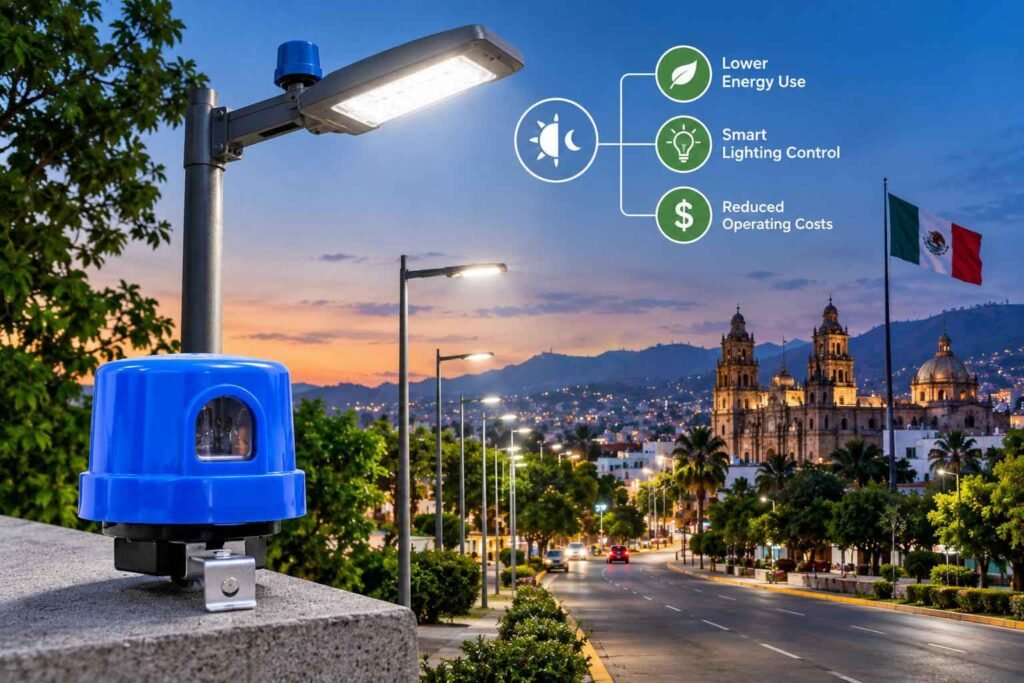
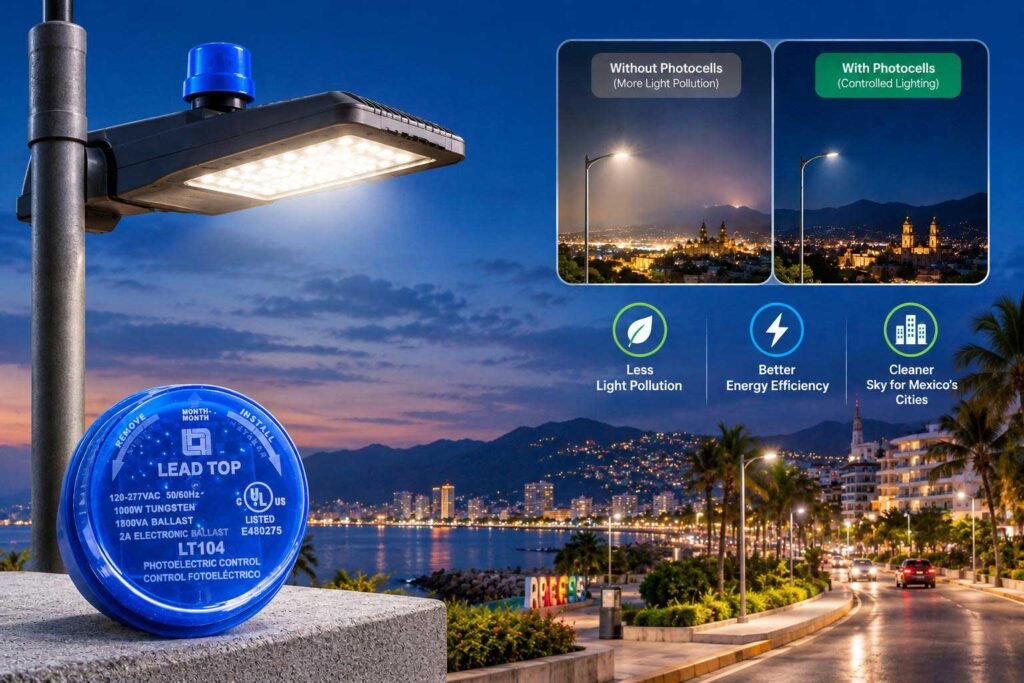
大規模なLED改修プログラムにより、将来のスマートシティへのアップグレードに対応可能な、拡張性の高い屋外照明用光電セルシステムに対する強い需要が生まれている。.
都市部への導入に最適なスマート照明の構成とは?
自治体プロジェクト向け費用対効果の高い改修ソリューション
推奨組み合わせ


最適なアプリケーション
- 南米の改修プロジェクト
- コスト重視の都市部改修
- LED移行プロジェクト
主な利点
| 特徴 | 利点 |
| ANSI規格との互換性 | 既存システムとの容易な統合 |
| 導入コストが低い | 大規模な改修プログラムに適しています |
| 屋外での信頼性の高い性能 | 安定した長期運用 |
| 簡単なインストール | 自治体による迅速な展開 |
| LED互換性 | 最新の照明システムに対応 |
コネクテッドシティのためのスマートインフラソリューション
推奨組み合わせ


最適なアプリケーション
- 欧州のスマートシティプロジェクト
- スマートポールエコシステム
- 適応型照明システム
- IoT照明インフラ
主なメリット
| スマート機能 | インフラの優位性 |
| Zhaga Book 18準拠 | 標準化されたスマート統合 |
| DALI互換性 | 高度なデジタル照明制御 |
| IoT対応アーキテクチャ | 将来のスマートシティ拡張 |
| コンパクトなモジュール設計 | メンテナンスとアップグレードが容易 |
| スマートノードのサポート | 接続された都市インフラ |
このソリューションは、最新のコネクテッド照明システムと将来のスマートシティの拡張性をサポートします。.
スマート光電セルは、AIを活用した都市インフラをどのように支援するのか?
人工知能は、都市管理システムの一部として徐々に取り入れられつつある。.
AIベースの都市プラットフォームは、分散型インフラ機器からのデータ収集に大きく依存している。街路照明システムは、すでに多くの自治体に存在し、継続的に稼働しているため、この目的に最適である。.
最新の光電セルは、以下の機能をサポートします。
- AI交通管理
- 生態学的モニタリング
- 適応型高速道路照明
- エネルギー最適化アルゴリズム
- スマートユーティリティ管理
光電セルは、独立した制御装置として機能するのではなく、現代の自治体におけるAIセンサー層の一部になりつつある。.
これは特に以下の人にとって重要です。
- 独立した交通システム
- 動的な照明調整
- スマート緊急ルート案内
- 予測的なインフラストラクチャ分析
AIインフラの発展に伴い、屋外照明用光電センサー技術は、単純な照明自動化の域を超えて進化を続けるだろう。.
スマートシティの未来はなぜ街灯から始まるのか?
街灯柱は、すでに以下のような利点を提供しているため、戦略的なインフラ資産になりつつあります。
- 電気接続
- 広範囲な地理的範囲
- 高所設置ポイント
- 既存の保守ネットワーク
近年の街灯柱の光電センサー交換プロジェクトでは、従来型のスイッチング装置ではなく、スマート対応のハードウェアがますます多く採用されるようになっている。.
将来のスマートポールは、以下の機能をサポートする可能性があります。
- 交通カメラ
- 生態センサー
- 5G通信機器
- 公共Wi-Fi
- EV充電システム
- スマート監視
- 適応型高速道路照明
この改修が加速するにつれ、旧式の街灯柱光センサーは、照明システムとデジタル都市インフラをつなぐ重要なインターフェースとなる。.
結論
街灯は、単純な照明装置から、以下のような機能をサポートするスマートな都市インフラネットワークへと変化しつつあります。
- 接続された照明
- AIを活用した交通システム
- スマートシティ管理
- エネルギー最適化
- 予測メンテナンス
- 公共の安全強化
この改修の中心となるのは、最新の屋外照明用光電センサーです。.
もはや単なる夕暮れから夜明けまでのスイッチではなく、今日のスマート光電セルは、広範囲にネットワーク化された都市環境におけるインフラノードとして機能する。.
都市がスマートポール、IoTシステム、適応型照明ネットワークの導入を進めるにつれ、スマート光電セル技術は将来の都市開発においてますます重要な役割を果たすようになるだろう。.
CTA
Lead-Topのスマート光電センサーとZhaga互換の照明制御ソリューションは、コネクテッドなスマート都市プロジェクト向けに設計されています。都市のLED改修、スマートポールの導入、AI対応照明インフラの構築など、どのような計画であっても、拡張性と信頼性に優れた光制御システムは、長期的な都市近代化の目標達成を支援します。.
参考文献:
- https://leaditop.com/product-2/
- https://en.wikipedia.org/wiki/Internet_of_things
- https://en.wikipedia.org/wiki/Zhaga_Consortium
- https://leaditop.com/product/3-pin-nema-base-high-quality-photocell-3pin-electronic-photo-control-switch-outdoor-sensor-day-night-light-switch/
- https://leaditop.com/product/lt104-conical-shell-12-48v-120-240v-twist-lock-photocontrollers-for-outdoor-landscape-barn-lighting/
- https://leaditop.com/product/zhaga-socket-connected-dali-2-0-protocol-and-0-10v-dimming-control-luminaire-lighting-2/
- https://leaditop.com/product/customizable-upgraded-models-highly-waterproof-zhaga-socket-lt600/
- https://leaditop.com/product/ip66-ansi-c136-41-nema-3-pintwist-lock-photocell-socket-ip66-ultra-thin/
- https://leaditop.com/product/zhaga-socket-connected-dali-2-0-protocol-and-0-10v-dimming-control-luminaire-lighting/



 Japanese
  English
  Portuguese (Brazil)
  Spanish
  Russian
  Dutch
Dutch  Portuguese (Portugal)