導入
世界中の都市が、公共照明の進歩への投資を加速させている。最初の進歩の波は、主に旧式の照明器具をエネルギー効率の高いLEDに置き換えることに重点が置かれていたが、現在、新たな開発段階が始まっている。自治体は、照明インフラが街路を照らす以上の役割を果たすことができることに徐々に気づき始めている。.
現代の公共照明ネットワークは、自動化、通信、監視、データ収集をサポートする高度な機能を備えた、接続されたインフラプラットフォームへと発展しつつあります。その結果、スマート照明制御、スマートシティ照明、コネクテッド照明ネットワーク、IoT街路照明技術への需要が急速に高まっています。.
都市照明の将来像は、もはや単に明るく高性能な照明器具によって決まるものではありません。スマート制御、通信対応インターフェース、そしてANSI C136.41、Zhaga Book 18、高度なNEMAコンセントソリューションといった標準化された技術によって、ますます形作られつつあります。.
ポーランドとメキシコは、どのようにして世界的な照明トレンドを体現しているのか?
ポーランドとメキシコはそれぞれ異なるインフラ上の課題を抱えているものの、両国の照明設備改善計画には共通の方向性が見られる。.

ポーランドが大規模なLED照明の近代化に投資する理由とは?
ポーランド全土の都市は、大規模な 導かれた 街路照明の改良は、電力消費量を削減し、持続可能性目標を達成することを目的としています。.
数万点の照明ポイントを含むプロジェクトが、以下の目的で実施されています。
- 光熱費の削減
- 二酸化炭素排出量を削減する
- 業務効率を向上させる
- インフラストラクチャのライフサイクルを延長する
多くの地方自治体にとって、照明は最も大きな公共料金支出の一つです。LED技術への移行は、即座に経済的なメリットをもたらすだけでなく、将来のスマートシティ構想の基盤を築くことにもつながります。.
メキシコが近代的な公共照明に注力している理由とは?
メキシコ全土の自治体は、高速道路や公共照明の改良に多額の費用を投じている。.
これらのプロジェクトは以下に焦点を当てています。
- 夜間の視認性の向上
- 公共の安全性の向上
- 輸送インフラの支援
- 地域社会の信頼の高まり
現代の照明は、単なる公共サービスではなく、都市開発の重要な要素として次第に認識されるようになってきている。.
両アプローチに共通する点は何でしょうか?
優先順位は異なるものの、両国は以下の分野に支出している。
- LEDの近代化
- 照明自動化
- 将来を見据えたインフラ
- 長期的な運用コスト削減
LED照明が第一歩に過ぎないのはなぜか?
多くの都市は当初、LEDへの交換を近代化の主な目的と捉えている。.
しかし、LEDだけではスマートインフラのメリットを最大限に引き出すことはできない。.
LED照明器具には数多くの利点があります。
- エネルギー消費量の削減
- より長い耐用年数
- 簡略化されたメンテナンス要件
- 照明品質の向上
LED照明器具は作業効率を向上させるものの、自動的にスマート照明ネットワークを構築するわけではない。.
高度な制御システムを持たない自治体は、依然として次のような課題に直面している。
- 固定勤務スケジュール
- 監視機能が制限されている
- 手動によるメンテナンスプロセス
- 運用データの不足
そのため、現代のプロジェクトでは、LEDへのアップグレードと併せてスマート街路照明技術が徐々に取り入れられるようになっている。.
スマート照明はLED照明の利点をどのように拡張するのか?
スマート制御システムは都市に役立つ:
- 労働時間を最適化する
- インフラを遠隔で監視する
- メンテナンスコストを削減する
- 適応型照明戦略をサポートする
LEDとスマート制御を組み合わせることで、LED交換のみの場合よりもはるかに優れた長期的な価値が生まれます。.
スマート照明にはなぜスマート制御コンポーネントが必要なのか?
スマート照明システムの成功は、照明器具を通信プラットフォームや管理プラットフォームに接続する制御コンポーネントに大きく依存する。.
これらの部品がなければ、インテリジェント照明機能は完全には実行できません。.
どのような役割を担うのか LT154 ANSI C136.41 調光フォトコントロール 遊ぶ?
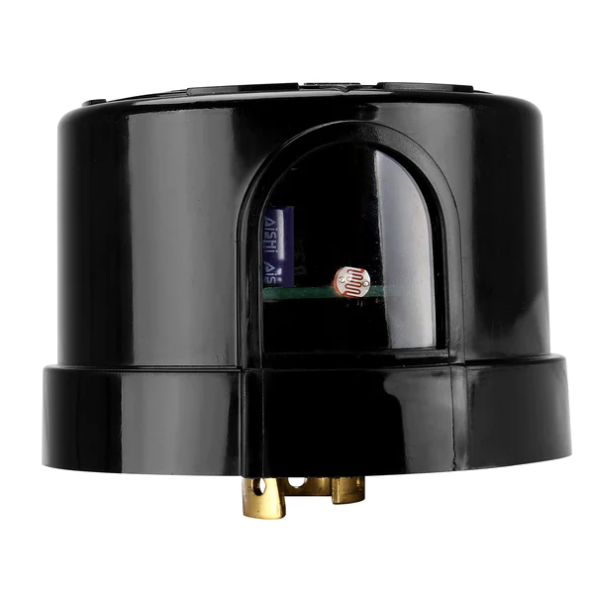
LT154は、信頼性の高い夜間から夜間までの連続運転を実現すると同時に、革新的なスマート照明アプリケーションにも対応します。.
主な利点は以下のとおりです。
- LED対応スイッチング
- 高流入電流の強化
- スマート調光対応
- 長期にわたる信頼性
これにより、現代のスマート照明制御システムの導入に適したものとなっている。.
なぜ LT605-7PIN ANSI C136.41 レセプタクル 重要?

LT605-7PINは、照明器具とスマート制御ノード間の標準化されたインターフェースとして機能します。.
利点は次のとおりです:
- 無線通信モジュールのサポート
- 現場での設置を簡素化
- 将来の発展における柔軟性
- スマートシティとの互換性
どのように LT100B-7PIN ANSI C136.41ベース インフラ整備の成長を支援しますか?

LT100B-7PINは、スマート照明の導入に向けた、堅牢で標準化された基盤を提供します。.
利点は次のとおりです:
- 一定の設置基準
- メンテナンスが簡単
- 相互運用性の向上
- 簡略化されたライフサイクルコスト
なぜ LT600シリーズ Zhagaコネクタ 人気が高まっている?

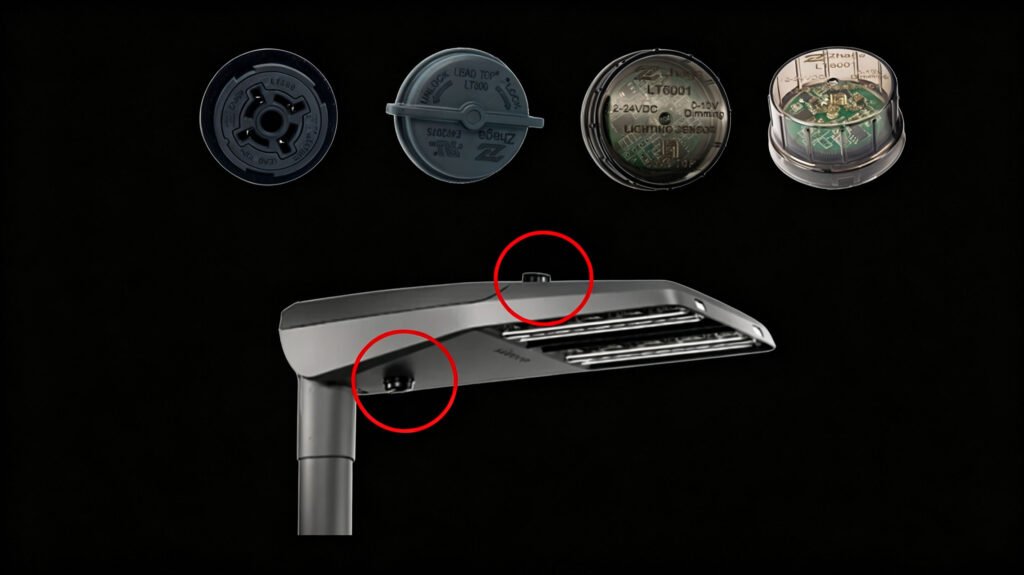
LT600シリーズは、Zhaga Book 18規格に基づいたコンパクトなスマート照明アーキテクチャをサポートしています。.
利点は次のとおりです:
- モジュラー設計
- DALI互換性
- コンパクトなセンサー統合
- 将来を見据えたスマートシティの導入
表1:スマート照明の構成要素とその機能
| 成分 | 主要機能 | スマートインフラストラクチャのメリット |
| LT154 ANSI C136.41 光制御 | 照明自動化 | 調光機能とスマート制御に対応 |
| LT605-7PINレセプタクル | スマートノードインターフェース | 通信モジュールを有効にする |
| LT100B-7PINベース | 標準化された取り付け方法 | メンテナンスを簡素化します |
| LT600シリーズ Zhagaコネクタ | センサー接続 | IoT対応照明システムをサポート |
| スマートコントローラー | データ通信 | 遠隔監視が可能 |
ANSI C136.41とZhaga Book 18が業界標準になりつつあるのはなぜか?
都市部で大規模なスマート照明システムが導入されるにつれ、標準化の重要性がますます高まっている。.
ANSI C136.41とは何ですか?
ANSI C136.41は、スマート街路照明制御のためのインターフェースを定義する、広く受け入れられている規格です。.
メリットは以下のとおりです。
- プラグアンドプレイの互換性
- スマートノードのサポート
- 無線通信統合
- 簡素化されたアップグレード
ANSI C136.41は、これらの利点から、高速道路照明プロジェクトにおいて好ましい規格となっている。.
Zhaga Book 18とは何ですか?
Zhaga Book 18は、照明センサーと通信機器のための標準化されたインターフェースを規定している。.
以下をサポートします:
- ダリ コミュニケーション
- センサー統合
- 小型制御モジュール
- スマートシティアプリケーション
都市はなぜ標準化されたシステムを好むのか?
標準化されたインフラには数多くの利点がある。
- メンテナンスが容易
- 在庫要件の軽減
- インストール手順の簡略化
- 将来の技術との互換性
自治体は、完全な交換を必要とせずに数十年にわたって進化できるシステムを優先的に導入する傾向にある。.
表2:従来型照明とスマート照明インフラの比較
| 特徴 | 伝統的な照明 | スマート照明インフラ |
| 制御方法 | 手動または固定スケジュール | 自動化され適応型 |
| 監視 | 現地調査 | リモート監視 |
| エネルギー最適化 | 限定 | 動的制御 |
| メンテナンス | 反応性 | 予測 |
| コミュニケーション | なし | IoT対応 |
| 将来の拡張 | 難しい | 高い拡張性 |
| データ収集 | 利用不可 | リアルタイム運用データ |
結論
LED照明器具は依然として重要な基盤ではあるものの、最も長期的な価値は、スマート照明制御、スマート街路照明、コネクテッド照明ネットワーク、およびIoT街路照明技術を組み込むことによって得られる。.
今後何年にもわたってスマートシティの目標をサポートできる、拡張性、柔軟性、将来性を備えた照明ネットワークを構築するために、ANSI C136.41やZhaga Book 18などの規格が自治体を支援しています。.
スマート照明制御システムは、効率性、持続可能性、公共の安全、および作業パフォーマンスの向上において重要な役割を果たすでしょう。都市インフラが発展し続けるにつれて。.
よくある質問
スマート照明とLED照明の違いは何ですか?
LED照明とはエネルギー効率の高い光源を意味し、スマート照明とは通信、監視、自動化、および適応制御機能を含む。.
ANSI C136.41とは何ですか?
ANSI C136.41は、スマート照明コントローラー、通信ノード、調光システムを高速道路照明器具に接続するために使用される標準化されたインターフェースです。.
Zhaga Book 18は何に使われますか?
Zhaga Book 18は、IoTおよびDALIベースの照明システムをサポートする、スマート照明センサーおよび通信モジュールの標準化されたインターフェースを定義しています。.
Lead-Topは、現代の都市インフラ向けに設計された光制御装置、スマートコンセント、Zhagaコネクタ、スマート照明制御ソリューションの分野におけるトップエキスパートです。LED改修、スマートシティ展開、高速道路照明、コネクテッド照明ネットワークなど、お客様のプロジェクトがどのようなものであっても、当社のエンジニアリングチームは、将来を見据えた拡張性と信頼性に優れた照明システムの構築を支援いたします。.
お客様のプロジェクト要件に合わせたカスタマイズされたスマート照明ソリューションについては、今すぐLead-Topまでお問い合わせください。.



 English
 Portuguese (Brazil)
 Spanish
 Russian
 Dutch
Dutch Japanese
 Portuguese (Portugal)