Why Does a Dusk to Dawn Light Bulb Socket Flicker?
Outdoor illumination systems that use automatic control technology are made to function dependably and proficiently. A dusk to dawn light bulb socket robotically turns a light on at evening and off during the day using an in-built 光電池 sensor. Though, some consumers experience dusk to dawn light bulb socket flickering soon after installing the device.
Automatic illumination systems are sensitive to environmental light settings. If something interferes with the sensor’s capability to sense natural light of day correctly, the socket may misunderstand the illumination atmosphere and activate an automatic light socket problem such as constant switching.
Understanding the common reasons of photocell socket blinking helps consumers speedily pinpoint the source of the problem and apply the right solution. Generally, a simple modification to the installation or bulb choice solves the problem.
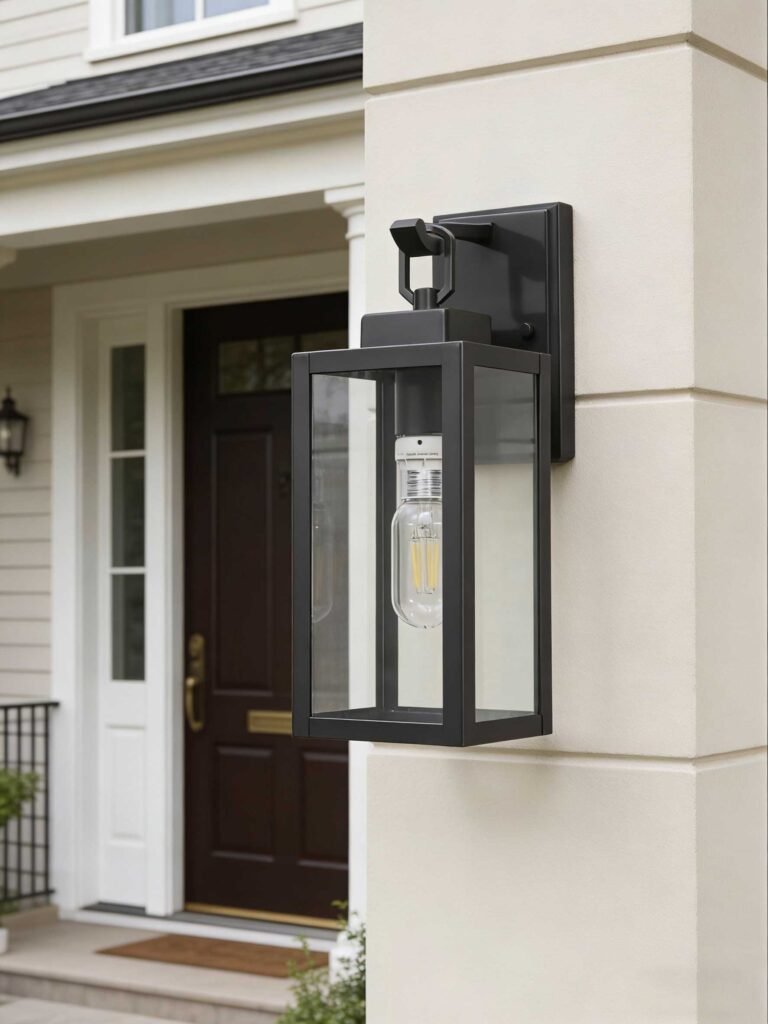
What If The Sensor Is Detecting Light From the Bulb?
A light bulb socket sensor flicker generally happens when the photocell sensor gets incorrect illumination signals. The sensor’s job is to measure environmental illumination levels and decide whether the neighboring atmosphere is dark enough to stimulate the light.
Though, if the sensor incorrectly senses non-natural light from the bulb itself or from reflections inside the fitting, it may recurrently trigger and deactivate the illumination circuit. This produces the typical photocell socket blinking cycle.
Table 1: Typical Operation of a Dusk-to-Dawn Photocell Socket
| 状態 | Sensor Response | Lighting Result |
| Daylight present | Photocell detects high brightness | Light remains OFF |
| Dusk or darkness | Photocell detects low brightness | Light turns ON |
| Temporary light flashes | Delay circuit ignores short changes | Light remains stable |
| Continuous brightness change | Sensor switches state | Light turns ON or OFF accordingly |
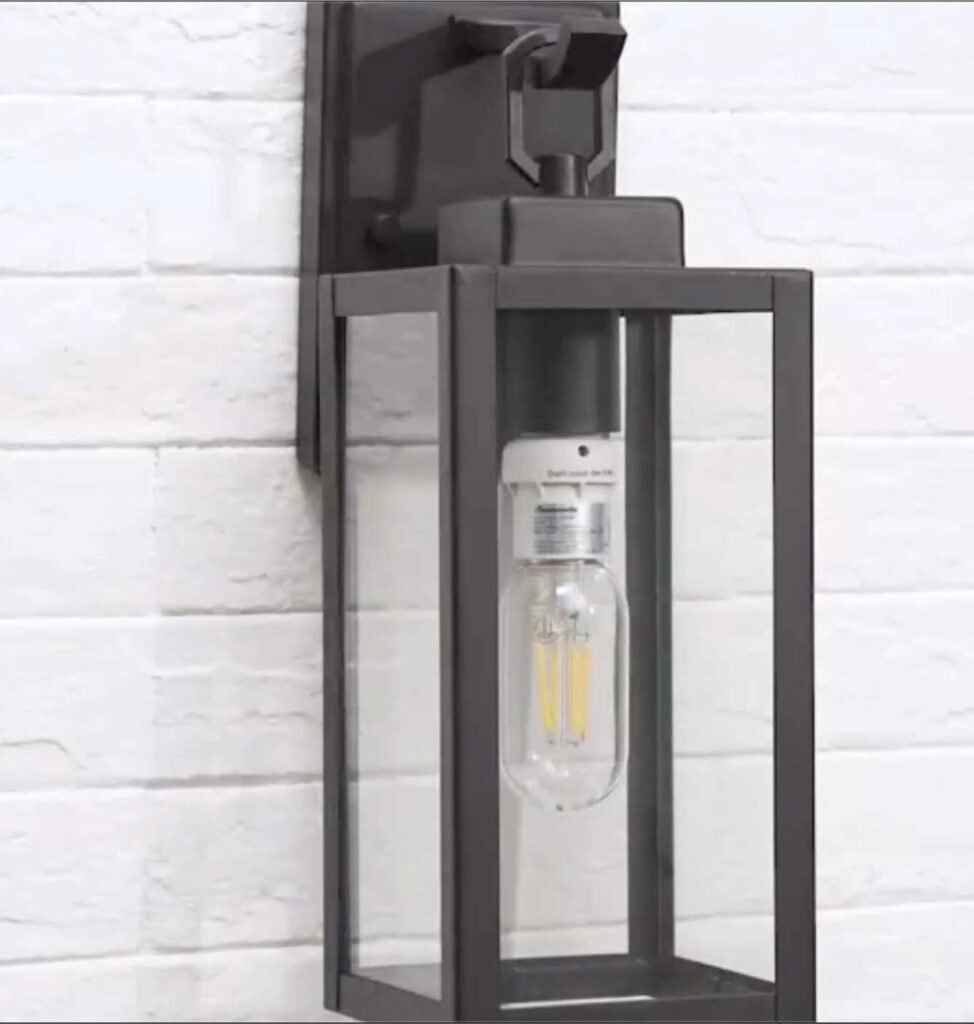
One of the most common causes of dusk to dawn light bulb socket flickering is sensor feedback. It happens when the photocell sensor senses light coming from the bulb itself. If the sensor is placed too close to the bulb or facing the fixture, the bulb’s light may reflect toward the sensor. When the light turns on, the sensor realizes the brightness as light of day and shuts the light off. The minute the light turns off, the sensor senses dark again and turns the light back on.
This generates a nonstop loop known as photocell socket blinking.
How to Fix It
To remove this type of automatic light socket problem, the sensor should face outward toward natural light of day instead of toward the bulb or reflective surfaces.
Can LED Bulbs Cause an Automatic Light Socket Problem?
One more common reason of dusk to dawn light bulb socket flickering is LED bulb incompatibility. While LED illumination is energy proficient and broadly used, not all LED bulbs are made to work with automatic switching systems.
Some low priced LED drivers cannot bear the brief power variations that occur when photocell sockets switch on and off. Consequently, the bulb may produce uneven light output or initiate light bulb socket sensor flicker behavior.
How to Fix It
Using high-grade LED bulbs specially made for outdoor illumination or automatic illumination systems can resolve this problem. Dependable bulbs uphold steady functioning when paired with a dusk to dawn light bulb socket, averting compatibility-related flickering.
Many models such as the LT520 photocell socket permit the sensor angle to be attuned for this reason.
What if the Enclosed Fixture is Blocking Light?
Fixture design also plays an imperative part in the appropriate working of automatic illumination systems. When a dusk to dawn light bulb socket is installed inside a fully encircled fixture, the photocell sensor may not get correct information about outdoor illumination environments.
If the enclosure blocks natural light of day, the sensor may understand the atmosphere as eternally dark. Alternatively, the enclosure may trap the bulb’s light and reflect it back toward the sensor, causing photocell socket blinking.
How to Fix It
To avert this type of automatic light socket problem, make sure the photocell sensor has direct disclosure to outside environmental light.
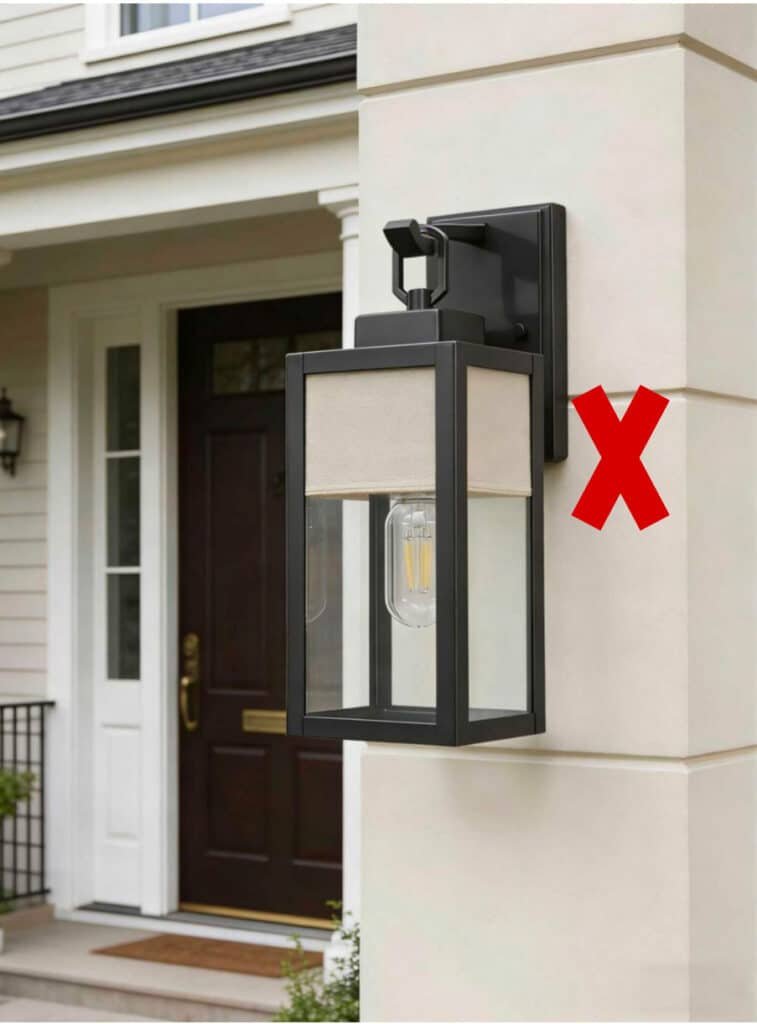
What happen in case of Voltage or Wiring Issues?
Electrical problems can also contribute to dusk to dawn light bulb socket flickering. Slack wiring connections or uneven voltage supply may create unreliable working of the socket’s switching circuit.
Voltage variations can interfere with the sensor’s internal control components, activating unbalanced switching behavior that appears as photocell socket blinking.
How to Fix It
Check the fixture wiring and make sure all electrical connections are safe. If the illumination circuit faces recurrent voltage variations, installing surge defense or stabilizing the power supply can help eradicate this automatic light socket problem.
How Do Photocell Quality and Design Affect Flickering?
Low-cost products at times use basic sensors that react too swiftly to small variations in light intensity. These sensors may produce light bulb socket sensor flicker even when the surrounding illumination situations remain unchanging.
High-grade illumination producers design photocell circuits with cautiously attuned switching thresholds and in-built delay functions.
The following table compares typical characteristics of high-grade and cheap photocell sockets.
Table 2: Photocell Socket Quality Comparison
| 特徴 | High-Quality Photocell Socket | Low-Quality Photocell Socket |
| Sensor accuracy | Stable ambient light detection | Sensitive to small light changes |
| Switching delay | Built-in delay prevents false triggers | Immediate switching may cause flicker |
| Bulb compatibility | Supports LED, CFL, and incandescent bulbs | Limited compatibility |
| 耐久性 | Designed for long outdoor use | Reduced reliability |
| Flicker resistance | Minimal photocell socket blinking | Higher risk of dusk to dawn light bulb socket flickering |
よくある質問
Can LED bulbs cause flickering in dusk to dawn sockets?
Yes. Some LED drivers are unsuited with automatic switching devices.
Does the sensor need to face the sun?
It should face natural environmental light but not direct non-natural light from the bulb.
Are photocell sockets weather resistant?
Most outdoor dusk-to-dawn sockets are made with weather resilient materials for outdoor use.
If your dusk to dawn light bulb socket is flickering, the problem is generally linked to sensor location, bulb compatibility, or fixture design. Correcting the sensor direction or using higher-quality bulbs can often solve the problem rapidly.
Companies specializing in photocell illumination controls offer a extensive variety of products including wire-in controllers, ネマ twist-lock photocells, and intelligent outdoor illumination solutions. By choosing dependable suppliers, businesses and contractors can make sure their illumination systems function proficiently devoid of recurrent dusk to dawn light bulb socket flickering problems.
Lead-Top Electrical emphases on the design and production of photocell illumination controls, with more than 10 years of engineering experience. The company supplies licensed photocell products for retail, wholesale, and urban illumination projects globally.


 Japanese
  English
  Portuguese (Brazil)
  Spanish
  Russian
  Dutch
Dutch  Portuguese (Portugal)