Фотоэлементы раздельного типа не предназначены для замены стандартных элементов управления освещением в разных проектах. Вместо этого они существуют для решения очень специфических проблем, с которыми обычные фотоэлементы не могут надежно справиться. Понимание того, когда и почему следует выбирать именно такую конструкцию, важно для инженеров, проектировщиков освещения и отделов закупок, которые хотят получить долговременную производительность, а не кратковременное удобство.
В этой статье разъясняется, когда целесообразно использовать фотоэлементы раздельного типа, как они справляются с реальными условиями установки и когда более простые альтернативы остаются лучшим вариантом.
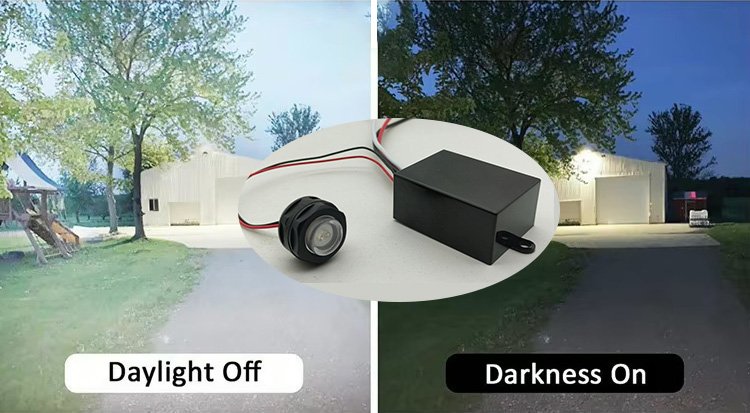
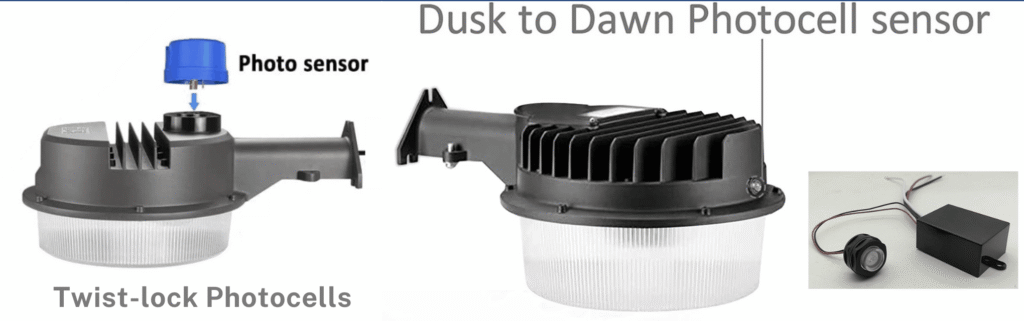
А расщепленный тип фотоэлемент Это устройство управления освещением, в котором светочувствительный элемент и управляющая электроника практически разделены. Датчик установлен в идеальном месте для определения уровня окружающего освещения, а блок управления закреплен в другом месте — часто внутри светильника или электрического отсека.
Данная конструкция неуклонно поддерживает прогрессивные решения в области управления наружным освещением, позволяя каждому компоненту работать в условиях, наиболее подходящих для его функции. Датчик ориентирован на точность, а блок управления — на электрическую стабильность.
В отличие от интегрированных фотоэлементов, конструкции с раздельными датчиками были разработаны именно для проектов, где стандартное расположение датчиков приводит к неправильному переключению, преждевременному выходу из строя или необходимости многоступенчатых обходных решений при установке.
В каких ситуациях целесообразно использовать фотоэлементы раздельного типа?
Хотя конструкции с раздельными датчиками обеспечивают гибкость, они также требуют дополнительной проводки, планирования и времени на установку. Для простых светильников с идеально расположенными датчиками стандартные фотоэлементы уже обеспечивают надежную работу по более низкой цене.
Именно поэтому фотоэлементы раздельного типа лучше рассматривать как целенаправленные решения, а не как универсальную модернизацию. Их ценность становится очевидной только тогда, когда проект имеет специфические ограничения, которые невозможно преодолеть с помощью традиционных конструкций.
1. Светильники с плохой экспозицией датчика.
Одной из наиболее распространенных причин выбора фотоэлемента раздельного типа является плохое освещение сенсора, вызванное конструкцией светильника.
Некоторые светильники непроизвольно блокируют или искажают окружающий свет, достигающий датчика, по следующим причинам:
- Глубокие корпуса или жалюзи
- Декоративные саваны
- Утопленные точки крепления
- Неправильная ориентация по отношению к небу
В таких условиях встроенный фотоэлемент может быть покрыт, отражать или изменять свой свет, что приводит к задержке переключения, преждевременному срабатыванию или непостоянному циклу включения/выключения.
Благодаря возможности установки фотоэлемента на расстоянии, конструкция с раздельным расположением позволяет разместить датчик в месте, где он получает необходимое количество окружающего света. Это гарантирует точную работу от заката до рассвета независимо от геометрии светильника.
2. Отражённый свет
Отражённый свет — это тихая, но заслуживающая внимания проблема в системах наружного освещения. Свет, отражающийся от стен, вывесок, дорог или даже самого светильника, может обмануть фотоэлемент, заставив его принять его за солнечный свет.
Эта проблема особенно часто встречается в:
- Настенные светильники
- Подвесное оборудование
- Архитектурная акцентная подсветка
- Светодиодные светильники высокой мощности
Фотоэлементы с раздельными звеньями снижают этот риск, позволяя размещать датчик вдали от отражающих поверхностей. В системах с раздельными звеньями датчик часто располагается над светильником или на нейтральной монтажной поверхности, отражающей обычный неестественный свет.
3. Сложные или компактные конструкции светильников
Современные светильники становятся все более компактными и сложными. Дизайнеры делают упор на эстетику, теплоотвод и визуальную эффективность, часто оставляя мало внутреннего пространства для дополнительных компонентов.
Многие элементы фурнитуры имеют следующие недостатки:
- Чрезвычайно ограниченный внутренний объем
- Нет указанной зоны для установки датчика.
- Засорение проводников
- Конфликт между местоположением водителя и положением датчика.
В таких случаях выбор фотоэлемента для сложных светильников оказывается не простым выбором компонента, а сложной задачей проектирования.
Разделение датчика и блока управления упрощает внутреннюю компоновку. Блок управления может быть расположен рядом с драйвером или клеммной колодкой, а датчик может быть закреплен снаружи или на некотором расстоянии в месте, где он будет работать должным образом.
4. Проекты модернизации
Проекты модернизации часто включают в себя существующие светильники, которые изначально не были предназначены для современных фотоэлементов. Возможности переоборудования корпусов могут быть ограничены по следующим причинам:
- Структурные ограничения
- Требования к сертификации
- Сохранение эстетических качеств
- Ограничения по стоимости
Сверление новых отверстий для датчиков или изменение положения драйверов вряд ли принесут пользу при модернизации.
Разборная конструкция позволяет устанавливать фотоэлементы удаленно без существенных изменений в конструкции. Датчик можно закрепить снаружи, используя существующие отверстия или кронштейны, а блок управления встраивается в оригинальный отсек для проводки.
Благодаря своей гибкости, фотоэлементы раздельного типа особенно ценятся при модернизации устаревших уличных фонарей, промышленных и архитектурных светильников.
5. Особые условия окружающей среды на открытом воздухе
Воздействие окружающей среды — один из наиболее игнорируемых аспектов обеспечения стабильности работы фотоэлементов. Высокие температуры, влажность и вибрация ускоряют износ компонентов.
В некоторых установках наблюдаются следующие особенности:
- Накопление тепла внутри герметичных устройств
- Постоянная вибрация от движения транспорта или работы оборудования.
- Накопление влаги из-за конденсации
- Быстрое изменение температуры
В таких условиях отделение чувствительных сенсорных компонентов от электрической нагрузки повышает общую устойчивость системы.
Фотоэлементы раздельного типа позволяют датчику оставаться видимым для окружающей среды, одновременно защищая управляющую электронику в более устойчивом корпусе — это существенное преимущество в сложных решениях для управления наружным освещением.
В каких случаях стандартный фотоэлемент является лучшим выбором?
Несмотря на свои преимущества, фотоэлементы раздельного типа требуются не всегда.
Стандартные фотоэлементы с проводным или поворотным креплением по-прежнему остаются лучшим решением в следующих случаях:
| Состояние проекта | Почему стандартные фотоэлементы лучше |
| Четкое расположение датчика, установленного сверху. | Позволяет точно определять источник света без каких-либо препятствий. |
| Неизменное знакомство с окружающим светом | Гарантирует надежное включение/выключение. |
| Требуется быстрая установка. | Конструкция с поворотным замком и проволочным креплением обеспечивает быструю установку. |
| Крупномасштабные, стандартизированные проекты | Оптимизирует закупки и техническое обслуживание. |
| спецификации, ориентированные на стоимость | Более низкая себестоимость единицы продукции по сравнению с индивидуальными решениями. |
В подобных ситуациях более простые конструкции обеспечивают надежные результаты при меньшем количестве компонентов и меньших затратах труда.
Какие рекомендации дает компания Lead-Top Electrical по фотоэлементам сплит-системы?
В компании Lead-Top Electrical раздельные фотоэлементы рассматриваются как инструменты повышения точности, а не как стандартные опции.
Они рекомендуются только в следующих случаях:
| Когда их рекомендуют | Полученная выгода |
| Повышение точности измерений | Более точное и стабильное управление освещением. |
| Устраните ограничения при установке. | гибкое расположение датчика |
| Снижение риска длительных отказов | Более длительный срок службы |
| Выполнять задачи в суровых условиях | Повышенная надежность системы |
| Поддержка многофункциональных светильников | Эффективная интеграция фотоэлементов |
Такой подход гарантирует, что в каждом проекте используется наиболее подходящая технология, а не самая сложная.
Заключение: Когда следует выбирать фотоэлемент раздельного типа?
Фотоэлементы раздельного типа, возможно, в настоящее время используются нечасто, но их значение становится неоспоримым в проектах с ограничениями при монтаже, проблемами с датчиками или нестандартной конструкцией светильников.
Благодаря возможности удаленной установки фотоэлементов, поддержке фотоэлементов в сложных светильниках и улучшению решений для управления наружным освещением, они обеспечивают гибкость и надежность, которые не всегда могут быть обеспечены интегрированными системами.
Умение определить, когда следует сделать выбор фотоэлемент раздельного типа Это позволяет решать проблемы до их возникновения, защищая производительность, бюджет и долгосрочную надежность системы.
Ссылки:
- https://leaditop.com/product-2/?
- https://leaditop.com/product/split-wire-in-photocell-electronic-type-photo-control-lt310ast-series/
- https://leaditop.com/comprehensive-guide-to-various-photocell-wiring-diagram/
- https://en.wikipedia.org/wiki/High-CRI_LED_lighting
- https://en.wikipedia.org/wiki/Recessed_light



 Russian
  English
  Portuguese (Brazil)
  Spanish
  Dutch
Dutch  Japanese
  Portuguese (Portugal)