Стремительное развитие мегаполисов Вьетнама приводит к поразительным темпам трансформации его инфраструктуры. По мере расширения автомагистралей, развития «умных» мегаполисов и множения промышленных парков, системы наружного освещения должны развиваться столь же быстро. В этой атмосфере решения по управлению наружным освещением во Вьетнаме — это уже не просто перенастройка с наступлением сумерек на рассвете, а критически важные компоненты, обеспечивающие надежность в рамках обширных инфраструктурных систем.
В крупных городах, таких как Хошимин, Ханой и Дананг, ведется масштабное вертикальное строительство, создаются многоуровневые дорожные сети и смешанные старые и новые электросистемы. Устройства управления освещением, установленные в этих районах, должны соответствовать следующим требованиям:
- Экологическая несогласованность
- Электрические вариации
- Неравномерные условия установки
- Искусственное освещение, создающее помехи, способствует росту.
- Сжатые сроки ввода проекта в эксплуатацию
Короче говоря, стабильность характеристик и гибкость установки должны сосуществовать.
Как неоднородные условия установки влияют на применение фотодатчиков во Вьетнаме?
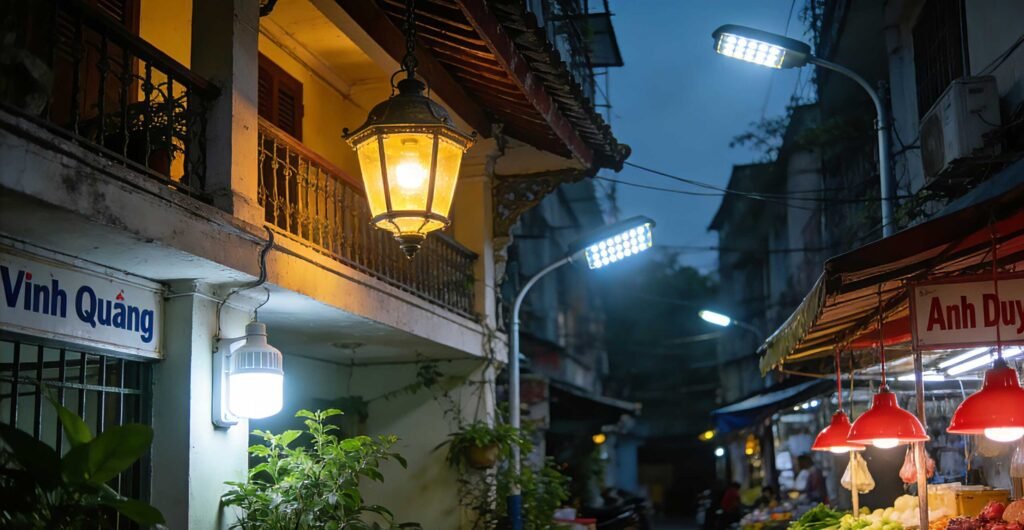
Одна из самых реальных проблем в проектах инфраструктуры Вьетнама — это изменение геометрии установки. Во многих проектах модернизации мегаполисов новые светильники устанавливаются на опоры или кронштейны, которые были спроектированы много лет назад. В результате получаются различные углы установки, нерегулярное расположение кронштейнов и ненадежная ориентация относительно источников окружающего света.
Решение для фотодатчиков с фиксированным направлением, используемое во Вьетнаме, предполагает идеальное выравнивание. В действительности же установщики часто работают в обход существующей инфраструктуры, а не вносят в нее изменения. Это порождает ряд рисков:
- Датчики, расположенные перед источниками искусственного света
- Датчики частично затенены конструкциями.
- Датчики установлены под наклоном.
- Нерегулярное воздействие света заката и рассвета
Отсутствие возможности регулировки и некачественная установка приводят к ненадежной работе.
Именно поэтому в новых проектах регулируемое фотоуправление становится стандартом, а не факультативным элементом.
Почему конструкция с поворотным штоком повышает гибкость монтажа?

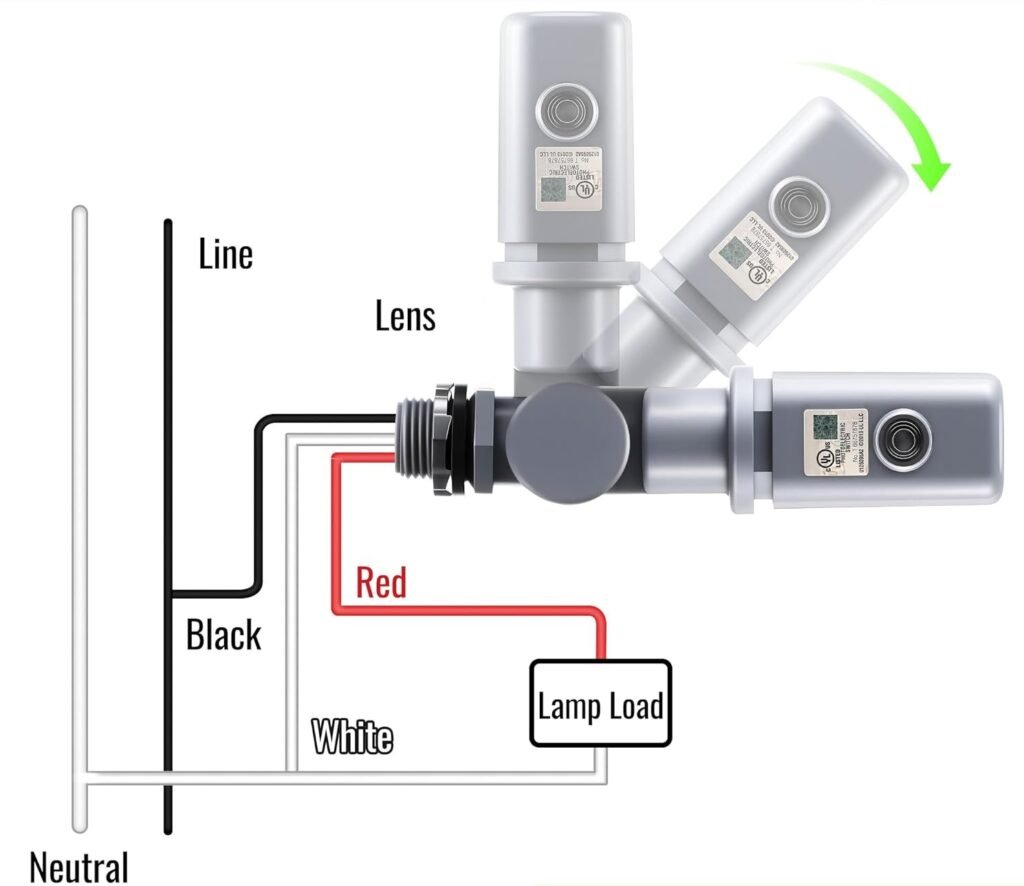
Технология управления поворотным штоком позволяет чувствительной головке автономно вращаться относительно резьбового монтажного основания. Эта механическая гибкость позволяет монтажникам регулировать направление движения датчика после установки и во время ввода в эксплуатацию.
В условиях смешанной инфраструктуры Вьетнама это обеспечивает многочисленные операционные преимущества:
- Коррекция выравнивания без демонтажа устройства.
- Компенсация неравных углов наклона опор.
- Избегание проникновения искусственного освещения из соседних источников.
- Сокращены задержки, связанные с доработкой и установкой.
Поскольку проекты в мегаполисах часто реализуются в сжатые сроки, минимизация повторной установки имеет важное значение. Структурная гибкость регулируемых конструкций фотоконтроль Вьетнамские системы гарантируют ожидаемое поведение даже в неудовлетворительных условиях монтажа.
Вместо того чтобы требовать идеальных настроек установки, система управления адаптируется к условиям эксплуатации на объекте.
Как колебания напряжения влияют на требования к системам управления освещением в широком диапазоне напряжений во Вьетнаме?
Несмотря на относительно стабильную работу электросетей в крупных городах Вьетнама, колебания напряжения остаются повседневной проблемой в следующих регионах:
- Индустриальные парки
- Быстро развивающиеся периферийные районы
- прибрежные регионы
- Смешанные коммерчески-жилые районы
Когда колебания напряжения выходят за узкие рабочие пределы, традиционные системы управления могут выйти из строя раньше времени. Это увеличивает частоту замены и затраты на техническое обслуживание.
Разработанная во Вьетнаме система управления освещением с широким диапазоном напряжения расширяет рабочий диапазон, обеспечивая стабильную работу при изменяющихся условиях электропитания. Это снижает потребность в дополнительных защитных устройствах и упрощает интеграцию системы.
В число преимуществ входят:
- Повышенная прочность
- Меньший процент отказов
- Улучшенная совместимость с условиями смешанной сетки улиц.
- Сокращенная общая стоимость владения
Почему в городах Вьетнама увеличивается уровень светового загрязнения окружающей среды?
Рост городов приводит к увеличению искусственного освещения. Коммерческие вывески, светодиодные рекламные щиты, подсветка витрин, транспортные системы и расположенные рядом дорожные светильники — все это влияет на уровень фонового освещения.
В таких городах, как Хошимин и Ханой, отраженный свет от стеклянных фасадов и подсвеченной рекламы может вводить в заблуждение стационарные датчики. Когда датчик воспринимает искусственное освещение, а не истинный окружающий свет, может произойти некорректное переключение.
Решение с регулируемым фотодатчиком, разработанное во Вьетнаме, помогает решить эту проблему, позволяя установщику разделить поле зрения датчика. Направляя зону действия датчика в сторону, защищенную от несанкционированного проникновения, обеспечивается стабильная работа без необходимости использования дополнительного защитного оборудования.
По мере продолжения урбанизации Вьетнама эта гибкость приобретает все большее значение.
Как настройки задержки времени повышают стабильность работы?
Неожиданное движение облаков и быстрые изменения погоды — обычное явление во Вьетнаме, где преобладает тропический климат. Кратковременные колебания освещенности могут вызывать ненужные циклы включения/выключения, если управляющий элемент реагирует слишком быстро.
Хотя это не всегда подчеркивается, настройка времени задержки играет жизненно важную роль в фильтрации краткосрочных колебаний. Настраиваемые параметры задержки позволяют системам:
- Не обращайте внимания на кратковременные изменения освещения.
- Поддерживайте надежность циклы от заката до рассвета
- Снижение нагрузки на подключенные светильники.
- Продление общего срока службы системы.
Эта компетенция дополняет стратегии управления наружным освещением во Вьетнаме, обеспечивая долговременную стабильность, а не кратковременное реагирование.
Почему индивидуальная настройка важна для крупномасштабных проектов во Вьетнаме?
Крупные городские и промышленные проекты во Вьетнаме часто требуют дифференциации продукции по следующим причинам:
- Отслеживание активов
- Идентификатор подрядчика
- Технические условия государственного тендера
- Согласование брендинга проекта
Настраиваемый подход к фотоконтролю позволяет производителям адаптировать внешний вид и конфигурацию продукции в соответствии с потребностями проекта.
Lead-Top поддерживает следующие варианты настройки:
- Печать логотипа
- выбор цвета корпуса
- Настройка времени задержки
- Индивидуальная настройка упаковки
Эти функции помогают поставщикам и подрядчикам соответствовать требованиям проекта, обеспечивая при этом техническую стабильность.
Персонализация – это не только эстетический аспект, она также способствует эффективному управлению активами и развертыванию в рамках комплексных программ.
В ландшафте Вьетнама, созданном с помощью светового оформления, часто сочетаются следующие элементы:
- Недавно установленные светодиодные светильники
- Более старые системы натриевых или металлогалогенидных систем
- Разная высота столбов
- Различная длина монтажных рычагов
Это создает неоднородную среду производительности. Ниже приведено краткое сравнение реальных условий установки:
| Коэффициент установки | Новые городские застройки | Модернизация / Смешанная инфраструктура |
| Выравнивание при монтаже | В целом спланировано, но разнообразно. | Часто непоследовательный |
| Электрическая стабильность | Относительно стабильный | Больше колебаний |
| Искусственные световые помехи | Высокий | Умеренный до высокого |
| Ввод в эксплуатацию Скорость | Быстрые временные рамки | Переменная |
| Доступ для технического обслуживания | Структурированный | Иногда ограниченный |
Почему серии LT210CH и LT310F подходят для проектов во Вьетнаме?
Lead-Top LT210CH и LT310F Эти серии созданы для удовлетворения потребностей Вьетнама в инфраструктуре. Предлагаемые модели включают в себя:
- Поворотная структурная гибкость
- Надежность датчиков теплового типа
- Широкий диапазон рабочих напряжений
- Настраиваемые параметры задержки
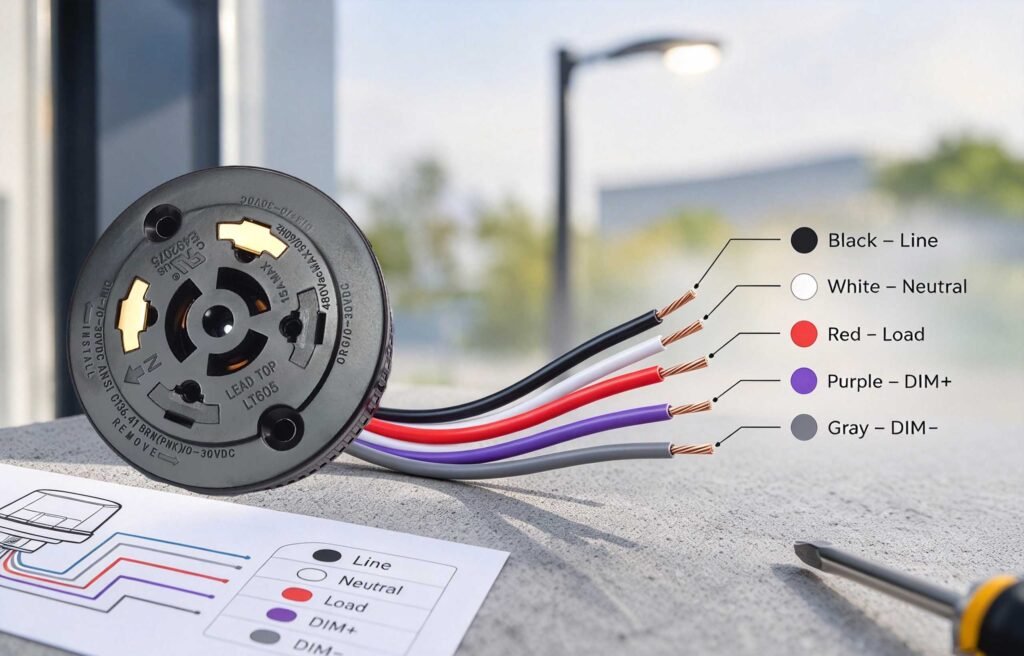
- Совместимость с проводным подключением при монтаже
The LT210CH Термофотоэлемент с поворотным штоком и проводным креплением преимущественно подходит для проектов, требующих корректировки ориентации после установки.
Благодаря сочетанию структурной и электрической гибкости, эти модели соответствуют растущим потребностям в системах управления наружным освещением во Вьетнаме.
Для обеспечения надежной работы быстро развивающейся осветительной инфраструктуры Вьетнама инженерам следует оценить несколько важнейших критериев.
| Технический фактор | Значение во Вьетнаме |
| Структурная регулируемость | Компенсирует неравномерность установки. |
| Широкий диапазон напряжений | Обрабатывает изменчивость сетки |
| Настройка времени задержки | Фильтрует колебания, связанные с погодой. |
| Экологическая стойкость | Подходит для тропических климатических условий. |
| Варианты настройки | Обеспечивает дифференциацию на уровне проекта. |
Каждый из этих элементов способствует снижению частоты технического обслуживания и обеспечению предсказуемой производительности в различных средах развертывания.
Инфраструктура освещения во Вьетнаме расширяется под давлением — скорость развертывания, экономичность и долгосрочная стабильность должны совпадать. В таких ситуациях жесткие, фиксированные системы управления становятся все менее эффективными.
Вместо этого успешные системы включают в себя:
- Регулируемое фотоуправление, разработанное во Вьетнаме для обеспечения возможности установки.
- Управление освещением в широком диапазоне напряжений во Вьетнаме, возможности обеспечения устойчивости электроснабжения.
- Улучшенная задержка синхронизации для обеспечения стабильности погоды.
- Настраиваемые функции управления фотографиями для выравнивания проекта.
По мере того как муниципалитеты, такие как Дананг, продолжают модернизироваться, а промышленные регионы расширяются по всей стране, надежность управления освещением становится основополагающим требованием, а не просто дополнительным преимуществом.
Гибкость — механическая, электрическая и конфигурационная — определяет следующее поколение решений для фотодатчиков во Вьетнаме. В условиях быстро развивающейся инфраструктуры способность мириться с нестабильными показателями является ключом к обеспечению надежной и долговечной работы.


 English
 Portuguese (Brazil)
 Spanish
 Russian
 Dutch
Dutch Japanese
 Portuguese (Portugal)