Проекты наружного освещения в тропических регионах сталкиваются с особым сочетанием экологических и эксплуатационных проблем. В Юго-Восточной Азии — главным образом в таких странах, как Индонезия, Таиланд, Вьетнам и Филиппины — многочисленные проблемы с работой тропических систем наружного освещения вызваны не дефектами продукции. Вместо этого они возникают из-за незначительных неточностей при монтаже, которые усугубляются в суровых экологических условиях.
Высокая влажность, сильные дожди, интенсивное ультрафиолетовое излучение, быстрое движение облаков и плотная зона искусственного освещения создают условия, при которых даже небольшие ошибки выравнивания могут привести к заметным сбоям в работе. При спешной установке или неидеальных условиях монтажа допустимая погрешность становится крайне мала.
Понимание причин возникновения ошибок при установке наружного освещения в тропических регионах — первый шаг к снижению количества долгосрочных проблем с надежностью.
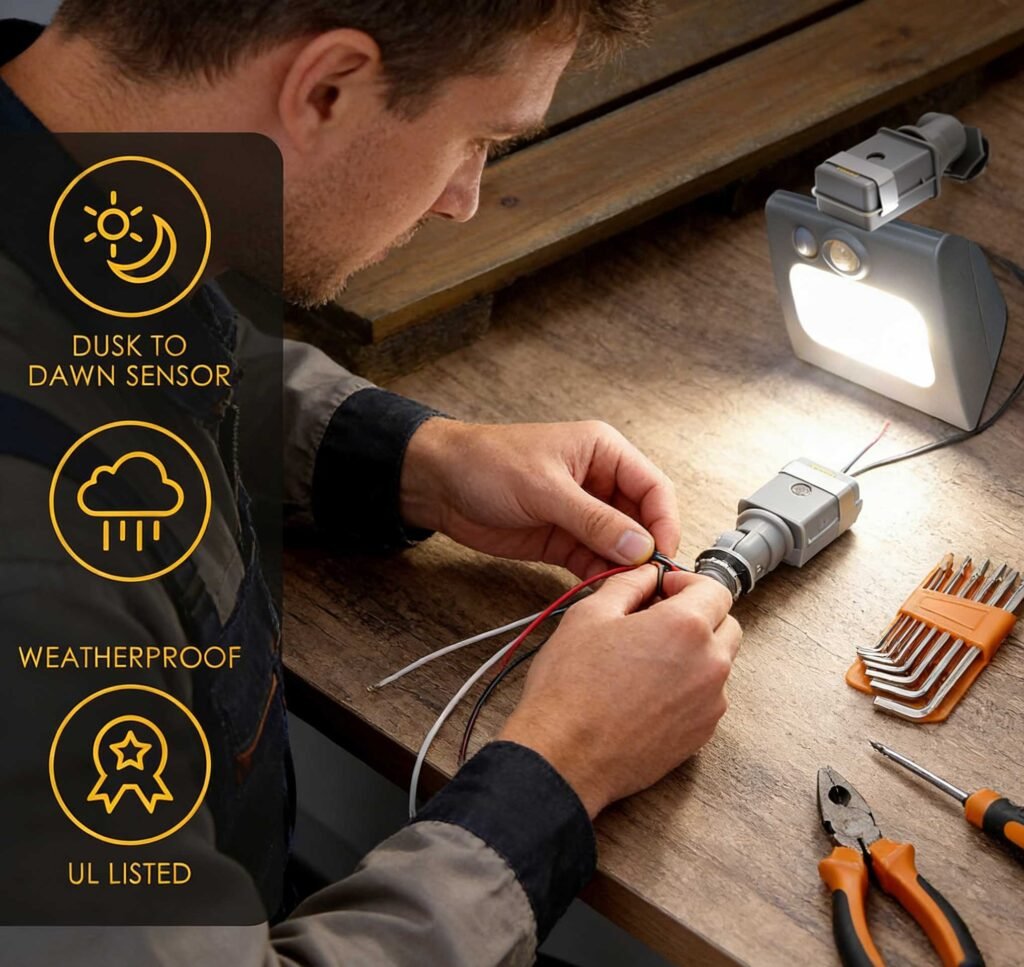
Почему ошибки при установке чаще встречаются в тропических регионах?
В условиях умеренного климата экологическая нестабильность умеренная и ожидаемая. Однако в Юго-Восточной Азии факторы окружающей среды постоянно взаимодействуют с установленными компонентами.
В тропических зонах некоторые факторы повышают вероятность ошибок при установке наружного освещения:
- Из-за состояния грунта или воздействия прибрежных ветров столбы могут быть установлены не идеально вертикально.
- Угол наклона крепежных кронштейнов может различаться в зависимости от места установки.
- Монтажники часто работают в условиях жестких временных ограничений.
- В связи с развитием городской среды после установки искусственного освещения количество искусственного освещения поблизости может увеличиться.
- Дожди и грозы могут ограничивать видимость во время ввод в эксплуатацию.
В таких условиях фотоэлементы с фиксированным направлением наведения не оставляют места для регулировки. Небольшое смещение во время установки становится долговременным ограничением производительности.
Это особенно важно для развертывания систем фотонаблюдения в Юго-Восточной Азии, где десятки или сотни устройств должны постоянно работать на обширной территории проекта.
Какие распространенные проблемы возникают при установке систем фотоуправления в Юго-Восточной Азии?
В проектах наружного освещения в тропических регионах наблюдается множество распространенных проблем.
Непреднамеренное воздействие света
Отражённый свет от соседних зданий, стеклянных фасадов, светящихся вывесок или расположенных рядом светильников может попадать в поле зрения датчика. Это может привести к позднему срабатыванию вечером или преждевременному отключению ночью.
Непоследовательное поведение при переключении
При установке большого количества устройств с небольшими различиями в ориентации, время переключения может заметно различаться по всей территории объекта. Это приводит к неравномерному освещению и жалобам на работу оборудования.
Ложные переключения при изменении погоды
Неожиданные тропические дожди или плотная облачность могут на мгновение снизить уровень освещенности окружающей среды. Без надлежащей фильтрации элементы управления могут реагировать слишком быстро, что приводит к ненужным циклам включения/выключения.
Ограниченные возможности для исправления
После того как монтажные бригады покидают строительную площадку, повторный осмотр установок становится дорогостоящим. Перемонтаж проводки или переустановка элементов управления увеличивают трудозатраты и нарушают производственный процесс.
Эти проблемы подчеркивают необходимость гибких систем наружного освещения для тропических регионов вместо жестких, зависящих от способа установки конструкций.
Как регулируемая конструкция снижает риски при монтаже?
Регулируемая конструкция коренным образом меняет подход к обеспечению точности монтажа. Вместо необходимости идеального выравнивания в момент установки, адаптируемая конструкция позволяет добиться желаемого результата. фотоконтроль Решение для тропического климата позволяет корректировать ориентацию во время ввода в эксплуатацию.
Благодаря поворотной конструкции основания крепления остается неподвижным, в то время как чувствительная головка может автономно вращаться. Такая конструктивная гибкость позволяет специалистам:
- Перед окончательной настройкой оцените реальные вечерние условия.
- Точно настройте направление, чтобы избежать отражения искусственного света.
- Стандартизировать углы переключения для нескольких устройств.
- Исправьте ошибки ориентации без разборки.
Это превращает выравнивание из рискованного этапа монтажа в контролируемую процедуру ввода в эксплуатацию.
В тропических условиях, где высока нестабильность экологического освещения, возможность регулировки значительно снижает вероятность длительных перебоев в работе.
Почему управление задержкой времени имеет значение в тропических условиях?
Для тропических погодных явлений характерны резкие экологические изменения. Густая дождевая туча может эффектно затемнить небо на несколько минут, не предвещая настоящей ночи.
Без надлежащей настройки задержки датчик может включать освещение во время кратковременных изменений погоды и выключать его снова, как только яркость вернется. Повторные циклы приводят к увеличению износа светильников и электрических компонентов.
Улучшенные настройки задержки времени позволяют отфильтровывать кратковременное снижение освещенности. Реагируя только на устойчивые изменения окружающей среды, система избегает ненужных переключений.
Эта способность повышает эффективность фотоконтроля в Юго-Восточной Азии, гарантируя стабильность, а не повышенную чувствительность.
Lead-Top поддерживает настраиваемые периоды задержки, что позволяет руководителям проектов подбирать параметры в соответствии с региональными климатическими условиями. В районах с часто повторяющимися штормами более длительные периоды задержки обеспечивают повышенную надежность.
Каким образом допуск на электрические параметры служит буфером для предотвращения ошибок при монтаже?
Не все проблемы с производительностью возникают из-за механического смещения. В некоторых тропических регионах колебания напряжения могут имитировать поломку датчика.
В проектах смешанного городского и сельского электроснабжения, распространенных в Индонезии и на Филиппинах, часто наблюдаются непредсказуемые условия в электросетях. Узкий диапазон рабочего напряжения повышает чувствительность к колебаниям напряжения в сети.
Фотоэлементы с широким диапазоном допустимых напряжений действуют как защитный буфер. Они обеспечивают стабильную работу даже при колебаниях напряжения питания, снижая вероятность неправильной диагностики проблем с установкой.
Поддержка широкого диапазона напряжений:
- Оперативное постоянство
- Сокращенная ранняя замена
- Меньшая частота обращений в службу поддержки.
- Улучшенная выносливость системы
В тропических системах наружного освещения электрическая устойчивость дополняет возможность регулировки конструкции, что снижает риски, возникающие с разных сторон.
Почему LT310DH Подходит ли фоторегулятор с поворотным штоком для тропических условий?
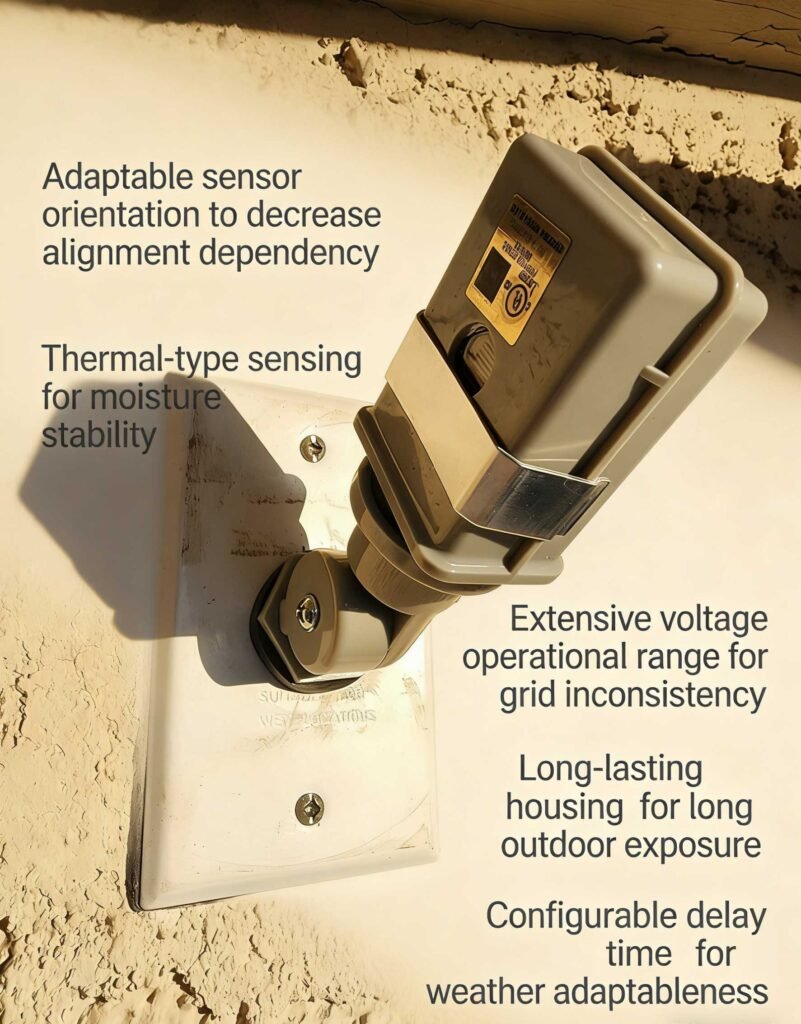
Фоторегулятор LT310DH с поворотным штоком разработан специально для установки в тропических условиях.
Основные характеристики включают в себя:
- Адаптируемая ориентация датчика для уменьшения зависимости от выравнивания.
- Термочувствительный датчик для определения стабильности влажности
- Широкий диапазон рабочего напряжения для работы в условиях нестабильности электросети.
- Долговечный корпус для длительного пребывания на открытом воздухе.
- Настраиваемое время задержки для адаптации к погодным условиям.
Вместо того чтобы предполагать идеальные условия на участке, проект учитывает практическую изменчивость, характерную для Юго-Восточной Азии.
Благодаря сочетанию структурной гибкости, электрической устойчивости и экологической надежности, LT310DH снижает как риски при немедленной установке, так и неопределенность, связанную с длительной эксплуатацией.
Как персонализация снижает трения на уровне проекта?
Помимо технических характеристик, возможность индивидуальной настройки обеспечивает более эффективное позиционирование на различных рынках Юго-Восточной Азии.
Lead-Top предлагает:
- Цветовая гамма корпусов подбирается в соответствии с цветом светильников.
- Индивидуальная маркировка логотипом для идентификации.
- Адаптируемые конфигурации задержки
- Индивидуальная настройка упаковки для региональной логистики
Эти опции упрощают управление активами и уменьшают путаницу при установке оборудования на нескольких объектах.
Ниже приведено краткое описание того, как персонализация повышает эффективность развертывания в тропических условиях:
| Функция персонализации | Преимущества установки и эксплуатации |
| Варианты цвета корпуса | Визуальная интеграция со светильниками |
| Логотипы на заказ | Упрощенное отслеживание активов |
| Выбор времени задержки | Настройка производительности с учетом климатических условий |
| Региональная упаковка | Оптимизированная логистика |
Индивидуальная настройка снижает сложности без увеличения технической сложности.
Какие практические стратегии помогают свести к минимуму ошибки при установке наружного освещения?
| Фактор риска | Стратегия смягчения последствий |
| Неправильное крепление | Использовать регулируемый конструкция поворотного штока |
| Отражённый искусственный свет | Оптимизация ориентации датчика во время ввода в эксплуатацию. |
| Ложные переключения, вызванные погодными условиями | Настройте соответствующие времена задержки. |
| Нестабильность напряжения | Выберите элементы управления, совместимые с широким диапазоном напряжения. |
| Ухудшение состояния окружающей среды | Выбирайте конструкции с высокой термостойкостью. |
Эти стратегии в совокупности способствуют повышению общей надежности систем наружного освещения в тропических регионах.
Каковы заключительные соображения и рекомендуемые решения?
В крупномасштабных проектах по установке оборудования на открытом воздухе добиться высокого качества монтажа практически невозможно. В тропических регионах мелкие неровности усиливаются из-за экологического стресса и нестабильности электроснабжения.
Снижение количества ошибок при монтаже наружного освещения не связано с требованием безупречного качества работы. Речь идёт о выборе компонентов, которые выдерживают практические условия.
Эффективные решения для фотоконтроля в Юго-Восточной Азии включают в себя:
- Регулируемые фотоэлектрические системы для тропического климата
- Стабильная технология теплового зондирования
- Широкий диапазон допустимых электрических напряжений.
- Практичные варианты индивидуальной настройки
The LT310DH Фотоуправление с поворотным штоком является примером такого подхода, поскольку оно обеспечивает точность не только при установке, но и при контролируемой регулировке.
В тропических системах наружного освещения надежность обеспечивается гибкостью. Когда продукция изготавливается с учетом экологической нестабильности, особенностей монтажа и электрических колебаний, обеспечивается стабильная и ожидаемая длительная работа. Проектирование с учетом реальных условий, а не идеальных, является наиболее эффективным способом снижения рисков при монтаже и повышения стабильности работы в сложных условиях Юго-Восточной Азии.



 English
 Portuguese (Brazil)
 Spanish
 Russian
 Dutch
Dutch Japanese
 Portuguese (Portugal)