Введение: Почему минимальный объем заказа (MOQ), цена и сроки поставки важны при закупке фотоэлементов?
Когда кто-то хочет передать дело на аутсорсинг фотоэлементы Для проектов наружного освещения важно понимать минимальный объем заказа, структуру ценообразования и сроки выполнения, чтобы обеспечить успешное выполнение проекта. Независимо от того, занимаетесь ли вы городским освещением, коммерческими зданиями или крупными жилыми комплексами, эти три фактора неизменно влияют на составление бюджета, управление запасами и сроки выполнения проекта.
Фотоэлементы, поставляемые оптом, широко используются в таких областях, как:
- системы освещения дорог
- Освещение парковочной зоны
- Освещение фасада здания
- Интеллектуальная структура мегаполиса
Однако закупка — это не просто выбор товара. Покупатели должны оценивать компетентность поставщиков, возможности производства и надежность поставок. Точное планирование всегда гарантирует, что системы освещения будут установлены в нужное время и будут работать бесперебойно.
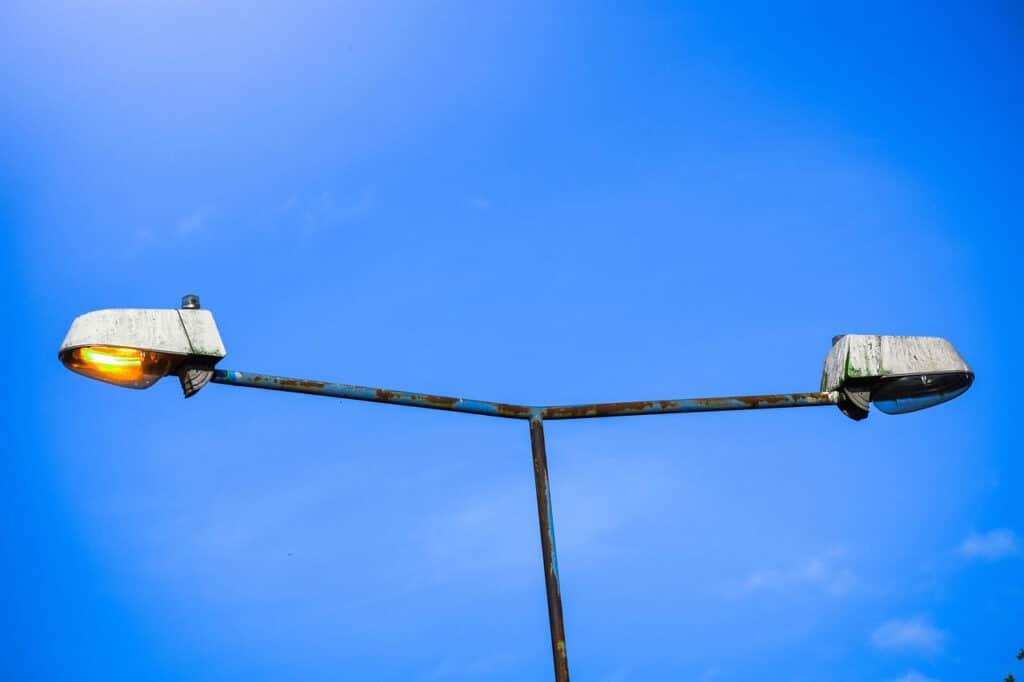
Каков минимальный объем заказа (MOQ) для фотоэлементов?
Почему минимальный объем заказа (MOQ) различается для разных типов фотоэлементов?
Минимальный объем заказа (MOQ) обозначает наименьшее количество единиц продукции, которое производитель готов произвести или поставить в одном заказе. Значение MOQ варьируется в зависимости от множества факторов, включая тип продукции, потребности в индивидуальной настройке и критерии аккредитации.
Для обычных фотоэлементов, таких как:
- 3-контактные фотоэлементы с поворотным замком
- 5-контактные фотоэлементы ANSI
Что касается минимального объема заказа (MOQ), то обычно он составляет около 100 единиц, что делает его подходящим для проектов малого и среднего размера.
Однако для более специфических или изготовленных на заказ продуктов минимальный объем заказа может увеличиться до 300–500 единиц. Это особенно часто встречается в следующих случаях:
- Необходимы традиционные строительные материалы.
- Специальные аккредитации (UL, CE, ANSI) требуются
- В комплект входят дополнительные функции, такие как регулировка яркости или интеллектуальное управление.
Производители устанавливают более высокие минимальные объемы заказа для продукции, изготавливаемой по индивидуальному заказу, из-за затрат на оснастку, времени производства и необходимости переналадки производственного процесса.
Как эффективно планировать минимальный объем заказа (MOQ) для крупных проектов?
Стратегическое планирование минимального объема заказа (MOQ) важно для предотвращения ненужных расходов и задержек. Для масштабных проектов освещения, таких как общественные инсталляции, заказ слишком малого количества единиц может привести к дефициту поставок, в то время как избыточный заказ может увеличить затраты на хранение и капитальные затраты.
Для улучшения планирования минимального объема заказа:
- Правильно оцените потребности проекта.
- Учитывайте предстоящие потребности в расширении.
- Согласуйте графики закупок и монтажа с графиками установки.
- Сотрудничайте с брокерами, предлагающими гибкие варианты минимального объема заказа.
Заранее определив минимальный объем заказа (MOQ), вы обеспечите бесперебойную реализацию проекта и предотвратите сбои во время монтажа.
Таблица 1: Типичный диапазон минимального объема заказа (MOQ) в зависимости от типа фотоэлемента.
| Фотоэлементный тип | Диапазон минимального объема заказа | Приложение |
| Стандарт 3-контактный фотоэлемент | 100 единиц | Освещение жилых и небольших коммерческих помещений |
| 5-контактный фотоэлемент ANSI | 100–200 единиц | Уличное и дорожное освещение |
| Фотоэлемент, изготовленный на заказ. | 300–500 единиц | «Умное освещение» и специальные проекты |
| Сертифицированные модели (UL/CE) | 200–500 единиц | Международные или регулируемые рынки |
Какие факторы влияют на оптовые цены на фотоэлементы?
Почему цены на фотоэлементы различаются у разных поставщиков?
На цены фотоэлементов влияют несколько технических и коммерческих факторов. Знание этих переменных важно для покупателя, поскольку в конечном итоге это помогает эффективнее взаимодействовать с поставщиками и выбрать оптимальный вариант для проекта.
Одним из главных факторов является конфигурация выводов и электрическая нагрузочная способность. Фотоэлементы с большей нагрузочной способностью предназначены для работы с более мощными системами освещения и могут стоить дороже из-за улучшенных внутренних компонентов.
Ещё одним важным фактором является материал корпуса и уровень защиты от атмосферных воздействий. Наружные фотоэлементы должны выдерживать суровые экологические условия, включая:
- Осадки и влажность
- УФ-облучение
- колебания температуры
Использование таких прочных материалов, как УФ-стойкий поликарбонат, безусловно, может увеличить срок службы изделия, но это определенно повлияет на его стоимость.
Как сертификация и пользовательские функции влияют на ценообразование?

Аккредитации, такие как УЛ, Стандарты CE и ANSI всегда играют важную роль в ценообразовании продукции. Лицензированные фотоэлементы проходят строгие испытания и процедуры согласования, что увеличивает инженерные затраты.
Индивидуальные функции также влияют на ценообразование. К ним могут относиться:
- Возможности регулировки яркости
- Внедрение интеллектуальных сетей
- Регулируемые пороги переключения
- Защита от перенапряжения
Кроме того, покупателям следует учитывать дополнительные расходы, такие как:
- Упаковка
- Морские перевозки (авиа- или морские)
- Контроль качества и тестирование
Оценка общей стоимости, а не только цены за единицу товара, гарантирует принятие более взвешенных решений.
Таблица 2: Ключевые факторы ценообразования для оптовых продаж фотоэлементов
| Фактор | Описание | Влияние на стоимость |
| Тип штифта и грузоподъемность | Определяет электрические характеристики | Средний до высокого |
| Материалы для корпуса | Устойчивость к атмосферным воздействиям и долговечность | Середина |
| Сертификация (UL, CE, ANSI) | Соблюдение стандартов безопасности | Высокий |
| Пользовательские функции | Интеллектуальное управление, регулировка яркости и т.д. | Высокий |
| Доставка и логистика | Способ и расстояние транспортировки | Переменная |
Как время поставки влияет на закупку фотоэлементов?
Каков типичный срок поставки стандартных и изготовленных на заказ фотоэлементов?
Срок выполнения заказа обозначает общее время, необходимое с момента размещения заказа до получения продукции. Это важный фактор при планировании проекта, особенно для крупных осветительных установок.
Для обычных, стандартных фотоэлементов срок поставки обычно составляет:
- Изготовление и доставка занимают 1–2 недели.
Для фотоэлементов, изготовленных по индивидуальному заказу, срок выполнения заказа может увеличиться до:
- 3–6 недель, в зависимости от сложности и производственных возможностей.
Процесс индивидуальной настройки снова и снова включает в себя дополнительные шаги, такие как:
- Корректировки в дизайне изделия
- Модификация оснастки или пресс-форм
- Тестирование документации
Эти процедуры увеличивают время производства, но позволяют изготовить продукт, отвечающий конкретным потребностям проекта.
Как способ доставки влияет на сроки доставки?
Доставка играет существенную роль в общем времени выполнения заказа. Вот два наиболее распространенных способа:
- Авиаперевозка – более быстрая доставка (5–10 дней), но и более высокая стоимость.
- Морская перевозка – более медленная доставка (20–40 дней), но более экономичная.
Выбор правильного способа доставки зависит от срочности проекта и бюджетных ограничений.
Сотрудничество с опытным производителем может помочь улучшить как планирование производства, так и логистику.
Какие существуют лучшие советы для эффективного оптового заказа фотоэлементов?
Эффективное размещение крупных заказов важно для поддержания стабильности, снижения затрат и предотвращения задержек. Покупатели должны применять структурированный подход к закупкам, чтобы гарантировать успешные результаты.
Почему важно заранее подтвердить технические характеристики?
Перед оформлением заказа четко определите все технические характеристики, включая:
- Требования к напряжению
- Грузоподъемность
- Конфигурация контактов
- Стандарты аккредитации
Это позволяет избежать неверных интерпретаций и снижает риск переделок или отсрочек.
Почему следует запрашивать образцы перед размещением оптовых заказов?
Запрос образцов позволяет покупателям убедиться в следующем:
- Качество продукции
- Надежность работы
- Совместимость с существующими системами
Предварительное тестирование образцов перед началом серийного производства гарантирует уверенность в конечном результате заказа.
Как выбрать подходящего производителя?
Выбор поставщика, который поддерживает как OEM-заказы, так и оптовые заказы, обеспечивает отслеживаемость будущих проектов. Надежные производители предлагают:
- Постоянная производственная мощность
- системы контроля качества
- Возможности настройки
- Надежные графики доставки
Почему следует учитывать масштабируемость при реализации будущих проектов?
Планирование на будущее расширение гарантирует стабильность характеристик освещения и упрощает обслуживание. Использование одних и тех же моделей фотоэлементов в различных проектах уменьшает проблемы совместимости.
Часто задаваемые вопросы
Каков типичный минимальный объем заказа (MOQ) для фотоэлементов?
Минимальный объем заказа (MOQ) обычно составляет от 100 до 500 единиц и зависит от типа продукции, индивидуализации и требований к документации.
Как определяется цена?
Цена будет зависеть от таких факторов, как тип штифта, грузоподъемность, материал корпуса, аккредитация и индивидуальные характеристики, а также от стоимости доставки и испытаний.
Кто может поставлять фотоэлементы как OEM-производителям, так и оптом?
Ведущий производитель помогает покупателям достигать гибких минимальных объемов заказа, конкурентоспособных цен и надежных сроков поставки как для оптовых, так и для индивидуальных заказов на фотоэлементы.
Заключение: Как оптимизировать оптовые закупки фотоэлементов?
Знание минимального объема заказа (MOQ), ценообразования и сроков поставки имеет важное значение для эффективной закупки фотоэлементов. Эти факторы влияют не только на стоимость, но и на сроки выполнения проекта и надежность работы.
Тщательно планируя заказы, выстраивая отношения с поставщиками и сотрудничая с опытными производителями, покупатели могут быть уверены в следующем:
- Экономически выгодная покупка
- Своевременная доставка
- Постоянное качество продукции
Когда речь идет о масштабных проектах освещения, партнерство с надежным поставщиком или производителем, таким как Lead Top Electrical, может помочь оптимизировать процесс закупок и гарантировать высокоэффективные фотоэлементные решения для применения по всему миру.
Призыв к действию (CTA)
- Получите бесплатный образец – проверьте качество продукции перед оптовым заказом.
- Свяжитесь с ведущим специалистом – обсудите минимальный объем заказа, цены и условия доставки.
- Запросить прайс-лист – Изучите варианты оптовых и городских проектов.


 English
 Portuguese (Brazil)
 Spanish
 Russian
 Dutch
Dutch Japanese
 Portuguese (Portugal)