Введение: Почему важно выбрать правильный тип фотоэлемента?
Выбор правильного фотоэлемент Установка фотоэлемента всегда была важным этапом в проектировании эффективных и надежных систем наружного освещения. При наличии множества доступных стандартов — таких как проводное подключение, NEMA или фотоэлементы Zhaga — покупатели часто сталкиваются с трудностями при выборе наиболее подходящего варианта для своего проекта.
Каждый тип фотоэлемента предназначен для определенных методов установки, региональных особенностей и уровней технологической сложности. Выбор неправильного типа может привести к таким проблемам, как проблемы совместимости, более высокие затраты на техническое обслуживание или снижение производительности системы.
Однако знание различий между этими вариантами может помочь покупателям принять разумное решение, соответствующее требованиям проекта, бюджетным ограничениям и перспективам масштабирования в будущем.
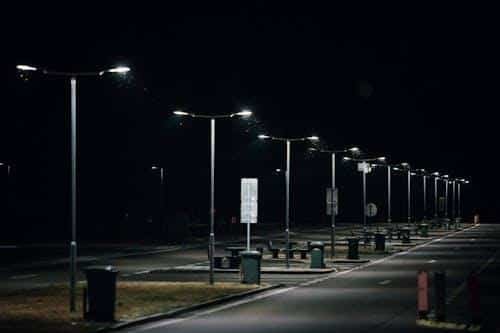
Какие основные типы фотоэлементов используются в наружном освещении?
На международном рынке широко используются три основных типа фотоэлементов: проводные фотоэлементы, фотоэлементы NEMA и фотоэлементы Zhaga. Каждый из них служит определенной цели и предназначен для различных областей применения.
Что такое проводной фотоэлемент?
А фотоэлемент с проводом Устанавливается непосредственно внутри светильника и подключается через внутреннюю проводку. Обычно используется в осветительных приборах OEM-производителей и в проектах с ограниченным бюджетом.
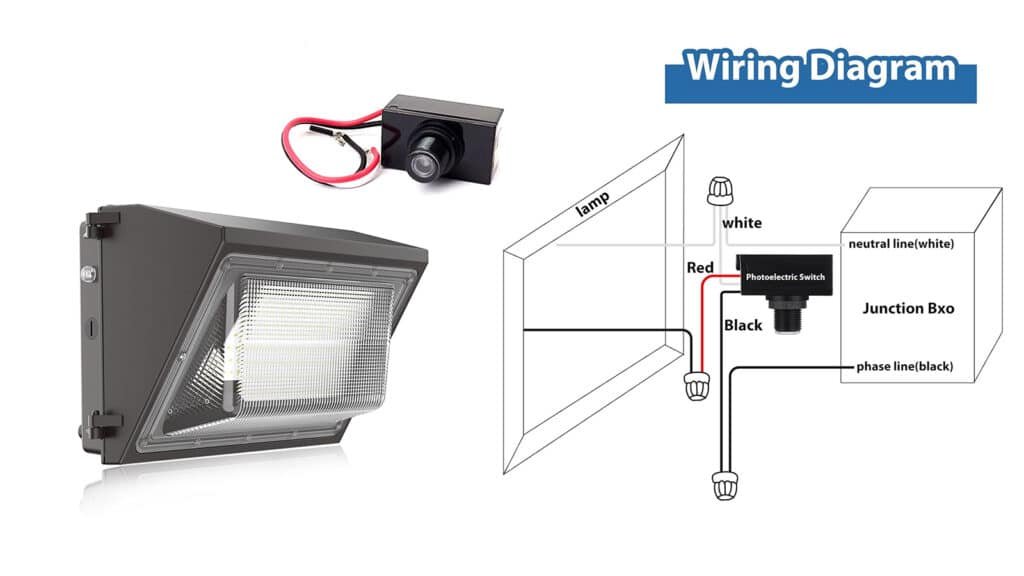
Основные характеристики:
- Встроен в осветительный прибор
- Низкая стоимость и простая конструкция
- Ограниченная гибкость при замене
Этот тип широко используется в системах с проводным подключением фотоэлементов, особенно на развивающихся рынках.
Что такое фотоэлемент NEMA?
А Фотоэлемент NEMA Это внешнее устройство, использующее механизм поворотной блокировки, соответствующий стандартам ANSI. Оно очень популярно в Северной Америке.
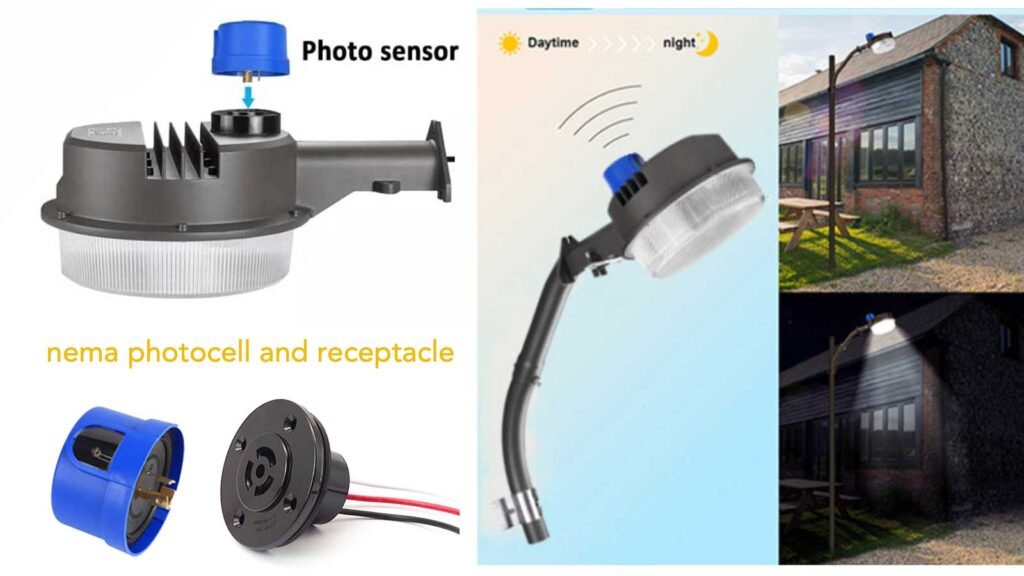
Основные характеристики:
- Установка по принципу «подключи и работай»
- Простая замена и обслуживание
- Доступны в 3-контактном, 5-контактном и 7-контактном исполнении.
При сравнении фотоэлементов NEMA и Zhaga, NEMA выделяется своей простотой и широким распространением.
Что такое фотоэлемент Жага?
А Фотоэлемент Жага Это современное модульное решение для интеллектуальных систем освещения. Оно соответствует стандарту Zhaga Book 18 и постепенно внедряется в Европе.
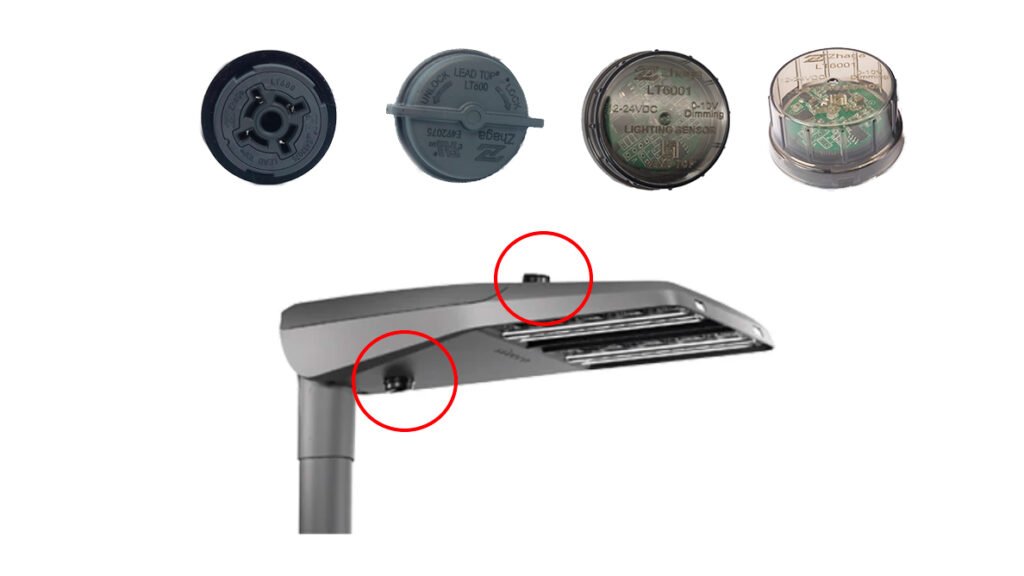
Основные характеристики:
- Компактный и интегрированный дизайн
- Поддерживает Интернет вещей и интеллектуальное управление
- Идеально подходит для систем, ориентированных на будущее.
Фотоэлементы Zhaga приобретают все большее значение в современных системах управления наружным освещением.
В чём заключаются основные технические различия между фотоэлементами с проводным подключением, фотоэлементами стандарта NEMA и фотоэлементами Zhaga?
При сравнении вариантов фотоэлементов с проводным подключением, NEMA и ZHAGA важно понимать технические различия.
Таблица 1: Техническое сравнение типов фотоэлементов
| Особенность | Встроенный фотоэлемент | Фотоэлемент NEMA | Фотоэлемент Жага |
| Способ установки | Внутренняя проводка | Поворотный замок | Модульная розетка |
| Обслуживание | Трудный | Легкий | Очень просто |
| Интеллектуальные возможности | Ограниченный | Средний (7-контактный) | Передовой |
| Уровень затрат | Низкий | Середина | Высокий |
Как методы установки влияют на выбор фотоэлементов?
Выбор правильного типа фотоэлемента играет первостепенную роль при его установке.
- В случае с проводным фотоэлементом требуется внутренняя проводка, что усложняет и ускоряет установку.
- Фотоэлемент стандарта NEMA использует систему поворотной фиксации, что позволяет быстро устанавливать и одновременно оперативно заменять его без использования инструментов.
- Фотоэлемент Zhaga отличается модульной конструкцией, позволяющей подключать его по принципу «подключи и работай», что делает его идеальным решением для современных интеллектуальных систем.
Для проектов, требующих периодического технического обслуживания или реконструкции, решения NEMA и Zhaga являются более практичными.
Какой тип фотоэлементов предпочтительнее на разных мировых рынках?
Региональные стандарты существенно влияют на выбор между проводными, NEMA и фотоэлементами Zhaga.
Рыночные предпочтения:
- Северная Америка: фотоэлементы NEMA доминируют благодаря стандартизации ANSI.
- Европа: Фотоэлементы Zhaga быстро набирают популярность благодаря внедрению в «умных городах».
- Юго-Восточная Азия и Ближний Восток: для проектов с ограниченным бюджетом предпочтительны фотоэлементы с проводным подключением.
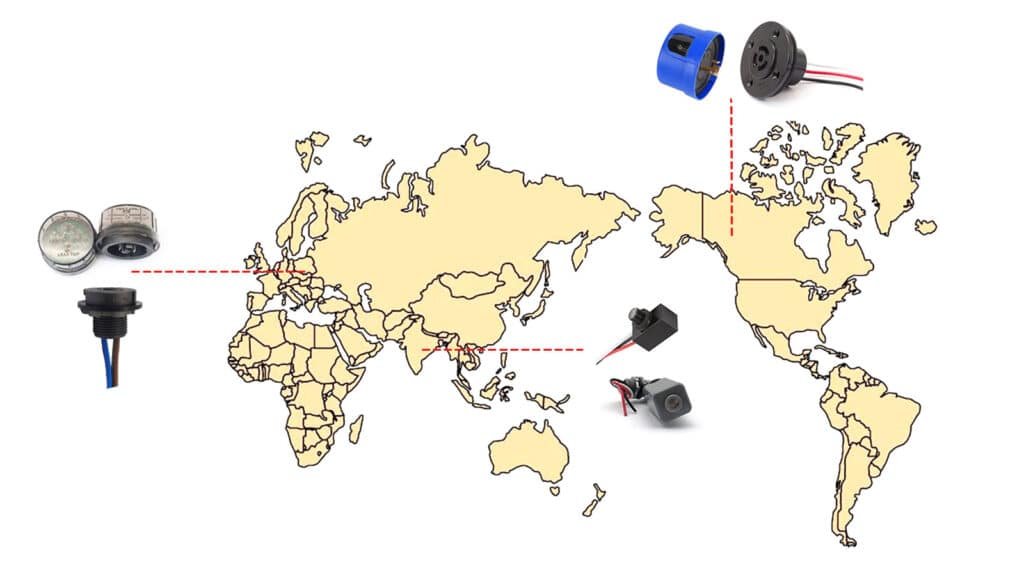
Понимание этих региональных предпочтений помогает обеспечить совместимость и признание на целевых рынках.
Каковы преимущества и недостатки каждого типа фотоэлементов?
Каждый тип фотоэлемента имеет свои уникальные преимущества и ограничения.
Таблица 2: Сравнение преимуществ и недостатков
| Тип | Преимущества | Недостатки |
| Провод-в | Низкая стоимость, компактная конструкция | Сложно заменить |
| НЕМА | Простая установка, стандартизированный | Видимый внешний дизайн |
| Жага | Готовность к интеллектуальным технологиям, компактность, перспективность на будущее. | Более высокая стоимость |
Как требования к интеллектуальному освещению влияют на ваш выбор?
Современные системы освещения все чаще требуют интеллектуальных функций, таких как дистанционный мониторинг, регулировка яркости и анализ данных.
- Фотоэлемент с проводным креплением: ограниченная функциональность интеллектуальных функций.
- Фотоэлемент NEMA: поддерживает интеллектуальное управление в 5-контактном и 7-контактном вариантах.
- Фотоэлемент Zhaga: создан для полной интеллектуальной интеграции.
Если сравнивать фотоэлементы NEMA и Zhaga, то Zhaga предлагает больше инновационных функций, что делает его лучшим выбором для проектов «умного города».
Как выбрать подходящий фотоэлемент для вашего проекта?
Выбор подходящего фотоэлемента зависит от нескольких ключевых факторов:
1. Рыночный стандарт
Выберите тип фотоэлемента, соответствующий региональным требованиям.
2. Тип проекта
- Небольшие проекты → Подключение проводов
- Общественные проекты → NEMA
- Проекты «умного города» → Жага
3. Бюджет
- Низкий бюджет → Проводной вход
- Средний бюджет → NEMA
- Высокий бюджет → Жага
4. Интеллектуальные требования
Если ваш проект требует интеграции с IoT, выберите Zhaga или усовершенствованные модели NEMA.
Актуальна ли сегодня технология проводных фотоэлементов?
Да, применение фотоэлементов с проводным подключением остается чрезвычайно актуальным, особенно в следующих случаях:
- Осветительные приборы OEM
- рынки, чувствительные к затратам
- Простые системы освещения
Встраиваемые фотоэлементы продолжают широко использоваться, несмотря на развитие интеллектуальных технологий, благодаря своей доступности и простоте.
Часто задаваемые вопросы (RFQ)
Какой тип фотоэлемента лучше всего подходит для моего проекта?
Это зависит от вашего рынка. NEMA идеально подходит для Северной Америки, Zhaga — для Европы, а проводное подключение — для регионов с ограниченным бюджетом.
Нужно ли мне решение, готовое к использованию интеллектуальных систем?
Если ваш проект связан с интеллектуальной инфраструктурой, выбирайте фотоэлементы Zhaga или NEMA с 7 контактами.
Устарели ли проволочные фотоэлементы?
Нет, он по-прежнему широко используется в OEM-производителях и в бюджетных проектах.
Заключение: Как выбрать между фотоэлементами с проводным подключением, NEMA и Zhaga?
Выбор между проводными фотоэлементами, фотоэлементами NEMA и фотоэлементами Zhaga зависит от конкретных требований вашего проекта, включая рыночные стандарты, предпочтения при установке, бюджет и желаемый уровень интеллектуальности системы.
- Встраиваемые фотоэлементы идеально подходят для экономичных и интегрированных конструкций.
- Фотоэлементы NEMA обеспечивают удобство в использовании и стандартизацию, особенно в Северной Америке.
- Жага Фотоэлементы открывают прогрессивные возможности для интеллектуальных систем, готовых к будущему.
Для того чтобы покупатели могли принимать более взвешенные, эффективные и перспективные решения в области управления наружным освещением, крайне важно понимать и знать различия между различными вариантами. В конечном итоге, выбор правильного фотоэлемента обеспечивает лучшую производительность, меньшие затраты на техническое обслуживание и долгосрочную надежность.
Если у вас возникнут какие-либо вопросы или опасения по этому поводу, пожалуйста, не стесняйтесь обращаться к нам. связаться с нами; Специалист ответит вам в течение 12 часов, чтобы оказать помощь.


 Russian
  English
  Portuguese (Brazil)
  Spanish
  Dutch
Dutch  Japanese
  Portuguese (Portugal)