導入
世界中の自治体がスマートシティ照明への投資を続けるにつれ、街路灯はもはや単なる照明器具ではなくなりました。現代の照明システムは、エネルギー管理、交通監視、環境センシング、公共の安全、データ駆動型の都市計画などをサポートする、より大規模なコネクテッド照明インフラネットワークの一部になりつつあります。.
今日のスマート街路灯は、中央管理プラットフォームとの通信、無線制御ノードとの連携、適応型調光のサポート、その他の都市インフラシステムとのネットワーク接続が可能となっている。しかしながら、これらの機能は注目すべき運用上の利点をもたらす一方で、新たな課題も生み出している。 サイバーセキュリティ 懸念事項。.
これは重要な疑問を提起する。スマート街路灯はハッキングされる可能性があるのだろうか?
つまり、セキュリティ対策が適切に講じられていない場合、接続されたインフラストラクチャはすべて攻撃の標的となる可能性があるということです。ただし、リスクは照明器具そのものだけにとどまりません。現代の照明システムを機能させるネットワーク、通信モジュール、ソフトウェアプラットフォーム、制御インターフェースといった環境全体がリスクの対象となります。.
これらのリスクを理解することは、大規模なスマート照明制御システムを導入しようとしている都市、請負業者、OEMメーカー、インフラ計画担当者にとって重要です。.

なぜコネクテッド照明は都市部で普及しているのか?
コネクテッド照明インフラの急速な成長は、よりスマートで効率的な都市運営へのニーズによって推進されている。.
従来の街路照明システムは自律的に稼働するため、性能やメンテナンス状況を把握することが困難です。一方、スマート照明ネットワークは、自治体が数千もの照明設備を遠隔で監視・管理することを可能にします。.
主な利点は以下のとおりです。
- エネルギー使用量の削減
- 維持費の削減
- 照明の信頼性向上
- リアルタイムのエラー報告
- 適応型照明制御
- スマートシティプラットフォームとの統合
現在のスマートシティ照明プロジェクトには、以下のようなものが含まれることが多い。
- 無線通信ノード
- 生態センサー
- 交通監視システム
- 公共Wi-Fi機器
- 防犯カメラ
- スマートパーキングシステム
- データ収集装置
表1:従来型照明とコネクテッド照明インフラの比較
| 特徴 | 伝統的な照明 | コネクテッド照明インフラストラクチャ |
| 手動監視 | はい | いいえ |
| リモコン | いいえ | はい |
| エネルギー最適化 | 限定 | 高度な |
| 故障検出 | マニュアル | 自動 |
| スマートシティ統合 | いいえ | はい |
| データ収集 | なし | サポート対象 |
| アダプティブライティング | いいえ | はい |
スマート街路灯は本当にハッキングされる可能性があるのか?
現代の照明システムがデジタル通信技術への依存度を高めていることを考えると、「スマート街路灯はハッキングされる可能性があるのか」という懸念が生じるのも無理はない。.
他のあらゆる接続機器と同様に、適切なセキュリティ対策が実施されていない場合、脆弱性が存在する可能性があります。.
潜在的なリスクには以下が含まれます。
ネットワークの脆弱性
スマート街路灯は、無線または有線ネットワークを介して通信することが多い。通信チャネルのセキュリティ対策が不十分な場合、不正アクセスが発生する可能性がある。.
潜在的な問題点としては、以下のようなものがあります。
- 脆弱な認証システム
- 安全でない無線通信
- 古いファームウェア
- ネットワークセグメンテーションが不十分
デバイスの脆弱性
接続された照明ノードには、電子部品、通信モジュール、およびソフトウェアが含まれています。.
次のような場合にリスクが発生する可能性があります。
- デバイスは頻繁に更新されません
- セキュリティパッチが見落とされている
- ライセンスのないハードウェアがインストールされています
- 互換性のないサードパーティシステムが統合されています
不適切なメンテナンス方法
大きな脅威の一つは、技術そのものではなく、劣悪な運用管理にあることが多い。.
例:
- デフォルトパスワードは変更されません
- サイバーセキュリティガイドラインの欠如
- 管理対象外デバイスのインベントリ
- スタッフの研修不足
なぜインフラの信頼性がこれまで以上に重要になっているのか?
自治体がより大規模なスマート街路灯ネットワークを導入するにつれて、信頼性は機能性と同じくらい重要になってくる。.
都市照明システムは、厳しい生態学的条件下でも長年にわたって中断なく稼働し続ける可能性が高い。.
安全な照明インフラは、以下の機能を提供するべきである。
- 長期にわたる運用ライフサイクル
- 標準化されたインターフェース
- メンテナンスが簡単
- スケーラブルなアーキテクチャ
- 将来のアップグレード能力
信頼性の高いインフラは、運用リスクを軽減すると同時に、将来のスマートシティ拡張を支える。.
目的は、耐用年数全体を通して安全で、保守しやすく、適応性の高いインフラを構築することである。.
スマート照明インターフェースがそれほど重要な理由とは?
サイバーセキュリティについて議論する際、多くの人々はソフトウェアプラットフォームと通信ネットワークに焦点を当てる。.
しかし、物理インターフェース層も同様に不可欠である。.
構成要素としては以下のようなものがあります。
- ANSI C136.41 コンセント
- ザガ書 18 コネクタ
- スマートノード
- 照明制御装置
- 通信モジュール
現代の照明制御インフラの物理的基盤を構築する。.
標準化されたインターフェースには、いくつかの利点があります。
互換性の向上
標準インターフェースにより、異なるメーカーの機器間の連携が容易になる。.
メンテナンスが容易
専門家であれば、照明システム全体を変更することなく、部品を交換することができます。.
将来的な拡張性
自治体は、照明器具全体を交換することなく、技術をアップグレードすることができる。.
ライフサイクル管理の改善
モジュール式システムは、長期的なインフラ計画を簡素化する。.
そのため、スマートシティの導入においては、ANSI C136.41レセプタクルやZhaga Book 18といった規格が次第に一般的になりつつある。.
都市はどのようにしてより安全な照明インフラを構築できるのか?
安全な導入ポリシーには、技術面と業務プロセス面の両方が含まれます。.
重要な推奨事項は以下のとおりです。
標準化
定評のある規格を使用することで、互換性が向上し、統合リスクが軽減されます。.
例:
- ANSI C136.41
- ANSI C136.10
- ザガ書 18
- DALI通信システム
標準化されたシステムは、メンテナンスと将来の技術革新を効率化する。.
モジュール式建築
モジュール式システムでは、ネットワーク全体を再構築することなく、個々のコンポーネントを交換することが可能です。.
利点は次のとおりです:
- より迅速な修理
- 維持費の削減
- より容易な技術アップグレード
- 簡略化された運用上の障害
ライフサイクル管理
セキュリティは一度きりの仕事ではない。.
自治体は以下を実施すべきである。
- ファームウェア更新の手法
- 資産追跡システム
- 定期健診
- パフォーマンス監視
拡張可能なインフラストラクチャ
将来のスマートな自治体は、引き続き以下のものを持ち込むだろう。
- センサー
- AIプラットフォーム
- 交通システム
- 生態学的モニタリング
- スマートユーティリティサービス
表2:安全なスマート照明インフラストラクチャの主要要素
| セキュリティ要因 | 重要性 |
| 標準化されたインターフェース | 互換性とメンテナンス性を向上させます |
| モジュール設計 | アップグレードと修理を簡素化します |
| ファームウェア管理 | 脆弱性の対処に役立ちます |
| 安全な通信 | ネットワークトラフィックを保護します |
| ライフサイクルプランニング | 長期的な信頼性をサポートします |
| 資産監視 | 視認性と制御性を向上させる |
| オープンスタンダード | ベンダーロックインを軽減する |
将来のインフラを支えるスマート照明接続ソリューションとは?
信頼性の高い接続コンポーネントは、現代のスマート照明制御システムにおいて極めて重要な役割を果たします。.
LT605-7 スマートコンセント

対象者:
- スマート照明ネットワーク
- スマート都市プロジェクト
- 照明ノードの展開
- 市街地の幹線道路システム
主な利点は以下のとおりです。
- ANSI C136.41との互換性
- スマートノードのサポート
- モジュール式設置
- アップグレードの柔軟性
LT600 Zhagaコネクタ + LT6002センサー
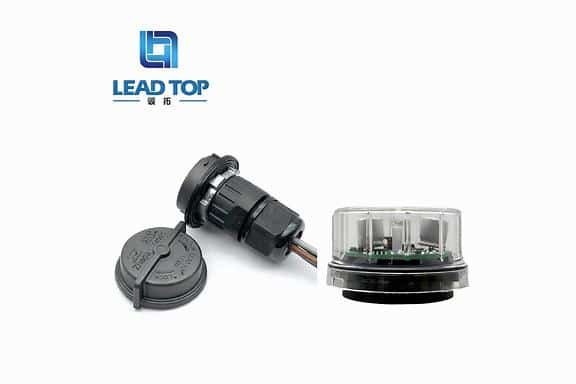
こんな方に最適です:
- 欧州のスマートシティプロジェクト
- センサーベースのインフラストラクチャ
- 適応型照明システム
- 都市圏のつながり
メリットは以下のとおりです。
- ジャガ書18 同意
- コンパクトなデザイン
- センサー組み込み能力
- スマート対応アーキテクチャ
安全なスマートシティの未来像とは?
コネクテッド照明インフラの可能性は、照明分野にとどまらない。.
進化する技術には以下が含まれます。
人工知能
AIシステムは、以下の最適化に役立ちます。
- 交通の流れ
- エネルギー使用量
- メンテナンススケジュール
- インフラストラクチャのパフォーマンス
エッジコンピューティング
データ処理を発生源に近い場所で行うことで、以下の点が改善されます。
- 応答速度
- ネットワークに関する知識
- システムの信頼性
分散型センサーネットワーク
照明インフラは、現代の自治体における最大規模のセンサーネットワークの一つとなる可能性がある。.
潜在的な用途としては以下のようなものがある。
- 生態学的モニタリング
- 空気質測定
- 交通分析
- 公共安全支援
- インフラストラクチャ診断
デジタル都市プラットフォーム
将来の自治体は、以下のような要素を組み合わせた統合システムにますます依存するようになるでしょう。
- 照明
- 輸送
- ユーティリティ
- コミュニケーション
- 公共サービス
安全で標準化されたインフラは、こうした相互接続された環境を支える上で不可欠となるだろう。.
結論
スマートシティ照明の普及が進むにつれ、サイバーセキュリティ、信頼性、保守性は、計画策定において中心的な重要性を持つようになる必要がある。.
現代のスマート照明制御システムは、照明器具やセンサーだけに頼っているわけではありません。安全で拡張性の高いインフラストラクチャを支える上で、標準規格に基づいたインターフェース、モジュール式のアーキテクチャ、そして信頼性の高い接続コンポーネントが重要な役割を果たします。.
自治体は、オープンスタンダードを採用し、適切なライフサイクル管理を実施し、信頼性の高い照明制御技術を選択することで、コネクテッド照明インフラのメリットを最大限に引き出しつつ、リスクを軽減することができる。.
CTA:
接触 リードトップ 都市、高速道路、スマートシティのインフラプロジェクト向けに、安全で信頼性が高く、将来を見据えたスマート照明制御ソリューションに関する専門的なアドバイスを提供します。.
参考文献:
- https://simple.wikipedia.org/wiki/Cybersecurity
- https://en.wikipedia.org/wiki/Zhaga_Consortium
- https://leaditop.com/product/customizable-upgraded-models-highly-waterproof-zhaga-socket-lt600/
- https://leaditop.com/product/customizable-upgraded-models-ip68-highly-waterproof-zhaga-socket-lt600-2/
- https://leaditop.com/product-2/
- https://leaditop.com/product/0-10v-dali-dimming-street-light-control-receptacle-lt605-7-pin-with-bracket/




 English
 Portuguese (Brazil)
 Spanish
 Russian
 Dutch
Dutch Japanese
 Portuguese (Portugal)