導入
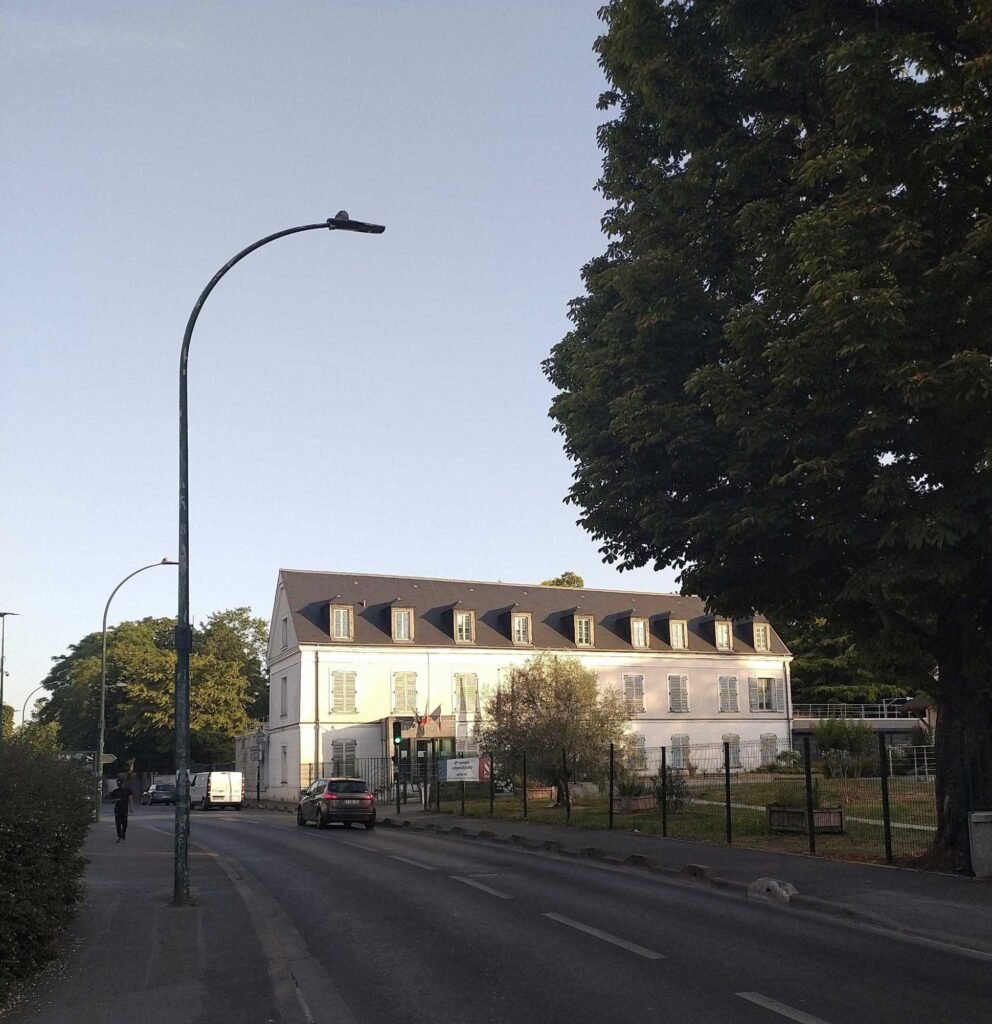
フランスのセヴラン市は、ヨーロッパでも特に興味深い自治体照明契約の一つを締結した。これは7年間のMGPE(大規模電力供給事業者)による性能契約だ。長々とした説明だが、その詳細が重要となる。.
このプロジェクトは市内全域の6,234か所の照明設備を対象としており、そのうち3,404か所の従来型照明器具をLED照明に交換する。さらに、108か所の電気キャビネットも近代化される予定だ。.
この契約には、遠隔監視と自動故障検出機能も盛り込まれている。これは、フランスの標準的な街路照明プロジェクトには通常含まれていない機能だ。.
これが重要な理由を説明しましょう。これは、市が電球を交換して完了とするような、単なるLED街路灯プロジェクトではありません。これは、設置日だけでなく、7年間を通して請負業者が性能に責任を負う、ライフサイクルベースの都市照明管理への転換点なのです。.
その違いを詳しく見ていくことは重要だ。なぜなら、それはヨーロッパにおける街路照明の近代化がどのような方向に向かっているかを示しているからだ。.

課題:従来の自治体照明プロジェクトが今日のニーズを満たせなくなった理由
ほとんどの自治体の照明プロジェクトは、依然として古いパターンを踏襲している。市はまず1つの業者に新しい照明器具の設置を依頼し、その後、多くの場合数年後に別の業者にメンテナンスを依頼する。これらは別々の契約であり、それぞれ個別に交渉され、インセンティブも別々に設定されている。.
この分断が深刻な問題を引き起こします。設置業者は照明が設置された時点で報酬を受け取ります。その後何が起ころうとも、彼らの責任ではありません。保守契約が存在する場合でも、それは事後対応型になりがちです。照明が故障すると、誰かがそれを報告し、最終的に作業員が派遣されます。このサイクルは、システムが稼働している限り繰り返されます。.
大規模なネットワークでは、この問題はさらに深刻化する。数千もの照明設備がある都市では、すべての電柱を定期的に点検するために職員を派遣することは現実的に不可能だ。ネットワークが十分に大きくなると、手動による監視はもはや通用しなくなる。.
老朽化したインフラは、さらに厄介な問題を引き起こす。古い設備やキャビネットは経年劣化とともに故障しやすくなり、使用頻度に変化がなくても、メンテナンスの頻度は時間とともに着実に増加する。.
さらに、ほとんどの都市では、照明ネットワークが実際にどのように機能しているかを正確に把握できていない。エネルギー消費量の数値は、ほとんどが推定値であり、実際のデータではない。.
これらの問題を総合すると、本来よりもコストがかかり、故障も頻繁に発生し、市の職員が必要とする情報よりも役に立たないシステムになってしまう。セブラン氏の新しい契約構造は、まさにこのギャップを埋めるために設計されたものだ。.
フランスの新たなアプローチ:成果報酬型照明契約
セブランの契約は全く異なる形態をとっている。設置と保守を別々の契約に分けるのではなく、すべてを一つの長期契約にまとめているのだ。.
LEDの近代化
この計画の範囲は、まずLED照明への近代化から始まります。3,404個の照明器具をLEDに交換することで、他の自治体照明管理プロジェクトと同様に、エネルギー消費量を即座に削減できます。.
長期メンテナンス
長期保守は契約に明記されています。新システムの導入を担当したチームが、初期導入後も引き続きシステムの運用維持を担当します。.
予防保守
予防保守も契約内容に含まれています。故障が発生するのを待つのではなく、契約構造上、問題が全面的なシステム停止に発展する前に早期に発見することを目指しています。.
リモート監視
遠隔監視はこれらすべてを統合します。センサーと接続された制御システムがデータを中央プラットフォームに送信するため、ネットワークが特定の時点でどのように動作しているかを正確に把握できます。.
自動故障検出
自動故障検知は、まさにそのデータ層を基盤としています。住民が暗い通りについて通報するのを待つのではなく、システムが自ら問題を検出し、多くの場合、誰かが気づく前に警告を発します。.
性能保証
性能保証はこれらすべてを裏付けています。請負業者は単に機器を設置することを約束するだけでなく、契約期間全体にわたって、定められたレベルの信頼性でシステムを稼働させ続けることを約束しているのです。.
まさにこれが、ヨーロッパの多くの自治体が、単純な単発調達ではなく、長期的なサービス契約へと移行している理由である。.
長期プロジェクトにおいて、信頼性の高い照明制御コンポーネントが重要な理由
セブラン社のような7年間の運用契約において、部品の信頼性はあれば良いというものではありません。それは契約の性能保証の基盤となるものです。数千本の電柱で同じ箇所に故障が繰り返されると、たちまち莫大な保守負担へと発展します。.
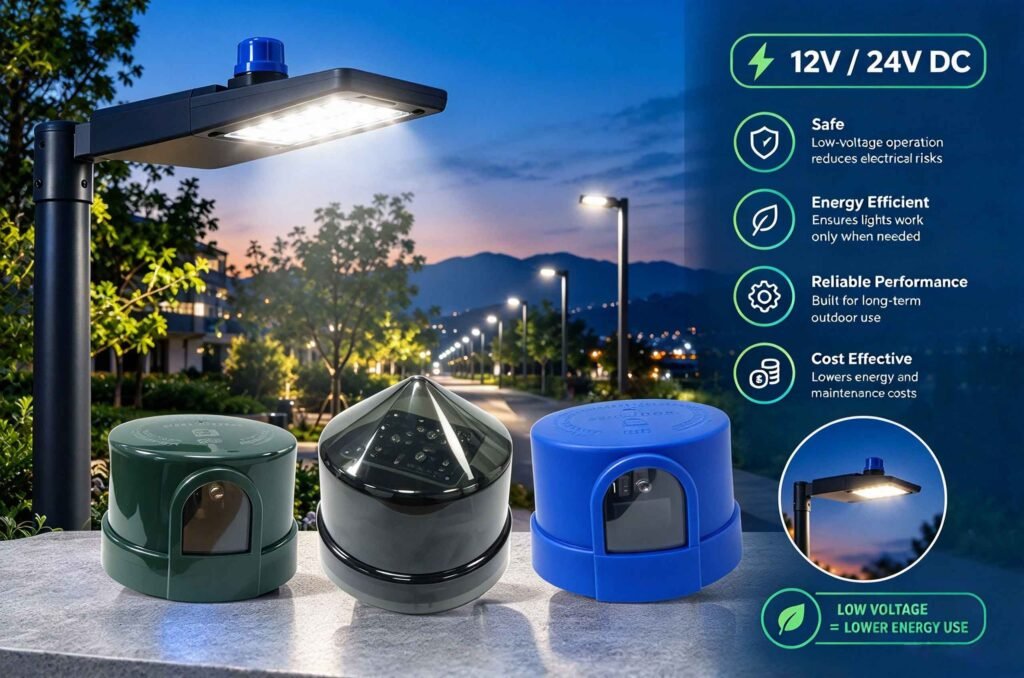
ここで、信頼性の高い光制御装置の出番となる。.
優れた光制御剤は、安価な代替品よりも長持ちし、故障頻度も低いため、メンテナンスの回数を減らすことができます。.
スイッチングの精度も同様に重要です。適切なタイミングで照明を点灯・消灯する光制御装置は、正しく動作する限り、毎日エネルギーを節約します。.
信頼性の高いコンポーネントは、遠隔照明システムも適切にサポートします。標準化されたインターフェースに基づいて構築された光制御装置は、正確なステータス情報を提供し、自動的な故障検出を可能にします。.
システムの長寿命化も、このソリューションの利点の一つです。長寿命の光制御装置は、機器の交換頻度を低減します。これにより、契約全体のコスト削減につながります。.
推奨鉛トップ製品
セブラン社のような長期プロジェクト構造では、信頼性と遠隔管理機能の両方が長年の運用において重要となるため、2つの構成要素は自然に適合する。.

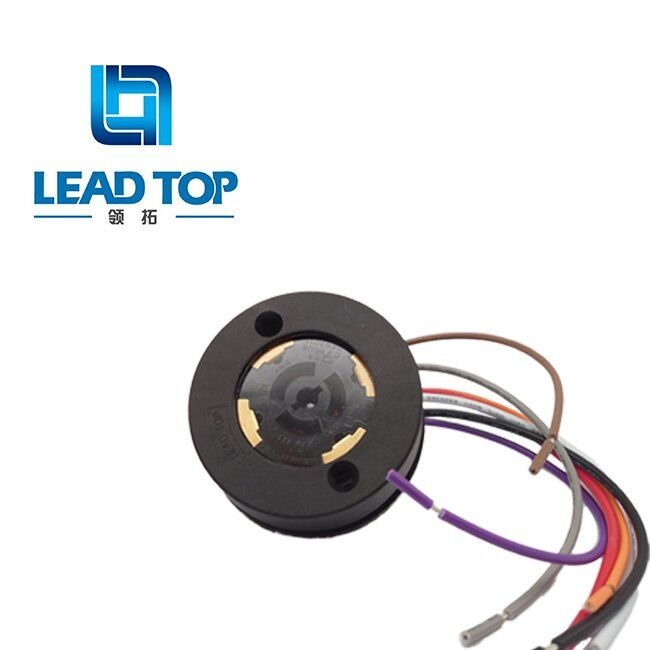
| 製品 | 標準 | 主なメリット |
| LT154 ANSI C136.41 調光フォトコントロール | ANSI C136.41 | スマート街路照明に対応:スマート照明ノード、調光、集中管理 |
| LT605R ANSI C136.41 7ピンレセプタクル | ANSI C136.41 | インテリジェント照明制御や将来のスマートシティへのアップグレードを容易に統合できます。 |
このようなANSI C136.41規格の光制御ハードウェアを選択することで、都市は標準化された基盤を得ることができ、今日のスマートな光制御ニーズをサポートしつつ、将来のスマートシティ照明機能にも対応できる余地が生まれます。.
自治体照明に関する意思決定者にとっての重要なポイント
セヴランのプロジェクトは、今後街路照明インフラの改修を計画するあらゆる都市にとって、いくつかの明確な教訓を与えてくれる。.
照明器具の交換だけにとどまらず、より広い視野で考えてみましょう。LEDへの切り替えは重要ですが、それは都市照明のライフサイクル全体にわたるメンテナンスアプローチの一要素に過ぎません。.
初期購入価格よりもライフサイクルコストを優先しましょう。安価な器具は早期に故障すると、少し高価でも耐久性の高い器具よりも7年間で遥かに高いコストがかかる可能性があります。.
最初からスマート対応コンポーネントを選択してください。標準化されたインターフェース ANSI C136.41は、都市が既存のインフラを撤去することなく、後から遠隔監視機能や調光機能を追加できるようにするものです。.
将来の拡張を支えるインフラを構築しましょう。パフォーマンス契約とリモート照明管理を中心に設計されたネットワークは、将来的に本格的なスマートシティ照明システムへと容易に拡張できます。.
よくある質問
市町村の街路照明に関する性能契約とは何ですか?
これは長期契約であり、請負業者が照明ネットワークの設置、保守、および継続的な性能を、数年間にわたって保証された信頼性で担当するものです。.
なぜヨーロッパの都市は長期照明管理契約を採用しているのか?
なぜなら、それらはインセンティブを適切に調整するからです。長年にわたる実績に責任を負う請負業者は、最初から耐久性と信頼性に優れた部品を設置する強い動機を持っています。.
どのように スマートな写真制御 メンテナンスコストを削減できますか?
故障頻度が少なく、切り替え精度が高く、遠隔で自身の状態を報告できるため、不要な現場訪問や緊急修理を削減できる。.
利点は何ですか ANSI C136.41 光制御 自治体の照明プロジェクトにおいて?
これらの照明器具は標準化されたソケットインターフェースを採用しているため、都市部では照明器具全体を交換することなく、後から調光機能や遠隔監視機能などのアップグレードが可能となる。.
自治体は、将来のスマートシティへのアップグレードに向けて、現在の照明システムをどのように準備すればよいのでしょうか?
標準化されたスマート対応の制御コンポーネントを今選択することで、将来的にシステム全体を再構築することなく、ネットワークが新たな監視機能や管理機能をサポートできるようになります。.
CTA
自治体のLEDプロジェクト向けの信頼性の高い照明制御ソリューションをお探しですか?Lead-TopのANSI C136.41フォトコントロール製品群をご覧ください。, ジャガ エネルギー効率の向上、メンテナンスの簡素化、そして次世代のインテリジェント街路照明をサポートするために設計された、18種類のセンサーとスマート照明アクセサリーをご紹介します。お客様のプロジェクトに最適なソリューションを見つけるために、ぜひ当社チームにご相談ください。.
参考文献:
- https://leaditop.com/product/twist-lock-photoelectric-switch-lt154e-photocell-sensor/
- https://en.wikipedia.org/wiki/Zhaga_Consortium
- https://leaditop.com/product/7-pin-smart-photoelectric-switch-matching-dimming-receptacle-twist-lock-automatic-street-light-controller/
- https://en.wikipedia.org/wiki/American_National_Standards_Institute


 English
 Portuguese (Brazil)
 Spanish
 Russian
 Dutch
Dutch Japanese
 Portuguese (Portugal)