導入
急速な都市化、エネルギー消費量の増加、交通渋滞、環境問題、そして公共サービスへの需要の高まりといった要因により、政府は自治体の運営方法を見直すことを余儀なくされており、これらの要因すべてによって、自治体は前例のない困難に直面している。.
この変革により、照明、交通、公共サービス、通信ネットワーク、公共サービスがデジタル技術を通じて連携する、新世代のスマートインフラが構築されつつある。.
この革命における最も重要な基盤の一つは、スマート照明のエコシステムです。現代の照明システムは、単に照明を提供するだけでなく、センサー、通信プラットフォーム、そして運用制御ポイントとして機能し、より広範な都市管理目標を支援します。.
自治体がデジタル化への取り組みを継続する中で、屋外照明用光電センサー、屋外照明用光電センサー、高度な照明制御システムといった技術は、将来の都市開発において重要な要素となりつつある。.

インフラがインテリジェント化しているのはなぜか?
現代の自治体は、毎日膨大な量の情報を生成している。.
交通状況は刻々と変化する。.
エネルギー需要は一日を通して変動する。.
天候状況は輸送と公共の安全に影響を与える。.
インフラ資産は、継続的な監視と保守管理が必要です。.
旧式のインフラは、こうした変化する状況に動的に対応する能力に欠けている。.
スマートインフラストラクチャは、以下の要素を取り入れることでこの問題を解決します。
- センサー
- 通信ネットワーク
- クラウドプラットフォーム
- 人工知能
- 自動制御システム
これにより、自治体は事後対応型の管理から、事前対応型の意思決定へと移行することが可能になる。.
従来型インフラとスマートインフラ
| 特徴 | 従来のインフラ | スマートインフラストラクチャ |
| 手術 | マニュアル | 自動化 |
| データ収集 | 限定 | 連続 |
| メンテナンス | 反応性 | 予測 |
| エネルギー管理 | 固定スケジュール | 動的最適化 |
| 監視 | 現地調査 | リモート監視 |
| スケーラビリティ | 限定 | 高い拡張性 |
都市型IoTを通じて、インフラ資産は情報共有や都市全体の意思決定支援に長けた接続型デバイスへと変化する。.
システムは自律的に機能するのではなく、より大きなインテリジェントネットワークの一部となる。.
これが現代のコネクテッドシティの基盤である。.
屋外照明がスマートシティの基盤となる理由とは?
都市部のあらゆる資産の中でも、照明システムには際立った利点が一つあります。
それらは今や至る所に存在する。.
街灯は、道路、高速道路、庭園、駐車場、工業地帯、住宅地、公共の場所などを照らしている。.
照明ネットワークは既に広範囲に普及しているため、スマートテクノロジーを配置するための理想的なプラットフォームとなる。.
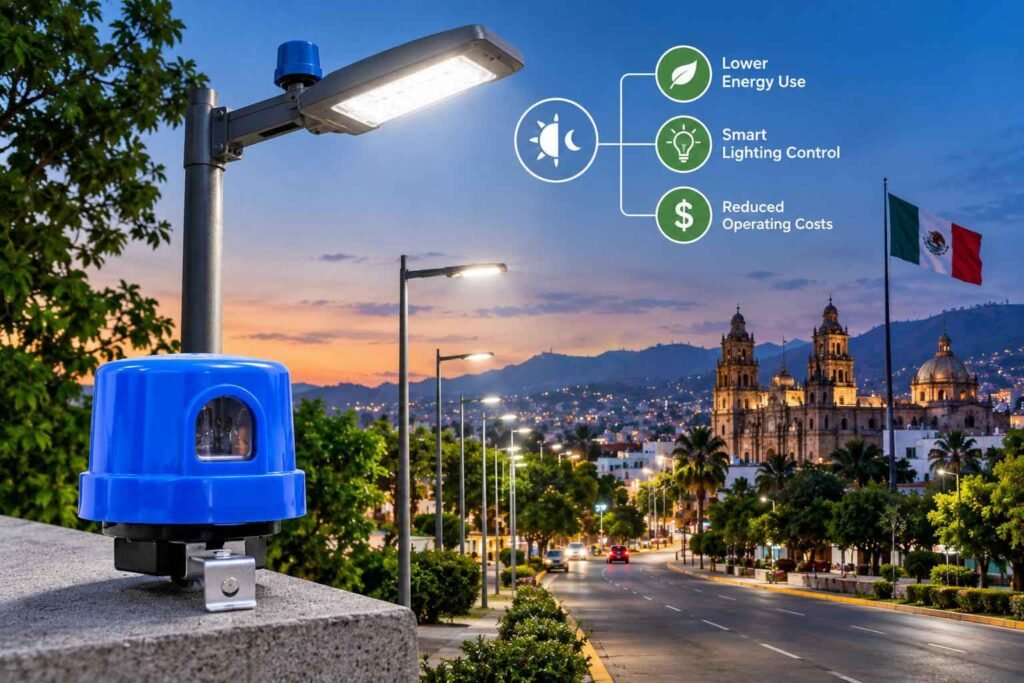
屋外照明用の現代的な光電セルは、単なるスイッチングデバイス以上の役割を果たすことができる。それは、都市全体のスマートインフラプラットフォームの一部となり得るのだ。.
利点は次のとおりです:
- 既存の電源接続
- 広範囲にわたる地理的範囲
- ノンストップ運転
- センサーとの容易な統合
- 費用対効果の高い導入
そのため、屋外照明における光電セル技術は、単なる照明器具ではなく、戦略的なインフラ投資としてますます注目されるようになっている。.
スマートセンサーは都市システムをどのように接続するのか?
スマートシティはデータに依存している。.
センサーがなければ、自治体は賢明な意思決定に必要な情報を収集することができない。.
ここで、フォトワイヤーセンサーシステムや照明用光電セルセンサーソリューションといった技術が重要になってくる。.
最新のセンサー搭載型照明インフラは、以下の機能をサポートできます。
- 環境光モニタリング
- エネルギー使用量の追跡
- 機器の状態報告
- 故障検知
- 交通監視
- 生態学的センシング
スマート照明センサーの一般的な機能
| センサー機能 | 都市の恩恵 |
| 環境光検出 | 自動照明制御 |
| 障害監視 | より迅速なメンテナンス対応 |
| エネルギー測定 | 電気料金の削減 |
| 環境センシング | 大気質モニタリング |
| 交通分析 | 交通計画の改善 |
| 遠隔診断 | メンテナンスコストの低減 |
センサー技術の進歩に伴い、照明ネットワークは都市自動化システムにおいてますます重要な構成要素となっている。.
都市はなぜ信頼性の高い照明制御ネットワークを必要とするのか?
照明システムは、都市における最大のエネルギー消費源の一つである。.
わずかな非効率性でも、相当な運用コストにつながる可能性がある。.
信頼性の高い照明制御ネットワークは、自治体が以下のことを実現するのに役立ちます。
エネルギー最適化
スマート照明システムは、環境条件に基づいて自動的に動作を調整する。.
これにより、公共の安全を維持しながら、不必要なエネルギー消費を削減できる。.
メンテナンスコストの削減
遠隔監視により、保守チームは故障が発生する前に問題を特定することができる。.
これにより、修理費用とサービスの中断が減少します。.
インフラストラクチャのスケーラビリティ
自治体が拡大するにつれて、標準化された照明制御システムによって、拡張がより容易かつ費用対効果の高いものになる。.
運用信頼性
高度な光制御システムは、スイッチング精度を向上させ、誤作動を低減します。.
地域によってスマート照明の普及はどのように左右されるのか?
ヨーロッパ
欧州の自治体は、引き続き野心的な二酸化炭素排出量削減目標と持続可能性目標の達成を目指している。.
多くの都市が、単純なLED照明への改修から、完全に接続された照明システムへと移行しつつある。.
中東
大規模なスマートシティプロジェクトでは、より広範なデジタルインフラ構想の一環として、スマート照明ネットワークの統合がますます進んでいる。.
ラテンアメリカ
都市の近代化計画は、エネルギー効率と公共の安全性を向上させる、信頼性が高く費用対効果の高い照明制御システムへの需要を高めている。.
スマート照明ソリューションは、都市開発のさまざまな段階をどのようにサポートするのか?
エントリーレベルのスマート改修ソリューション
推奨組み合わせ:
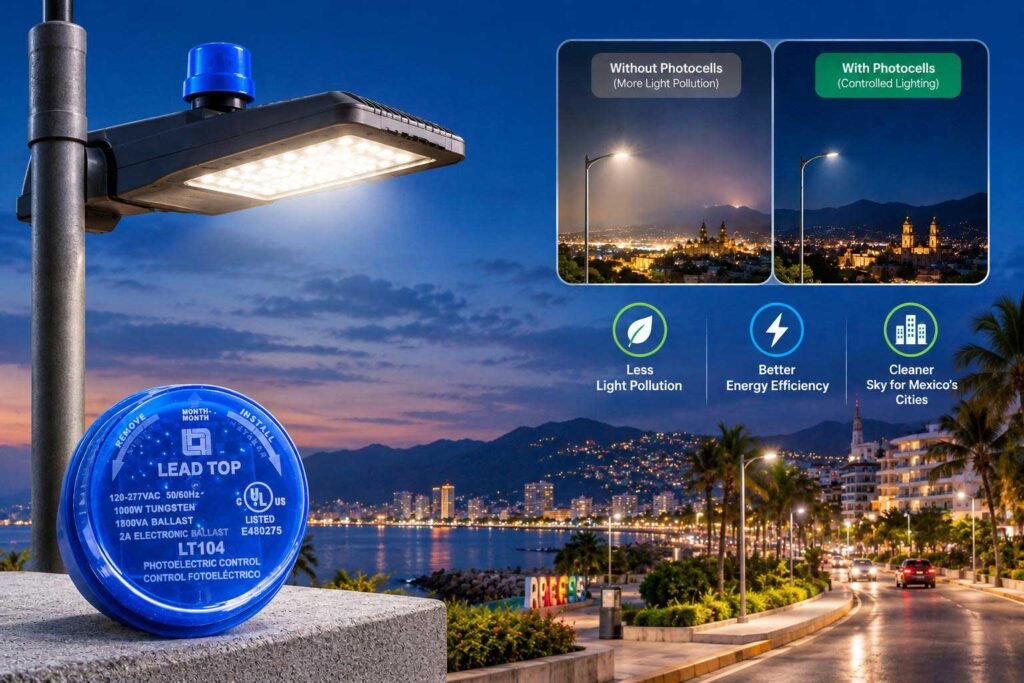
LT104 低コスト電子式光制御装置 + LT645 / LT645B NEMA 取付用レセプタクル
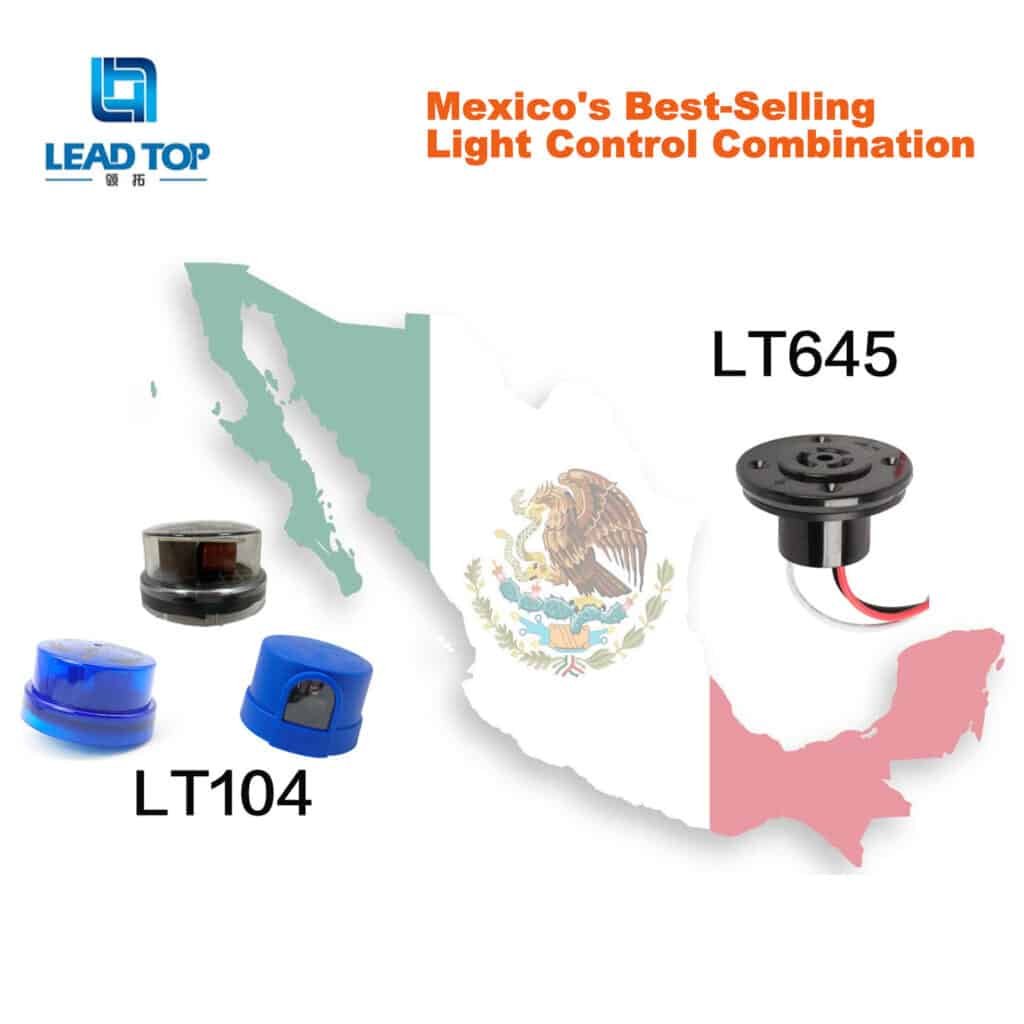
最適な用途
- LED改修プロジェクト
- 南米の都市
- 予算を意識したインフラ整備の進展
利点
- 費用対効果の高い導入
- 信頼性の高いスイッチング性能
- 簡単なインストール
- ANSI規格準拠設計
標準的なスマート道路ソリューション
推奨組み合わせ:
LT124 ツイストロック式光制御 + LT605 ANSI C136.41 レセプタクル
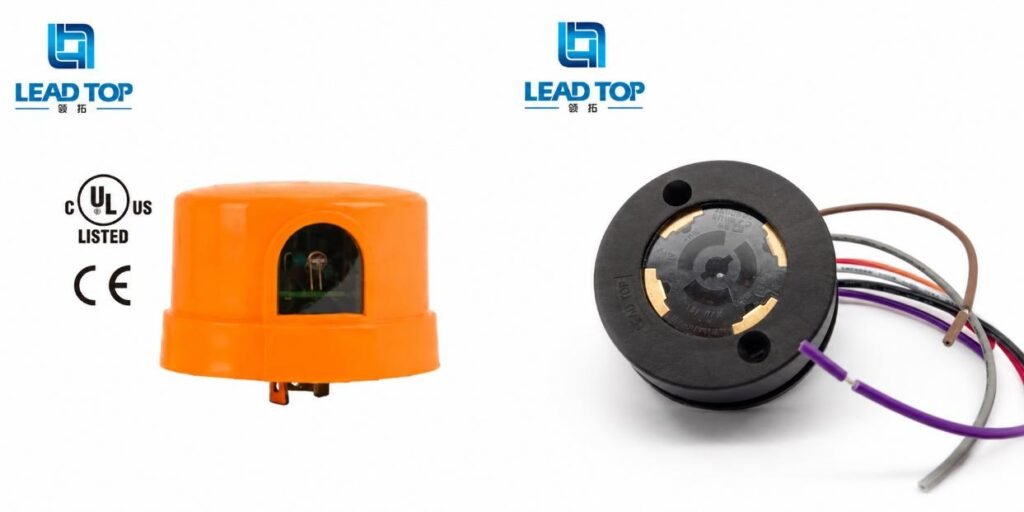
最適な用途
- 公共道路システム
- 高速道路照明
- 標準的なインフラストラクチャの位置付け
利点
- LED互換性
- サージ防御
- 標準化されたインターフェース
- 長期的な信頼性
高信頼性都市照明ソリューション
推奨組み合わせ:
LT134 長寿命ツイストロック式光制御 + LT605R 回転式レセプタクル
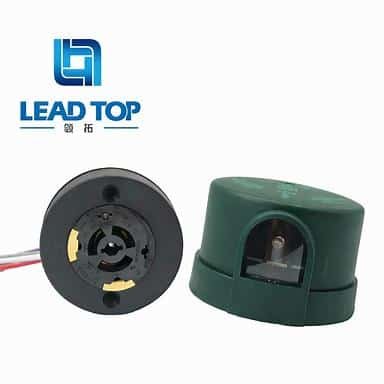
最適な用途
- 工業地域
- 駐車場
- 維持管理コストの高い環境
利点
- 長期にわたる運用ライフサイクル
- 高い突入電流容量
- 柔軟な設置
- メンテナンス頻度の短縮
未来のスマートシティ照明ソリューション
推奨組み合わせ:
LT600 Zhaga Book 18 コネクタ + LT6002 DALIコントローラー
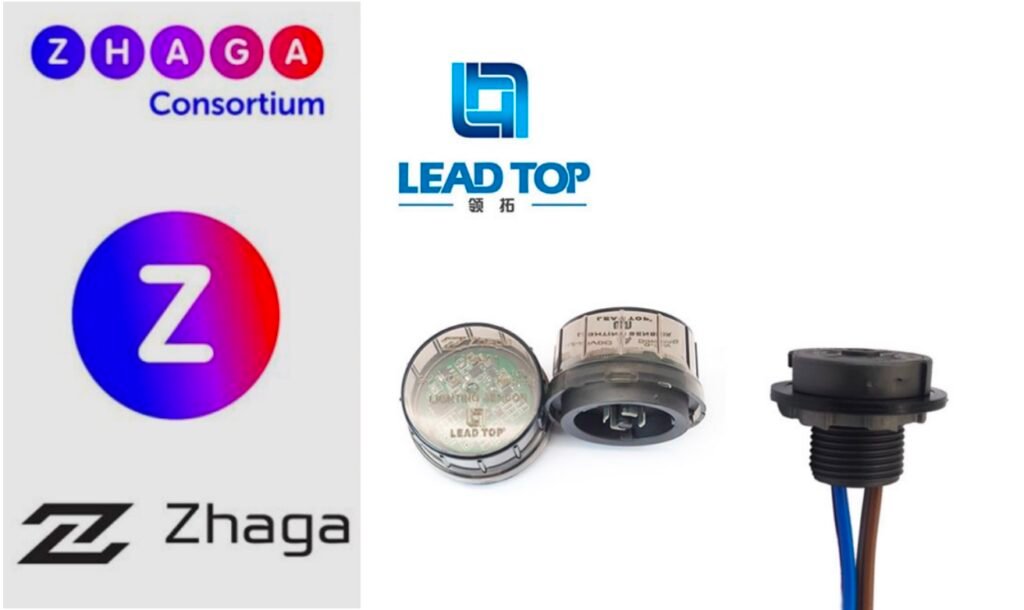
最適な用途
- 欧州のスマートシティプロジェクト
- 適応型照明システム
- スマートポールポジショニング
利点
- ジャガ書18 同意
- DALI統合
- IoT対応
- 将来の発展における柔軟性
都市照明インフラはどのように進化しているのか?
都市照明はこれまで何度か大規模な改修工事を経てきた。.
ステージ1:伝統的な照明
街灯はほとんど自動化されずに自律的に作動していた。.
ステージ2:LED照明への改修
自治体はエネルギー消費量を削減するため、非効率な照明技術をLEDに置き換えた。.
ステージ3:コネクテッドライティング
照明システムはネットワーク化され、遠隔操作が可能になった。.
ステージ4:AI対応インフラストラクチャ
照明ネットワークは、より広範な都市運営を支援する能力を備えたスマートインフラプラットフォームへと進化しつつある。.
将来の照明システムには、以下のような機能が統合される可能性があります。
- 生態センサー
- 通信モジュール
- 電気自動車充電インフラ
- 公共Wi-Fi
- 交通監視装置
- 緊急対応システム
スマートシティには、よりスマートなインフラパートナーが必要な理由とは?
スマートシティプロジェクトはますます複雑化しているため、インフラ整備に特化した照明専門家はプロジェクトの成功を保証する上で重要な役割を担っている。.
Lead-Top社は、現代の都市インフラの要件を支える照明制御技術の開発に重点を置いています。.
そのソリューションは以下のとおりです。
- スマート光制御システム
- ANSI C136.10 解答
- ANSI C136.41 スマート対応インターフェース
- Zhaga Book 18 接続性
- OEMカスタマイズ機能
- 長寿命の屋外制御技術
これらの機能は、都市、OEMメーカー、照明設備インテグレーターが将来のインフラ需要に備えるのに役立ちます。
結論:
自治体が自動化、AI、デジタル変革を取り入れるにつれ、照明システムは今日利用可能な最も重要なインフラプラットフォームの一つとして進化を遂げている。.
基本的な照明から、完全に接続された都市環境へと移行するためには、屋外照明用光電セル、屋外照明用光電セル、光電線センサー、適応型照明、都市型IoT、スマート照明エコシステムソリューションといった技術が重要となる。.
スマート照明は、エネルギー最適化、予知保全、公共の安全、そして将来のスマートシティ革新を支える、デジタルインフラの重要なレイヤーになりつつあります。もはや単に照明をオンオフするだけの技術ではありません。.
行動喚起(CTA)
スマートフォトセルを探索する, 、ジャガLead-Topは、将来のスマートシティインフラに対応した、互換性のあるスマート照明制御ソリューションを提供しています。LED照明への改修、高速道路照明のアップグレード、スマートポールポジショニング、コネクテッドシティプロジェクトなど、どのような計画であっても、Lead-Topは長期的な信頼性、エネルギー効率、そしてスマートな都市開発をサポートする拡張性の高いソリューションを提供します。.
参考文献:
- http://xn--https-ix3b//leaditop.com/product/lt104-conical-shell-12-48v-120-240v-twist-lock-photocontrollers-for-outdoor-landscape-barn-lighting/
- https://leaditop.com/product/ip66-ansi-c136-41-nema-3-pintwist-lock-photocell-socket-ip66-ultra-thin/
- https://leaditop.com/product/photo-electric-light-control-switch-120vac/
- https://leaditop.com/product/360-degree-rotation-nema-5-pin-360-degree-rotation-ansic136-41-nema-5-pin-twist-lock-photocell-connector/
- https://leaditop.com/product/outdoor-automatic-daylight-sensor-switch-for-led-light/
- https://leaditop.com/product/customizable-upgraded-models-ip68-highly-waterproof-zhaga-socket-lt600-2/
- https://en.wikipedia.org/wiki/American_National_Standards_Institute
- https://en.wikipedia.org/wiki/Zhaga_Consortium



 Japanese
  English
  Portuguese (Brazil)
  Spanish
  Russian
  Dutch
Dutch  Portuguese (Portugal)