導入
スマートポールは、現代の都市開発を象徴する最も身近な存在の一つとなっている。ヨーロッパ、北米、中東、ラテンアメリカなど世界各地の都市は、公共サービスの向上、エネルギー効率の改善、都市管理の強化を目指し、コネクテッドインフラへの投資を積極的に行っている。.

人々がスマートポールについて考えるとき、通常は次のような先進技術を思い浮かべます。
- 高解像度監視カメラ
- 生態系モニタリングセンサー
- 公共 WiFiネットワーク
- 5G小型セル通信機器
- 電気自動車充電ステーション
- 緊急通信システム
あらゆる設置成功の裏には、スマートポール部品、照明インターフェース、コンセント、コントローラー、通信接続など、システム全体を支えるネットワークが存在する。.
これらの基礎的な要素がなければ、最も先進的なスマートポール技術でさえ、効率的に動作したり、存続したり、将来の発展を支えたりすることは困難になるだろう。.
最新のスマートポールには何が内蔵されているのか?
現代のスマートポールは、単なる街灯以上の存在だ。.
これは、様々な技術を瞬時にサポートできる多機能インフラプラットフォームとして機能する。.
スマートポールの代表的なサブシステム
| スマートポールコンポーネント | 主要機能 |
| LED街路灯 | 道路照明と省エネルギー |
| 交通監視システム | 車両と歩行者の分析 |
| 環境センサー | 大気質と気象のモニタリング |
| 公共Wi-Fi機器 | インターネット接続 |
| 5Gスモールセル | 無線通信のサポート |
| 電気自動車充電ステーション | 電気自動車の充電 |
| 緊急通信システム | 公共の安全支援 |
| スマートコントローラー | システム管理と自動化 |
これらのシステムは、電源、通信経路、設置構造、中央管理プラットフォームなどを共有することが多い。.
カメラやセンサーは注目を集める一方で、これらのシステムを接続、管理、保守、アップグレードする能力は、信頼できる接続インフラストラクチャに大きく依存している。.
ここで、革新的なスマートポール照明制御技術が重要になってくる。.
なぜ接続性が電柱そのものよりも重要なのか?
多くの自治体は、当初はスマートポールプロジェクトの目に見える側面に着目する。.
質問はよく以下のような内容に集中します。
- ポール外観
- カメラの仕様
- センサー機能
- 通信技術
これらの要素は不可欠だが、プロジェクトの長期的な成功は、目に見えにくいもの、つまり接続性と互換性にかかっている。.
自治体は、現在効率的に機能するスマートポールを何千本も設置するかもしれない。しかし、技術は急速に進化する。.
今後5年から10年以内に、都市は以下のようなものを追加したいと考えるかもしれない。
- 新しいセンサー
- 最新の無線技術
- 追加の通信モジュール
- AIを活用した監視システム
- 革新的な照明制御
既存のインフラに柔軟性が欠けている場合、高架化工事は費用がかさみ、複雑になる。.
これが、多くの都市計画担当者が段階的に順位付けする理由です。
- 標準化されたインターフェース
- モジュール式建築
- 交換可能な部品
- 将来の互換性
インターフェース層は、インフラストラクチャが15年から20年間有益であり続けるかどうかを左右することが多い。.
照明制御がスマートポールインフラの基盤となる理由とは?
センサーや通信機器がいくつ設置されていても、照明システムは依然として中心的な運用機能である。.
このため、スマート照明制御システムは、スマートポール設計において最も重要な機能の一つとなる。.
照明制御は以下をサポートします。
- 自動運転
- エネルギー管理
- スケジュールされたスイッチング
- 適応照明
- 調光制御
- リモート監視
現代の自治体は、変化する状況にスマートに対応できる照明システムをますます求めるようになっている。.
例:
- 交通量の少ない時間帯は照明レベルを下げます
- 緊急時の照明強化
- 気候に基づいた動的なグレア調整
- 省エネ夜間運転
スマート街路灯向けの信頼性の高い光制御装置は、メンテナンスの必要性を最小限に抑えつつ、これらの機能が常に動作することを保証します。.
信頼性の高い照明制御がなければ、スマートポールは現代のインフラに期待される省エネルギー効果や運用効率を実現できない。.
ANSI C136.41規格のコンセントは、将来のアップグレードをどのように可能にするのでしょうか?
スマート照明インフラにおける最も重要な進歩の一つは、標準化されたインターフェースの普及である。.
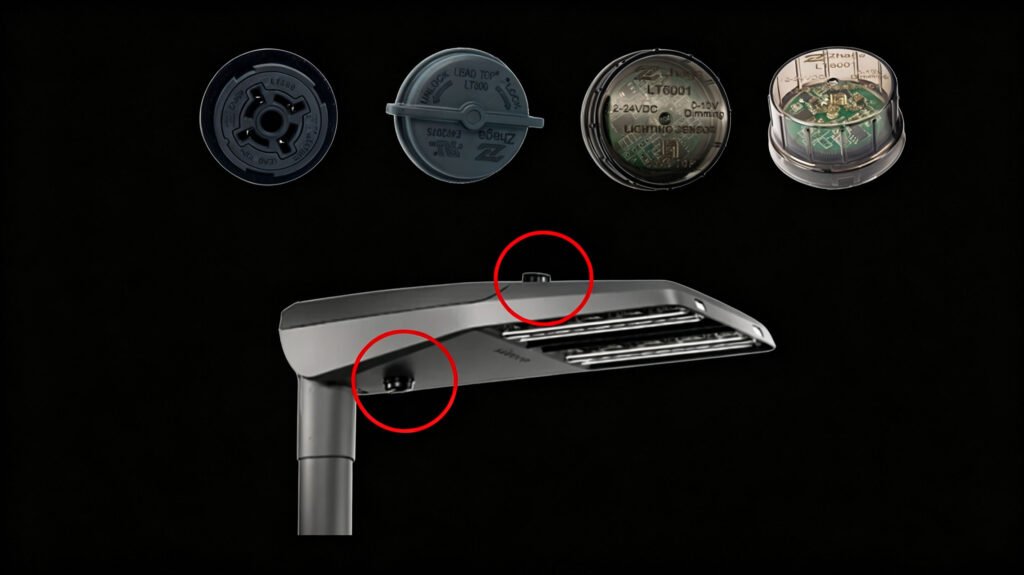
これらの規格の中でも、ANSI C136.41規格のコンセントは、スマート対応の街路照明システム向けのソリューションとして広く認知されている。.
この規格は以下をサポートします。
- スマートノード
- 無線通信モジュール
- 調光システム
- 遠隔監視装置
- センサー統合
新しい技術が登場するたびに照明器具全体を再設計するのではなく、都市は最初からスマート対応のコンセントを設置すればよい。.
このアプローチにはいくつかの利点があります。
利点 ANSI C136.41 インターフェース
| 特徴 | 利点 |
| 標準化された接続性 | 複数のメーカーに対応 |
| スマートノードとの互換性 | 接続されたシステムの導入が容易になる |
| 将来的な拡張性 | 将来の技術をサポートする |
| メンテナンスの簡素化 | 部品交換の迅速化 |
| アップグレード費用を削減 | インフラ投資を保護する |
今日では、高度な制御機能がすぐに導入されない場合でも、多くの都市でスマート対応のインターフェースが求められている。.
この先進的な戦略は、インフラの柔軟性を向上させながら、将来のアップグレードコストを削減するのに役立ちます。.
自治体プロジェクトにおいて、交換可能な部品が重要な理由とは?
都市インフラは今後長年にわたって機能することが期待される。.
家電製品とは異なり、都市照明システムは過酷な屋外環境下でも信頼性を維持しなければならない。.
自治体の購買担当者は、多くの場合、以下の基準に基づいて製品を評価します。
- ライフサイクルコスト
- メンテナンス頻度
- 交換の簡便性
- 長期にわたる互換性
旧式の統合型照明システムは、1つの故障で照明器具全体を交換する必要が生じる可能性があるため、問題を引き起こす可能性がある。.
現代のモジュール式システムは、異なるアプローチを提供する。.
専門家は、ユニット全体を交換する代わりに、個々の照明制御部品を迅速かつ効率的に交換することができる。.
利点は次のとおりです:
- 簡略化された維持費
- より迅速な修理
- 在庫要件の軽減
- システム稼働時間の向上
- 拡張性の向上
これが、モジュール式のスマート照明アーキテクチャが世界中のスマートシティプロジェクトでますます受け入れられるようになっている理由の一つです。.
自治体プロジェクトには、どのスマート照明構成が推奨されますか?
推奨組み合わせ
LT134 長寿命ツイストロック式光制御 + LT655 光制御ランプホルダー

最適なアプリケーション
- 市街地道路照明
- スマート対応の街路照明
- 駐車場照明
- インフラ近代化プロジェクト
この組み合わせは、従来の照明プロジェクトと将来のスマートインフラの発展の両方をサポートする。.
なぜこの組み合わせが効果的なのか?
長寿命
LT134は、長期間の稼働性能を実現するように設計されており、メンテナンス頻度と運用コストの削減に貢献します。.
現場での交換が容易
ツイストロック式構造により、照明器具全体を分解することなく、迅速な交換が可能です。.
ANSI C136.10 互換性
このシステムは、広く受け入れられている自治体の照明基準に準拠しています。.
高いサージ耐性
屋外環境では、電気的な乱れが頻繁に発生します。高いサージ保護性能は、信頼性を向上させ、接続機器を保護します。.
将来的なアップグレードの可能性
このシステムは、自治体のニーズの変化に応じて、より先進的なスマート街路照明制御システムへの実用的な道筋を提供する。.
スマートポール部品を選定する際に、都市はどのような点に注目すべきでしょうか?
スマートポールに使用する適切な部品を選ぶには、慎重な評価が必要です。.
以下の基準はますます重要になってきている。.
互換性
スマートインフラストラクチャは、以下のような広く受け入れられている規格をサポートする必要があります。
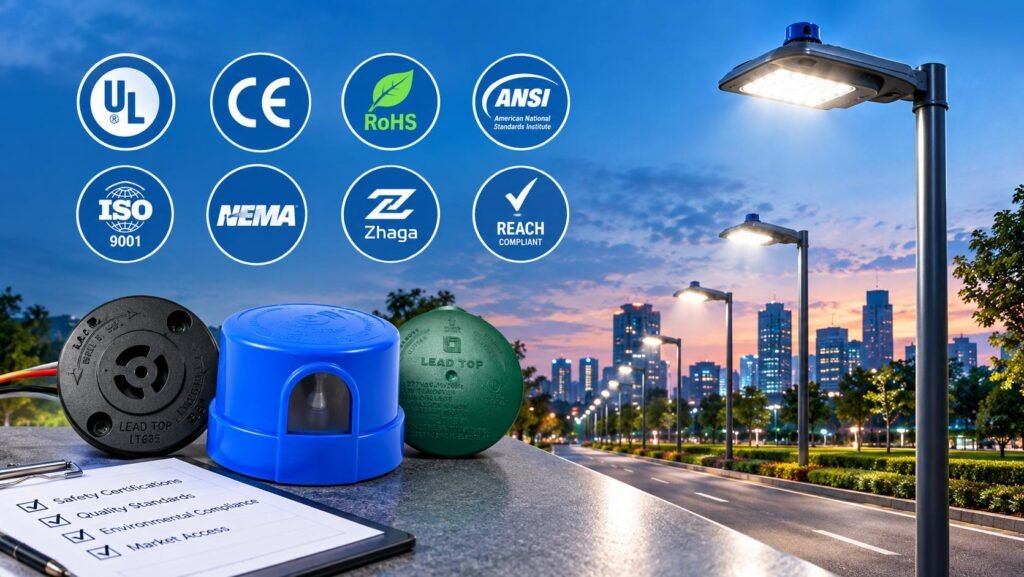
- ANSI C136.10
- ANSI C136.41
- ザガ書 18
信頼性
屋外インフラは以下の条件を満たす必要がある:
- 雨
- 降雪
- ダート
- 紫外線への曝露
- 極端な気温
アップグレード可能性
自治体は、完全な交換を必要とせずに将来の技術をサポートできるシステムを優先的に導入すべきである。.
メンテナンスの簡便性
インフラは、専門家が迅速かつ効率的に修理を行えるように整備されるべきである。.
スケーラビリティ
コンポーネントは、数百または数千の照明ポイントにわたる展開をサポートしつつ、一定の性能を維持する必要があります。.
これらの要素は、スマート照明アプリケーションやその他の接続ソリューション向けのANSIレセプタクルを評価する際に重要です。.
結論:スマートポールを成功させる真の要因とは?
スマートポールはスマートシティの最も目に見えるシンボルの一つかもしれないが、その成功はカメラ、Wi-Fi、センサーといったものだけにとどまらない。.
舞台裏に隠されたインフラは、信頼性の高い運用、保守能力、そして将来の成長を可能にする上で重要な役割を果たしている。.
信頼性の高いスマートポール部品、革新的なスマート照明制御システム、標準化されたインターフェース、そして長期にわたる接続ソリューションにより、スマートポールは何十年にもわたって価値ある資産であり続けることが保証されます。.
スマートシティプロジェクトが世界的に拡大し続けるにつれ、未来はスマートポールだけでなく、それらを適応性、拡張性、そして将来性を備えたものにするスマートインフラコンポーネントにも属するようになるだろう。.
リードトップ ANSI規格の光電制御装置、スマートコンセント、および照明接続ソリューションを専門としており、自治体の街路照明、スマートポールインフラ、および屋外照明プロジェクト向けに設計されています。.
参考文献:
- https://en.wikipedia.org/wiki/Wi-Fi
- https://blog.ansi.org/ansi/ansi-c136-roadway-lighting-standards/
- https://leaditop.com/product/outdoor-automatic-daylight-sensor-switch-for-led-light/
- https://leaditop.com/product/outdoor-twilight-switch-photocell-sensor-switch-photocell-daylight-sensor-switch-dusk-to-dawn-sensor-switch/
- https://leaditop.com/product-2/



 English
 Portuguese (Brazil)
 Spanish
 Russian
 Dutch
Dutch Japanese
 Portuguese (Portugal)