都市照明は新たな時代に突入しようとしている。数十年間、都市は日没時に点灯し、夜明けに消灯するだけの街灯の設置に重点を置いてきた。次の大きな転換点はLEDへの改修であり、これによりエネルギー消費量と維持費が大幅に削減された。しかし今日、自治体は基本的なレベルを超えてさらに前進しようとしている。 導かれた 技術の進歩と、現実世界の状況にリアルタイムで対応できるスマート照明システムの導入。.
最も注目すべき例の1つは、エバートン・スタジアム近くのリバプールの交通状況適応型照明イニシアチブです。セキュリティの向上、エネルギー使用の最適化、将来を見据えた都市インフラの構築のために、このプロジェクトは、現代の自治体が交通状況適応型照明、スマート街路照明、IoT街路照明技術をどのように活用しているかを示しています。.
適応型照明は、世界中の自治体が公共サービスの向上を図りながら二酸化炭素排出量を削減しようとしているため、現代のスマートシティ照明インフラにおいて最も重要な技術開発の一つになりつつある。.

リバプールが英国初の大型交通適応型照明システムを導入する理由とは?
リバプールのプロジェクトは、都市照明技術の進化における重要な節目となるものだ。.
エバートン・スタジアム周辺に設置されたこの照明ネットワークは、交通状況の変化に応じて、接続されたLED照明器具と、眩しさを調整する高度な機能を備えたスマート監視システムを組み合わせている。.
リアルタイム交通監視が重要な理由とは?
旧式の街路灯は、実際の道路利用状況に関係なく、一定の出力で点灯する。.
ただし、交通量は昼夜を問わず大きく変動する。.
例えば:
- ラッシュアワーの時間帯は交通量が非常に多くなります。.
- 深夜帯は、車両の通行量が少ないことが多い。.
- 特別なイベントは一時的な交通量の急増を引き起こす。.
- 天候状況は視界要件に影響を与える。.
自動輝度調整はどのように機能するのですか?
ロボットによる照明レベルの調整を行うために、適応型照明システムは交通センサー、通信ネットワーク、および中央管理プラットフォームを利用します。.
交通量が増加すると:
- 照度レベルが上昇する。.
- 視認性が向上する。.
- セキュリティが強化されました。.
交通量が減少すると:
- 光出力が低下します。.
- エネルギー使用量が減少する。.
- 運営コストが削減される。.
長期的な省エネルギーが重要な理由とは?
リバプールのこのプロジェクトは、10年間で約301トンのエネルギー節約効果を生み出すと見込まれている。.
数千もの照明設備を管理する都市にとって、たとえわずかな技術向上であっても、相当な費用削減につながる可能性がある。.
なぜ適応型照明はLED街路照明の次の進化形になりつつあるのか?
従来の照明からLEDへの移行は、近代的な照明インフラの第一段階を表していた。.
次の段階は、適応型道路照明です。.
ダイナミック輝度制御とは何ですか?
動的な輝度制御により、照明システムは実際の需要に基づいて照明レベルを調整できます。.
夜間を通して最大の眩しさを維持するのではなく、適応型システムでは以下の機能を提供します。
- より高い熟練度
- 資源利用効率の向上
- エネルギー使用量の削減
- 炭素排出量の要約
イベントベースの照明管理は、都市運営をどのように改善するのか?
現代の自治体では、以下のようなイベントが頻繁に開催されています。
- スポーツイベント
- コンサート
- フェスティバル
- 公開会議
こうした機会は、歩行者と車両の交通量の一時的な増加を引き起こすことが多い。.
適応型照明システムは、これらの状況にロボットのように反応し、必要に応じて照明を改善し、その後は常に通常の作業レベルに戻ります。.
適応型照明はなぜ安全性を向上させるのか?
道路の安全は、視認性に大きく依存している。.
適応型システムは、以下の方法で安全性を向上させます。
- 活動が活発な時間帯には照明を明るくする
- 歩行者の移動を支援する
- ドライバーの意識向上
- 事故リスクの低減
このため、スマート街路照明は現代の交通インフラにおいて重要な構成要素となっている。.
スマート光制御が適応型照明ネットワークにおいて重要な役割を果たす理由とは?
LED照明器具は優れた照明性能を提供する一方で、スマート制御システムは適応的な機能を実現する。.
ここで、高度な光制御技術が重要になってくる。.
調光機能が必要な理由とは?
適応型照明には、単純なオン/オフ切り替え以上のものが必要だ。.
現代のシステムは以下をサポートする必要があります。
- 可変照明レベル
- 激しい調整
- エネルギー最適化
- スマートスケジューリング
ANSI C136.41光電制御規格は、これらの機能を実現するための効果的な基盤を提供する。.
センサー統合が重要な理由とは?
適応型照明は、以下のデータに依存します。
- 交通センサー
- モーションセンサー
- 生態センサー
- スマートシティプラットフォーム
制御コンポーネントは、これらのシステムと照明ネットワーク間の通信をサポートする必要があります。.
遠隔コミュニケーションが不可欠な理由とは?
自治体運営者は、照明管理を集中管理方式にすることを好む傾向が強まっている。.
遠隔通信によって以下のことが可能になる:
- 実際のモニタリング
- パフォーマンス分析
- 故障診断
- 運用最適化
これにより、維持管理コストが削減されるとともに、システムの信頼性が向上します。.
Lead-Top社のどの製品がスマート適応型照明システムに対応していますか?
LT154 ANSI C136.41 ツイストロック調光フォトコントロール
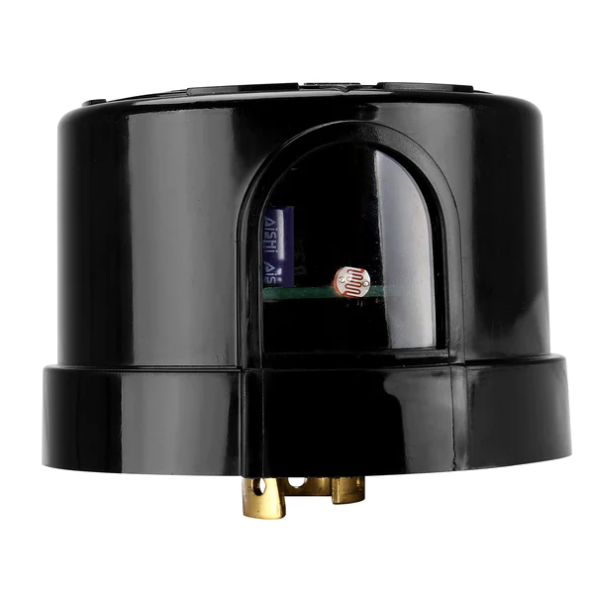
主な特徴は以下のとおりです。
- 調光対応
- LED互換性
- スマート対応アーキテクチャ
- 屋外での信頼性の高い性能
LT605R-7PIN 回転式ANSI C136.41レセプタクル

利点は次のとおりです:
- 柔軟な設置
- コミュニケーション支援
- スマートノードとの互換性
- メンテナンスの簡素化
LT635-7PIN 工具不要回転式レセプタクル

利点は次のとおりです:
- 迅速なインストール
- 安価な労働力の要件
- スマートコントロールとの互換性
- 長期にわたる信頼性
表1:適応型照明ネットワークの主要構成要素
| 成分 | 主要機能 | スマート照明のメリット |
| LT154 ANSI C136.41 光制御 | 調光と制御 | 適応型輝度管理 |
| LT605R-7PINレセプタクル | 通信インターフェース | スマートノード接続 |
| LT635-7PINレセプタクル | 工具不要の取り付け | メンテナンスの迅速化 |
| 交通センサー | 車両検知 | リアルタイム照明調整 |
| 中央管理プラットフォーム | ネットワーク監視 | システム全体の最適化 |
ANSI C136.41がスマート照明の標準規格になりつつある理由とは?
ANSI C136.41が重要な理由とは?
ANSI C136.41は、以下の機能をサポートする標準化されたインターフェースを提供します。
- スマートノード
- 調光システム
- 無線通信
- 将来の進歩
ワイヤレス通信をどのようにサポートするのですか?
無線制御システムは、現代のスマート照明制御システムの導入において重要な役割を担うようになっている。.
ANSI C136.41は、以下の規格との統合を容易にします。
- セルラーネットワーク
- RFメッシュシステム
- IoT プラットフォーム
- スマートシティアプリケーション
標準化によって将来のアップグレードが簡素化されるのはなぜか?
自治体はインフラの近代化をゆっくりと進めることが多い。.
標準化されたインターフェースにより、都市は以下のことが可能になります。
- 照明設備を段階的にアップグレードする
- 新しい技術は後から追加できます
- メンテナンス手順を効率化する
- インフラストラクチャのライフサイクルを延長する
適応型照明の次は?
適応型照明は注目すべき進歩を示すものだが、将来の発展はすでに始まっている。.
AIは交通量予測をどのように改善するのか?
人工知能は以下を評価できる:
- 過去の交通データ
- 気象状況
- イベントスケジュール
- 輸送パターン
これにより、交通状況の変化に先立って、予測に基づいた照明調整が可能になります。.
スマートポールが重要な理由とは?
将来のスマートポールインフラは、以下の要素を組み合わせる可能性があります。
- 照明
- センサー
- カメラ
- 通信機器
- 生態学的モニタリング
これらのシステムは、照明設備を多機能な都市インフラプラットフォームへと変換する。.
都市全体のIoTインフラは、業務運営をどのように変えるのか?
完全なIoT街路照明ネットワークは、以下の機能をサポートできます。
- 予測メンテナンス
- エネルギー分析
- トラフィック最適化
- 都市計画イニシアチブ
照明ネットワークは、より広範なスマートシティ環境の一部として徐々に取り込まれつつある。.
表2:従来型照明と交通状況適応型照明の比較
| 特徴 | 伝統的な照明 | 交通状況に応じた照明 |
| 明るさ調整 | 固定出力 | 動的調整 |
| エネルギー効率 | 適度 | 高い |
| 交通対応 | なし | リアルタイム |
| 監視 | マニュアル | リモート |
| メンテナンス | 反応性 | 予測 |
| コミュニケーション | 限定 | IoT対応 |
| 将来的な拡張性 | 低い | 高い |
結論
現実世界の状況に対応できるスマートインフラとして、リバプールの交通状況適応型照明プロジェクトは、自治体が従来のLED技術の進歩を超えて、さらに前進していることを示す好例と言えるでしょう。.
都市は、交通適応型照明、スマート街路照明、スマート照明制御システム、IoT街路照明技術を統合することで、セキュリティの向上、運営コストの削減、持続可能性目標の支援を同時に実現できます。.
都市環境がますます相互接続されるようになるにつれ、適応型照明はスマートシティ照明ネットワークの進化において重要な役割を果たすでしょう。スマート光制御装置、標準化されたANSI C136.41光制御装置インターフェース、および革新的な通信システムの導入は、自治体が拡張可能で将来を見据えたインフラを構築するのに役立ちます。.
よくある質問
交通状況に応じた照明システムとは?
実際の交通状況、歩行者の活動、および生態学的要因に基づいて、交通状況適応型照明はグレアレベルをロボットで自動的に調整します。.
適応型照明はどれくらいのエネルギーを節約できるのか?
適応型照明システムは、固定出力照明と比較して、設置状況に応じて20%から40%以上エネルギー消費量を削減できます。.
スマート街路照明システムに必要な構成要素は何ですか?
一般的なシステムには、スマート光制御装置、ANSI C136.41規格のコンセント、通信ノード、交通センサー、管理ソフトウェア、LED照明器具などが含まれます。.
CTA
Lead-Topは、スマート対応の光電制御装置、ANSI C136.41規格準拠のコンセント、そして適応型高速道路照明や将来のスマートシティプロジェクト向けのスマート照明接続ソリューションを提供しています。次世代屋外照明インフラ向けの信頼性の高いコンポーネントについては、ぜひ当社までお問い合わせください。.




 English
 Portuguese (Brazil)
 Spanish
 Russian
 Dutch
Dutch Japanese
 Portuguese (Portugal)