info@leaditop.com

メッセージを残す

+86 13391004727

専門家に相談する

暖色系LEDと寒色系LEDの街路灯:ノーフォークの照明改修から世界中の都市が学べること

目次

Why Did Norfolk Pause Its LED Street Light Upgrade?

Across the world, cities are spending comprehensively in LED Street Light Retrofit projects to decrease energy usage, lower upkeep costs, and improve public security. Though, Norfolk’s current decision to pause and reevaluate portions of its 導かれた transformation program shows that successful illumination projects involve more than simply substituting old fixtures with LEDs.

With almost 9,000 by now upgraded, Norfolk planned to modernize over 30,000 street lights. Some people raised apprehensions regarding illumination levels, glare, and general visual comfort While the project delivered energy proficiency benefits.

The reaction of the public highlights a growing concern in contemporary metropolitan planning: residents are not only concerned about energy savings solely but also about how illumination affects their daily life, health, security, and vicinity appearance.

Norfolk experience offers valuable lessons about balancing proficiency with community anticipations, as municipalities continue spending in Smart Photocell technologies and advanced outdoor illumination systems.

スマートフォトセル

Why Is Color Temperature Becoming a Major Topic in Municipal Lighting?

One of the most imperative discussions surrounding current street illumination is color temperature.

Color temperature is measured in Kelvin (K) and influences how light appears to the human eye.

色温度AppearanceCommon Applications
2200K–2700KWarm amber-whiteParks, residential streets
3000KWarm whiteUrban roadways
4000KNeutral whiteCommercial districts
5000K–6500KCool whiteHigh-visibility roadways

Traditionally, many metropolises selected cool white LEDs as they offer strong visibility and high lumen output.

Though, latest studies and public opinion have encouraged municipalities to reevaluate whether brighter always means better.

This debate has led to rising interest in Warm LED Street Lights as a more balanced solution.

What Is the Difference Between Warm LED Street Lights and Cool White LED Street Lighting?

The discussion between Warm LED Street Lights and Cool White LED Street Lighting is all about visibility, comfort, ecological influence, and public approval.

Warm LED Street Lights

Warm LEDs typically work between 2200K and 3000K and produce a softer amber-white appearance.

Benefits contain:

  • Abridged glare
  • Better visual comfort
  • Lower blue light emanations
  • Improved residential reception
  • Reduced sky glow

Cool White LED Street Lighting

Cool LEDs usually run between 4000K and 6500K.

メリットは以下のとおりです。

  • Greater perceived glare
  • Strong highway visibility
  • Better object recognition
  • Effective lighting of high-traffic areas

Challenges may contain:

  • Increased glare
  • More light pollution
  • Potential interruption of circadian rhythms
  • More public objections in domestic areas

How Does Color Temperature Affect Human Health and Well-Being?

Because of the increasing popularity of Human Centric Lighting principles municipalities are now compelled to reconsider their illumination strategies.

Human-centric lighting focuses on designing illumination systems that support human well-being, and natural biological rhythms.

Recent Studies proposes that undue blue-rich illumination exposure at night may influence:

  • Sleep quality
  • Circadian rhythm regulation
  • Visual comfort
  • Perceived well-being

Though road visibility remains a primacy, cities progressively seek solutions that balance care with human health considerations.

This shift explains why many municipalities now require warmer color temperatures for domiciliary streets while reserving cooler temperatures for main highways and commercial areas.

The Norfolk case shows how community response can meaningfully influence municipal illumination decisions.

Why Are Environmental Concerns Influencing Outdoor Lighting Design?

Environmental sustainability is now a key factor in Outdoor Lighting Design.

Undue artificial light can affect:

  • Migrant birds
  • Insects and pollinators
  • Wildlife habitations
  • Night sky visibility

Numerous environmental organizations support “dark sky” initiatives that encourage responsible illumination practices.

Contemporary Public Lighting Standards progressively highlight:

  • Abridged uplight
  • Lesser glare
  • Targeted lighting
  • Adaptive control strategies
  • エネルギー効率

Accordingly, cities are beginning to view illumination projects through both environmental and engineering viewpoints.

Why Is Lighting Quality More Important Than Simple Energy Savings?

The first generation of LED projects focused mainly on energy saving.

Nowadays, municipalities assess illumination performance using wider criteria.

Modern illumination assessments consider:

Visual Comfort

People want streets that feel safe devoid of appearing unduly bright.

Community Satisfaction

Communal acceptance progressively affects project success.

環境への影響

Municipalities must balance illumination performance with sustainability targets.

Long-Term Operating Costs

Proficient systems lessen maintenance expenditures and energy usage.

Public Safety

Roadways must remain appropriately lightened while minimalizing visual discomfort.

This wider assessment framework explains why illumination quality has become as significant as energy proficiency.

How Do Smart Lighting Controls Help Balance Efficiency and Comfort?

Contemporary Municipal Lighting Upgrade projects progressively depend on smart control technologies.

Instead of working at full brightness all through the night, advanced systems can vigorously adjust illumination levels according to actual situations.

メリットは以下のとおりです。

  • エネルギー使用量の削減
  • Better visual comfort
  • Lesser light pollution
  • Improved operational flexibility
  • 資産管理の改善

Rather than functioning exclusively as simple on/off devices, modern photocontrols can support adaptive illumination strategies that line up with city sustainability goals.

Which Lead-Top Products Support Next-Generation Outdoor Lighting Projects?

For cities seeking both proficiency and illumination quality, some solutions support smart outdoor illumination control.

Recommended Smart Lighting Components

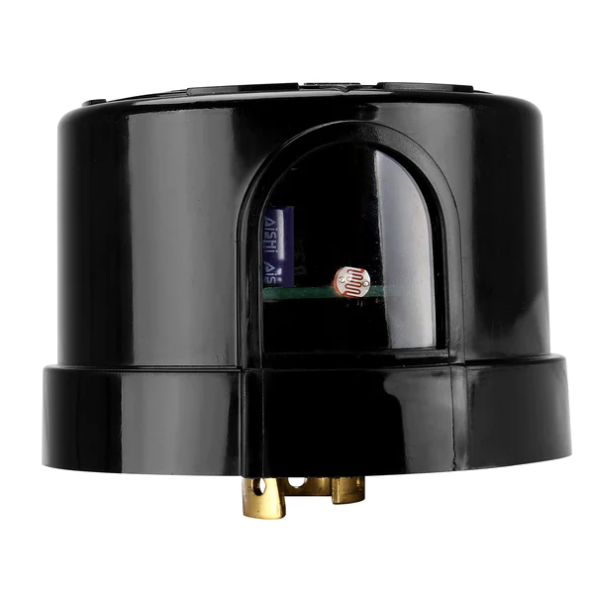
LT154 ANSI C136.41 Dimming Photocontrol

Intended for smart roadway and municipal illumination systems needing dimming functionality and smart control integration.

LT605R-7PIN ANSI C136.41 Receptacle

Offers standardized interfaces for smart nodes, communication modules, and future illumination advancements.

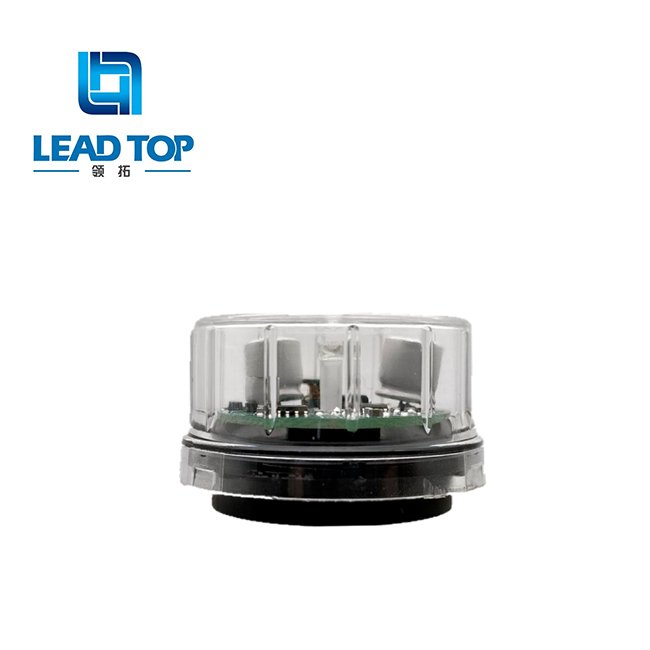
LT6002 Zhaga Book 18 Sensor

Supports compact sensor incorporation and innovative smart city illumination applications.

製品主要機能ベストアプリ主な利点
LT154 ANSI C136.41 PhotocontrolLighting control and dimmingMunicipal roadwaysSmart-ready operation
LT605R-7PIN ReceptacleSmart node connectivityスマート照明システムStandardized interface
LT6002 Zhaga Sensorセンサー統合スマートシティプロジェクトコンパクトなモジュール設計

Lighting Strategy Comparison

伝統的な照明Smart Lighting
Fixed brightness all night動的な明るさ調整
Higher energy useLower energy consumption
Greater light pollutionReduced sky glow
柔軟性に限界があるAdaptive control capability
手動監視リモート管理

This progression supports both sustainability goals and communal expectations.

What Are the Future Trends in Human-Centric Outdoor Lighting?

The prospect of Human Centric Lighting extends further than color temperature alone.

Developing trends include:

アダプティブ調光

Brightness adjusts according to traffic situations and activity levels.

Traffic-Responsive Lighting

Roads receive lighting based on actual automobile movement.

Community-Centered Design

Public feedback progressively influences illumination specifications.

スマートシティ統合

Lighting systems become part of broader urban infrastructure networks.

Environmental Optimization

Cities look for solutions that support dark-sky initiatives and biodiversity security.

These developments show that outdoor illumination is becoming a strategic component of metropolitan planning instead of a simple utility service.

よくある質問

What is the best color temperature for street lighting?

Domestic areas often benefit from warmer LEDs (2700K–3000K), whereas main roadways may need cooler temperatures for improved visibility.

Why are some cities choosing warmer LEDs?

Warmer LEDs decrease brightness, minimalize blue-light emanations, support dark-sky initiatives, and often receive stronger community reception.

Can smart controls reduce light pollution?

Yes. Intelligent lighting systems can dim lights during low-traffic hours, reduce unnecessary illumination, and improve general illumination proficiency.

CTA: 

Smart control systems become ever more important as municipalities move toward more sustainable and human-centered illumination plans. In order to build flexible, energy-efficient, and future-ready outdoor illumination networks that balance security, comfort, and ecological responsibility, Lead-Top’s smart photocontrols, ANSI C136.41 receptacles, and Zhaga-compatible sensor solutions can help cities to do so.

参考文献:

フェイスブック
ツイッター
リンクトイン
ワッツアップ
Sophiaの写真
ソフィア

こんにちは。この記事の著者です。照明業界で10年間働いてきた経験から、イノベーションと繋がりに情熱を注いでいます。業界の洞察を探求し、未来を形作るために、ぜひご参加ください。一緒に光を灯しましょう!

無料見積もり
無料見積もり

コメントを残す

メールアドレスが公開されることはありません。 が付いている欄は必須項目です

jaJapanese

メーリングリストにご参加ください!

独占アップデートで最新情報を入手してください。.

“「照明制御市場のトレンド、業界ニュース、新製品リリースを受け取るため。」”