導入
世界中の自治体は、エネルギー消費量の削減と維持管理費の低減を目指し、LED街路照明に多額の投資を行ってきた。LED技術は目覚ましい効率性の向上をもたらしたが、都市は現在、照明近代化の第二段階、すなわち適応型照明へと移行しつつある。.
従来の街路照明システムは夜間を通して一定の明るさで点灯するのに対し、適応型照明では、交通量、歩行者の動き、天候、時間帯などの実際の状況に応じて照明レベルをロボットが自動調整します。この変化により、都市は公共の安全と運用効率を維持しながら、エネルギー消費を最適化することが可能になります。.
今日、都市計画担当者はインテリジェント街路照明システムを徐々に受け入れ始めており、その理由は、変化する環境に動的に対応できる能力にある。エネルギー価格の高騰と持続可能性に関するガイドラインの厳格化に伴い、適応型照明は現代都市において急速に主流のアプローチになりつつある。.

現代都市における適応型照明とは何か?
適応型照明とは、実際の生態学的状況や運用状況に基づいて、グレア(まぶしさ)を巧みに調整できる照明システムのことを指す。.
従来の照明システムは、一般的に単純なオン/オフ方式を採用している。日没時に点灯し、夜明けまで最大出力で点灯し続ける。この方式は安定した照明を提供する一方で、活動が少ない時間帯にはエネルギーを無駄に消費することが多い。.
適応型街路照明システムは、そのプロセスにインテリジェンスを導入する。一晩中最大輝度を維持するのではなく、道路が閑散としているときは自動的に光量を減らし、人や物の動きが増えたときは照明を増やすことができる。.
例えば:
- 交通量の多い交差点は、夜間を通して明るく照らされている場合がある。.
- 深夜12時以降は交通量が減少するため、国内の道路は薄暗くなる可能性がある。.
- 歩行者の存在を感知すると、公共の歩道が明るくなることがある。.
- 霧、雨、その他の悪天候時には、照明レベルを調整できます。.
この能力によって、照明インフラは、活用されていない公共設備から、都市の運営戦略における積極的な構成要素へと変貌する。.
さらに、都市が数千もの照明器具を中央の場所から管理できるようにするため、適応型照明システムは包括的なスマートシティ照明制御プラットフォームと統合されることが多い。.
なぜ都市は固定式街路灯から離れつつあるのか?
数多くの要因が、旧式の固定輝度システムからの国際的な移行を促進している。.
エネルギーコストの上昇
従来の照明システムでは、実際の需要に関わらず、照明の明るさが常に100%のままになっていることがよくあります。これは、交通量の少ない時間帯に相当なエネルギーの無駄遣いにつながります。.
自治体は、動的な照明制御を実施することで、視認性や安全性を損なうことなくエネルギー使用量を削減できる。.
持続可能性に関する要件
ヨーロッパやラテンアメリカのさまざまな地域の政府は、積極的な炭素削減目標を導入している。多くの都市はエネルギー効率を改善し、排出量を削減する必要がある。 温室効果ガス 排出量。.
適応型照明は、不必要な電力消費を最小限に抑え、全体的な環境負荷を低減することで、これらの目標を揺るぎなく支援します。.
世間の期待
人々は自治体に対し、資源を効率的に活用することをますます期待するようになっている。納税者は、運営費を削減しつつ、定量化可能な便益をもたらすインフラ投資を求めている。.
適応型照明は、都市が責任あるエネルギー管理を行いながら、信頼性の高い公共サービスを維持するのに役立つ。.
都市の成長
自治体の規模が拡大するにつれ、大規模な照明ネットワークの管理はより複雑化します。スマート照明技術は、数千もの照明器具を効率的に制御できる拡張性の高いソリューションを提供します。.
適応型照明を実現する技術とは?
効率的な適応型照明システムを実現するために、数多くの技術が連携して機能する。.
スマート光電セルシステムは、照明自動化の第一段階として機能する。.
光電池 周囲の光量を感知し、ロボットが照明の動作を制御します。物理的なスイッチやタイマーに頼るのではなく、光電センサーによって、自然光があらかじめ設定された閾値を下回った場合にのみ照明が点灯するようにします。.
現代の光電セルは、以下の機能を提供します。
- 正確な夜間運転
- 信頼性の向上
- エネルギーの無駄の要約
- 運用効率の向上
DALIと0-10V調光
DALI(デジタルアドレス指定照明インターフェース)および0-10V制御システムにより、単純なオン/オフ操作ではなく、連続的な照明調整が可能になります。.
これらの技術により、都市は以下のことが可能になります。
- 需要の少ない時間帯は照明を落とす
- カスタマイズされた照明スケジュールを作成する
- エネルギー効率を向上させる
- 照明器具の寿命を延ばす
モーションセンサーと交通量監視センサーにより、照明システムは実際の活動に反応することができる。.
例えば:
- 自動車が近づくと、照明が明るくなる。.
- 歩行者通路は、動きを感知すると点灯する。.
- 駐車場は、利用状況に応じて照明レベルを自動調整します。.
IoT接続
現代のLED街路灯制御システムは、モノのインターネット(IoT)接続にますます依存するようになっている。.
IoT対応照明ネットワークは、以下の機能を提供します。
- リモート監視
- 実際の診断
- データ収集
- 予測メンテナンス
- 中央制御
したがって、照明インフラは、広範囲にわたるスマートシティ環境において不可欠な構成要素となる。.
メキシコのスマート照明プロジェクトは、適応型照明の利点をどのように実証しているのか?
メキシコは、適応型照明が都市インフラをどのように変革しているかを示す重要な事例として注目されている。.
特筆すべき開発事例の一つとして、18,000箇所以上の照明ポイントを中央管理システムに接続した大規模な連結照明システムの導入が挙げられる。.
これらのプロジェクトは、業界における重要な転換点を示している。
エネルギー節約は、もはや旧型のランプをLEDに交換するだけでは達成できない。代わりに、都市はスマートシティ照明制御技術を通じたシステムレベルの最適化に重点を置いている。.
観察された主な利点は以下のとおりです。
- 電力使用量の削減
- メンテナンス能力の向上
- より迅速な故障検出
- 資産管理の改善
- 公共の安全性の向上
この進展は、照明インフラが単なる照明システムではなく、データ駆動型の運用プラットフォームとして徐々に機能し始めていることを示している。.
適応型照明システムにはどのソリューションが推奨されますか?
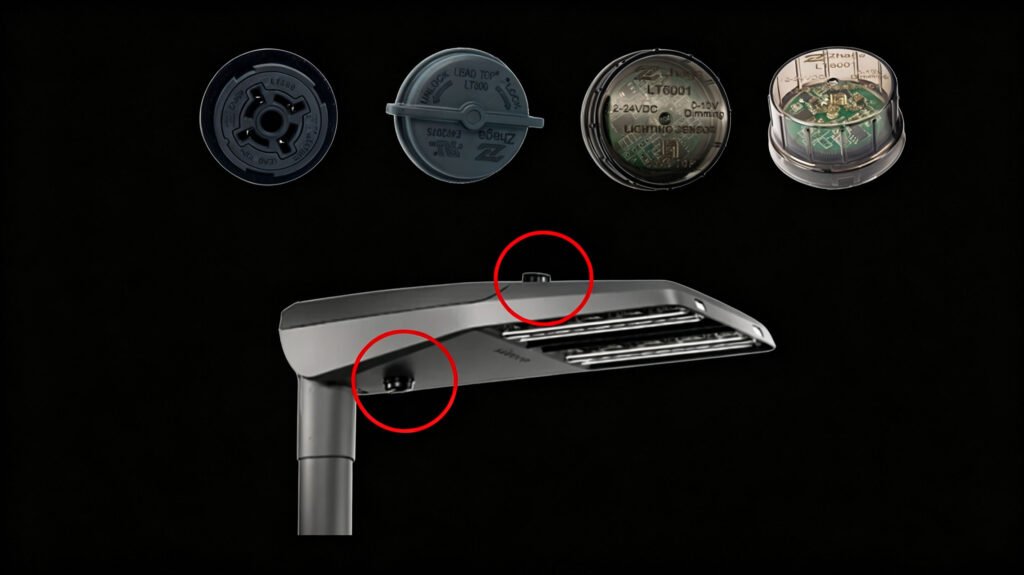
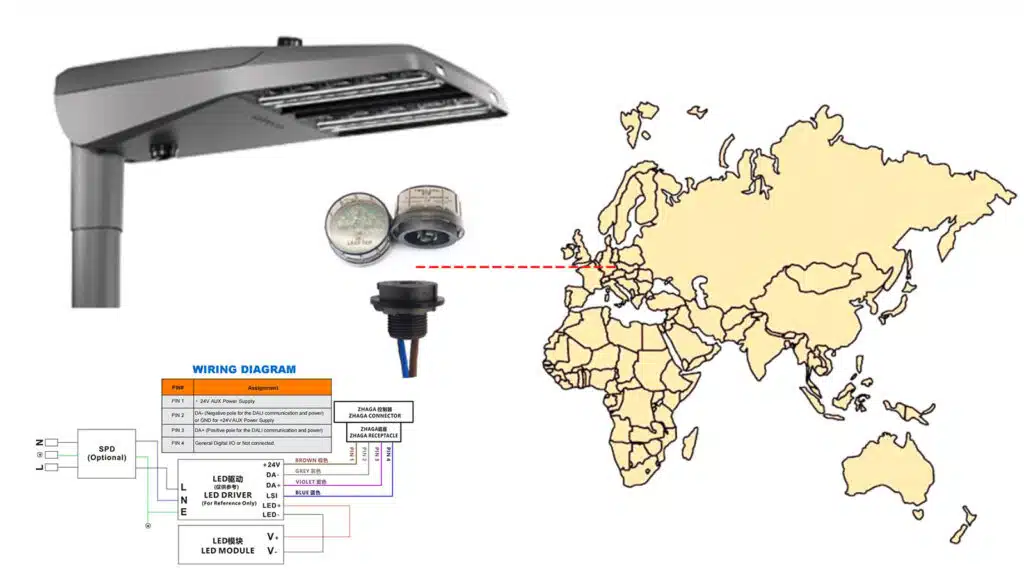
推奨される解決策: LT600 Zhagaコネクタ + LT6002 DALIコントローラー

このブレンドは、次世代の適応型照明アプリケーションをサポートするために特別に設計されています。.
| 特徴 | 利点 |
| ジャガブック18コンプライアンス | 標準化されたスマート照明インターフェース |
| DALI統合 | 高度な調光と制御 |
| モジュール設計 | 簡単なアップグレードとメンテナンス |
| IoT互換性 | 将来のスマートシティ統合 |
| 屋外保護 | 過酷な環境下でも信頼性の高い動作を実現 |
主な利点
- 動的な照明制御に対応
- スマート調光機能に対応
- メンテナンスと機能強化を効率化します
- リモート管理に対応
- 将来のスマートシティ構想に対応可能
従来型の光制御技術は、どのような場面で依然として重要な役割を果たしているのか?
適応型システムの急速な発展にもかかわらず、従来型の光制御技術は依然として非常に有効である。.
多くの自治体は、LEDと従来型の光電セル制御を組み合わせたハイブリッド照明ネットワークを引き続き運用している。.
この継続的な受容には、数多くの理由がある。
コスト感度
すべての都市が、本格的なスマートシティ展開に必要な予算を持っているわけではない。.
基本的な光電セルシステムは以下の機能を提供します。
- 信頼できる自動化
- 設置費用はわずかです
- メンテナンスの必要性はごくわずか
段階的なインフラ移行
多くの自治体は、システム全体の交換ではなく、段階的なアップグレードを好んでいる。.
一般的な戦略としては、以下のようなものがある。
- LED照明器具の設置。.
- 光電セルによる機械化を追加する。.
- 調光機能は後日導入予定です。.
- スマートシティへの完全統合に向けて成長を続ける。.
実証済みの信頼性
光電セルは長年にわたり現場で実証された性能を持ち、夕暮れから夜明けまで信頼性の高い動作を提供し続けています。.
適応型照明は、従来のシステムと比較してどのような主な利点がありますか?
表1:従来型照明と適応型照明の比較
| 特徴 | 伝統的な照明 | アダプティブライティング |
| 手術 | 固定輝度 | 動的な明るさ調整 |
| エネルギー効率 | 適度 | 非常に高い |
| メンテナンス | 手動監視 | リモート監視 |
| 調光機能 | 限定 | 高度な |
| IoT統合 | レア | 一般 |
| 運用の柔軟性 | 低い | 高い |
| データ収集 | なし | 広範囲にわたる |
| スマートシティの互換性 | 限定 | 素晴らしい |
結論
都市照明の将来は、単純な照明ではなく、スマートな制御にある。LED技術は最初のエネルギー節約の波をもたらしたが、適応型照明は次世代の効率向上を牽引している。.
自治体は、スマート光電セルシステム、DALIベースの制御、IoT接続、スマートモニタリングを組み合わせるだけで、より受容性が高く、持続可能で、費用対効果の高い照明ネットワークを構築できる。.
都市がインフラの近代化を進めるにつれ、適応型照明はスマートでエネルギー効率の高い都市開発における新たな世界標準となりつつある。.
CTA
スマート照明および適応制御プロジェクト向けに、Lead-Topは、連鎖的に拡張可能なOEMソリューションを提供します。 ジャガ, DALI、光制御技術などを活用し、自治体が基本的なLED照明インフラから完全なスマート照明システムへと移行できるよう支援します。次回の自治体照明プロジェクト向けにカスタマイズされたソリューションについては、Lead-Topまでお問い合わせください。.
参考文献:
- https://en.wikipedia.org/wiki/Greenhouse_gas
- https://leaditop.com/twist-lock-photocontrollers/
- https://leaditop.com/product/customizable-upgraded-models-highly-waterproof-zhaga-socket-lt600/
- https://leaditop.com/product/zhaga-socket-connected-dali-2-0-protocol-and-0-10v-dimming-control-luminaire-lighting-2/
- https://en.wikipedia.org/wiki/Zhaga_Consortium


 English
 Portuguese (Brazil)
 Spanish
 Russian
 Dutch
Dutch Japanese
 Portuguese (Portugal)