導入
公共インフラをより効率的に管理するため、ヨーロッパ、ラテンアメリカ、中東をはじめとする多くの地域で、都市はますます大きなプレッシャーに直面している。電気料金の高騰、照明設備の老朽化、維持管理予算の削減、そして高まる持続可能性への要求など、様々な要因が都市に街路照明ネットワークの運用方法の見直しを迫っている。.
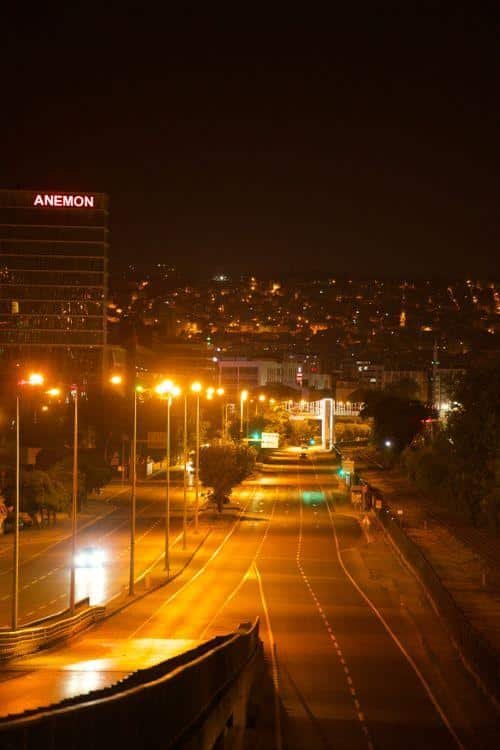
街路照明は、最も重要な公共サービスの1つであり続けています。高速道路の視認性を向上させ、歩行者の安全を確保し、治安を改善し、夜間の経済活動にも貢献します。しかしながら、多くの自治体は依然として、膨大なエネルギーを消費し、高額な維持管理費を必要とする旧式の照明システムに依存しています。.
旧式の照明設備は購入時には手頃な価格に見えるかもしれないが、長期的な現実は全く異なる。都市が照明ネットワークの耐用年数全体にかかるコストを考慮すると、エネルギー消費量、人件費、機器の故障、維持管理費用などが、しばしば最大の財政負担となる。.
こうした理由から、街路照明のコスト、エネルギー効率の高い街路照明、スマート街路照明、屋外照明の省エネルギーは、世界中の都市の意思決定者にとって最優先事項となっている。.
従来の街路照明インフラには、どのような隠れたコストが潜んでいるのか?
一見すると、旧式の街路灯は初期投資が比較的低いため、費用対効果の高い解決策のように思える。.
しかし、照明器具の購入価格は、その耐用年数全体のコストのごく一部に過ぎません。10~20年の期間で、実際の費用は、エネルギー消費、メンテナンス活動、機器の交換、および運用上の非効率性から発生することが多いのです。.
こうした隠れたコストを理解することは、自治体の照明ソリューションを評価する上で重要である。.
エネルギーの無駄遣いは、街路照明のコストをどのように増加させるのか?
街路照明のコストの主な要因は電力消費量である。.
旧式の街路照明システムは、柔軟性や最適化に乏しい基本的なスイッチング機構を用いて動作している。.
よくある問題点は以下のとおりです。
- 必要以上に長く照明が点灯している
- 調光機能がない
- 非効率的な制御システム
- 夜間の過剰な電力使用
- 適応型照明管理機能なし
電気料金の高騰が続く中、都市部では屋外照明の省エネルギー化に向けた取り組みへの圧力が高まっている。.
多くの自治体にとって、エネルギー使用量は長期的な照明支出の中で最大の割合を占めている。.
主要メッセージ
運営コストを削減する最も迅速な方法は、多くの場合、エネルギー効率の高い街路照明ソリューションとスマート照明制御システムを組み合わせることです。.
なぜメンテナンス費用は上昇し続けるのか?
多くの都市は、旧式の照明システムに関連する街路灯の実際の維持管理コストを過小評価している。.
照明設備はすべて、定期的な点検、保守、そして最終的には交換が必要です。.
一般的な維持管理費用は以下のとおりです。
- 計画された検査
- バケットトラックの配置
- 技術者の労働
- 緊急修理訪問
- 補充在庫管理
- 故障解析
数千箇所に及ぶ照明設備の場合、これらの費用はすぐに膨れ上がります。.
主要メッセージ
照明ネットワークの耐用年数全体を通して、維持管理費は初期設備費用を上回ることが多い。.
部品の故障は自治体の予算にどのような影響を与えるのか?
信頼性は運用コストに直接影響を与える。.
低品質な部品は、繰り返し次のような問題を引き起こします。
- 予期せぬ停電
- 初期の失敗
- サービス訪問回数の増加
- 市民の不満
- 国民の信頼の低下
故障の主な原因は以下のとおりです。
- 電圧サージ
- 落雷現象
- 湿気の侵入
- 極端な気温
- 低品質な素材
街路灯の照明自動化は正確なスイッチング性能に依存するため、信頼性の高い光制御は特に重要である。.
主要メッセージ
信頼性は単なる技術的な問題ではなく、自治体の予算や市民の満足度に直接影響を与える。.
なぜ最も安価な部品を購入することが、しばしば最も高くつく決断となるのか?
低価格製品は予算編成時に魅力的に見えるかもしれないが、実際にはライフサイクルコストがかなり高くなる場合が少なくない。.
初期費用が低い
利点は次のとおりです:
- 承認手続きの簡素化
- 調達費用の削減
- 初期投資額の削減
ライフサイクルコストの上昇
デメリットとしては、以下のようなものが挙げられます。
- より頻繁な交換
- 労働支出の増加
- より大きな予備部品在庫の必要性
- メンテナンス頻度の増加
- 運用中断の増加
主要メッセージ
購入価格が最も低いからといって、総所有コスト(TCO)が最も低くなるとは限らない。.
都市はインフラ整備を通じてどのように照明コストを削減しているのか?
ヨーロッパ各地の都市は、長期的なコスト削減のため、照明インフラの改修に多額の投資を行っている。.
数多くの最新プロジェクトは、近代化による経済的メリットを示している。.
アバディーン、スコットランド
アバディーン市は約900万ポンドを投じて、約3万7000基の街灯をスマートLEDシステムにアップグレードした。.
結果
- 約60%のエネルギー減少
- スマート制御の導入
- 大幅な年間節約
- 運用状況の可視性の向上
重要なポイント
エネルギー節約効果は、比較的短期間でインフラ投資を正当化できる場合が多い。.
イギリス、ブリストル
ブリストル市は、約3万6000点の照明設備を対象とした近代化プロジェクトを開始した。.
目的
- 電力使用量を削減する
- メンテナンス要件の削減
- ネットワークの信頼性を向上させる
- インフラストラクチャのライフサイクルを延長する
重要なポイント
現代のプロジェクトでは、設備費だけでなく、耐用年数全体にわたるコスト削減を重視している。.
コベントリー、イギリス
コベントリー市の照明近代化計画は、都市がいかにして技術力の向上を優先するようになるかを示す好例である。.
結果
- 29,000個以上の照明器具が高所に設置されている
- 注目すべき年間エネルギー節約
- 簡略化された運営費
重要なポイント
エネルギー消費量の減少とメンテナンスの最適化は、調達における主要な推進要因になりつつある。.
イギリス、ニューカッスル
ニューカッスル市は、電気料金の高騰に対処するため、LED照明への近代化に多額の投資を行った。.
結果
- 36,000本以上の照明柱が近代化されました
- 約60%のエネルギー減少
- インフラ整備能力の向上
重要なポイント
光熱費の高騰が、国際的にスマート街路灯の普及を加速させている。.
成功した自治体照明プロジェクトに共通する点とは?
地理的条件やプロジェクト規模の違いにもかかわらず、成功した近代化プログラムにはいくつかの共通点が見られる。.
エネルギー料金の削減
ほとんどのプロジェクトは以下を報告する:
- 50–60%エネルギー低下
- 注目すべき年間節約額
- 投資の早期回復
- 熟練度の向上
メンテナンスコストの削減
自治体は段階的に以下の事項を優先する。
- サービス訪問回数の減少
- 人件費の削減
- 交換間隔の延長
- 部品の信頼性向上
よりスマートなインフラ
現代のシステムには、繰り返し以下の要素が含まれる。
- スマート照明制御
- 監視システム
- アダプティブディミング
- センサー対応インターフェース
- 遠隔診断
表1:従来型照明インフラとスマート照明インフラの比較
| 要素 | 伝統的な照明 | スマート街路照明 |
| エネルギー消費量 | 高い | 低い |
| メンテナンス頻度 | 高い | 削減 |
| リモートモニタリング | いいえ | はい |
| アダプティブ調光 | いいえ | はい |
| 信頼性 | 適度 | 高い |
| ライフサイクルコスト | 高い | より低い |
| 将来的な拡張性 | 限定 | 素晴らしい |
標準化された照明インフラはなぜ投資対効果(ROI)を向上させるのか?
都市照明の投資対効果(ROI)を向上させる最も効率的な方法の一つは、標準化である。.
ANSI規格に準拠した照明システムには、数多くの利点があります。.
表2:ANSI規格照明システムの利点
| 利点 | 自治体運営への影響 |
| より迅速な交換 | 人件費の削減 |
| 標準コンポーネント | 簡素化された在庫 |
| 互換性の向上 | アップグレードがより簡単 |
| ダウンタイムの削減 | より良い公共サービス |
| トレーニング要件の軽減 | 効率性の向上 |
| 長期的な拡張性 | 将来を見据えたインフラ |
| ライフサイクルコストの削減 | より良い 投資収益率 |
どの照明ソリューションが総所有コストの削減に役立つか?
LT134 長寿命ツイストロック式光制御
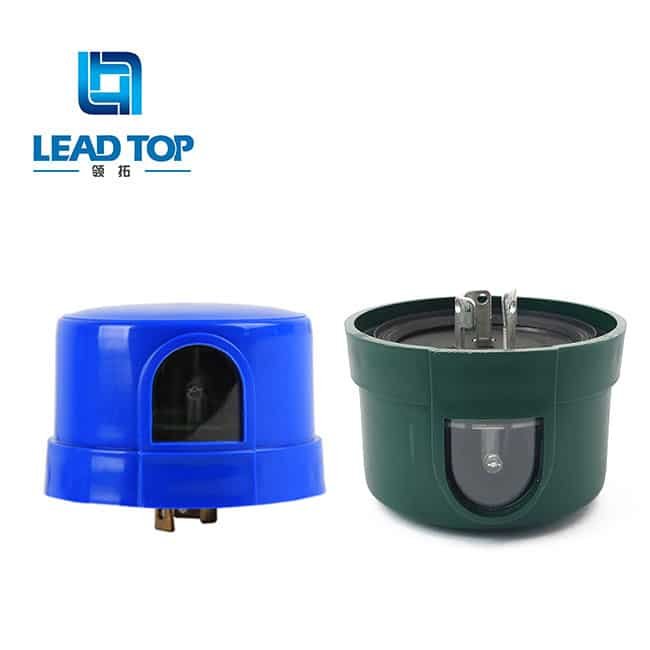
長寿命と信頼性の高いスイッチング性能を実現するように設計されています。.
LT655 光制御ランプホルダー

ANSI規格に準拠した設置と、簡素化されたメンテナンスを提供します。.
最適なアプリケーション
- 市街地の街路灯
- 高速道路の照明
- 駐車場照明
- 公共インフラプロジェクト
- LED改修プログラム
この組み合わせがコスト削減に役立つ理由
長寿命
交換頻度と維持費を削減します。.
現場での交換が容易
サービス訪問回数と人件費を削減します。.
高いサージ耐性
過酷な屋外環境下での信頼性を向上させます。.
ANSI C136.10 互換性
調達の標準化を支援する。.
総所有コストの削減
都市の長期的な財政安定化に貢献する。.
結論
旧式の街路照明システムは、過剰なエネルギー消費、頻繁なメンテナンスの必要性、そして長い耐用年数に伴うコスト増など、目に見えない費用を生み出すことが少なくありません。スマート街路照明、耐久性の高い光センサーによる街路灯制御、そして標準化された屋外照明制御システムへの投資によって、自治体は効率性を大幅に向上させ、全体的な支出を削減することができます。.
最も成果を上げた近代化プロジェクトは、街路照明のコスト削減は単に電力使用量を減らすことだけではないことを示している。信頼性、保守性、インフラの標準化、そして長期的な価値に焦点を当てた包括的なアプローチが必要なのだ。.
今日、エネルギー効率の高い街路照明を選択する自治体は、今後数十年にわたり、より強力な財政実績、住民満足度の向上、そしてインフラの持続可能性の向上を実現するための有利な立場に立つことができるだろう。.
CTA:
Lead-Topは、 ANSI世界中の都市、サプライヤー、照明メーカーから信頼されている、規格に準拠した光制御装置、照明制御コンポーネント、および屋外照明ソリューション。.
連絡する リードトップ プロジェクトの要件についてご相談されたい場合、技術的な推奨事項をご依頼されたい場合、またはカスタマイズされたソリューションのご提案をご希望の場合は、今すぐチームまでご連絡ください。.
参考文献:
- https://leaditop.com/product-2/
- https://en.wikipedia.org/wiki/American_National_Standards_Institute
- https://leaditop.com/product/outdoor-automatic-daylight-sensor-switch-for-led-light/
- https://leaditop.com/product/outdoor-twilight-switch-photocell-sensor-switch-photocell-daylight-sensor-switch-dusk-to-dawn-sensor-switch/
- https://en.wikipedia.org/wiki/Return_on_investment




 English
 Portuguese (Brazil)
 Spanish
 Russian
 Dutch
Dutch Japanese
 Portuguese (Portugal)