
Nos sistemas contemporâneos de controle de iluminação externa, fotocélulas À primeira vista, parecem enganosamente simples. Elas detectam a luz ambiente e ligam ou desligam os circuitos de iluminação de acordo. No entanto, uma característica de design continua a gerar debates entre fabricantes, engenheiros e consumidores: o ajuste de lux.
Inúmeras fichas técnicas de produtos promovem designs de fotocélulas com ajuste de lux como mais flexíveis, especializados ou personalizáveis. Configurações modificáveis são frequentemente apresentadas como um recurso de valor agregado que oferece aos consumidores maior controle. No entanto, quando analisadas sob a ótica da prática de engenharia, em vez da linguagem de marketing, a real necessidade de configurações de lux ajustáveis torna-se bem menos evidente.
Para avaliar isso corretamente, é importante entender o que o ajuste de lux realmente faz — e o que ele não faz.

O que o ajuste de lux em uma fotocélula realmente controla?
Um mecanismo de ajuste de lux não controla o tempo, os horários ou o expediente. Em vez disso, adapta um único parâmetro: a luminosidade. limiar de iluminância momento em que a fotocélula altera seu estado de saída.
Em ambientes externos naturais, o amanhecer e o anoitecer ocorrem lentamente, e os níveis de iluminação mudam de forma previsível. Por isso, muitos usuários associam o comportamento de acionamento das luzes ao horário do relógio. No entanto, as condições climáticas, a variação cíclica, a latitude e a geometria da instalação também afetam os níveis de luz no ambiente.
Uma fotocélula reage completamente ao limiar de iluminância, e não aos horários do amanhecer ou do anoitecer. Em um dia nublado, as luzes podem acender mais cedo. Em uma noite clara de inverno, podem apagar mais tarde. Esse comportamento é correto do ponto de vista fotométrico, mesmo que não corresponda às expectativas subjetivas.
Compreender esse princípio é crucial para avaliar se os recursos ajustáveis das fotocélulas oferecem valor funcional real.
Em termos práticos, uma fotocélula com ajuste de lux permite ao usuário alterar o nível de luz ambiente (medido em lux) no qual a lâmpada conectada liga ou desliga. Embora a iluminância esteja naturalmente relacionada à hora do dia, especialmente em ambientes externos, a própria fotocélula não tem consciência do tempo. Ela reage apenas à intensidade da luz.
Essa diferença é fundamental para a profissão. projeto de fotocélula. Confundir o controle baseado em lux com o controle baseado em tempo leva, ocasionalmente, a expectativas impraticáveis e à seleção incorreta de produtos.
Por que as aplicações residenciais e comerciais toleram o ajuste de lux?
Em residências ou pequenos estabelecimentos comerciais, os sistemas de iluminação normalmente controlam apenas algumas luminárias. As consequências de acionamentos irregulares são limitadas e o ajuste subjetivo costuma ser tolerável.
Por exemplo, um proprietário que regula a luz de um pórtico pode preferir que ela acenda um pouco mais cedo ou mais tarde do que a configuração padrão de fábrica. Nesses casos, uma fotocélula com ajuste de lux oferece a flexibilidade percebida sem introduzir riscos graves de funcionamento.
As configurações de lux ajustáveis são mais comuns em produtos com fio, residenciais e específicos para o varejo. Esses ambientes compartilham algumas características que tornam o ajuste pelo usuário mais adequado.
| Tipo de aplicação | É recomendado o ajuste de lux? |
| Iluminação residencial para varandas | Sim (opcional) |
| Iluminação exterior de lojas | Às vezes |
| Iluminação pública municipal | Não |
| Instalações industriais externas | Não |
Essas aplicações geralmente envolvem locais de instalação acessíveis, projetos de escala relativamente pequena e usuários não profissionais. Nesses contextos, a capacidade de "ajustar" o comportamento de comutação com base na preferência pessoal pode ser atraente, mesmo que não seja estritamente essencial.
Do ponto de vista do mercado, os designs de fotocélulas ajustáveis estão em boa consonância com as perspectivas de controle e personalização dos clientes, principalmente em ambientes de baixo risco.
Como essas aplicações priorizam a facilidade e a familiaridade em detrimento da homogeneidade rígida do desempenho, os recursos de lux ajustáveis podem resultar em benefícios satisfatórios.
Aplicações de nível de engenharia seguem uma lógica diferente?
Sistemas de controle de iluminação externa de grande escala ou profissionais operam sob restrições muito diferentes. Esses sistemas geralmente compreendem dezenas, centenas ou milhares de luminárias, todas projetadas para funcionar de forma contínua por muitos anos.
Nesse contexto, os componentes ajustáveis pelo usuário introduzem inconsistências que os engenheiros se esforçam para eliminar. O comportamento de comutação constante, o desempenho esperado e a manutenção mínima são muito mais importantes do que a flexibilidade subjetiva.
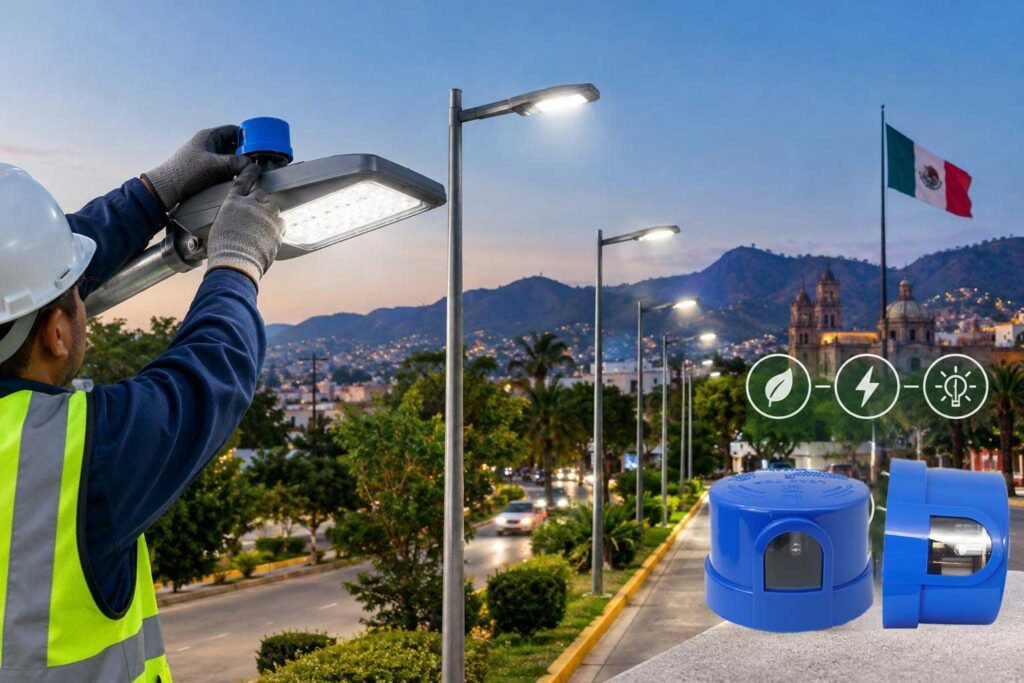
É aqui que produtos padronizados, como os fotocélulas com design NEMA, entram em cena.
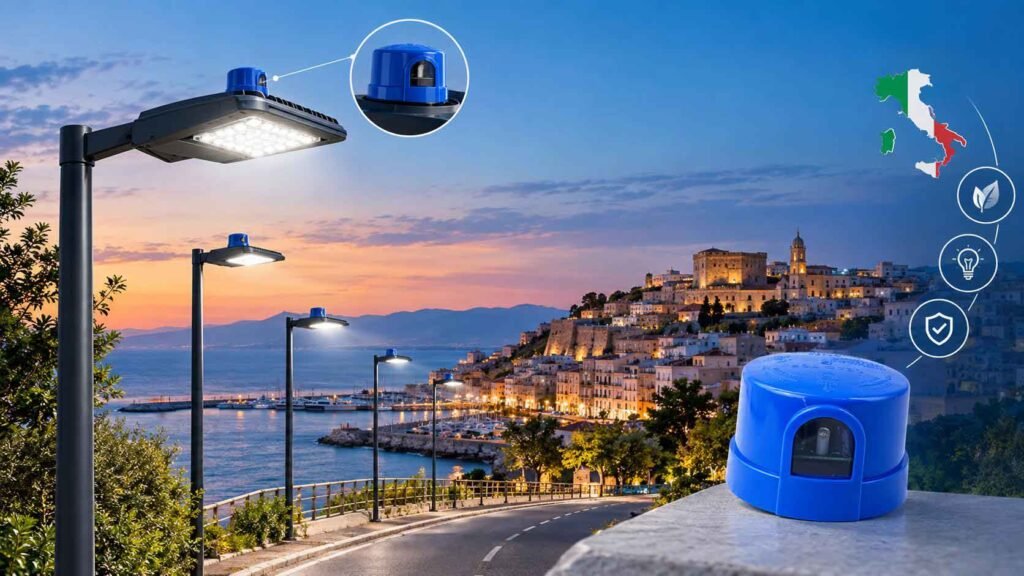
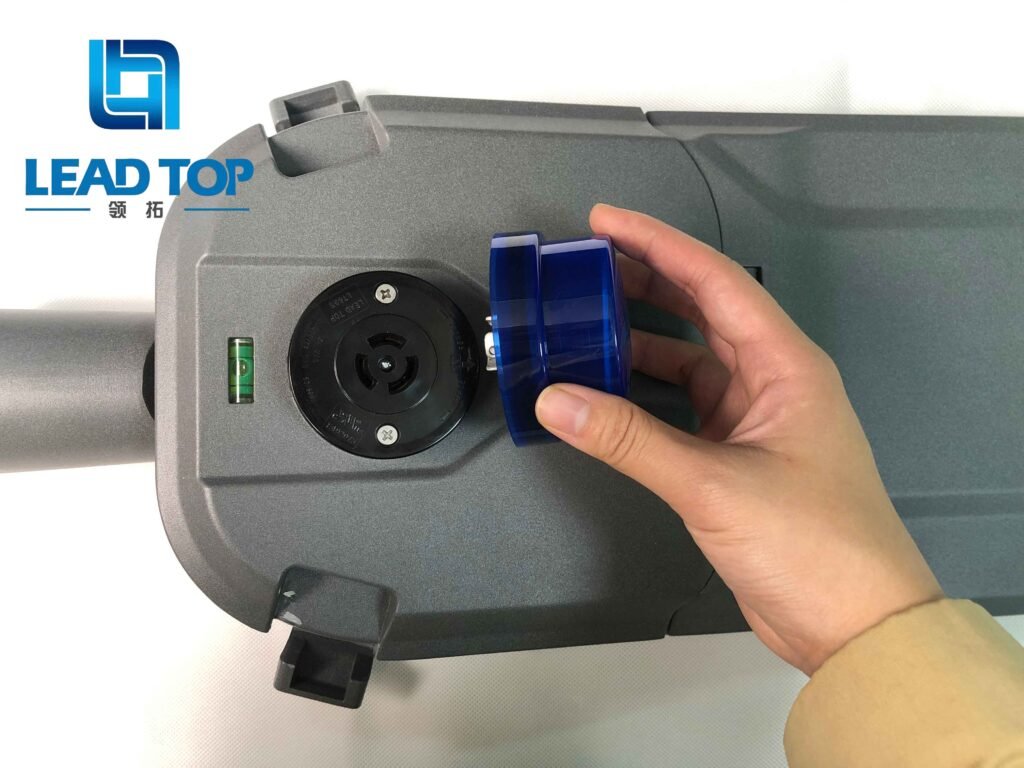
As fotocélulas NEMA são projetadas para serem montadas no topo de luminárias e funcionam ininterruptamente em ambientes externos visíveis. Seu principal objetivo é oferecer desempenho duradouro e sem necessidade de manutenção.
Não se prevê que uma fotocélula NEMA seja acessada, ajustada ou adaptada após a instalação. Uma vez posicionada, ela pode permanecer em serviço por uma década ou mais sem a intervenção humana.
Nessa filosofia de projeto, componentes de iluminação modificáveis oferecem pouca vantagem. A modificação em campo é inviável, desnecessária e, muitas vezes, impossível devido à altura de instalação e à exposição ambiental.
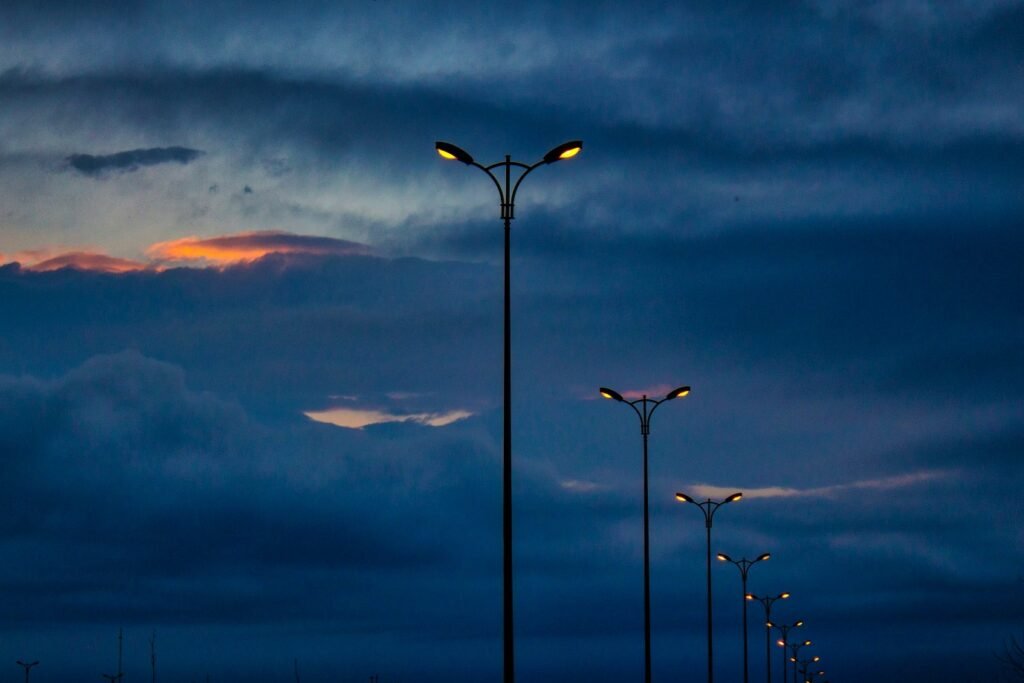
Por que a variabilidade humana é uma grande preocupação no ajuste de lux?
Um aspecto frequentemente negligenciado em produtos com fotocélulas para ajuste de lux é a percepção humana. A iluminância é uma grandeza objetiva e quantificável. A visão humana, por outro lado, é subjetiva e altamente inconstante.
A maioria dos usuários não mede os níveis de lux com instrumentos. Em vez disso, eles ajustam os limites com base na sensação de luminosidade ou escuridão no ambiente. Esse ajuste subjetivo varia bastante de pessoa para pessoa e de ambiente para ambiente.
Em grandes instalações, essa inconsistência pode resultar em comportamentos de comutação erráticos entre os dispositivos, comprometendo a homogeneidade do sistema e aumentando as críticas ao funcionamento.
Os fabricantes profissionais dependem de valores de limiar de iluminância predefinidos em fábrica, resultantes de vasta experiência em campo. Esses limiares são testados em diferentes condições climáticas, períodos do ano e situações de instalação para abranger a maioria dos casos de uso reais.
Ao fixar o ponto de comutação durante a fabricação, os fabricantes podem garantir um funcionamento confiável em todas as unidades. Essa metodologia simplifica a instalação, elimina a necessidade de ajustes em campo e melhora a confiabilidade a longo prazo.
| Abordagem de projeto | Resultado prático |
| Ponto de comutação fixado de fábrica | Comportamento consistente em todas as unidades. |
| Não é necessário nenhum ajuste de campo. | Instalação mais rápida e simples |
| Ajustes do usuário eliminados | Redução de erros de instalação |
| Design interno simplificado | Maior confiabilidade a longo prazo |
Quando um parâmetro não precisa ser alterado na maioria das aplicações, fabricá-lo corretamente na fábrica costuma ser a solução mais eficaz.
No projeto de fotocélulas, especialmente para uso externo, a simplicidade mecânica garante confiabilidade. Menos componentes significam menos pontos de falha em potencial.
As fotocélulas externas ficam expostas a altas temperaturas, umidade, sujeira, vibração e radiação UV. Com o tempo, elementos adaptáveis podem se desviar, sofrer erosão ou perder a calibração, comprometendo o próprio controle que deveriam proporcionar.
A experiência em engenharia demonstra constantemente que projetos mais simples apresentam melhor desempenho ao longo de uma vida útil prolongada. Esse princípio é particularmente relevante no controle de iluminação externa, onde o impacto ambiental é inevitável.
As fotocélulas não ajustáveis podem ser totalmente seladas, calibradas em fábrica e verificadas em condições controladas. Uma vez posicionadas, seu comportamento permanece inalterado e previsível.
Em contrapartida, os projetos de fotocélulas ajustáveis precisam acomodar peças móveis e pontos de acesso, o que complica a vedação e aumenta o risco a longo prazo.
Conclusão sobre o ajuste de lux:
A questão não é se os projetos de fotocélulas com ajuste de lux são tecnicamente viáveis, mas sim se são obrigatórios. Na maioria dos sistemas profissionais de controle de iluminação externa, a resposta é não.
As configurações de lux ajustáveis continuam adequadas para aplicações de pequena escala e voltadas para o usuário. No entanto, para sistemas de iluminação externa padronizados, a simplicidade não é uma limitação, mas sim uma vantagem.
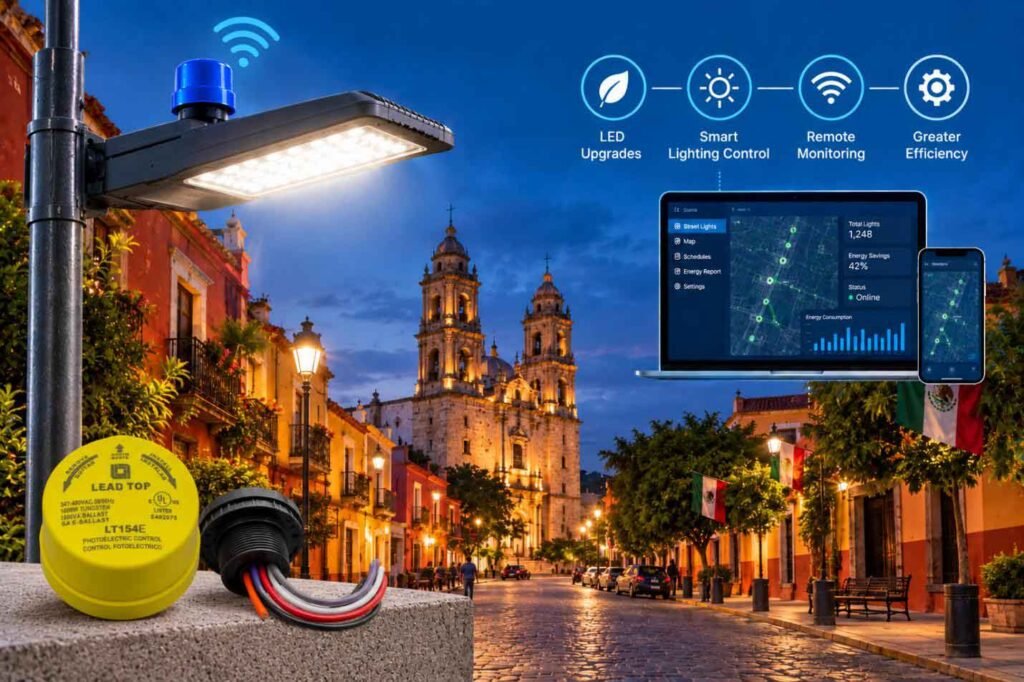
A Lead-Top é especializada em fotocélulas NEMA de nível industrial para aplicações de iluminação externa, atendendo a OEMs, empreiteiras EPC e projetos de iluminação profissional em todo o mundo.
Nossos limites de lux predefinidos de fábrica são desenvolvidos ao longo de anos de experiência em projetos e feedback do mundo real, com foco em oferecer confiabilidade plug-and-play em vez de recursos desnecessários.
Em projetos de engenharia, a confiabilidade é alcançada por meio de escolhas criteriosas, e não pelo acúmulo de funcionalidades.
Para obter mais detalhes sobre o produto, entre em contato conosco por e-mail ou clique no botão "Fale Conosco" abaixo. Também podemos conversar mais sobre isso pelo WhatsApp.

 Portuguese (Brazil)
  English
  Spanish
  Russian
  Dutch
Dutch  Japanese
  Portuguese (Portugal)

Uma resposta