Por que a estrutura dos sensores é frequentemente negligenciada na engenharia de iluminação externa?
Ao escolher um dispositivo de fotocontrole para sistemas de iluminação externa, os engenheiros geralmente priorizam parâmetros elétricos como tensão nominal, capacidade de carga, limiares de comutação e níveis de proteção contra entrada de água e poeira. Embora esses fatores sejam inegavelmente cruciais, o projeto estrutural muitas vezes é considerado uma preocupação secundária ou até mesmo insignificante. Na realidade, o projeto de sensores para iluminação externa não se baseia apenas no desempenho elétrico. A estrutura mecânica afeta diretamente a eficiência do sensor quando instalado em campo.
A configuração estrutural de um fotocontrolador determina como ele interage com o ambiente físico. Orientação, ângulo de exposição e estabilidade posicional impactam a forma como a luz ambiente é detectada. Ignorar esses fatores pode resultar em operação não confiável, atrasos no comissionamento e custos de manutenção desnecessários. Isso é particularmente verdadeiro ao se comparar estruturas de sensores fixos com ajustáveis, onde o projeto mecânico molda fundamentalmente o comportamento do sistema.
Qual é a principal diferença estrutural entre sensores fixos e ajustáveis?
Em sua essência, a diferença entre sensores fixos e ajustáveis reside na possibilidade de reorientar o elemento fotossensível após a instalação. Em uma comparação de estruturas de fotocontrole, essa dissimilaridade parece mecânica, mas suas repercussões se estendem profundamente à confiabilidade de funcionamento e ao desempenho ao longo da vida útil.
As estruturas de sensores fixas bloqueiam a orientação do sensor no momento da engenharia. Uma vez instalado, o campo de visão do sensor não pode ser alterado sem a remoção e reinstalação do dispositivo. As estruturas de sensores ajustáveis, por outro lado, permitem que a cabeça de detecção gire ou pivote em relação à sua base de montagem. Essa capacidade de ajuste transforma a orientação de uma restrição rígida em uma variável configurável.
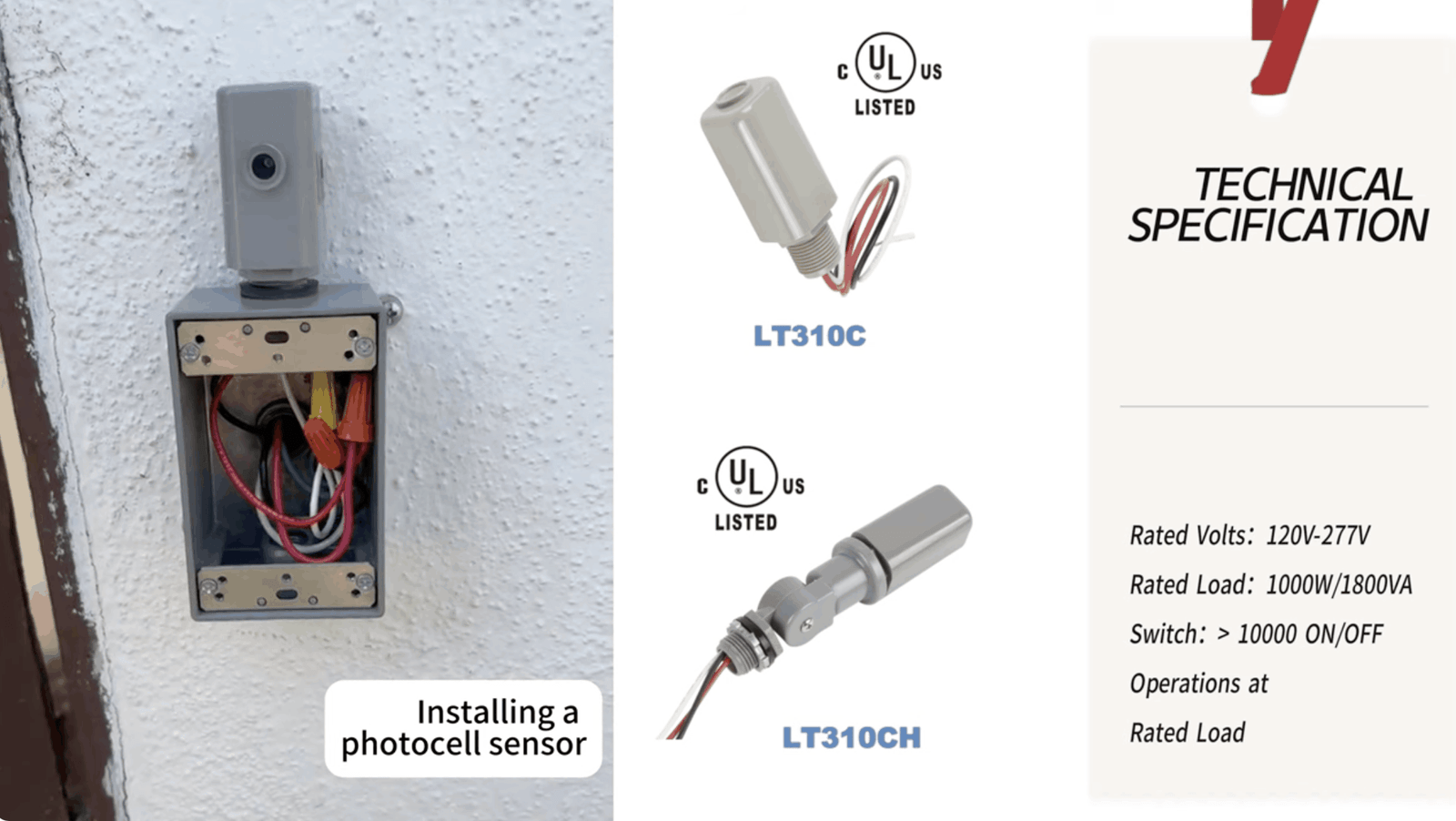
Como as estruturas de sensores fixos influenciam os resultados da instalação?
Os projetos de sensores fixos partem do pressuposto de que os instaladores conseguem obter uma orientação perfeita durante a montagem. Essa premissa pode ser válida em ambientes organizados, mas as instalações de iluminação externa dificilmente oferecem essa constância.
Em projetos com configurações fixas, essas restrições tornam-se permanentes. Se o sensor estiver voltado para superfícies refletoras, luminárias próximas ou fontes de luz não naturais não planejadas, podem ocorrer ativações falsas. Como a orientação não pode ser ajustada, a solução do problema geralmente exige reinstalação física.
Nesta discussão sobre sensores fixos versus ajustáveis, as estruturas fixas incorporam o risco de orientação já na fase de instalação. Qualquer erro ou ajuste feito nessa etapa se propaga por toda a vida útil do sistema.
Por que as estruturas de sensores ajustáveis reconhecem a variabilidade do mundo real?
As estruturas de sensores ajustáveis são projetadas partindo do pressuposto de que situações perfeitas são raras, e não típicas. Em vez de exigir precisão durante a instalação, elas consideram a inconsistência como um elemento central do projeto.
Esse pensamento é fundamental para controle de haste giratória Design em que o corpo do sensor pode girar independentemente da base de montagem. O ajuste afeta apenas a direção de onde a luz é detectada; as características elétricas e a sensibilidade permanecem inalteradas.
Ao desacoplar a orientação das restrições de montagem, as estruturas ajustáveis permitem que engenheiros e instaladores reajam a situações específicas do local sem alterar o sistema elétrico. Essa metodologia está em perfeita sintonia com a engenharia de sensores de iluminação externa no mundo real, onde a volatilidade ambiental é a norma.
Como a estrutura do sensor afeta a eficiência do comissionamento?
Comissionamento É onde as diferenças estruturais se tornam mais evidentes. Com sensores fixos, comportamentos inesperados — como o acionamento incorreto das luzes — frequentemente levam a esforços de solução de problemas focados na fiação, nas configurações de sensibilidade ou na compatibilidade elétrica. Sensores ajustáveis simplificam esse processo. Os instaladores podem perceber o comportamento real sob as configurações reais de iluminação e ajustar a orientação do sensor de acordo. Isso transforma o comissionamento de um exercício de tentativa e erro em um processo de otimização organizado.
Em uma comparação de estruturas de fotocontrole, os projetos flexíveis reduzem constantemente o tempo de comissionamento e a ambiguidade, principalmente em locais com muitas luminárias.
Como as diferenças estruturais impactam a consistência em nível de sistema?
Grandes projetos de iluminação externa inevitavelmente apresentam variações. Mesmo utilizando postes e luminárias homogêneos, pequenas diferenças no ângulo ou na localização de montagem são inevitáveis. Estruturas de sensores fixas intensificam essas variações, resultando em desempenho não confiável em toda a área.
Estruturas modificáveis atenuam esse problema, permitindo que cada sensor seja alinhado a uma direção de referência comum. Essa capacidade é particularmente valiosa em aplicações de iluminação de rodovias, estacionamentos e campi universitários, onde um comportamento uniforme é importante.
Como a série LT210CH ilustra as vantagens dos sensores ajustáveis?
Produtos como LT210CH A série demonstra como estruturas flexíveis suportam a constância da fabricação sem aumentar a complexidade do sistema. Como fotocontroladores térmicos com fio giratório, esses dispositivos incorporam a ajustabilidade de orientação diretamente no projeto mecânico.
Em vez de exigir inúmeras variações de produto ou acessórios de montagem personalizados, a estrutura modificável permite que um único modelo se adapte a diversas situações de instalação. Em uma comparação de estruturas de fotocontrole, a série LT210CH demonstra como a flexibilidade mecânica pode coexistir com a estabilidade elétrica e a eficiência ecológica.
Quais são as implicações da estrutura do sensor para o desempenho a longo prazo?
Os ambientes externos não são estáticos. Novas fontes de luz podem ser adicionadas, superfícies refletoras podem surgir e os ângulos solares cíclicos podem alterar os padrões de exposição. Fixo sensor de fotocélula As estruturas são caracteristicamente incompetentes para se adaptarem a essas mudanças.
Quando ocorre degradação de desempenho, a única opção corretiva é a intervenção física — frequentemente envolvendo mão de obra, equipamentos e tempo de inatividade. Sensores modificáveis, por outro lado, podem ser reajustados durante visitas de manutenção para restabelecer o comportamento planejado.
Essa flexibilidade prolonga a vida útil e diminui a necessidade de manutenção, influenciando diretamente o custo total de propriedade. Em avaliações de longo prazo comparando sensores fixos e ajustáveis, os projetos adaptáveis oferecem consistentemente uma melhor relação custo-benefício ao longo da vida útil.
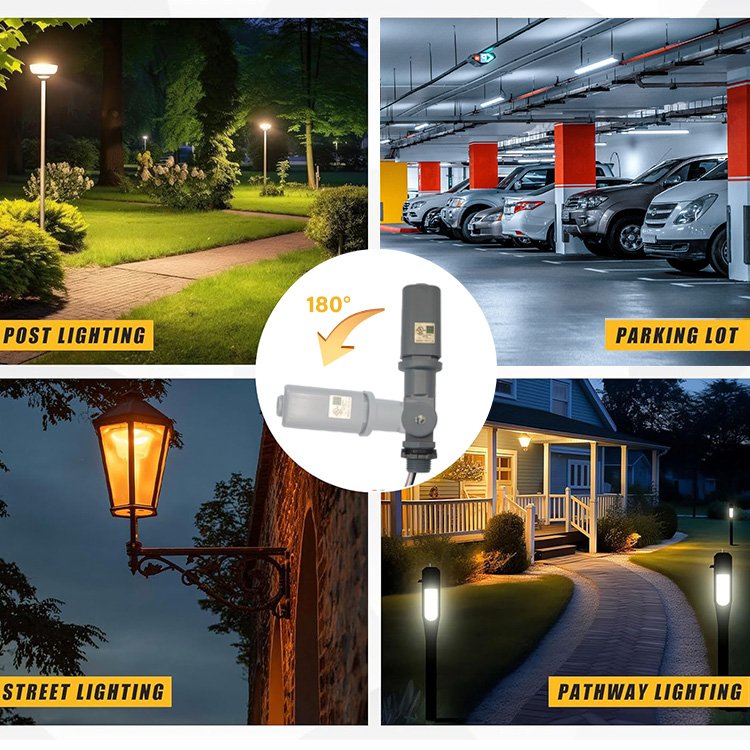
A capacidade de ajuste compromete a estabilidade ou a durabilidade?
Uma preocupação comum é se os mecanismos ajustáveis introduzem fragilidade mecânica. Do ponto de vista da fabricação, a capacidade de ajuste não costuma diminuir a durabilidade. Mecanismos giratórios bem projetados equilibram movimento controlado com travamento seguro e vedação ecológica.
Nos designs contemporâneos de controle com haste giratória, a faixa de ajuste é cuidadosamente projetada para manter a constância sob vibração, carga de vento e ciclos de temperatura.
Como os engenheiros devem avaliar estruturas de sensores fixas versus ajustáveis?
A escolha entre essas estruturas é basicamente uma decisão de fabricação. Os designs fixos priorizam a simplicidade em detrimento da adaptabilidade. Os designs ajustáveis priorizam a flexibilidade e a confiabilidade a longo prazo.
Na maioria das aplicações externas, onde a inconsistência e a mudança são previsíveis, as estruturas de sensores ajustáveis oferecem benefícios quantificáveis em termos de eficiência de comissionamento, estabilidade do sistema e controle de custos ao longo da vida útil.
Estruturas de sensores fixas versus ajustáveis: principais diferenças de engenharia
| Aspecto de Engenharia | Estrutura de sensor fixa | Estrutura de sensor ajustável |
| Controle de orientação | Bloqueado após a instalação | Ajustável após a instalação |
| Risco de instalação | Alto | Baixo |
| Esforço de Comissionamento | Tentativa e erro | Otimização controlada |
| Consistência do sistema | Variável em todo o local | Alinhamento uniforme possível |
| Adaptabilidade a longo prazo | Nenhum | Alto |
Como os designs ajustáveis suportam a escalabilidade da engenharia?
| Requisitos do projeto | Impacto do projeto fixo | Impacto do design ajustável |
| Variabilidade do local | Inconsistência de desempenho | Remuneração de orientação |
| Necessidades de manutenção | Reinstalação necessária | Realinhamento simples |
| Gestão de estoque | São necessárias várias variantes. | Modelo único adaptável |
| Custo do ciclo de vida | Aumenta ao longo do tempo | Custo total mais baixo |
Como a Lead-Top integra a estrutura ao desempenho do sistema?
Na Lead-Top, a estrutura mecânica é considerada um parâmetro central de desempenho, e não uma mera consideração secundária. Por meio de projetos adaptáveis, como o Controle de Haste Giratória, auxiliamos os engenheiros a reduzir os riscos de instalação, alcançar resultados consistentes de comissionamento e manter um desempenho confiável durante toda a vida útil do produto.
Em termos de fabricação aplicada, a escolha entre estruturas de sensores fixas e ajustáveis representa uma escolha entre suposições inflexíveis e design adaptativo. Para a maioria dos projetos contemporâneos de iluminação externa, a adaptabilidade prevalece.



 English
 Portuguese (Brazil)
 Spanish
 Russian
 Dutch
Dutch Japanese
 Portuguese (Portugal)