A infraestrutura externa deixou de ser estática. As metrópoles se expandem verticalmente, as fachadas de vidro refletivo se multiplicam, as tecnologias LED evoluem e as redes inteligentes reformulam constantemente as expectativas de desempenho. Nesse cenário em constante transformação, o design flexível de controle de iluminação se consolida como a pedra angular da próxima geração de controles de iluminação.
A mudança não é meramente estética. Ela caracteriza uma transformação estrutural na forma como os sistemas de iluminação são percebidos, instalados e preservados. O que antes funcionava adequadamente sob certas condições, agora precisa operar em ambientes definidos pela mudança. A flexibilidade deixou de ser opcional e tornou-se indispensável.

Como a evolução dos sistemas de iluminação externa alterou as premissas de projeto?
A evolução dos sistemas de iluminação exterior alterou principalmente as expectativas em relação aos dispositivos de controlo. Tradicionalmente, os sistemas de iluminação eram concebidos com base em três pressupostos fixos:
- A orientação de montagem permaneceria estável.
- As condições ecológicas próximas continuariam sendo esperadas.
- A avaliação de desempenho ocorreu principalmente durante a instalação.
Sob essas premissas, inflexível, orientação fixa controles de foto eram suficientes. Uma vez instalados, provavelmente funcionariam sem alterações por anos.
Contudo, os ambientes urbanos contemporâneos contrariam essas premissas. Novos edifícios são construídos. As superfícies tornam-se mais reflexivas. A vegetação cresce ou é removida. Os padrões de tráfego se alteram. As instalações de LED modificam o espectro de emissão. A vida útil da infraestrutura se estende muito além dos horizontes de planejamento originais.
Consequentemente, os controles projetados para ambientes estáticos enfrentam realidades dinâmicas.
A evolução dos sistemas de iluminação exterior, portanto, não se resume apenas à eficiência ou à conectividade, mas também à flexibilidade.
Por que a infraestrutura estática não é mais sustentável?
A infraestrutura estática pressupõe durabilidade. No entanto, as cidades modernas são ecossistemas fluidos.
Quando os controles de iluminação são projetados sem flexibilidade estrutural, eles dependem completamente de condições ideais de instalação. Qualquer desvio — seja desalinhamento, reflexo de brilho ou sombreamento — afeta diretamente a percepção do sensor.
Um fotocontrolador reage apenas à luz que recebe. Se sua orientação se tornar inadequada devido a mudanças ecológicas, seu comportamento de comutação pode mudar involuntariamente. Isso pode resultar em:
- Ativação antecipada
- Desligamento tardio
- Ineficiência energética
- Confiabilidade resumida do sistema
É exatamente essa lacuna que o design de controle de iluminação flexível busca solucionar: a incongruência entre produtos estáticos e ambientes dinâmicos.
O que significa, na prática, um projeto de controle de iluminação flexível?
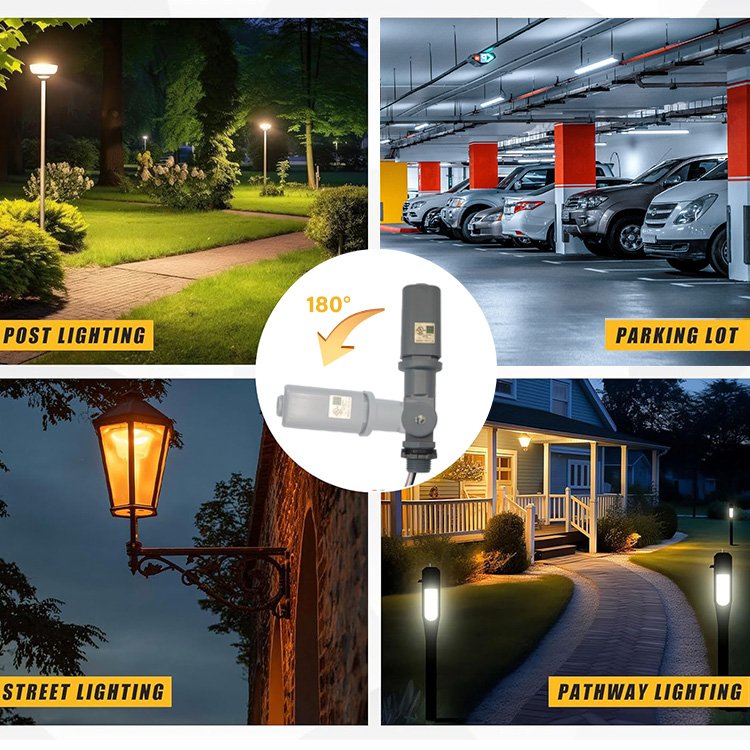
Flexibilidade não significa simplesmente ajuste por conveniência. Denota uma filosofia estrutural intrínseca ao produto.
Em sua essência, o design flexível de controle de iluminação permite:
- Retificação pós-instalação
- Reotimização da orientação
- Adaptação às mudanças ecológicas
- Renovação de desempenho sem substituição
Essa tática vai além da simples interrupção em caso de falha. Ela amplia a confiabilidade para incluir a precisão funcional contínua ao longo do tempo.
Como a tendência do controle de luz ajustável reflete as mudanças do setor?
A tendência do controle fotográfico ajustável não é uma mera melhoria passageira — reflete uma revolução mais profunda no setor.
Estruturas ajustáveis permitem que especialistas otimizem a exposição do sensor durante o comissionamento e mesmo após anos de operação. Se novas superfícies refletoras causarem ofuscamento, o sensor pode ser reposicionado. Se a construção do edifício alterar a iluminação ambiente, ajustes podem restaurar os limites de comutação previstos.
Isso diminui a necessidade de:
- Substituição de produto
- Reconfiguração da fiação
- Alteração estrutural
- Diversificação de estoque
Ao incorporar flexibilidade ao dispositivo, a tendência de controle fotográfico ajustável oferece suporte a um funcionamento estável e duradouro em ambientes instáveis.
Como a flexibilidade redefine a confiabilidade?
Tradicionalmente, confiabilidade significava resiliência mecânica e resistência a falhas. Um produto que continuava funcionando sem interrupção era considerado confiável.
Contudo, nas aplicações contemporâneas, a confiabilidade deve conter constância funcional.
Um controle de iluminação que aciona em momentos incorretos — mesmo que esteja mecanicamente intacto — compromete o desempenho do sistema. Portanto, a confiabilidade agora deve incluir:
- Tolerância ecológica
- Flexibilidade de trabalho
- Precisão de desempenho de longa duração
O design flexível do controle de iluminação amplia a confiabilidade, passando da resistência a falhas para a resistência à obsolescência.
Essa definição abrangente está diretamente alinhada com os objetivos da próxima geração de controles de iluminação.
Por que a flexibilidade melhora a resiliência do projeto?
Projetos extensos raramente alcançam configurações de instalação perfeitas. As variáveis incluem:
- Imprevisibilidade do ângulo de montagem
- Refletividade da superfície
- Variações elétricas
- Brilho específico do local
Projetos inflexíveis transferem todo o risco para a fase de instalação. Se a instalação for insatisfatória, o desempenho será afetado de forma permanente.
Ao permitir ajustes durante o comissionamento, os engenheiros podem corrigir desvios sem precisar substituir componentes. Isso reduz a dependência de suposições perfeitas e aumenta a previsibilidade em grandes implantações.
Como a flexibilidade simplifica a padronização?
Do ponto de vista das aquisições, a flexibilidade diminui a complexidade.
Quando um único design flexível consegue acomodar diversas orientações de montagem e variações ecológicas, são necessárias menos variações de produto. Isso simplifica:
- Processos de especificação
- Organização de estoque
- Planejamento de aquisições
- Logística de manutenção
Em vez de manter em estoque inúmeros modelos de orientação fixa, as organizações podem implantar uma solução padronizada e flexível para se adaptar a diversas condições.
A tendência de controle fotográfico ajustável, portanto, favorece tanto a eficiência técnica quanto a funcional.
Qual o papel do controle da haste giratória na flexibilidade estrutural?
Diferentemente dos modelos com haste fixa, controle de haste giratória Integra o ajuste fino da orientação controlada diretamente na interface estrutural entre o sensor e a superfície de montagem. Isso permite:
- Ajuste fino direcional preciso
- Manutenção da estabilidade após o ajuste
- Reotimização conforme as atmosferas evoluem
É importante destacar que essa flexibilidade não compromete a robustez mecânica. Em vez disso, reconhece que as circunstâncias ecológicas são variáveis — e os projetos são desenvolvidos de acordo.
Ao incorporar o ajuste na própria estrutura, o controle da haste giratória representa uma implementação madura dos princípios de design de controle de iluminação flexível.
Como a flexibilidade moldará a próxima geração de controles de iluminação?
A transição para a próxima geração de controles de iluminação envolve mais do que integração digital. Requer flexibilidade estrutural alinhada a um planejamento de infraestrutura de longo prazo.
Os sistemas futuros devem responder a:
- Estratégias energéticas variadas
- Requisitos regulamentares atualizados
- Densidade urbana crescente
- Integração com redes inteligentes
Projetos inflexíveis limitam a adaptabilidade. Sistemas flexíveis permitem atualizações, recalibração e manutenção do desempenho sem a necessidade de substituição completa.
O foco está mudando do sucesso de uma instalação única para a flexibilidade ao longo da vida útil do produto.
Essa é a característica essencial dos controles de iluminação de próxima geração.
Quais são as principais diferenças entre controles de iluminação rígidos e flexíveis?
| Aspecto | Design rígido | Design flexível |
| Orientação | Corrigido após a instalação | Ajustável após a instalação |
| Adaptação Ambiental | Limitado | Reotimizável |
| Tolerância de comissionamento | Baixo | Alto |
| Relevância a longo prazo | Risco de obsolescência | Aplicabilidade sustentada |
| Requisitos de inventário | Múltiplas variantes | Solução padronizada |
| Definição de confiabilidade | Sobrevivência mecânica | Precisão funcional ao longo do tempo |
Como a flexibilidade influencia o valor ao longo do ciclo de vida?
| Estágio do ciclo de vida | Sem flexibilidade | Com design de controle de iluminação flexível |
| Instalação | Requer condições ideais. | Permite correção |
| Comissionamento | Ajuste limitado | Otimização de orientação |
| Mudanças Ambientais | Desvio de desempenho | Reajuste possível |
| Manutenção | Substituição provável | Recalibração preferencial |
| Valor a longo prazo | Declínio ao longo do tempo | Preservado por meio da adaptabilidade |
Qual é a perspectiva da alta administração sobre flexibilidade?
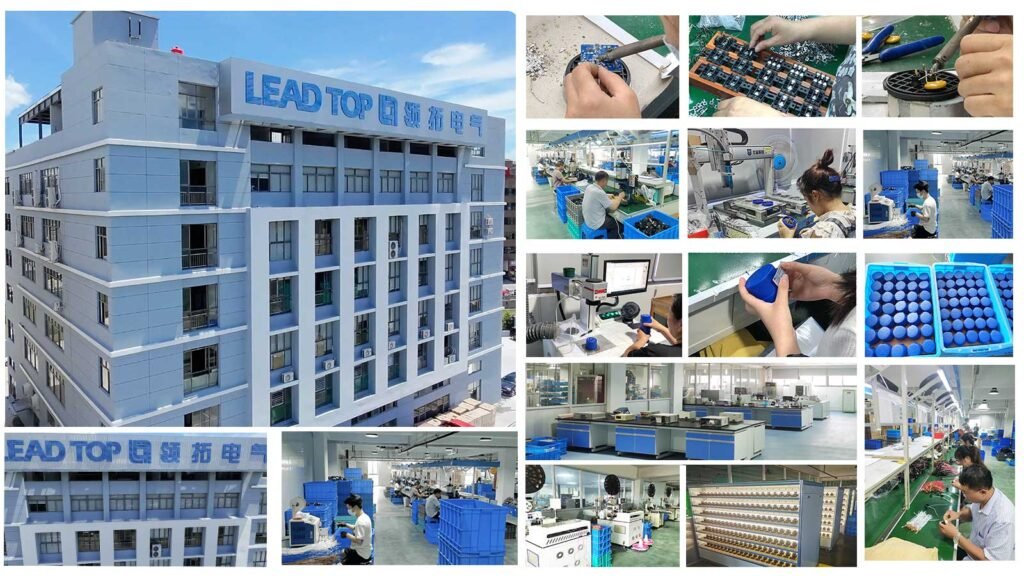
Na Lead-Top, a flexibilidade não é tratada como um mero aprimoramento, mas sim como um princípio fundamental de fabricação. Ao adotar a tendência de fotocontrole ajustável e incorporar o controle da haste giratória ao design estrutural do produto, a empresa se alinha à evolução mais ampla dos sistemas de iluminação externa.
O raciocínio é simples:
Projetar para a mudança.
Quando os controles de iluminação se adaptam à variabilidade da vida real, os sistemas permanecem confiáveis independentemente das mudanças atmosféricas, das necessidades de cultivo e da longa vida útil.
Na era vindoura, a adaptabilidade não será o diferencial dos produtos premium — ela definirá as expectativas básicas.
A flexibilidade deixou de ser uma característica.
É a base do futuro.

 Portuguese (Brazil)
  English
  Spanish
  Russian
  Dutch
Dutch  Japanese
  Portuguese (Portugal)