Introdução
Há mais de uma década, com o objetivo de diminuir o consumo de eletricidade e os custos de manutenção, cidades ao redor do mundo têm se concentrado em substituir os postes de iluminação convencionais por lâmpadas fluorescentes compactas. LEDs. Os municípios estão agora entrando em uma nova fase de melhoria da iluminação pública, embora essa primeira onda de modernização tenha trazido economias consideráveis.
Em vez de perguntarem apenas "Quanta energia podemos economizar?", os planejadores urbanos estão progressivamente questionando "Como a iluminação pode melhorar a vida das pessoas, mantendo-se sustentável?".“
Uma nova filosofia de design de iluminação centrada no ser humano surgiu, considerando não apenas a eficiência energética, mas também o bem-estar humano, a facilidade visual, a segurança pública, a proteção ecológica e a satisfação da comunidade.
Em vez de simplesmente prosseguir com a instalação, os administradores optaram por revisar as especificações de iluminação e consultar o público. Isso reflete uma tendência importante nas **Tendências de Iluminação LED 2026**: projetos de iluminação bem-sucedidos agora são medidos tanto pelo desempenho técnico quanto pelo reconhecimento da comunidade.
Para construir municípios mais seguros, confortáveis e sustentáveis, as cidades continuam investindo em programas de retrofit de iluminação LED municipal, iluminação pública inteligente, iluminação adaptativa e sistemas de controle inteligentes.

Por que a iluminação centrada no ser humano está se tornando uma prioridade importante para as cidades?
Crescente Conscientização sobre Saúde Pública
Os efeitos da iluminação artificial vão muito além da visibilidade. Muitos estudos defendem que a iluminação excessiva, o brilho intenso e as temperaturas de cor inadequadas podem afetar o bem-estar visual, os padrões de sono e a experiência noturna em geral.
Embora a iluminação pública seja destinada principalmente à segurança, as prefeituras reconhecem agora que ela também deve criar espaços públicos agradáveis. Essa é uma das razões pelas quais a Iluminação Centrada no Ser Humano se tornou uma consideração essencial no design de iluminação externa atual.
Em vez de instalar as luminárias mais brilhantes possíveis, as cidades buscam progressivamente sistemas de iluminação que ofereçam:
- Visibilidade noturna confortável
- Brilho reduzido para motoristas e pedestres
- Níveis de iluminação adequados para diferentes ambientes
- Melhoria da estética do bairro
- Melhor bem-estar comunitário
Essa metodologia centrada nas pessoas está alinhada com as tendências mais amplas de iluminação LED para 2026, onde a qualidade é valorizada juntamente com a competência.
Por que o envolvimento da comunidade é importante
Os cidadãos de hoje esperam contribuir para as decisões que afetam suas comunidades. Os projetos de iluminação não são exceção.
Debates públicos ajudam as cidades a coletar opiniões sobre:
- Preferências de iluminação
- Temperatura de cor
- Necessidades de iluminação residencial
- preocupações com a segurança
- impactos ecológicos
O projeto de Norfolk demonstra que iniciativas bem-sucedidas de modernização de sistemas de iluminação LED em municípios precisam equilibrar o desempenho da engenharia com as expectativas do público.
Tabela 1: Atualizações tradicionais de LED versus iluminação pública centrada no ser humano
| Recurso | Retrofit tradicional de LED | Iluminação pública centrada no ser humano |
| Objetivo principal | Reduzir o consumo de energia | Equilibrar eficiência, conforto e segurança. |
| Controle de iluminação | Saída fixa | Iluminação adaptativa com ajuste dinâmico |
| Contribuição da comunidade | Limitado | Engajamento público ativo |
| Foco | Economia de custos | Bem-estar público e sustentabilidade |
| Impacto Ambiental | Menor consumo de energia | Menor consumo de energia, além de redução do brilho e da poluição luminosa. |
| Tecnologia | Luminárias LED básicas | Fotocontrole inteligente, sensores e controles inteligentes |
Por que as adaptações tradicionais de LED já não são suficientes?
Embora essas modernizações tenham reduzido consideravelmente o consumo de energia, elas ainda não se concentraram nas diversas necessidades urbanas. A primeira geração de projetos de LED focou na substituição de tecnologias mais antigas, como lâmpadas de sódio de alta pressão e de iodetos metálicos.
Atualmente, as cidades esperam que os sistemas de iluminação ofereçam suporte a:
- Segurança pública
- Sustentabilidade ecológica
- Incorporação de cidade inteligente
- Flexibilidade operacional
- Experiências aprimoradas para os cidadãos
Prioridades anteriores
Projetos de iluminação anteriores destacaram:
- Contas de eletricidade mais baixas
- Vida útil da lâmpada mais longa
- Manutenção barata
- Retorno mais rápido do investimento
Esses objetivos continuam sendo imprescindíveis, mas já não são suficientes.
Novas prioridades para 2026
As tendências atuais de iluminação LED para 2026 focam cada vez mais em:
- Ambiente noturno confortável
- Brilho reduzido
- Menor poluição luminosa
- Segurança da vida selvagem
- Ajuste flexível de brilho
- Integração com plataformas de iluminação urbana inteligente
Essa evolução explica por que muitas cidades agora incluem requisitos de iluminação adaptativa em novas especificações de licitação.
Como os controles de iluminação inteligentes apoiam a iluminação centrada no ser humano?
A qualidade da iluminação depende não só das luminárias, mas também de sistemas de controle inteligentes. As modernas tecnologias de fotocontrole inteligente permitem que as prefeituras otimizem a iluminação de acordo com as situações reais, em vez de dependerem de horários fixos.
Ajuste dinâmico de brilho
Diferentemente dos sistemas convencionais que funcionam com potência máxima durante toda a noite, a Iluminação Adaptativa ajusta os níveis de iluminação com base em:
- Densidade de tráfego
- Atividade de pedestres
- Hora da noite
- Situação climática
- Eventos especiais
Essa tática melhora a eficiência energética, mantendo ao mesmo tempo uma visibilidade adequada.
Redução do brilho
Iluminação excessiva pode causar desconforto e reduzir a visibilidade devido a problemas de contraste.
Os sistemas inteligentes de regulação de intensidade luminosa ajudam a manter uma iluminação equilibrada, o que melhora o conforto do motorista e, ao mesmo tempo, garante a segurança dos pedestres.
Melhor eficiência energética
Os atuais sistemas de iluminação pública inteligente otimizam continuamente o consumo de energia, reduzindo o uso desnecessário de eletricidade durante períodos de baixa atividade, em vez de simplesmente ligar e desligar as luzes.
Quais produtos Lead-Top são compatíveis com a iluminação pública centrada no ser humano?
A Lead-Top oferece diversas soluções que dão suporte a projetos modernos de iluminação urbana inteligente e aplicações adaptáveis de iluminação externa.
Fotocontrolador de dimerização LT154

O LT154 suporta aplicações de dimerização inteligente, combinando uma operação confiável do anoitecer ao amanhecer com compatibilidade com iluminação inteligente.
Os principais benefícios incluem:
- Desempenho de comutação estável
- Capacidade de escurecimento
- Defesa contra surtos de alta potência
- Operação confiável em ambientes externos
- Vida útil prolongada
Receptáculo LT635-7PIN sem ferramentas
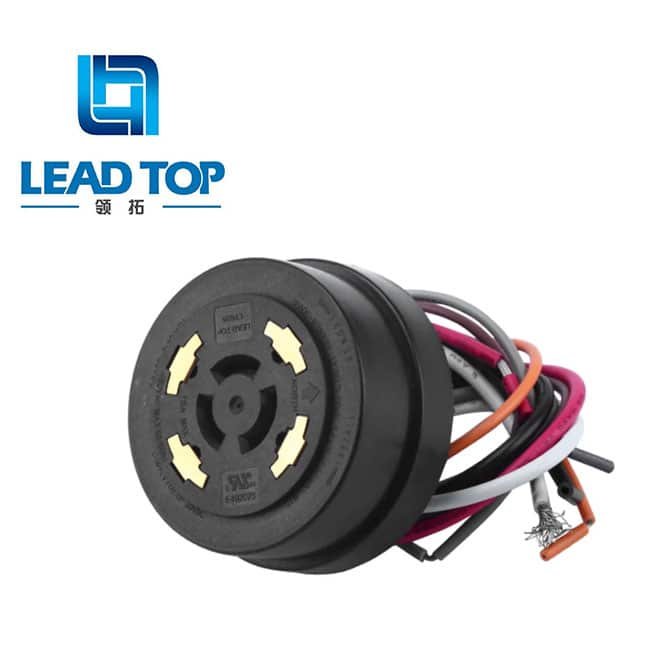
O LT635-7PIN oferece uma interface de fácil instalação para nós de iluminação inteligentes.
As vantagens incluem:
- Instalação sem ferramentas
- Compatibilidade com ANSI C136.41
- Incorporação de controlador inteligente
- Manutenção fácil
- Design preparado para o futuro
Conector Zhaga da série LT600

A série LT600 suporta a incorporação de sensores compactos para aplicações inovadoras de iluminação urbana inteligente.
Os benefícios incluem:
- Compatibilidade do livro 18 de Zhaga
- Arquitetura modular
- Suporte à integração DALI
- Avanços fáceis em sensores
- Expansão de iluminação inteligente
Tabela 2: Soluções recomendadas para luminárias com topo em chumbo em projetos de iluminação centrados no ser humano.
| Produto | Função principal | Melhores Aplicações | Principais vantagens |
| Fotocontrolador de dimerização LT154 | controle de iluminação inteligente | Vias municipais | Suporte para dimerização, proteção contra surtos, comutação confiável |
| Receptáculo LT635-7PIN sem ferramentas | Interface de iluminação inteligente | Luminárias LED preparadas para tecnologia inteligente | Instalação sem ferramentas, compatibilidade com ANSI |
| Conector Zhaga da série LT600 | Conectividade do sensor | Projetos de iluminação adaptativa e IoT | Design modular, compatibilidade com DALI, escalabilidade futura |
Como as cidades inteligentes equilibram segurança e sustentabilidade?
Ao minimizar a emissão de luz desnecessária, as políticas de projeto de iluminação externa bem elaboradas fornecem iluminação suficiente para motoristas, ciclistas e pedestres.
Iluminação baseada em eventos
Os níveis de iluminação podem aumentar roboticamente durante:
- eventos esportivos
- reuniões públicas
- Condições de emergência
- Períodos de tráfego intenso
Escurecimento em áreas residenciais
Durante a madrugada, os bairros residenciais costumam apresentar volumes de tráfego consideravelmente menores.
As cidades podem reduzir o brilho excessivo, mantendo a visibilidade segura, utilizando iluminação adaptativa.
Zonas de iluminação sensíveis à vida selvagem
Diversos municípios agora criam estratégias especiais de iluminação perto de:
- Terrenos
- Vias navegáveis
- reservas naturais
- Ambientes litorâneos
A menor intensidade luminosa e o funcionamento cuidadosamente controlado ajudam a diminuir os impactos ambientais, ao mesmo tempo que apoiam os objetivos de biodiversidade.
O que os compradores municipais devem considerar em futuros projetos de iluminação?
Com a continuidade dos programas municipais de modernização da iluminação LED, os compradores devem avaliar os sistemas de iluminação com base no desempenho a longo prazo, em vez de considerar apenas o preço de compra inicial.
Entre as principais preocupações, incluem-se:
Compatibilidade com dimerização
Os projetos contemporâneos necessitam cada vez mais de componentes de iluminação que suportem o controle adaptativo e a futura expansão da iluminação inteligente.
Arquitetura preparada para inteligência artificial
Os designs abertos e segmentados facilitam a incorporação:
- Sensores
- Módulos de comunicação
- Controladores sem fio
- Plataformas de cidades inteligentes
Padrões Abertos
A seleção de produtos que estejam em conformidade com padrões reconhecidos melhora a interoperabilidade e agiliza os avanços futuros.
Confiabilidade
Componentes de longa duração com forte proteção contra surtos reduzem os custos de manutenção e melhoram a disponibilidade do sistema.
Escalabilidade
A infraestrutura comunitária deve permanecer adaptável, acompanhando o desenvolvimento contínuo das tecnologias ao longo das próximas décadas.
Perguntas frequentes (FAQ)
O que é iluminação centrada no ser humano?
Ao mesmo tempo que preza pela eficiência energética e sustentabilidade, a Iluminação Centrada no Ser Humano é uma metodologia que projeta a iluminação em torno do conforto, bem-estar, segurança e experiência visual do público.
Por que as cidades estão indo além das tradicionais adaptações com LED?
A substituição básica por lâmpadas LED reduz o consumo de energia, mas os municípios modernos também precisam de controle adaptativo da iluminação, redução do ofuscamento, proteção ecológica, conectividade inteligente e maior satisfação da comunidade.
Como a tecnologia Smart Photocontrol melhora a iluminação externa?
Um sistema de fotocontrole inteligente gerencia a iluminação de forma automatizada, com base nas circunstâncias do ambiente, oferece suporte ao escurecimento inteligente, melhora a eficiência energética, reduz a necessidade de manutenção e permite a integração com plataformas de iluminação urbana inteligente.
Qual o papel da iluminação adaptativa em projetos municipais?
Ao mesmo tempo que garante a segurança pública, a Iluminação Adaptativa ajusta a iluminação de forma eficiente de acordo com o tráfego, a atividade de pedestres, o clima e a hora do dia, ajudando os municípios a diminuir o consumo de energia.
Por que a iluminação inteligente das cidades é importante para o futuro?
A iluminação urbana inteligente faz parte da infraestrutura metropolitana conectada, permitindo monitoramento centralizado, gerenciamento remoto, otimização de energia e integração com sensores e redes de comunicação.
Chamada para ação (CTA)
Para dar suporte a projetos de iluminação urbana inteligente preparados para o futuro, a Lead-Top oferece soluções OEM acessíveis que reúnem fotocontroladores inteligentes e conectores Zhaga., DALIInterfaces compatíveis e tecnologias de iluminação adaptáveis. Seja você uma metrópole, consultor de iluminação, empreiteiro ou parceiro OEM, entre em contato com a Lead-Top para explorar soluções confiáveis e energeticamente eficientes para o controle de iluminação externa, feitas sob medida para a infraestrutura urbana contemporânea.


 English
 Portuguese (Brazil)
 Spanish
 Russian
 Dutch
Dutch Japanese
 Portuguese (Portugal)