Introduction: Why Do Dusk to Dawn Light Bulb Sockets Sometimes Fail?
Outdoor illumination mechanization has become progressively popular in domestic, commercial, and urban environs. One of the simple solutions is a photocell-based illumination control system, normally known as a photocell light control socket.
These sockets consist of built in light sensor that mechanically switches the lamp on at sunset and off at dawning, eliminating the necessity for manual switching. Dusk-to-dawn sockets are broadly used for:
- Portico illuminations
- Street illumination
- Áreas de estacionamento
- Lawn and passageway lighting
In spite of their straightforwardness, users sometimes report that their dusk to dawn light bulb socket not working properly. Occasionally the light fails to turn on at evening, stays on during the day, or flashes surprisingly.
The good news is that most photocell bulb socket problems are not produced by product faults but by installation settings or ecological factors. With proper automatic light socket troubleshooting, these issues can often be fixed quickly.

What If The Photocell Sensor Is Blocked?
UM fotocélula works by measuring environmental light intensity. When day light drops below a certain threshold, the sensor activates the switch and turns the lamp on.
Though, if the sensor is blocked by neighboring objects, it may fail to sense natural light properly.
Common blockades comprise:
- Lampshades
- Walls or pillars
- Ornamental covers
- Tree branches or leaves
When the sensor gets restricted light exposure, it may wrongly assume that it is always dark or always bright.
Solução
To avert these photocell bulb socket problems, confirm that:
- The sensor faces outward toward open space
- Nothing blocks the light sensing area
- The fixture is installed where natural light of day can reach the sensor
Proper positioning confirms the photocell light control socket can precisely sense day and night cycles.
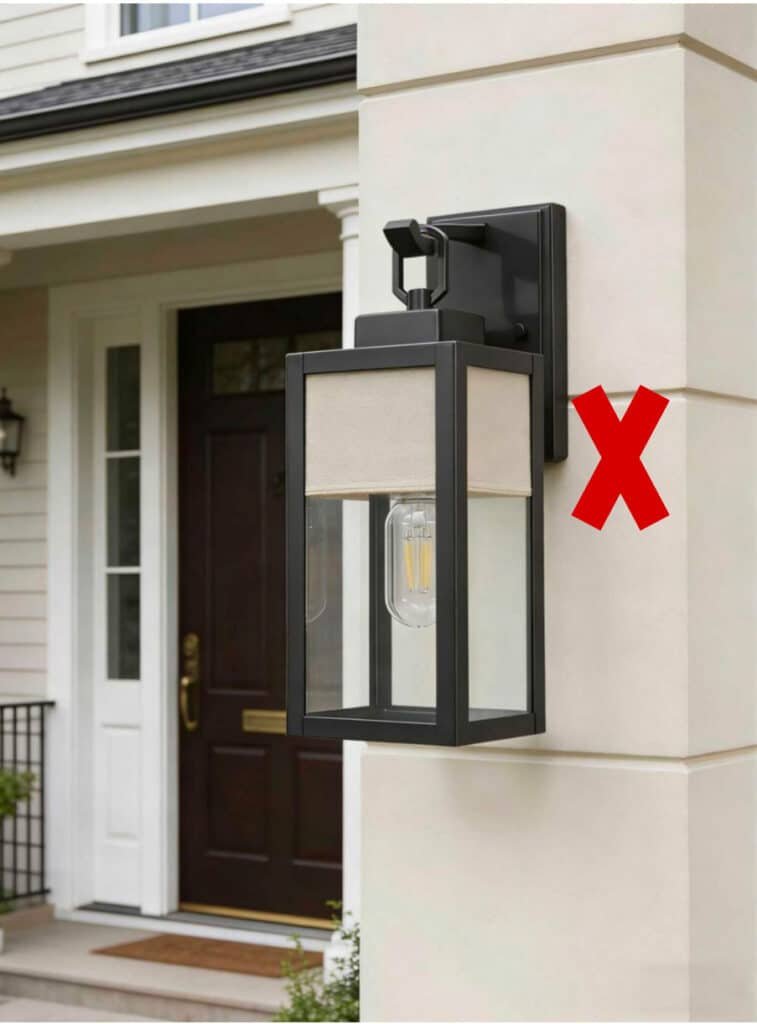
What If The Socket Is Installed in an Enclosed Fixture?
One more recurrent cause of dusk to dawn light bulb socket not working problems is installing the socket inside a fully enclosed light fitting.
Numerous outdoor illumination fixtures are made with sealed coverings to guard bulbs from:
- Precipitation
- Dirt
- Bugs
While this fortification is positive, it can also avert light of day from reaching the photocell sensor.
When the sensor cannot sense outside illumination settings, the automatic switching mechanism may fail.
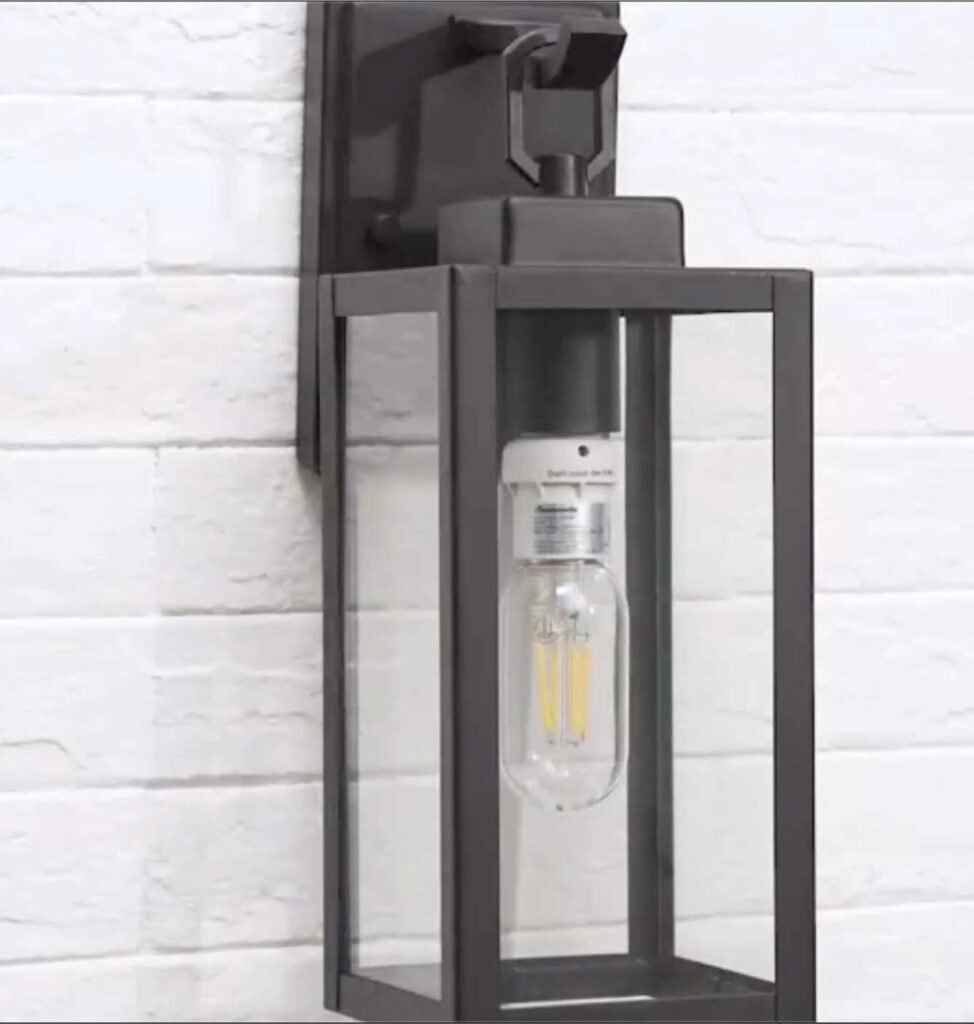
Solução
For trustworthy automatic light socket troubleshooting, select fittings that permit adequate light to reach the sensor.
Suggested fixture designs comprise:
- Open-bottom lamps
- See-through or translucent covers
- Fittings with side openings
These designs permit the photocell light control socket to sense variations in light of day and work properly.
What happens In Case of Incompatible Light Bulbs?
Contemporary illumination systems often use LED bulbs because they are energy proficient and long-lasting. Though, not all LED bulbs are compatible with all automatic illumination control device.
Some low-cost LED drivers may create electrical characteristics that interfere with the switching circuit inside a photocell light control socket.
This may result in:
- Illuminations trembling
- Illuminations not turning on
- Illuminations staying on constantly
Solução
To evade these problems:
- Use high-grade LED bulbs
- Select bulbs made for outdoor fittings
- Choose lamps suggested for automatic switching systems
How Do Sensor Sensitivity Affect Operation?
When the neighboring light declines below this threshold, the device stimulates the illumination circuit.
Though, certain ecological factors may disturb sensor sensitivity.
Examples comprise:
- Surrounding street lights
- Redirected light from buildings
- faróis de automóvel
- Periodic light of day variations
These situations may cause the photocell light control socket to turn on too early or too late.
High-grade photocell sockets are made with steady switching thresholds to minimalize wrong initiating.
Solução
If your dusk to dawn light bulb socket not working constantly initiates at incorrect times:
- Relocate the fixture away from non-natural light sources
- Use licensed photocell sockets with steady sensors
Can Electrical Power Supply Problems Affect Photocell Sockets?
If the electrical supply to the socket is unstable, the photocell may fail even though the device itself is working normally.
Solução
- Make sure wiring connections are safe
- Confirm that voltage supply is constant
- Examine the fitting for impaired components
Table 1: Common Causes of Dusk-to-Dawn Socket Problems
| Problem Cause | Descrição | Resultado típico |
| Blocked photocell sensor | Sensor covered by objects or fixtures | Light does not switch correctly |
| Enclosed fixture housing | Sensor cannot detect daylight | Light remains on or off |
| Incompatible LED bulbs | LED driver interferes with switching circuit | Flickering or failure to start |
| Sensor exposto à luz artificial. | Streetlights or reflections affect sensor | Incorrect switching time |
| Wiring or power issues | Loose connections or unstable voltage | Intermittent operation |
How Can You Prevent Future Photocell Socket Issues?
Avoiding photocell bulb socket problems starts with selecting the right products and installing them correctly.
Dependable photocell sockets typically comprise features like:
- Steady photocell sensors
- Weather-resilient construction
- Compatibilidade com LED
- Specialized safety criterions
Table 2: Features to Look for in a High-Quality Photocell Socket
| Recurso | Por que isso importa | Beneficiar |
| Stable light sensor | Accurate detection of daylight | Impede a comutação falsa |
| Carcaça resistente às intempéries | Protects internal electronics | Longer outdoor lifespan |
| Compatibilidade com LED | Works with modern lighting technology | Reliable switching performance |
| Safety accreditations | Meets global electrical criterions | Enhanced dependability and protection |
Perguntas frequentes
Why does my dusk to dawn socket not turn on at night?
If your dusk to dawn light bulb socket not working at night-time, the photocell sensor may be blocked or visible to artificial light. Make sure the sensor can sense natural nightfall.
Can enclosed fixtures affect photocell sockets?
Yes. Enclosed coverings may avert light of day from reaching the sensor, causing photocell bulb socket problems.
Are dusk to dawn sockets compatible with LED bulbs?
Most contemporary photocell light control socket products support LED bulbs. Though, using high-grade bulbs increases system dependability.
Conclusion: How Can You Ensure Reliable Photocell Lighting Performance?
Confirming proper sensor exposure, compatible LED bulbs, and unchanging electrical connections can solve the majority of automatic light socket troubleshooting circumstances.
Photocell illumination control remains one of the most real-world and energy proficient resolutions for outdoor illumination mechanization.
With the correct installation practices and dependable products, users can enjoy reliable dusk-to-dawn illumination performance for countless years.
Lead-Top Electrical has more than a decade of experience in the photo control industry, offering a wide-ranging illumination control solutions containing dusk-to-dawn sockets, NEMA twist-lock photocells, wire-in photocell controllers, and Zhaga smart illumination controls used in international illumination markets.


 Portuguese (Brazil)
  English
  Spanish
  Russian
  Dutch
Dutch  Japanese
  Portuguese (Portugal)