Почему результаты теста LUX фотоэлемента часто оказываются противоречивыми?
В многочисленных проектах наружного освещения заказчики и инженеры сообщают, что измеренные значения люкс не соответствуют характеристикам, указанным в технических паспортах фотоэлементов. Это часто вызывает опасения по поводу того, что... фотоэлемент неисправен или неправильно настроен. Хотя в большинстве случаев проблема заключается не в поломке изделия, а в непоследовательности метода тестирования фотоэлемента.
На самом деле, люкс — это не фиксированный, универсальный параметр. Это измеренный результат, на который влияют конкретная испытательная атмосфера, источник света, угол, расстояние и оптическая схема. Если эти переменные изменяются, то и измеренная точка переключения фотоэлемента также может измениться.
Понимание причин возникновения расхождений в измерениях люкс важно для всех, кто занимается тестированием продукции, проверкой проектов или контролем качества систем наружного освещения.
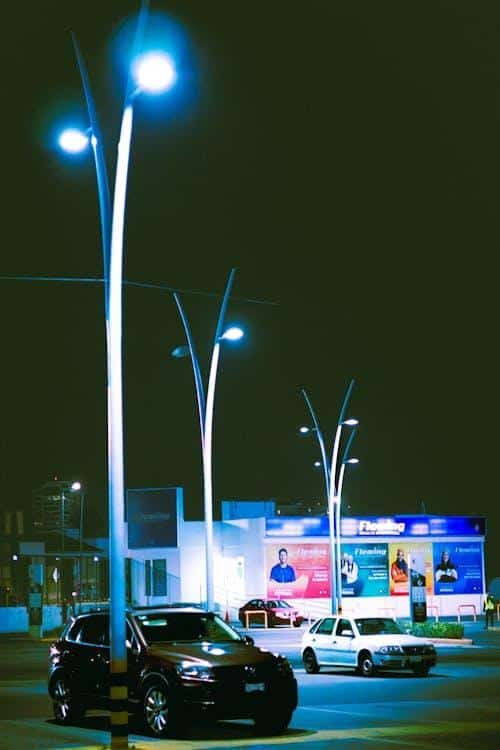
Почему люкс не является абсолютной величиной?
Распространенное заблуждение заключается в том, что фотоэлемент должен срабатывать при одном и том же значении люкс при любых обстоятельствах. На практике фотоэлементы работают не так.
Как фотоэлемент на самом деле обнаруживает свет?
Фотоэлемент не измеряет “универсальную яркость”. Вместо этого он реагирует на количество и тип света, достигающего его датчика при определенных условиях.
Почему это важно?
Без определения параметров тестирования значение люкс имеет мало инженерного смысла. Два человека могут тестировать один и тот же фотоэлемент в разных атмосферах и получать разные результаты — даже если изделие работает исправно.
Это одна из главных причин неверной интерпретации значений люкс в индустрии освещения.
Как источник света влияет на измерение освещенности фотоэлемента в люксах?

Спектральные характеристики источника света оказывают ключевое влияние на реакцию фотоэлемента.
Фотоэлементы могут реагировать по-разному, поскольку их спектральные распределения различны, даже если два источника света дают одинаковое измеренное количество люкс.
Лампа накаливания (~2800K)
Создает непрерывный теплый спектр света, подобный тому, что излучают уличные фонари старого образца.
ВЕЛ и люминесцентное освещение
Часто наблюдаются прерывистые спектры с пиками на определенных длинах волн.
Холодный белый свет (~5000K–6500K)
Содержит больше синего света, что может значительно изменить реакцию сенсора.
Поскольку фотоэлементы реагируют на спектр света, а не только на освещение, изменение источника света часто приводит к ошибкам при проверке фотоэлемента во время аутентификации.
Почему так важна правильная настройка тестирования?
Даже при использовании одного и того же источника света физическое расположение тестовой установки может существенно повлиять на результаты.
Как угол экспозиции влияет на показания?
Фотоэлемент, видимый непосредственно источнику света, будет реагировать иначе, чем элемент, на который попадает отраженный или направленный под углом свет.
Ориентация сенсора влияет на то, сколько света фактически попадает в фотоэлемент.
Почему расстояние имеет значение?
Чем дальше источник света находится от датчика, тем меньше эффективная освещенность на поверхности фотоэлемента — даже если освещение в помещении кажется похожим.
Каким образом окружающий свет создает помехи?
Неконтролируемый экологический свет от окон, ламп или отражений может искажать показания и приводить к непоследовательности в измерениях люкс.
Почему результаты в помещении и на открытом воздухе различаются?
Лабораторные условия организованы и позволяют воспроизводить результаты. Внешние испытания включают в себя:
- Изменения солнечного света
- Изменения погоды
- Поверхностные отражения
- Экологическое вмешательство
Именно поэтому результаты полевых и лабораторных испытаний фотоэлементов на предмет освещенности часто различаются.
Как конструкция корпуса фотоэлемента влияет на световой поток (люкс)?
Физическая структура фотоэлемента также влияет на количество света, достигающего внутреннего датчика.
Непрозрачное жилье
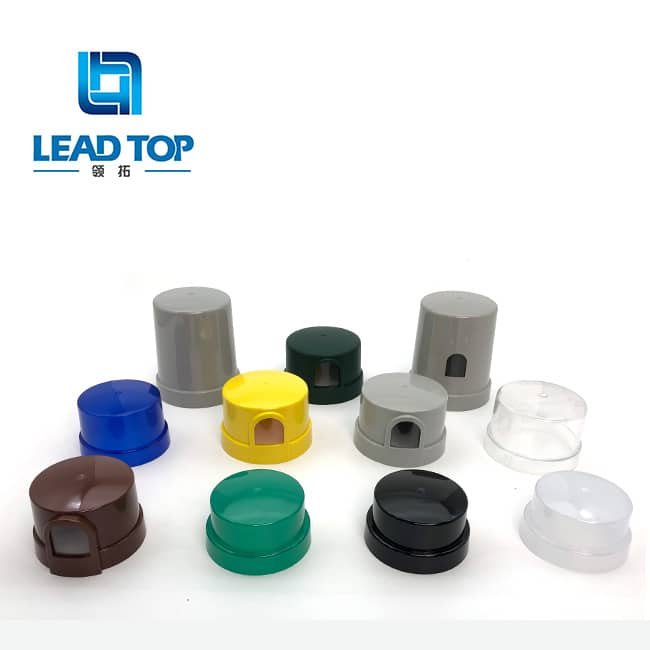
Уменьшает количество поступающего света и может снизить чувствительность.
Прозрачный или оконный корпус
Позволяет большему количеству света достигать датчика, повышая чувствительность.
Материал и цвет поверхности
Может влиять на отражение и поглощение падающего света.
Эти конструктивные различия влияют на фактическую экспозицию датчика и точность измерения значений люкс.
Что представляет собой типичный сценарий несоответствия в реальной жизни?
Распространенная проблема возникает, когда клиенты тестируют фотоэлемент, используя случайную светодиодную лампу вместо стандартного источника света.
Что произойдёт в этом сценарии?
- Регулировка фотоэлемента осуществлялась с использованием одного спектра.
- Покупатель проводит тестирование с использованием другого спектра.
- Измеренная точка переключения LUX выглядит “неправильной”.”
На самом деле фотоэлемент работает исправно. Неисправность вызвана не самим изделием, а особенностями тестовой установки. Это классический пример ошибки тестирования фотоэлемента, вызванной нестандартными методами аутентификации.
Как обеспечить надежное и воспроизводимое тестирование LUX?
Для повышения стабильности методов тестирования необходимо обеспечить их однородность.
Почему следует использовать источники света, соответствующие стандартам?
Всегда используйте тот же тип источника света и цветовую температуру, которые указаны для данного изделия.
Это обеспечит согласованность между калибровкой подрядчика и аутентификацией клиента.
Почему необходимо контролировать расстояние и угол?
В ходе каждого теста держите источник света на фиксированном расстоянии и под фиксированным углом.
Даже небольшие изменения могут существенно повлиять на результаты.
Почему следует исключить окружающий свет?
Испытания следует проводить в контролируемой атмосфере с минимальным воздействием внешнего света.
Почему важна согласованность действий с поставщиками?
Перед оценкой характеристик продукции покупатели и подрядчики должны согласовать точный метод тестирования фотоэлементов.
Каковы наиболее распространенные причины несоответствия результатов тестирования LUX?
Таблица 1: Распространенные причины вариаций результатов теста LUX фотоэлемента
| Причина | Влияние на результат | Создан риск |
| Различный спектр источников света | Изменение реакции датчика | Неверная оценка выполнения |
| Переменный угол тестирования | Изменяет количество света, принимаемого датчиком. | Нестабильные результаты переключения |
| Несоответствие расстояния | Изменяет эффективную освещенность | Неточные показания люкс |
| Помехи от окружающего освещения | Измерения искажений | Выводы о ложных результатах теста |
| Различия в дизайне жилья | Изменение экспозиции сенсора | Неожиданное изменение реакции |
Каковы лучшие практики для надежного тестирования фотоэлементов?
Таблица 2: Рекомендации по точному тестированию освещенности фотоэлементов в люксах.
| Лучшая практика | Цель | Выгода |
| Используйте источник света, соответствующий стандартам. | Соответствие условиям калибровки | Улучшенная согласованность |
| Уточните расстояние и угол тестирования. | Исключите вариативность настроек. | Повторяемые результаты |
| Блокировать окружающий свет | Предотвращение помех | Более высокая надежность измерений |
| Условия тестирования документа | Стандартизация проверки | Улучшенная отслеживаемость |
| Соответствует спецификациям поставщика. | Обеспечьте справедливую оценку | Сокращение споров |
Почему последовательность важнее точных значений люкс?
Многие покупатели уделяют особое внимание точному значению LUX при переключении. На самом деле, стабильность важнее абсолютных чисел.
Поскольку эффективность фотоэлемента следует оценивать на основе следующих критериев:
- Постоянное переключение поведения
- Повторяемая операция
- Выполнение задач в четко определенных условиях
Точное значение люкс без определенного метода тестирования фотоэлементов имеет ограниченное инженерное значение.
Заключение: Почему для точной оценки фотоэлементов необходимы стабильные условия тестирования?
Значения люкс имеют значение только тогда, когда условия тестирования четко определены и постоянно поддерживаются. Большинство проблем, связанных с несоответствием измерений люкс, вызваны не дефектами изделия, а различиями в настройке тестирования, источнике света, атмосфере или методике.
Для повышения точности измерения освещенности в люксах покупатели и подрядчики должны придерживаться воспроизводимого метода тестирования фотоэлементов и понимать, что фотоэлементы реагируют на реальные оптические условия, а не на абстрактные значения бликов.
Призыв к действию:
Для получения квалифицированной поддержки по тестированию, настройке и аутентификации фотоэлементов в зависимости от конкретного применения, свяжитесь с нами. Свинцовый-Топ. Наша инженерная команда поможет убедиться, что характеристики ваших фотоэлементов соответствуют реальным требованиям проекта.



 English
 Portuguese (Brazil)
 Spanish
 Russian
 Dutch
Dutch Japanese
 Portuguese (Portugal)