Муниципальные образования по всему миру стремительно переходят к использованию данных в качестве основы. Благодаря датчикам, коммуникационным сетям, облачным платформам и искусственному интеллекту, устаревшие инфраструктурные системы, ранее работавшие автономно, теперь становятся взаимосвязанными.
Этот шаг меняет роль платформы интеллектуального освещения в современных муниципалитетах. Сети уличного освещения теперь функционируют как коммуникационные уровни, сенсорные платформы и системы оперативного интеллекта, поддерживающие обширную среду «умного города».
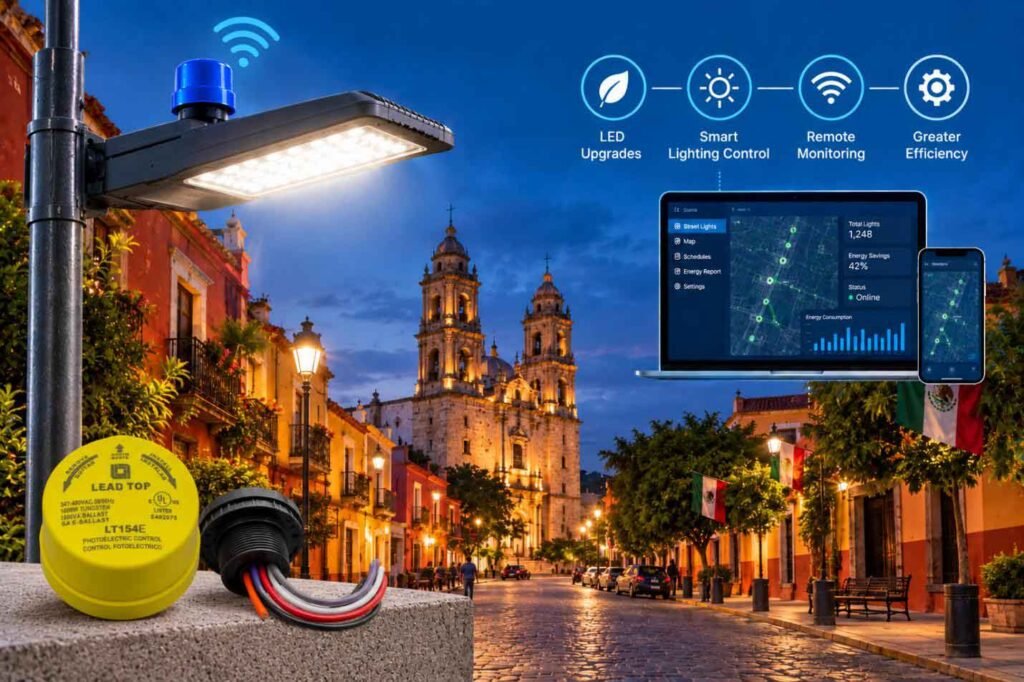
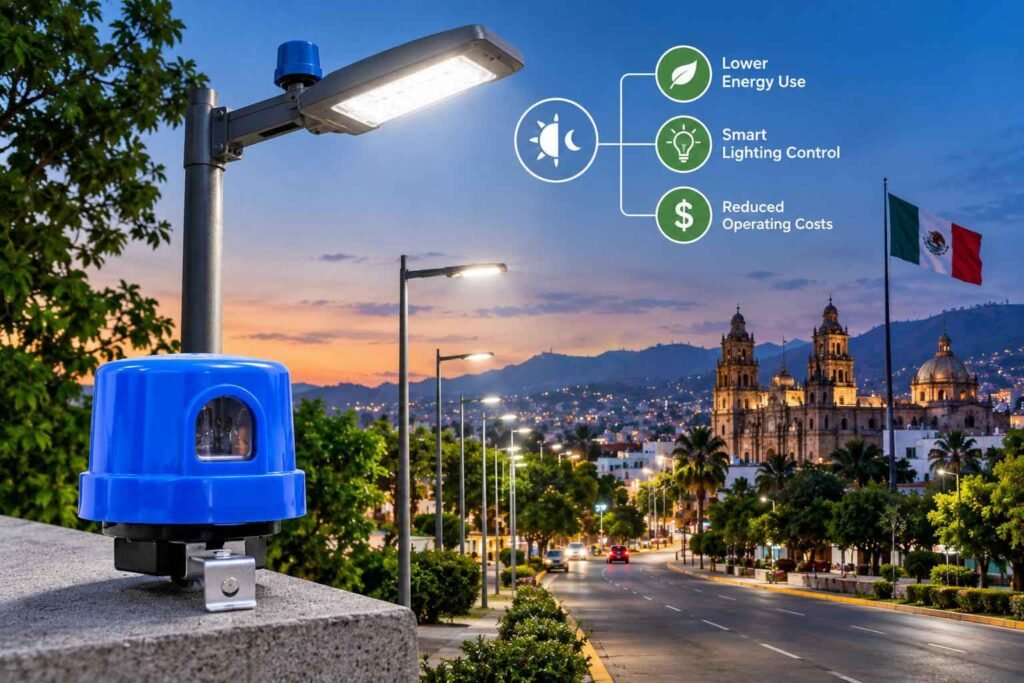
В середине этого процесса происходит эволюция технологий управления освещением с помощью электрических фотоэлементов и интеллектуальных фотоэлементов. Когда-то считавшиеся простыми выключателями, переключающими свет от заката к рассвету, современные технологии изменили свое представление о них. фотоэлементы В настоящее время они превращаются в интеллектуальные сенсорные устройства, поддерживающие подключенную городскую инфраструктуру.
По мере того, как муниципалитеты продолжают инвестировать в городские технологии Интернета вещей и искусственного интеллекта в системах освещения, интеллектуальная инфраструктура освещения превращается в одну из крупнейших в мире распределенных платформ для обработки городских данных.
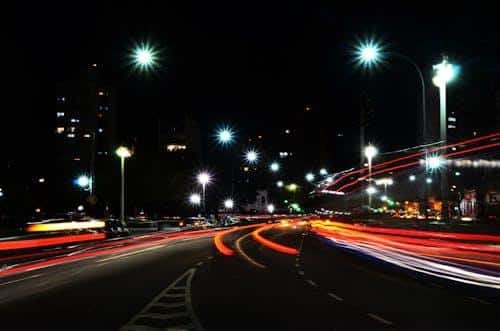
Почему интеллектуальное освещение развивается, выходя за рамки простого освещения?
Обеспечение видимости в ночное время: на протяжении десятилетий системы общественного освещения преследовали одну главную цель. Однако сегодня муниципалитеты предъявляют к своей инфраструктуре гораздо более высокие требования.
Органы власти городов сталкиваются с растущими проблемами, связанными с:
- Потребление энергии
- Пробка на дороге
- Общественная безопасность
- Техническое обслуживание инфраструктуры
- Экологический мониторинг
- Масштабируемость умного города
Для решения этих задач муниципалитеты все больше инвестируют в взаимосвязанные инфраструктурные системы, способные собирать и обрабатывать оперативные данные.
Как меняется инфраструктура «умного города»?
Современная инфраструктура «умного города» в значительной степени зависит от взаимосвязанных систем, которые постоянно обмениваются информацией.
Вот несколько примеров:
- Интеллектуальные транспортные сети
- Интеллектуальные системы управления дорожным движением
- Управление подключенными коммунальными услугами
- Системы мониторинга на основе искусственного интеллекта
- Адаптивные государственные услуги
Инфраструктура уличного освещения становится одним из важнейших компонентов цифровой модернизации, поскольку системы освещения уже существуют в городских условиях.
На уличных столбах предлагается:
- Электрический доступ
- Обширный географический охват
- Монтаж оборудования на высоте
- Бесперебойная работа
Почему системы освещения становятся узлами связи?
Современные системы освещения все чаще поддерживают:
- Беспроводная связь
- Интернет вещей связь
- Интеграция датчиков
- Управление на основе облачных технологий
- Фактический мониторинг
Это позволяет сетям освещения функционировать следующим образом:
- коммуникационные узлы
- Системы мониторинга инфраструктуры
- Экологические сенсорные платформы
- Уровни инфраструктуры с поддержкой ИИ
Современные интеллектуальные системы освещения, вместо автономной работы, интегрируются в центральные платформы управления городом.
Каким образом электрические фотоэлементы обеспечивают работу интеллектуальных систем освещения?
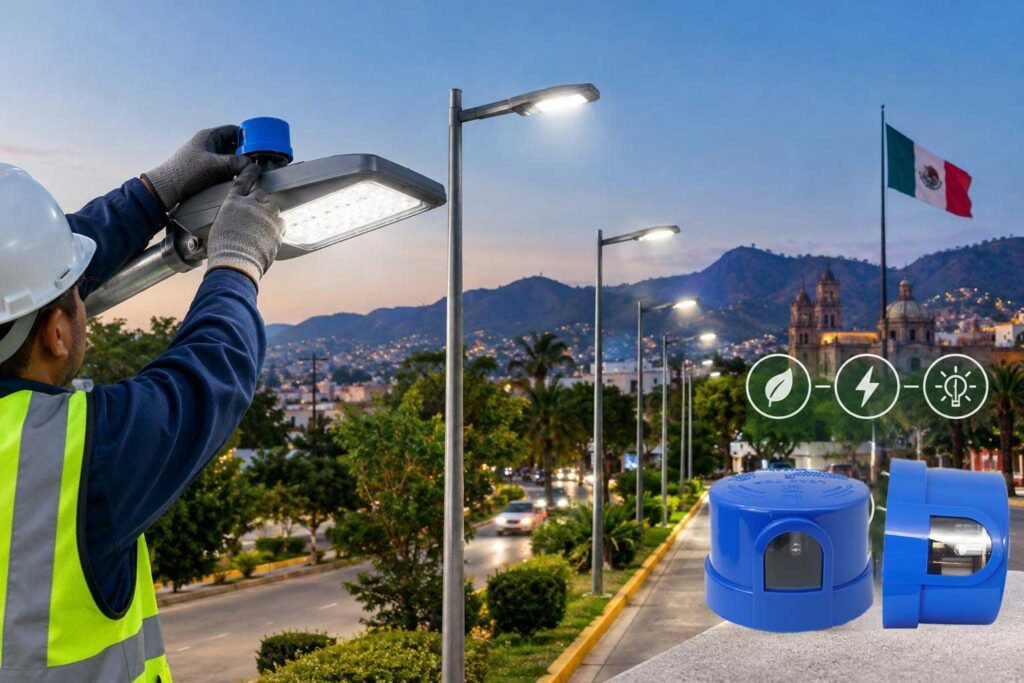
Современные электрические фотоэлементы уже не ограничиваются простым включением/выключением. Сегодняшние интеллектуальные системы управления освещением на основе фотоэлементов становятся важными компонентами в взаимосвязанной инфраструктуре освещения.
Фотоэлементы старого образца, работающие на основе простой логики определения освещенности:
- Включайте на закате
- Выключайте на рассвете
Какие функции выполняют современные фотоэлементы?
Современные системы наружной фотоэлектрической сенсорной коммутации теперь позволяют:
- Адаптивное управление освещением
- Удалённая диагностика
- Включение коммуникаций
- Интеллектуальные системы диммирования
- Оптимизация энергопотребления
- Автоматизация инфраструктуры
Адаптивное освещение
Адаптивные системы освещения автоматически регулируют режим освещения в зависимости от реальных условий, таких как:
- движение транспорта
- Пешеходная активность
- Погодные условия
- Время ночи
- Чрезвычайные ситуации
Автоматизация инфраструктуры
Автоматизация значительно повышает эффективность городских операций.
Современные фотоэлементные системы управления освещением помогают городам:
- Отменить ручное переключение
- Снижение количества операционных ошибок
- Улучшение управления энергопотреблением
- Более низкие требования к техническому обслуживанию
- Повышение надежности инфраструктуры
Каким образом датчики наружного освещения становятся точками сбора данных?
Современная инфраструктура освещения становится одной из наиболее ценных распределенных сенсорных сетей в «умных» муниципалитетах.
Устаревшие фотоэлементные датчики для наружного освещения превращаются в многофункциональное инфраструктурное устройство, способное поддерживать актуальную оперативную аналитику.
Современные системы наружных фотоэлементных датчиков освещенности могут поддерживать:
- Анализ структуры трафика
- Экологический мониторинг
- Отслеживание энергопотребления
- Диагностика инфраструктуры
- Отчеты о состоянии эксплуатации
Эта информация может помочь городам более эффективно оптимизировать городскую деятельность.
Зачем искусственному интеллекту нужна интеллектуальная инфраструктура освещения?
Искусственный интеллект Системы искусственного интеллекта в значительной степени зависят от сбора данных. Без крупномасштабных сенсорных сетей системы ИИ не могут успешно функционировать.
Инфраструктура освещения представляет собой одну из крупнейших и наиболее масштабируемых распределенных сетей, доступных в современных муниципалитетах.
Оптимизация трафика на основе ИИ
Системы управления городом на основе искусственного интеллекта анализируют данные с осветительной инфраструктуры для поддержки следующих задач:
- Оптимизация трафика
- Мониторинг инфраструктуры
- Анализ общественной безопасности
- Управление энергопотреблением
- Прогностическое обслуживание
Подключенные к сети системы освещения постоянно генерируют оперативную информацию, которую платформы искусственного интеллекта могут обрабатывать в режиме реального времени.
Прогностическое обслуживание
Системы технического обслуживания старого типа работают оперативно. Проблемы устраняются только после возникновения неисправностей.
Системы на основе искусственного интеллекта могут предвидеть:
- Износ оборудования
- Возможные сбои
- Требования к техническому обслуживанию
- Неопределенность мощности
Это помогает муниципалитетам:
- Сокращение времени простоя
- Снижение затрат на техническое обслуживание.
- Повышение надежности инфраструктуры
Управление инфраструктурой в режиме реального времени
Централизованные платформы для «умных городов» позволяют операторам одновременно отслеживать тысячи точек освещения.
Преимущества включают в себя:
- Более быстрое обнаружение ошибок
- Динамическая регулировка освещения
- Повышение оперативной эффективности
- Снижение энергопотребления
Какие умные светильники рекомендуются? Какие конфигурации необходимы для инфраструктуры, управляемой искусственным интеллектом?
Решение для освещения «умного города» на основе технологии DALI.
Рекомендуемая комбинация

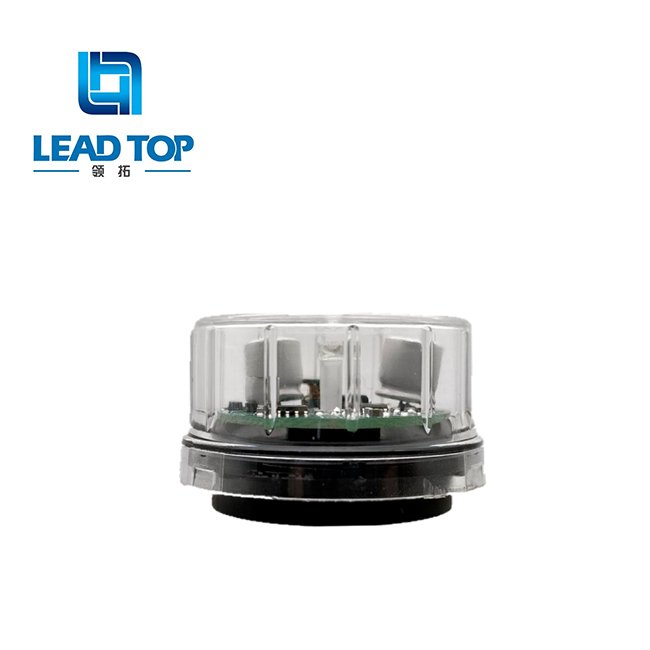
Лучшие приложения
- Европейские проекты «умных городов»
- Адаптивные системы освещения
- Инфраструктура «умных столбов»
- Подключенное освещение на основе DALI
Основные преимущества
| Особенность | Преимущество |
| Соответствие книги Жага, глава 18. | Стандартизированная интеллектуальная интеграция |
| Поддержка интеллектуального управления DALI | Усовершенствованная цифровая система управления освещением |
| Компактный дизайн, готовый к использованию в Интернете вещей. | Упрощенное внедрение концепции «умного города» |
| Совместимость с интеллектуальной инфраструктурой | Поддерживает будущее расширение городов. |
| Модульная архитектура | Упрощает техническое обслуживание и модернизацию. |
Позиционное заявление
Данная конфигурация поддерживает перспективные системы освещения, разработанные для инфраструктуры «умного города».
Решение для освещения дорог инфраструктурного уровня
Рекомендуемая комбинация

Лучшие приложения
- муниципальные дорожные системы
- Интеллектуальная инфраструктура автомагистралей
- Широкомасштабное развертывание в городских условиях
Основные преимущества
| Технические возможности | Преимущества инфраструктуры |
| Совместимость с ANSI | Поддерживает стандартизированные системы дорожного полотна. |
| Защита от перенапряжения | Повышает надежность при работе на открытом воздухе. |
| Розетка, готовая к использованию с интеллектуальными функциями | Обеспечивает возможность будущих интеллектуальных обновлений. |
| Надежная работа на открытом воздухе | Стабильная работа в течение длительного времени |
| Совместимость со светодиодами | Поддерживает современное дорожное освещение. |
Почему будущее интеллектуального освещения связано с подключенной инфраструктурой?
В будущем муниципалитеты будут все больше интегрировать:
- Подключенное освещение
- системы управления дорожным движением
- Экологический мониторинг
- Коммуникационные сети
- Интеллектуальные утилиты
- Операционные платформы на основе ИИ
Системы освещения становятся важной частью этого перехода, поскольку они уже обеспечивают покрытие городской инфраструктуры.
Что такое городской интернет вещей?
Городской интернет вещей Относится к взаимосвязанным инфраструктурным устройствам, способным обмениваться фактической информацией.
Вот несколько примеров:
- Интеллектуальные системы управления дорожным движением
- Освещение соединенных автомагистралей
- Экологические датчики
- Интеллектуальные системы парковки
- платформы мониторинга ИИ
Современные интеллектуальные системы освещения становятся важными компонентами в этих городских средах Интернета вещей.
Какие технологии могут поддерживать будущие системы освещения?
В будущем интеллектуальная инфраструктура освещения может включать в себя:
- Камеры
- Экологические датчики
- системы зарядки электромобилей
- оборудование беспроводной связи
- системы мониторинга дорожного движения
- Общедоступные платформы Wi-Fi
По мере того как муниципалитеты все чаще принимают концепцию взаимосвязанной инфраструктуры, сети освещения будут все чаще функционировать как многофункциональные городские технологические платформы.
Почему «умные» фотоэлементы важны как никогда?
Современные фотоэлементы — это уже не просто переключатели с наступления сумерек на рассвет. Они превращаются в интеллектуальные инфраструктурные устройства, поддерживающие:
- Оптимизация энергопотребления
- Автоматизация инфраструктуры
- Включение датчика
- Масштабируемость умного города
- Долговечная надежность в эксплуатации
Надежность инфраструктуры
Современные фотоэлементные системы помогают муниципалитетам:
- Предотвращение ложных переключений
- Улучшить согласованность освещения
- Драйверы светодиодов Shelter
- Снижение количества производственных сбоев
Экономия энергии
Инфраструктура освещения составляет основную часть потребления энергии в муниципалитете.
«Умные» фотоэлементы помогают сократить количество отходов за счет:
- Правильное определение дневного света
- Адаптивное затемнение
- Интеллектуальное планирование
- Динамическая регулировка освещения
Сокращение затрат на долгосрочное техническое обслуживание
Подключенные системы освещения поддерживают:
- Прогностическое обслуживание
- Удалённая диагностика
- Автоматизированное обнаружение неисправностей
- Более быстрое реагирование на запросы сервиса
Заключение
Интеллектуальные системы освещения быстро превращаются в цифровые инфраструктурные платформы, способные поддерживать городское управление на основе искусственного интеллекта.
Современные системы освещения — это уже не пассивные системы, ориентированные исключительно на освещение. Они превращаются в интеллектуальные инфраструктурные уровни, поддерживающие:
- Сбор данных
- Автоматизация инфраструктуры
- Оптимизация энергопотребления
- Прогностическое обслуживание
- Взаимосвязанные городские системы
- оперативное управление на основе ИИ
Развитие технологий электрических фотоэлементов, наружных фотоэлементных датчиков и интеллектуальных фотоэлементов для управления освещением демонстрирует, как устаревшие компоненты инфраструктуры трансформируются в современные решения.
CTA
Откройте для себя интеллектуальные решения для управления освещением, совместимые с фотоэлементами и системой Zhaga, разработанные для подключенной городской инфраструктуры и внедрения интеллектуальных городов будущего. Свяжитесь с Lead-Top, чтобы проконсультироваться с экспертами по созданию интеллектуальной инфраструктуры освещения, ориентированной на искусственный интеллект.
Ссылки:
- https://leaditop.com/product-2/
- https://en.wikipedia.org/wiki/Internet_of_things
- https://en.wikipedia.org/wiki/Artificial_intelligence
- https://leaditop.com/product/customizable-upgraded-models-highly-waterproof-zhaga-socket-lt600/
- https://leaditop.com/product/customizable-upgraded-models-ip68-highly-waterproof-zhaga-socket-lt600-2/
- https://leaditop.com/product/photo-electric-light-control-switch-120vac/
- LT605S Компактная розетка с диммированием, соответствующая стандарту ANSI C136.41, 5/7 контактов – с выводами.


 Russian
  English
  Portuguese (Brazil)
  Spanish
  Dutch
Dutch  Japanese
  Portuguese (Portugal)