Введение: Почему проекты «умного» уличного освещения становятся приоритетными для современных городов?
В рамках масштабных стратегий преобразования мегаполисов и обеспечения устойчивого развития муниципалитеты по всему миру активно инвестируют в интеллектуальные системы уличного освещения. Рост цен на электроэнергию, ужесточение экологических норм и растущий спрос на эффективную общественную инфраструктуру заставляют города переосмыслить принципы работы систем наружного освещения.
Многие муниципалитеты осознают, что устаревшие системы уличного освещения больше не соответствуют современным потребностям города. Традиционное освещение часто приводит к перерасходу электроэнергии, требует частого технического обслуживания и не обладает возможностью интеллектуального управления. В результате администрации все чаще переходят на интеллектуальные сети освещения на основе светодиодов, интегрированные с автоматизированными системами управления.
Проекты в таких муниципалитетах, как Генуя, доказали, что модернизация уличного освещения с использованием интеллектуальных систем может снизить общее энергопотребление на целых 701 тонну на квадратный метр. Хотя светодиодные светильники вносят значительный вклад в эту экономию, настоящая эффективность достигается за счет сочетания светодиодов с прогрессивными технологиями. Энергоэффективное управление освещением технологии.
В основе этих интеллектуальных систем лежит решение на основе фотоэлементных датчиков для наружного освещения, которое обеспечивает включение освещения только тогда, когда это необходимо, а также позволяет осуществлять автоматизацию, защиту и адаптивное управление.
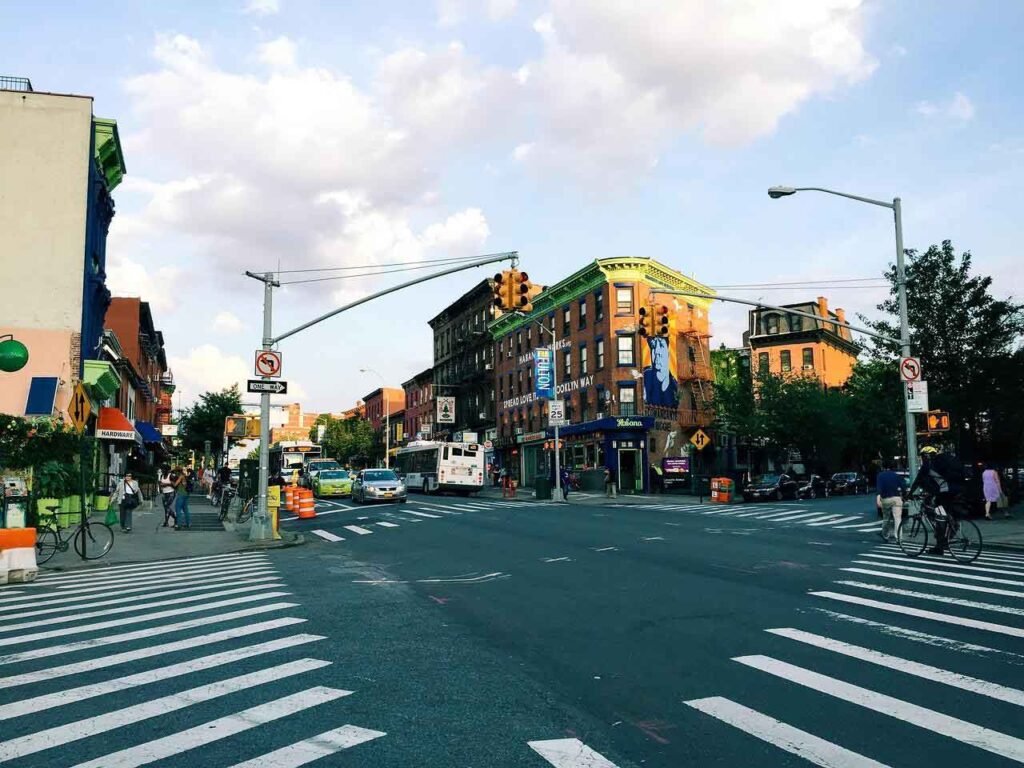
Что показывает проект «Умное освещение» в Генуе об экономии энергии?
Внедрение интеллектуальных систем освещения в Генуе стало наглядным примером того, как муниципалитеты могут значительно повысить эффективность за счет модернизации интеллектуальной инфраструктуры.
В рамках проекта были реализованы следующие задачи:
- Обширный ВЕЛ замена светильника
- Автоматическое управление освещением
- Улучшенное оперативное управление
- Более грамотное планирование технического обслуживания
Результаты оказались чрезвычайно значимыми:
- Снижение энергии более чем на 70%
- Снижение затрат на техническое обслуживание.
- Улучшенная стабильность освещения
- Повышение удовлетворенности граждан
Однако эффективность освещения зависит не только от самой лампы, но и от того, насколько грамотно управляется система, и это самый важный урок, извлеченный из Генуи.
Почему эффективность освещения так сильно зависит от интеллектуальных систем управления?
Многие считают, что экономия энергии достигается только за счет светодиодных технологий. На самом деле, светодиоды — это лишь одна составляющая полноценной интеллектуальной системы освещения.
Реальный рост эффективности достигается за счет сочетания светодиодных светильников с передовыми технологиями автоматизации уличного освещения.
Как точное планирование переключений повышает эффективность?
Традиционные системы освещения часто работают на основе фиксированных таймеров или физических элементов управления, что может приводить к ненужной работе в дневное время или включению освещения в позднее время суток.
Современные фотоэлементы обеспечивают точное управление освещением от заката до рассвета, автоматически реагируя на окружающие условия освещения.
В число преимуществ входят:
- Отмена дневных потерь энергии
- Непрерывная работа в крупных сетях
- Сокращенная версия человеческой ошибки
- Повышенная точность выполнения операций
Возможность автоматического переключения — один из самых простых, но в то же время наиболее эффективных способов снижения энергопотребления освещением.
Как динамическое затемнение повышает эффективность интеллектуального освещения?
Современные интеллектуальные системы освещения способны точно регулировать уровень освещенности в зависимости от экологических условий и уровня активности.
Например:
- Меньше бликов в часы низкой интенсивности движения.
- Более интенсивное освещение в часы пик
- Адаптивная реакция на погодные условия или чрезвычайные ситуации.
Интенсивное регулирование яркости значительно снижает ненужное потребление электроэнергии, обеспечивая при этом общественную безопасность.
Современные решения для управления светодиодным освещением все чаще включают функцию диммирования непосредственно в инфраструктуру фотоуправления.
Что такое зональное и адаптивное освещение?
Крупные муниципалитеты часто делят сети освещения на отдельные операционные зоны.
Для разных зон может потребоваться различное освещение в зависимости от:
- Плотность транспортного потока
- Пешеходная активность
- Коммерческая деятельность
- Приоритеты общественной безопасности
Адаптивные системы освещения используют датчики и автоматическое управление для оптимизации каждой зоны в отдельности, повышая эффективность и снижая эксплуатационные расходы.
Почему фотоэлементы так важны в интеллектуальных системах уличного освещения?
Фотоэлемент является одним из важнейших компонентов любой системы наружного освещения, поскольку он определяет, когда система освещения должна включаться.
Без надежных фотоэлементов системы освещения могут:
- Функционирует в дневное время
- Переключаться непоследовательно
- Отходы электроэнергии
- Ощутите ранний износ компонентов.
Современные решения для наружного применения, использующие фотоэлементные датчики, предлагают гораздо больше, чем простое включение/выключение.
Как автоматическое управление повышает эффективность городского освещения?
Автоматические фотоэлементы устраняют необходимость в физическом контроле, постоянно отслеживая уровень освещенности в окружающей среде.
Это позволяет:
- Надежная работа с наступлением сумерек до рассвета.
- Стабильная работа освещения по всему городу.
- Сокращенные требования к труду
- Повышенная оперативная эффективность
По мере расширения инфраструктуры освещения в городах, для поддержания эффективности в масштабах, автоматизация становится жизненно важной.
Почему защита от перенапряжения важна для систем наружного освещения?
Системы уличного освещения постоянно подвергаются воздействию суровых электрических условий, таких как:
- Удары молнии
- изменчивость напряжения
- Варианты сетки
- Скачки напряжения
Поэтому современные интеллектуальные фотоэлементы все чаще включают в себя прогрессивные функции защиты от перенапряжения в системах освещения, такие как:
- Устойчивость к импульсным перенапряжениям 10–20 кВ
- системы защиты от СВЧ
- Повышенная долговечность реле
Эти меры защиты помогают снизить количество сбоев и продлить общий срок службы системы.
Как фотоэлементы предотвращают ложные срабатывания?
Одной из распространенных проблем в системах наружного освещения является ложное срабатывание, вызванное:
- Автомобильные фары
- Вспышки молнии
- Мгновенные размышления
- Неожиданные экологические изменения освещения
Надежная работа переключателей особенно важна в крупных городских проектах, где повторяющееся мерцание может вызывать недовольство населения и увеличивать затраты на техническое обслуживание.
Почему длительный срок эксплуатации важен для муниципальных проектов?
Муниципальные системы освещения часто включают в себя тысячи, а то и десятки тысяч светильников.
Постоянная замена компонентов системы управления приводит к значительным:
- Расходы на содержание
- Затраты на оплату труда
- Перерыв в движении транспорта
- Время простоя в работе
Таким образом, фотоэлементы с длительным сроком службы обеспечивают значительные экономические преимущества благодаря:
- Сокращенная частота технического обслуживания
- Повышенная стабильность сети
- Низкие затраты на замену
- Более высокая долгосрочная окупаемость инвестиций.
Какие технические характеристики наиболее важны в современных проектах городского освещения?
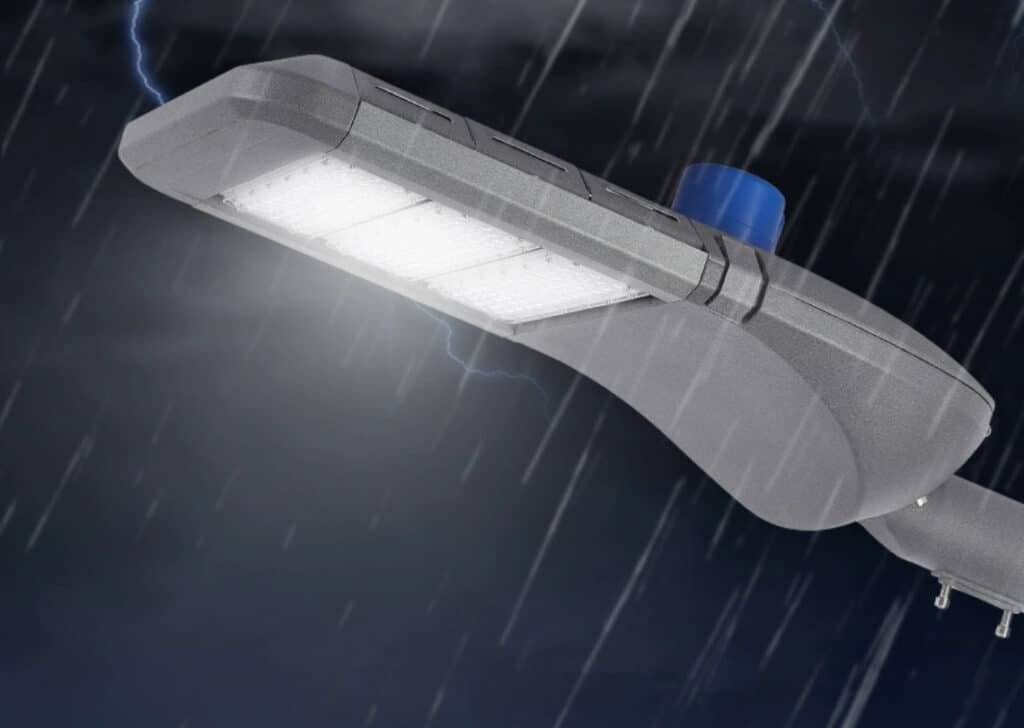
Современные проекты инфраструктуры «умного города» нуждаются в фотоэлементах, разработанных для сложных условий эксплуатации на открытом воздухе и интегрируемых в интеллектуальные сети.
Некоторые технические характеристики в настоящее время считаются важными.
Почему IP66 Важна ли устойчивость к погодным условиям?
Наружное осветительное оборудование должно выдерживать следующие нагрузки:
- Осадки
- Снегопад
- Грязь
- Влага
- УФ-облучение
- Захватывающие температуры
Для обеспечения надежной и длительной работы на открытом воздухе фотоэлементы с классом защиты IP66 обеспечивают надежную защиту от попадания воды и грязи.
Почему необходима совместимость с широким диапазоном напряжений?
Различные муниципальные электросети работают в условиях изменяющегося напряжения.
Фотоэлементы широкого напряжения может обрабатывать:
- колебания напряжения
- Инфраструктурные нарушения
- Региональные колебания напряжения
Это повышает надежность при развертывании крупных инфраструктурных проектов.
Что такое переключение через ноль и почему это важно?
Переключение через ноль — это инновационная технология управления, которая переключает электрические нагрузки вблизи нулевой точки формы переменного тока.
В число преимуществ входят:
| Особенность | Выгода |
| Снижение электрической нагрузки | Увеличивает срок службы реле. |
| Снижение влияния пускового тока | Защищает драйверы светодиодов |
| Стабильное переключение | Уменьшает мерцание |
| Повышенная надежность | Снижение затрат на техническое обслуживание |
Эта технология особенно ценна в современных системах управления светодиодным освещением.
Почему важна поддержка функции интеллектуального диммирования?
Функция интеллектуального затемнения позволяет городам снижать яркость в периоды низкой активности.
К преимуществам относятся:
| Функция интеллектуального диммирования | Операционная выгода |
| Адаптивная яркость | Снижение энергопотребления |
| Управление на основе трафика | Повышенная эффективность |
| Запланированное затемнение | Снижение эксплуатационных расходов |
| Аварийное освещение | Повышенная общественная безопасность |
Эти функции поддерживают передовые стратегии управления энергоэффективным освещением.
Какие фотоэлементы со свинцовым покрытием рекомендуются для высокоэффективных проектов?
Современные муниципальные проекты нуждаются в фотоэлементах, способных поддерживать светодиодные системы и обеспечивать длительную и надежную работу.
Несколько Свинцовый-Топ Эти модели особенно подходят для модернизации систем интеллектуального освещения.
Почему фотоэлемент LT154 повышенной мощности подходит для «умных городов»?

The ЛТ154 фотоэлемент Он создан для требовательных городских условий и предлагает:
- защита от высокого пускового тока
- Экстремальная защита от перенапряжений до 20 кВ/10 кА
- Надежная установка с поворотным замком.
- Длительный срок службы
Он идеально подходит для масштабной инфраструктуры интеллектуального уличного освещения.
Почему модель LT104 популярна для крупных проектов модернизации?

The Фотоэлемент LT104 Предлагает баланс между доступной ценой и надежной работой в соответствии со стандартом ANSI.
К основным преимуществам относятся:
- Экономически эффективное развертывание
- Стабильная производительность переключения
- Совместимость со светодиодами
- Надежная возможность автоматизации
Почему модель LT310T подходит для интегрированных светильников?

The Фотоэлемент LT310T Проводные фотоэлементы управления предназначены для компактных интегрированных установок.
К преимуществам относятся:
- Возможность внутренней установки
- Компактная конструкция
- Упрощенная интеграция светильников
- Непрерывная работа от заката до рассвета
Часто задаваемые вопросы
В1: Каким образом фотоэлементы повышают энергоэффективность?
Они обеспечивают включение освещения только тогда, когда это необходимо, исключая ненужное потребление энергии.
В2: Подходят ли фотоэлементы для всех видов наружного освещения?
Да, особенно для уличного освещения, парковок и общественной инфраструктуры.
Вопрос 3: Что такое переключение через ноль?
Это снижает электрическую нагрузку при переключении, продлевая срок службы осветительного оборудования.
Заключение: Почему фотоэлементы необходимы для достижения максимальной экономии энергии?
Хотя светодиоды значительно снижают потребление электроэнергии, именно интеллектуальные системы управления позволяют по-настоящему повысить эффективность работы и обеспечить долгосрочную экономию.
Технологии наружной фотоэлектрической защиты предлагают:
- Надежная автоматизация освещения от заката до рассвета.
- Более эффективное снижение энергопотребления при освещении
- Улучшенная защита от скачков напряжения
- Сокращенные расходы на техническое обслуживание
- Более эффективная интеграция с инфраструктурой интеллектуальных систем освещения.
Поскольку муниципалитеты продолжают инвестировать в взаимосвязанную городскую инфраструктуру, фотоэлементы останутся основополагающей технологией, поддерживающей эффективные, автоматические и интеллектуальные сети наружного освещения.
CTA
Готовы максимально снизить энергопотребление в ваших проектах освещения? Свяжитесь с нами, чтобы узнать о высокоэффективных фотоэлементных решениях, разработанных специально для умных городов.”

 Russian
  English
  Portuguese (Brazil)
  Spanish
  Dutch
Dutch  Japanese
  Portuguese (Portugal)