Введение
По всему миру города ускоряют инвестиции в модернизацию уличного освещения. Если первая волна усовершенствований была сосредоточена в основном на замене устаревших светильников на энергоэффективные светодиоды, то сейчас начинается новый этап развития. Муниципалитеты постепенно понимают, что инфраструктура освещения может делать гораздо больше, чем просто освещать улицы.
Современные сети общественного освещения превращаются в взаимосвязанные инфраструктурные платформы, способные поддерживать автоматизацию, связь, мониторинг и сбор данных. Вследствие этого быстро растет спрос на технологии интеллектуального управления освещением, интеллектуального городского освещения, подключенных сетей освещения и уличного освещения на основе Интернета вещей.
Перспективы городского освещения больше не определяются просто более яркими и эффективными светильниками. Они постепенно формируются благодаря интеллектуальным системам управления, интерфейсам связи и стандартизированным технологиям, таким как ANSI C136.41, Zhaga Book 18 и передовым решениям для розеток NEMA.
Как Польша и Мексика демонстрируют одну из глобальных тенденций в области освещения?
Хотя Польша и Мексика сталкиваются с различными проблемами в области инфраструктуры, их программы модернизации освещения, тем не менее, демонстрируют общее направление.

Почему Польша инвестирует в масштабную модернизацию светодиодного освещения?
По всей Польше города проводят масштабные проекты. ВЕЛ Модернизация уличного освещения с целью снижения энергопотребления и достижения целей в области устойчивого развития.
Реализуются проекты, включающие десятки тысяч точек освещения, с целью:
- Снижение счетов за электроэнергию
- Сокращение выбросов углекислого газа
- Повышение оперативной эффективности
- Продлить срок службы инфраструктуры
Для многих органов местного самоуправления освещение является одной из самых значительных статей коммунальных расходов. Переход на светодиодные технологии обеспечивает немедленную финансовую выгоду, а также создает основу для будущих инициатив в области «умных городов».
Почему Мексика уделяет такое внимание современному уличному освещению?
Муниципалитеты по всей Мексике вкладывают значительные средства в улучшение дорожного и общественного освещения.
Эти проекты сосредоточены на:
- Улучшение видимости в ночное время
- Повышение общественной безопасности
- Поддержка транспортной инфраструктуры
- Повышение доверия в обществе
Современное освещение все чаще рассматривается не просто как коммунальная услуга, а как важный компонент городского развития.
Что общего у обоих подходов?
Несмотря на разные приоритеты, обе страны тратят средства в следующих областях:
- модернизация светодиодного освещения
- Автоматизация освещения
- Инфраструктура, готовая к будущему
- Долгосрочная экономия на операционных расходах
Почему светодиодное освещение — это только первый шаг?
Во многих городах замена светодиодов на светодиодное освещение изначально рассматривается как главная цель модернизации.
Однако одних только светодиодов недостаточно для того, чтобы в полной мере оценить преимущества интеллектуальной инфраструктуры.
Как светодиодная технология повышает эффективность?
Светодиодные светильники обладают множеством преимуществ:
- Меньшее энергопотребление
- Более длительный срок службы
- Сокращенные требования к техническому обслуживанию
- Улучшенное качество освещения
Почему одной лишь замены оборудования недостаточно?
Хотя светодиодные светильники повышают эффективность, они автоматически не создают интеллектуальную сеть освещения.
Лишенные интеллектуальных систем управления, муниципалитеты по-прежнему сталкиваются с такими проблемами, как:
- Фиксированный график работы
- Ограниченные возможности мониторинга
- процессы ручного обслуживания
- Отсутствие эксплуатационных данных
Именно поэтому в современных проектах все чаще используются технологии «умного» уличного освещения в сочетании с модернизацией до светодиодного освещения.
Как интеллектуальное освещение расширяет преимущества светодиодного освещения?
Интеллектуальные системы управления помогают городам:
- Оптимизация рабочего времени
- Дистанционный мониторинг инфраструктуры
- Снижение затрат на техническое обслуживание
- Поддержка адаптивных стратегий освещения
Сочетание светодиодов и интеллектуального управления обеспечивает значительно большую долговечность, чем просто замена на светодиоды.
Почему для интеллектуального освещения необходимы интеллектуальные компоненты управления?
Успех интеллектуальной системы освещения во многом зависит от компонентов управления, которые соединяют светильники с коммуникационными и управленческими платформами.
Без этих компонентов полноценная реализация интеллектуальных функций освещения невозможна.
Какова роль... Фоторегулятор яркости LT154 ANSI C136.41 Играть?
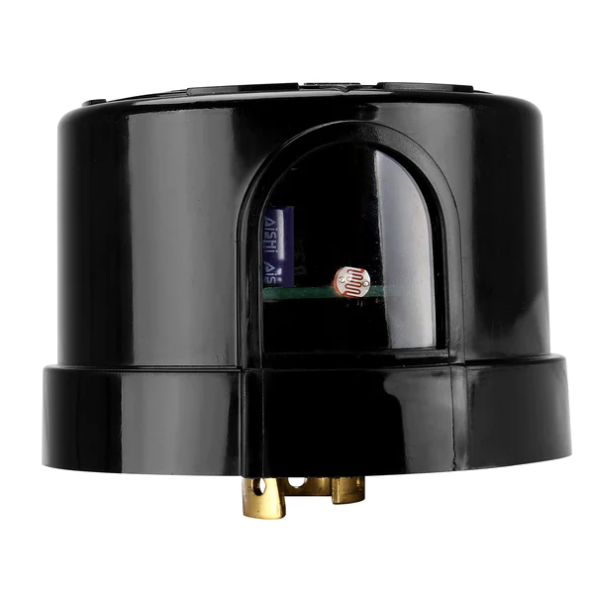
Модель LT154 обеспечивает надежную работу от заката до рассвета, а также поддерживает инновационные интеллектуальные системы освещения.
Основные преимущества включают:
- Переключение, совместимое со светодиодами
- Укрепление с высоким пусковым током
- Поддержка интеллектуального диммирования
- Долговечная надежность
Это делает его подходящим для современных систем интеллектуального управления освещением.
Почему это Разъем LT605-7PIN ANSI C136.41 Важный?

Микросхема LT605-7PIN служит стандартизированным интерфейсом между осветительными приборами и интеллектуальными узлами управления.
Преимущества включают в себя:
- Поддержка модулей беспроводной связи
- Упрощенная установка на месте
- Гибкость для будущих достижений
- Совместимость с «умным городом»
Как работает LT100B-7PIN ANSI C136.41 Base Поддержать развитие инфраструктуры?

Модуль LT100B-7PIN обеспечивает надежную и стандартизированную основу для внедрения интеллектуальных систем освещения.
Преимущества включают в себя:
- Постоянные стандарты монтажа
- Простота в уходе
- Улучшенная совместимость
- Сокращенные затраты на протяжении всего жизненного цикла
Почему это Разъем Zhaga серии LT600 Набирает популярность?

Серия LT600 поддерживает компактные интеллектуальные архитектуры освещения, основанные на стандартах Zhaga Book 18.
Преимущества включают в себя:
- Модульная конструкция
- Совместимость с DALI
- Компактная интеграция датчиков
- Перспективное внедрение «умного города»
Таблица 1: Компоненты интеллектуального освещения и их функции.
| Компонент | Основная функция | Преимущества интеллектуальной инфраструктуры |
| Фотоконтроллер LT154 ANSI C136.41 | Автоматизация освещения | Поддерживает диммирование и интеллектуальное управление. |
| LT605-7PIN Разъем | Интерфейс интеллектуального узла | Включает модули связи |
| База LT100B-7PIN | Стандартизированный монтаж | Упрощает техническое обслуживание |
| Разъем Zhaga серии LT600 | Подключение датчиков | Поддерживает системы освещения, готовые к использованию в Интернете вещей. |
| Интеллектуальные контроллеры | Передача данных | Разрешает дистанционный мониторинг |
Почему стандарты ANSI C136.41 и Zhaga Book 18 становятся отраслевыми стандартами?
Стандартизация приобретает все большее значение по мере того, как города внедряют крупномасштабные интеллектуальные системы освещения.
Что такое ANSI C136.41?
ANSI C136.41 — это широко признанный стандарт, определяющий интерфейсы для интеллектуального управления уличным освещением.
В число преимуществ входят:
- Совместимость по принципу «подключи и работай»
- Поддержка интеллектуальных узлов
- интеграция беспроводной связи
- Упрощенные обновления
Благодаря этим преимуществам стандарт ANSI C136.41 стал предпочтительным для проектов освещения автомагистралей.
Что такое «Жага», книга 18?
В книге Жаги № 18 установлены стандартизированные интерфейсы для датчиков освещенности и устройств связи.
Он поддерживает:
- ДАЛИ коммуникация
- Интеграция датчиков
- Компактные модули управления
- Приложения для умного города
Почему города предпочитают стандартизированные системы?
Стандартизированная инфраструктура предоставляет множество преимуществ:
- Более простое обслуживание
- Меньшие требования к запасам
- Сокращенная сложность установки
- совместимость с будущими технологиями
Муниципалитеты постепенно отдают приоритет системам, которые могут развиваться на протяжении десятилетий без необходимости полной замены.
Таблица 2: Традиционное освещение против интеллектуальной инфраструктуры освещения
| Особенность | Традиционное освещение | Интеллектуальная инфраструктура освещения |
| Метод контроля | Ручной или фиксированный график | Автоматизированный и адаптивный |
| Мониторинг | Инспекции на месте | Удаленный мониторинг |
| Оптимизация энергопотребления | Ограниченный | Динамическое управление |
| Обслуживание | Реактивный | Прогностический |
| Коммуникация | Никто | с поддержкой интернета вещей |
| Будущее расширение | Трудный | Высокая масштабируемость |
| Сбор данных | Нет в наличии | Операционные данные в режиме реального времени |
Заключение
Хотя светодиодные светильники остаются важной основой, наибольшую долгосрочную ценность обеспечивают технологии интеллектуального управления освещением, интеллектуального уличного освещения, подключенных к сети осветительных приборов и уличного освещения на основе Интернета вещей.
Для создания масштабируемых, гибких и перспективных сетей освещения, способных поддерживать цели «умного города» на долгие годы вперед, такие стандарты, как ANSI C136.41 и Zhaga Book 18, расширяют возможности муниципалитетов.
Интеллектуальные системы управления освещением будут играть решающую роль в повышении эффективности, экологичности, общественной безопасности и производительности труда по мере дальнейшего развития городской инфраструктуры.
Часто задаваемые вопросы
В чём разница между интеллектуальным освещением и светодиодным освещением?
Светодиодное освещение подразумевает энергоэффективные источники света, а интеллектуальное освещение включает в себя возможности связи, мониторинга, автоматизации и адаптивного управления.
Что такое ANSI C136.41?
ANSI C136.41 — это стандартизированный интерфейс, используемый для подключения интеллектуальных контроллеров освещения, коммуникационных узлов и систем диммирования к светильникам дорожного освещения.
Для чего используется 18-я книга Жаги?
В документе Zhaga Book 18 определен стандартизированный интерфейс для интеллектуальных датчиков освещения и коммуникационных модулей, поддерживающих системы освещения на основе IoT и DALI.
Lead-Top — ведущие эксперты в области фотоэлементов, интеллектуальных розеток, разъемов Zhaga и интеллектуальных решений для управления освещением, предназначенных для современной муниципальной инфраструктуры. Независимо от того, ориентирован ли ваш проект на модернизацию светодиодного освещения, внедрение концепции «умного города», освещение автомагистралей или создание взаимосвязанных сетей освещения, наша инженерная команда поможет вам создать масштабируемые и надежные системы освещения будущего.
Свяжитесь с компанией Lead-Top сегодня, чтобы узнать о разработанных специально для вашего проекта интеллектуальных решениях в области освещения.




 English
 Portuguese (Brazil)
 Spanish
 Russian
 Dutch
Dutch Japanese
 Portuguese (Portugal)