Городское освещение вступает в новую эру. Десятилетиями города сосредотачивались на установке уличных фонарей, которые просто включались на закате и выключались на рассвете. Следующим важным шагом стала модернизация до светодиодного освещения, что значительно снизило энергопотребление и затраты на обслуживание. Однако сегодня муниципалитеты идут дальше, чем просто внедрение базовых технологий. ВЕЛ достижения и внедрение интеллектуальных систем освещения, способных реагировать на реальные ситуации в режиме реального времени.
Одним из наиболее примечательных примеров является инициатива по адаптивному освещению для дорожного движения в Ливерпуле возле стадиона «Эвертон». В целях повышения безопасности, оптимизации энергопотребления и создания перспективной городской инфраструктуры этот проект демонстрирует, как современные муниципалитеты используют технологии адаптивного освещения для дорожного движения, интеллектуального уличного освещения и уличного освещения на основе Интернета вещей.
Адаптивное освещение быстро становится одним из важнейших направлений развития современной инфраструктуры освещения «умных городов», поскольку муниципалитеты по всему миру стремятся сократить выбросы углекислого газа, одновременно улучшая качество коммунальных услуг.

Почему Ливерпуль внедряет одну из первых в Великобритании крупномасштабных систем адаптивного освещения для регулирования дорожного движения?
Проект в Ливерпуле знаменует собой важную веху в эволюции технологий городского освещения.
Размещенная вокруг стадиона «Эвертон» сеть освещения, адаптированная к меняющимся дорожным условиям, сочетает в себе соединенные между собой светодиодные светильники и интеллектуальные системы мониторинга, способные регулировать уровень ослепления.
Почему важен мониторинг дорожного движения в режиме реального времени?
Уличное освещение старого типа работает с фиксированной мощностью независимо от фактического использования проезжей части.
Однако интенсивность движения значительно меняется в течение дня и ночи.
Например:
- В часы пик наблюдается интенсивное движение транспорта.
- В поздние ночные часы движение транспорта обычно незначительно.
- Специальные мероприятия вызывают временные всплески трафика.
- Погодные условия влияют на требования к видимости.
Как работает автоматическая регулировка яркости?
Для роботизированной регулировки уровня освещения адаптивные системы освещения используют датчики движения, коммуникационные сети и централизованные платформы управления.
При увеличении трафика:
- Уровень освещенности повышается.
- Повышается видимость.
- Уровень безопасности повышен.
Когда трафик снижается:
- Световой поток сокращен.
- Потребление энергии снижается.
- Операционные издержки снижаются.
Почему важна долгосрочная экономия энергии?
Предполагается, что проект в Ливерпуле позволит сэкономить около 301 тонны энергии на 300 000 тонн в течение десяти лет.
Для городов, управляющих тысячами точек освещения, даже небольшое повышение эффективности может привести к значительной экономии средств.
Почему адаптивное освещение становится следующим этапом эволюции светодиодного уличного освещения?
Переход от консервативного освещения к светодиодам представлял собой первый этап развития современной осветительной инфраструктуры.
Следующий этап — адаптивное освещение дорог.
Что такое динамическое управление яркостью?
Динамическое управление яркостью позволяет системам освещения регулировать уровень освещенности в зависимости от реальной потребности.
Вместо поддержания максимального ослепления в течение всей ночи, адаптивные системы обеспечивают:
- Более высокий уровень квалификации
- Улучшенное использование ресурсов
- Снижение энергопотребления
- Сокращенный список выбросов углерода
Как управление освещением на основе событий улучшает работу городских систем?
В современных муниципалитетах часто проводятся следующие мероприятия:
- Спортивные мероприятия
- Концерты
- Фестивали
- Публичные собрания
Подобные мероприятия часто приводят к временному увеличению пешеходного и автомобильного потока.
Адаптивные системы освещения автоматически реагируют на эти обстоятельства, обеспечивая улучшенное освещение при необходимости, а затем всегда возвращаясь к нормальному рабочему уровню.
Почему адаптивное освещение повышает безопасность?
Безопасность дорожного движения в значительной степени зависит от видимости.
Адаптивные системы повышают безопасность за счет:
- Усиление освещения в периоды высокой активности.
- Поддержка пешеходного движения
- Повышение осведомленности водителей
- Снижение риска несчастных случаев
Благодаря этому интеллектуальное уличное освещение является ценным компонентом современной транспортной инфраструктуры.
Почему интеллектуальные фотоэлементы играют решающую роль в адаптивных системах освещения?
Хотя светодиодные светильники обеспечивают эффективное освещение, интеллектуальные системы управления позволяют адаптировать их функциональность.
Именно здесь на первый план выходят передовые технологии фотоуправления.
Почему необходима функция регулировки яркости?
Для адаптивного освещения недостаточно простого включения/выключения.
Современные системы должны поддерживать:
- Переменные уровни освещенности
- Энергичная регулировка
- Оптимизация энергопотребления
- Интеллектуальное планирование
Стандарт ANSI C136.41 Photocontrol предлагает эффективную платформу для реализации этих возможностей.
Почему интеграция датчиков важна?
Адаптивное освещение зависит от данных, полученных из следующих источников:
- Датчики дорожного движения
- Датчики движения
- Экологические датчики
- Платформы умного города
Компоненты управления должны обеспечивать связь между этими системами и сетью освещения.
Почему дистанционная связь так важна?
Муниципальные операторы все чаще отдают предпочтение централизованному управлению освещением.
Удалённая связь позволяет:
- Фактический мониторинг
- Анализ производительности
- Поиск неисправностей
- Оптимизация операционной деятельности
Это снижает затраты на техническое обслуживание и повышает надежность системы.
Какие изделия с свинцовым покрытием поддерживают интеллектуальные адаптивные системы освещения?
Фоторегулятор яркости LT154 ANSI C136.41 с поворотным фиксатором
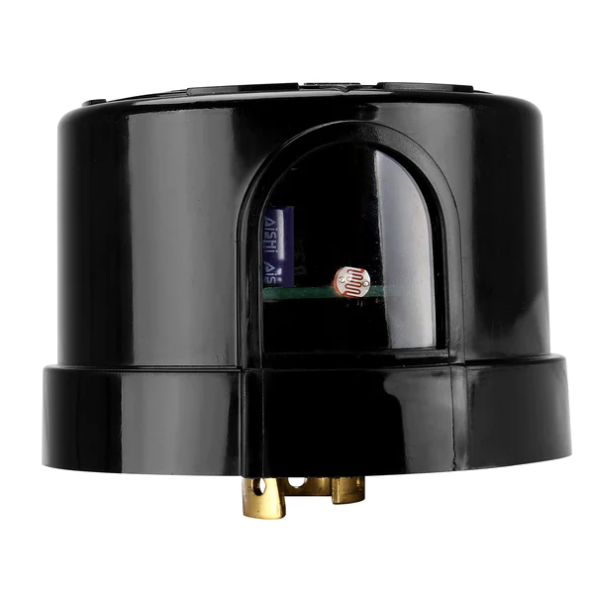
Основные характеристики включают в себя:
- Поддержка затемнения
- Совместимость со светодиодами
- Архитектура, готовая к использованию интеллектуальных систем
- Надежная работа на открытом воздухе
LT605R-7PIN Поворотный разъем ANSI C136.41

Преимущества включают в себя:
- Гибкая установка
- Поддержка связи
- Совместимость интеллектуальных узлов
- Упрощенное техническое обслуживание
LT635-7PIN Вращающаяся розетка без использования инструментов

Преимущества включают в себя:
- Быстрая установка
- Низкие требования к рабочей силе
- Совместимость с интеллектуальным управлением
- Долговечная надежность
Таблица 1: Ключевые компоненты адаптивных сетей освещения
| Компонент | Основная функция | Преимущества интеллектуального освещения |
| Фотоконтроллер LT154 ANSI C136.41 | Регулировка яркости и управление | Адаптивное управление яркостью |
| 7-контактный разъем LT605R | Интерфейс связи | Интеллектуальная связь узлов |
| LT635-7PIN Разъем | Установка без инструментов | Более быстрое техническое обслуживание |
| Датчики дорожного движения | Обнаружение транспортных средств | Регулировка освещения в реальном времени |
| Централизованная платформа управления | Мониторинг сети | Системная оптимизация |
Почему стандарт ANSI C136.41 становится стандартом для интеллектуального освещения?
Почему стандарт ANSI C136.41 так важен?
Стандарт ANSI C136.41 предлагает стандартизированный интерфейс, поддерживающий:
- Интеллектуальные узлы
- Системы диммирования
- Беспроводная связь
- Будущие достижения
Как это обеспечивает беспроводную связь?
Беспроводные системы управления приобретают все большее значение в современных системах интеллектуального управления освещением.
Стандарт ANSI C136.41 облегчает интеграцию со следующими компонентами:
- Сотовые сети
- радиочастотные сетчатые системы
- Интернет вещей платформы
- Приложения для умного города
Почему стандартизация упрощает будущие обновления?
Муниципалитеты часто модернизируют инфраструктуру медленно.
Стандартизированные интерфейсы позволяют городам:
- Поэтапная модернизация освещения.
- Новые технологии будут добавлены позже.
- Оптимизация процедур технического обслуживания
- Продлить срок службы инфраструктуры
Что следует за адаптивным освещением?
Адаптивное освещение представляет собой значительный шаг вперед, но будущие разработки уже начинают появляться.
Как искусственный интеллект улучшит прогнозирование трафика?
Искусственный интеллект может оценить:
- Исторические данные о трафике
- Погодные условия
- Расписание мероприятий
- транспортные схемы
Это позволяет корректировать освещение с учетом прогнозируемых изменений до того, как изменятся параметры дорожного движения.
Почему важны «умные» столбы, подключенные к сети?
В будущем инфраструктура «умных столбов» может сочетать в себе следующие элементы:
- Освещение
- Датчики
- Камеры
- Коммуникационное оборудование
- Экологический мониторинг
Эти системы превращают осветительные приборы в многофункциональные платформы городской инфраструктуры.
Как изменится работа городской инфраструктуры Интернета вещей?
Полноценная сеть уличного освещения на основе Интернета вещей может поддерживать:
- Прогностическое обслуживание
- Энергетический анализ
- Оптимизация трафика
- Инициативы в области городского планирования
Системы освещения постепенно становятся частью более широкой инфраструктуры «умных городов».
Таблица 2: Традиционное освещение против адаптивного освещения для регулирования дорожного движения.
| Особенность | Традиционное освещение | Адаптивное освещение для дорожного движения |
| Регулировка яркости | Исправленный вывод | Динамическая регулировка |
| Энергоэффективность | Умеренный | Высокий |
| Реагирование на дорожное движение | Никто | В режиме реального времени |
| Мониторинг | Руководство | Удаленный |
| Обслуживание | Реактивный | Прогностический |
| Коммуникация | Ограниченный | с поддержкой интернета вещей |
| Масштабируемость в будущем | Низкий | Высокий |
Заключение
Проект адаптивного освещения в Ливерпуле, демонстрирующий, что интеллектуальная инфраструктура способна реагировать на реальные условия, показывает, как муниципалитеты продвигаются дальше традиционных достижений в области светодиодного освещения.
Благодаря объединению технологий адаптивного освещения для дорожного движения, интеллектуального уличного освещения, интеллектуальных систем управления освещением и уличного освещения на основе Интернета вещей, города могут одновременно повысить безопасность, снизить эксплуатационные расходы и поддержать цели устойчивого развития.
Адаптивное освещение будет играть решающую роль в развитии сетей «умного города», поскольку городская среда становится все более взаимосвязанной. Внедрение интеллектуальных фотоэлементов, стандартизированных интерфейсов фотоэлементов ANSI C136.41 и инновационных систем связи поможет муниципалитетам создавать масштабируемую и перспективную инфраструктуру.
Часто задаваемые вопросы
Что такое адаптивное освещение для дорожного движения?
В зависимости от реальных дорожных условий, активности пешеходов и экологических факторов, адаптивное освещение автоматически регулирует уровень ослепления.
Сколько энергии может сэкономить адаптивное освещение?
Адаптивные системы освещения могут снизить энергопотребление на 201–401 тонну на 3 фута и более по сравнению с системами освещения с фиксированной мощностью, в зависимости от условий эксплуатации.
Какие компоненты необходимы для интеллектуальных систем уличного освещения?
Типичные системы включают в себя интеллектуальные фотоэлементы, розетки ANSI C136.41, коммуникационные узлы, датчики дорожного движения, программное обеспечение для управления и светодиодные светильники.
CTA
Компания Lead-Top предлагает готовые к использованию интеллектуальные фотоэлементы, розетки ANSI C136.41 и интеллектуальные решения для подключения освещения, предназначенные для адаптивного освещения автомагистралей и будущих проектов «умных городов». Свяжитесь с нашей командой сегодня, чтобы узнать о надежных компонентах для инфраструктуры наружного освещения нового поколения.




 English
 Portuguese (Brazil)
 Spanish
 Russian
 Dutch
Dutch Japanese
 Portuguese (Portugal)