Введение
По мере расширения городских территорий искусственное освещение приобретает все большее значение в современной жизни. Уличное освещение способствует повышению безопасности дорожного движения, улучшению общественной безопасности и поддержке ночной экономической деятельности. Однако излишнее или плохо спроектированное наружное освещение создает растущую экологическую проблему, известную как световое загрязнение.
В настоящее время муниципалитеты по всему миру осознают, что инфраструктура освещения должна обеспечивать баланс между видимостью, безопасностью, экологичностью и ответственностью перед окружающей средой. Поэтому, чтобы уменьшить ненужное освещение и одновременно обеспечить общественную безопасность, муниципалитеты все чаще инвестируют в интеллектуальное освещение, адаптивное уличное освещение и экологичные решения в области освещения.
От европейских инициатив по защите темного неба до глобальных программ устойчивого развития «умных городов» — застройщики переходят к интеллектуальным технологиям освещения, способным регулировать световой поток в зависимости от реальных потребностей, вместо того чтобы работать на полную мощность в течение всей ночи.
Переход к интеллектуальному управлению освещением меняет подход городов к управлению энергопотреблением, экологическим воздействием и ночной видимостью.

Почему световое загрязнение становится глобальной проблемой для городов?
Избыточное или ненужное искусственное освещение, которое затмевает ночное небо и нарушает естественную темноту, называется световым загрязнением.
По сути, муниципалитеты рассматривали более яркое освещение как простой способ повысить безопасность и видимость. Однако исследования показали, что чрезмерное освещение часто приводит к незапланированным последствиям для людей, животных и атмосферы.
К основным формам светового загрязнения относятся:
- Небесное сияние
- Блики
- Незаконное проникновение света
- Загроможденное освещение
В связи с непрерывным ростом городского населения эти проблемы становятся все более заметными и дорогостоящими.
Воздействие на окружающую среду
Наиболее серьезная проблема, связанная со световым загрязнением, — это его экологическое воздействие.
Искусственное освещение изменяет природные экосистемы, нарушая:
- модели перемещения птиц
- Поведение насекомых
- циклы роста растений
- Пищевые привычки диких животных
Многие виды животных зависят от естественных циклов дня и ночи для своего существования. Излишнее ночное освещение нарушает эти биологические процессы.
Проблемы здоровья человека
Длительное воздействие искусственного освещения в ночное время может влиять на циркадные ритмы человека, что подтверждают предыдущие исследования.
Возможные варианты впечатлений:
- Отвлечение сна
- Сокращенное производство мелатонина
- Повышенный уровень стресса
- Снижение общего уровня благополучия
Поэтому, чтобы свести к минимуму ненужное воздействие, многие муниципалитеты изучают экологичные решения в области уличного освещения, обеспечивающие надлежащее освещение.
Экономические последствия
Неправильно организованное наружное освещение приводит к значительным потерям энергии.
Когда освещение работает на полную мощность в часы затишья, города платят за электроэнергию, которая может не приносить существенной пользы обществу.
Это одна из причин, почему энергоэффективное уличное освещение стало приоритетной задачей для местных органов власти.
Как движение за защиту темного неба влияет на политику в области городского освещения?
В связи с тем, что муниципалитеты стремятся сохранить естественную ночную среду, движение за сохранение темного неба набирает обороты на международном уровне.
Это движение поддерживает ответственные методы наружного освещения, направленные на уменьшение свечения неба и защиту экосистем при соблюдении требований безопасности.
Каковы принципы освещения темного неба?
Освещение темного неба фокусируется на:
- Направление света только там, где это необходимо.
- Уменьшение бликов
- Минимизация излучения света вверх
- Использование соответствующих уровней бликов
- Ограничение ненужных часов работы
Почему европейские города занимают лидирующие позиции?
Во многих европейских городах введены правила, которые поощряют:
- Адаптивные системы освещения
- Интеллектуальное управление
- Низкое энергопотребление
- Сокращенный световой поток в ночное время
Муниципалитеты все чаще включают цели устойчивого развития «умных городов» в свои планы развития инфраструктуры.
Таблица 1: Традиционное уличное освещение против интеллектуального экологичного освещения
| Особенность | Традиционное освещение | Интеллектуальное экологичное освещение |
| Фиксированный блик | Да | Нет |
| Адаптивное управление | Нет | Да |
| Оптимизация энергопотребления | Ограниченный | Передовой |
| Снижение светового загрязнения | Минимальный | Значительный |
| Удаленный мониторинг | Нет | Да |
| Интеграция умного города | Ограниченный | Высокий |
| Поддержка устойчивого развития | Умеренный | Отличный |
Как интеллектуальное освещение помогает снизить световое загрязнение?
Наиболее эффективным и действенным способом борьбы со световым загрязнением являются интеллектуальные технологии освещения.
В отличие от систем старого образца, работающих на фиксированных уровнях яркости, интеллектуальные системы освещения способны регулировать мощность в соответствии с реальными условиями.
Что такое адаптивное затемнение?
Адаптивное уличное освещение автоматически регулирует уровень освещенности в зависимости от:
- Объем трафика
- Пешеходное движение
- Погодные условия
- Время ночи
Это позволяет снизить ненужное световое излучение и потребление энергии.
Как датчики повышают эффективность освещения?
В современных системах освещения часто используются датчики для мониторинга экологических условий.
Освещение, управляемое датчиками, может:
- Измерение уровня окружающего освещения
- Мониторинг занятости
- Реагируйте на меняющиеся ситуации.
- Повышение квалификации операторов
Эти возможности позволяют муниципалитетам внедрять адаптивное освещение в городах без ущерба для безопасности.
Почему автоматизация важна?
Автоматизация снижает зависимость от ручного управления и гарантирует стабильную производительность.
Преимущества включают в себя:
- Сокращенный список энергетических отходов
- Более высокая точность освещения
- Снижение затрат на техническое обслуживание.
- Улучшение показателей устойчивого развития
Как городам найти баланс между общественной безопасностью и устойчивым развитием?
Одно из распространенных опасений, связанных с пониженным уровнем освещенности, касается общественной безопасности.
Многие жители опасаются, что более слабое освещение может привести к росту преступности или ухудшению видимости.
Однако современные системы управления городским освещением призваны сбалансировать обе эти цели.
Почему интеллектуальное освещение повышает безопасность?
Интеллектуальные системы обеспечивают наличие освещения тогда и там, где оно наиболее необходимо.
Преимущества включают в себя:
- Улучшенная видимость на дороге
- Повышение безопасности пешеходов
- Улучшенное управление дорожным движением
- Укрепление доверия общественности
Вместо того чтобы повсеместно уменьшать освещение, интеллектуальные системы оптимизируют распределение света.
Могут ли энергосбережение и безопасность сосуществовать?
Да.
Современные энергоэффективные решения в области уличного освещения позволяют муниципалитетам:
- Соблюдайте стандарты безопасности.
- Снизить потребление электроэнергии
- Повышение оперативной эффективности
- Поддерживайте цели устойчивого развития.
Какое экологичное решение в области освещения поддерживает адаптивное уличное освещение?
Модульные интеллектуальные системы освещения становятся все более привлекательными для городов, стремящихся к экологичным решениям в области освещения.
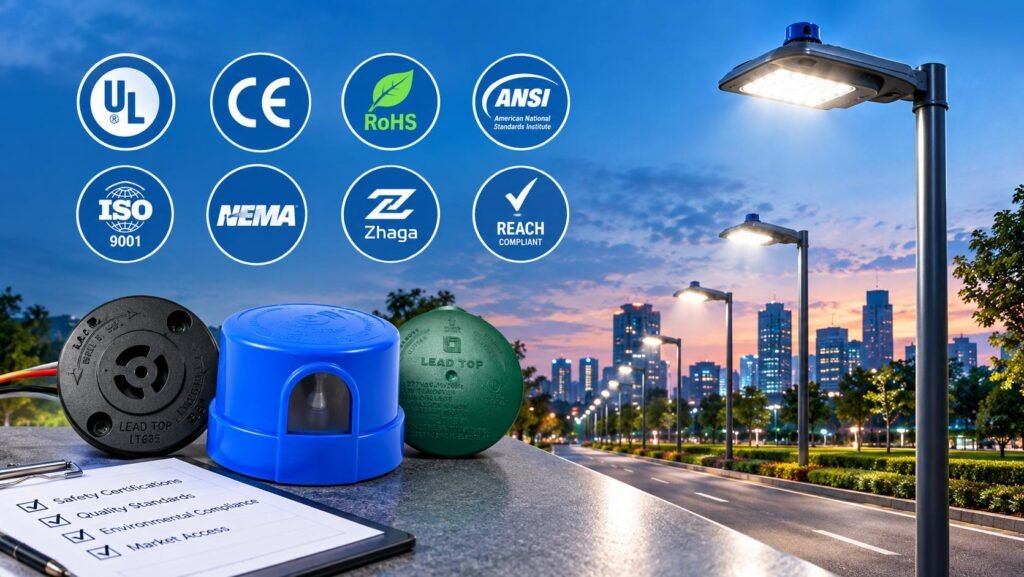
Рекомендуемое решение: Разъем LT600 Zhaga + Датчик освещенности LT6001

Данная комбинация предназначена для удовлетворения современных требований к освещению в «умных» городах.
Характеристики разъема Zhaga LT600
- Жага Книга 18 совместимость
- Компактная модульная конструкция
- Простая установка
- Интеграция интеллектуальных узлов в будущем.
Характеристики датчика освещенности LT6001
- Надежное определение уровня окружающего освещения
- Поддержка адаптивного управления
- Энергосберегающая работа
- Устойчивость к внешним воздействиям
Лучшие приложения
- Адаптивное уличное освещение
- Проекты устойчивого развития «умного города»
- Достижения в области муниципального светодиодного освещения
- модернизация городского освещения
- Инфраструктура подключенного освещения
Таблица 2: Преимущества интеллектуальных систем освещения на основе Zhaga.
| Особенность | Выгода |
| Книга Жага, 18-й стандарт | Упрощает будущие разработки |
| Модульная архитектура | Простая замена и обслуживание |
| Интеграция датчиков | Поддерживает адаптивное освещение |
| Оптимизация энергопотребления | Снижает потребление электроэнергии |
| Совместимость со смарт-узлами | Обеспечивает подключение инфраструктуры |
| Долговечность на открытом воздухе | Обеспечивает длительный срок службы |
| Масштабируемость в будущем | Готовность к расширению «умного города» |
Каким будет будущее устойчивого городского освещения?
Перспективы городского освещения больше не ограничиваются лишь экономией энергии.
В настоящее время муниципалитеты все чаще рассматривают освещение как важнейший компонент широкомасштабных экологических, социальных и управленческих (ESG) стратегий.
Как цели по сокращению выбросов углекислого газа повлияют на дизайн освещения?
Системы освещения вносят значительный вклад в потребление энергии в муниципалитетах, что делает их одним из основных направлений программ устойчивого развития.
В будущих проектах освещения будут акцентированы следующие аспекты:
- Сокращенное потребление энергии
- Адаптивный режим работы
- Меньшие требования к техническому обслуживанию
- Интеграция возобновляемых источников энергии
Какую роль будет играть интеллектуальная инфраструктура?
В будущем муниципалитеты будут зависеть от взаимосвязанных инфраструктурных систем, которые обмениваются данными и динамически реагируют на изменяющиеся условия.
Вот несколько примеров:
- Умные столбы
- Экологический мониторинг
- Освещение, учитывающее особенности дорожного движения
- Взаимосвязанные транспортные системы
«Умное» освещение станет одним из основополагающих элементов этой инфраструктуры.
Почему экологичные решения в области освещения становятся всё более важными?
Муниципалитеты сталкиваются с растущим давлением в связи с:
- Снижение операционных расходов
- Достижение климатических целей
- Улучшение качества жизни
- Снижение экологического воздействия
Следовательно, экологичные решения в области уличного освещения перестают быть просто коммунальными расходами и становятся стратегической инвестицией.
Заключение
Борьба со световым загрязнением становится одним из главных приоритетов для муниципалитетов, стремящихся создать более здоровую и устойчивую городскую среду.
Системы уличного освещения старого типа иногда создают излишнее освещение, увеличивают потребление энергии и способствуют нарушению экологии. С другой стороны, современные интеллектуальные технологии освещения обеспечивают интеллектуальное управление, гибкую работу и повышенную эффективность.
Благодаря адаптивному уличному освещению, управлению с помощью датчиков и передовым системам управления городским освещением города могут значительно сократить световое загрязнение, сохраняя при этом общественную безопасность и эффективность работы.
CTA
Хотите снизить световое загрязнение, одновременно повысив энергоэффективность и готовность к внедрению «умных городов»? Свяжитесь с нами. Свинцовый-Топ исследовать совместимые с Zhaga датчики освещения, адаптивные системы управления освещением и интеллектуальные решения для наружного освещения, предназначенные для проектов устойчивой городской инфраструктуры.




 English
 Portuguese (Brazil)
 Spanish
 Russian
 Dutch
Dutch Japanese
 Portuguese (Portugal)