Почему искусственный интеллект становится частью повседневной городской инфраструктуры?
Сегодня искусственный интеллект стал частью повседневной городской жизни., искусственный интеллект Это явление больше не ограничивается технологическими компаниями, исследовательскими лабораториями или футуристическими концепциями. Для повышения эффективности, снижения эксплуатационных расходов и поддержки долгосрочных целей устойчивого развития муниципалитеты по всему миру инвестируют в цифровую инфраструктуру.
Концепция городов, управляемых искусственным интеллектом, становится реальностью. Вместо работы в изолированных системах, будущие муниципалитеты, как ожидается, будут функционировать как взаимосвязанные среды, где данные постоянно передаются между датчиками, сетями связи и платформами управления.
Однако одного лишь технологического развития недостаточно для успеха. Хотя правительства и градостроители могут приветствовать автоматизацию, в конечном итоге остается вопрос: будут ли граждане ей доверять?
Поскольку люди хотят более безопасных улиц, меньшего энергопотребления и улучшенных коммунальных услуг, общественное мнение стало одним из важнейших факторов, влияющих на будущее развития «умных городов». Но в то же время они хотят прозрачности, конфиденциальности и уверенности в том, что технологии используются разумно.
Как искусственный интеллект незаметно проникает в городскую инфраструктуру?
Современные муниципалитеты все чаще используют интеллектуальные системы для поддержки:
- Оптимизация светофоров
- расписание общественного транспорта
- управление распределением энергии
- Планирование сбора отходов
- Экологический мониторинг
- Техническое обслуживание инфраструктуры
Эти системы постоянно собирают и анализируют данные для улучшения процесса принятия решений и повышения эффективности работы.
Например, системы управления дорожным движением на основе искусственного интеллекта могут отслеживать закономерности возникновения заторов и автоматически корректировать время работы светофоров для уменьшения задержек. Энергетические компании, в свою очередь, могут выявлять аномальные модели потребления энергии и оптимизировать распределение электроэнергии.
Такая форма городской автоматизации позволяет муниципалитетам быстрее реагировать на меняющиеся условия за счет сокращения эксплуатационных расходов.
По мере развития технологий ожидается, что искусственный интеллект станет все более важным компонентом интеллектуальной инфраструктуры, поддерживая все — от транспорта и коммунальных услуг до общественной безопасности и экологической устойчивости.

Каким образом интеллектуальные системы освещения уже используют автоматизированные сенсорные технологии?
Поскольку искусственный интеллект часто ориентирован на футуристические технологии, автоматизированные системы освещения успешно функционируют уже много лет.
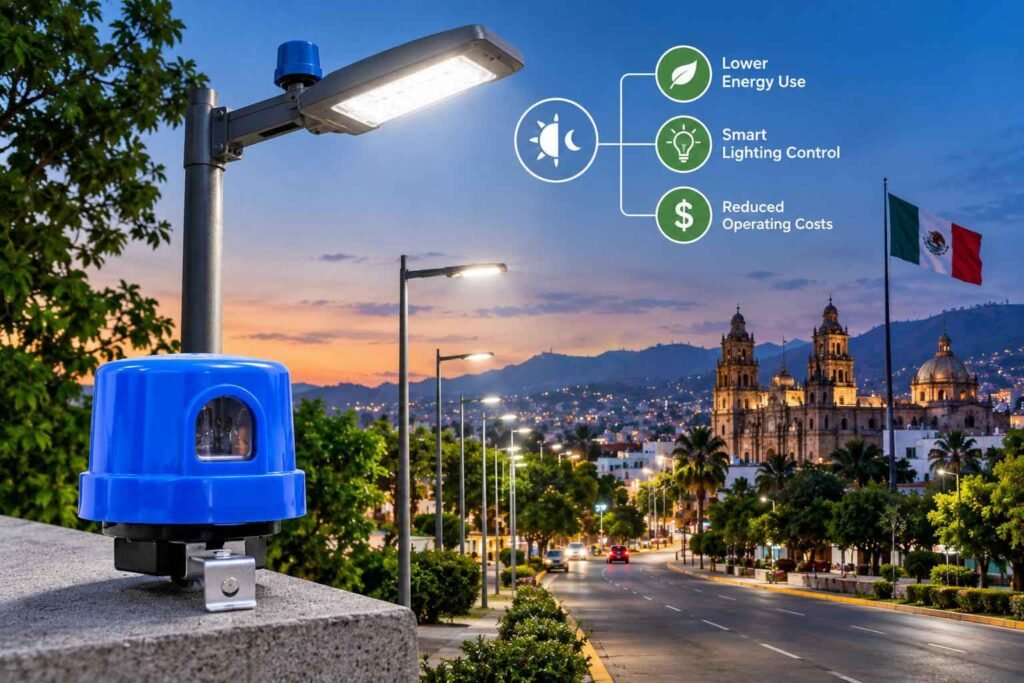
Наилучшим примером является датчик рассвета и заката, который автоматически включает уличные фонари, когда уровень окружающего освещения падает ниже заданного порога, и выключает их, когда возвращается дневной свет.
Для постоянного мониторинга условий экологического освещения в этих системах используется фотоэлементный датчик для наружного освещения.
Без необходимости физического вмешательства, фотоэлементы предложение:
- Автоматическое включение/выключение освещения
- Снижение потребления электроэнергии
- Постоянное освещение
- Более низкие требования к техническому обслуживанию
Системы на основе фотоэлементов относятся к числу самых ранних форм практической автоматизации инфраструктуры.
В результате фотоэлемент старого образца превращается из простого коммутирующего устройства в ключевой компонент взаимосвязанной городской инфраструктуры.
Может ли управление освещением с помощью ИИ улучшить городскую жизнь?
Сторонники развития «умных городов» часто указывают на освещение как на одну из наиболее эффективных и общепризнанных форм автоматизации.
Уличное освещение напрямую влияет на:
- Общественная безопасность
- Видимость трафика
- Потребление энергии
- муниципальные операционные расходы
Системы освещения с использованием искусственного интеллекта могут улучшить эти результаты, динамически реагируя на реальные условия.
Например, адаптивные технологии освещения могут автоматически регулировать уровень освещенности на основе следующих факторов:
- Плотность транспортного потока
- Пешеходное движение
- Погодные условия
- Время суток
- Специальные мероприятия
Системы освещения позволяют точно направлять свет туда, где это необходимо, вместо того, чтобы работать на полной яркости всю ночь.
К преимуществам освещения с использованием искусственного интеллекта относятся:
- Улучшенная видимость на дороге
- Снижение энергопотребления
- Снижение затрат на техническое обслуживание.
- Улучшена производительность инфраструктуры
- Улучшение показателей устойчивого развития
В чём преимущества интеллектуального наружного освещения?
«Умное» освещение предлагает преимущества, выходящие за рамки экономии энергии.
Одним из ключевых компонентов является лучший наружный датчик освещенности, который гарантирует постоянную и точную работу систем освещения независимо от сезонных изменений продолжительности светового дня.
Современные интеллектуальные системы освещения часто включают в себя передовые технологии наружных фотоэлементных датчиков освещенности, обеспечивающие надежную работу в различных экологических условиях.
Важные преимущества интеллектуального наружного освещения
| Выгода | Влияние на муниципальную инфраструктуру |
| Энергетическая грамотность | Снижает ненужное потребление электроэнергии. |
| Автоматическая работа | Устраняет трудоемкие требования к переключению. |
| Повышенная безопасность | Обеспечивает постоянную видимость в ночное время. |
| Низкие затраты на обслуживание | Снижает количество вызовов сервисной службы и затраты на оплату труда. |
| Поддержка устойчивого развития | Способствует достижению экологических целей |
| Эксплуатационная надежность | Улучшает долговременную производительность системы. |
Помимо преимуществ для сотрудников, интеллектуальное освещение также служит основой для будущих приложений в сфере «умных городов».
Какие рекомендуемые конфигурации освещения используются для интеллектуальной городской автоматизации?
Экономичное решение для модернизации системы «умного» освещения
Для городов, начинающих модернизацию, экономически эффективное решение может принести немедленные выгоды без значительных инвестиций в инфраструктуру.
Рекомендуемая комбинация
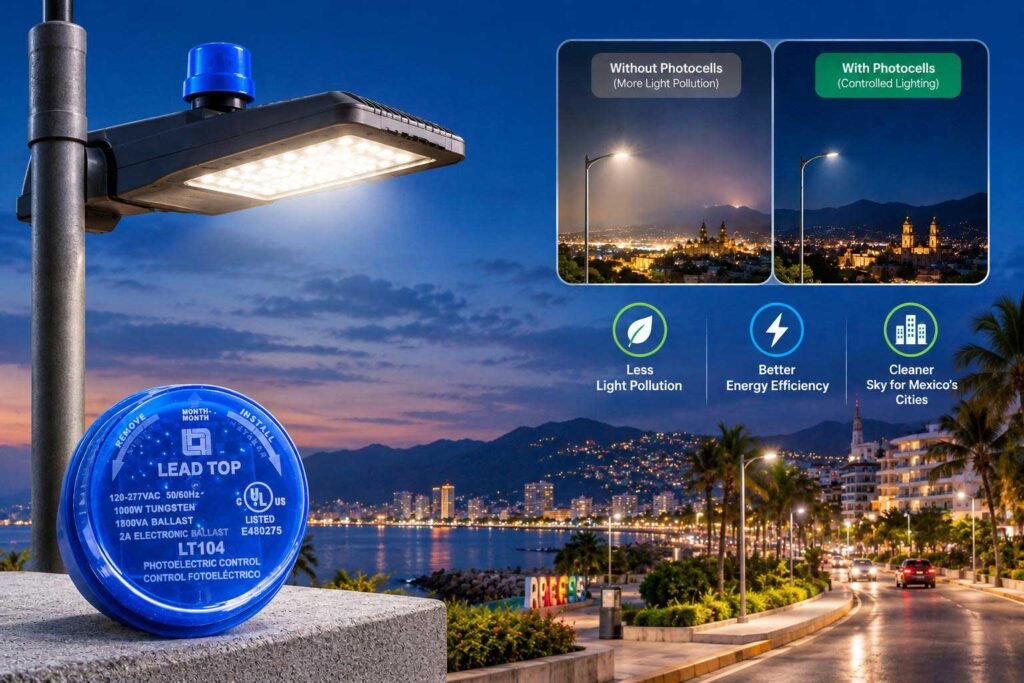
LT104 — недорогой электронный фотоконтроллер + монтажный разъем NEMA для LT645/LT645B

Лучше всего подходит для
- Проекты южноамериканских мегаполисов
- бюджетно-ориентированные городские реконструкции
- программы модернизации светодиодного освещения
Основные преимущества
- Простота развертывания
- Надежная работа с наступлением сумерек до рассвета.
- ANSI совместимость
- Низкие эксплуатационные расходы
Долговечное решение для муниципального освещения
Для крупных проектов, где надежность и сокращение затрат на техническое обслуживание являются первостепенными задачами, системы фотоуправления с длительным сроком службы представляют собой более выгодное решение.
Рекомендуемая комбинация
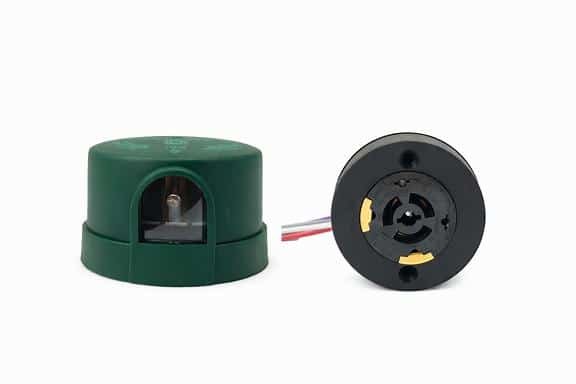
Лучше всего подходит для
- системы общественных автомагистралей
- Инфраструктура парковочных зон
- Среды с высокими затратами на техническое обслуживание
Основные преимущества
- Увеличенный срок службы реле
- защита от высокого пускового тока
- Гибкая установка
- Долговечная работа на открытом воздухе
Сравнение рекомендуемых решений
| Особенность | LT104 + LT645 | LT134 + LT605R |
| Размер проекта | Малый до среднего | Средний до крупного |
| Первоначальные инвестиции | Ниже | Выше |
| Служба жизни | Стандарт | Расширенный |
| Защита от пускового тока | Базовый | Улучшенный |
| Гибкость установки | Хороший | Отличный |
| Экономия на долгосрочном техническом обслуживании | Умеренный | Высокий |
Почему защита конфиденциальности является одной из главных проблем «умных городов»?
Несмотря на потенциальные преимущества городов, управляемых искусственным интеллектом, общественные опасения остаются важными.
Многие поддерживают повышение эффективности инфраструктуры, но при этом внимательно следят за тем, как технологии собирают и используют информацию.
К числу распространенных проблем относятся:
- конфиденциальность данных
- Возможности наблюдения
- Прозрачность
- Риски кибербезопасности
- Подотчетность
Эти опасения логичны и требуют тщательного обдумывания.
Не вся интеллектуальная инфраструктура предполагает сбор персональных данных. Например, системы освещения на основе фотоэлементов в основном измеряют экологический уровень освещенности, а не личную информацию.
Однако, по мере внедрения муниципалитетами все большего количества взаимосвязанных технологий, для поддержания общественного доверия необходима прозрачность в отношении:
- Какие данные собираются?
- Как используются данные
- Кто имеет доступ к информации?
- Как обеспечивается безопасность систем
Будут ли граждане доверять инфраструктуре искусственного интеллекта в будущем?
Перспектива доверия общественности к искусственному интеллекту будет зависеть главным образом от того, как муниципалитеты будут внедрять и информировать о технологических изменениях.
Некоторые факторы могут способствовать укреплению доверия:
- Прозрачная коммуникация
- Ответственное управление данными
- Стратегии этичного использования технологий
- Инициативы по вовлечению общественности
- Независимый надзор
По сути, доверие строится на взаимоотношениях между правительствами, поставщиками инфраструктуры и сообществами, которым они служат, а не только посредством технологий.
Заключение: Завоюют ли города, управляемые искусственным интеллектом, общественное признание?
Будущее городов, управляемых искусственным интеллектом, будет зависеть не только от технологических возможностей. Общественное доверие, прозрачность и ответственное внедрение будут играть не менее важную роль.
Автоматизация может обеспечить практические преимущества, не нарушая повседневную жизнь, и именно это демонстрируют интеллектуальные системы освещения, работающие на основе фотоэлементных датчиков для наружного освещения и инновационных систем управления.
В условиях непрерывной эволюции муниципалитетов интеллектуальная инфраструктура, городская автоматизация и адаптивные решения в области освещения помогут повысить эффективность, устойчивость и общественную безопасность.
По мере все большей интеграции технологий в работу муниципалитетов, настоящая проблема заключается в обеспечении того, чтобы граждане чувствовали себя уверенно, информированно и комфортно.
Призыв к действию:
Надежное интеллектуальное освещение начинается с надежных систем управления.
Интеллектуальные фотоэлементные решения Lead-Top помогают городам, поставщикам и специалистам по освещению внедрять энергоэффективные автоматизированные системы наружного освещения, рассчитанные на длительный срок службы.


 Russian
  English
  Portuguese (Brazil)
  Spanish
  Dutch
Dutch  Japanese
  Portuguese (Portugal)