導入
10年以上にわたり、電力使用量と維持費を削減するために、世界中の都市は従来の街灯を LED. 自治体は現在、屋外照明の改善において新たな段階に入っているが、この最初の近代化の波は注目すべきコスト削減をもたらした。.
都市開発者は、「どれだけのエネルギーを節約できるか?」という問いだけでなく、「照明は持続可能性を維持しながら、人々の生活をどのように向上させることができるか?」という問いを次第に投げかけるようになっている。“
エネルギー効率だけでなく、人間の幸福、視覚的な快適さ、公共の安全、環境保護、そして地域社会の満足度も考慮に入れた、人間中心照明という新しい設計思想が登場した。.
管理者は、単に設置作業を続けるのではなく、照明仕様を見直し、住民と協議することを選択した。これは、**LED照明トレンド2026**における重要な傾向を反映している。すなわち、照明プロジェクトの成功は、技術的な性能と地域社会からの評価の両方によって評価されるようになっている。.
より安全で快適、そして持続可能な都市環境を構築するために、各都市は引き続き、LED照明改修プログラム、スマート街路灯、適応型照明、スマート制御システムへの投資を行っている。.

人間中心の照明が都市にとって重要な優先事項になりつつあるのはなぜか?
公衆衛生に対する意識の高まり
人工照明の影響は、視認性だけにとどまりません。多くの研究で、過剰な照明、明るさ、不適切な色温度は、視覚的な健康、睡眠パターン、そして夜間の全体的な体験に影響を与える可能性があると指摘されています。.
街路照明は主に防犯を目的としているが、近年では自治体も照明が快適な公共空間を創出する役割も担うべきだと認識し始めている。これが、人間中心照明が現代の屋外照明設計において不可欠な要素となっている理由の一つである。.
都市は、可能な限り明るい照明器具を設置するのではなく、次のような照明システムを徐々に求めるようになっている。
- 夜間の視界が快適
- 運転者と歩行者向けに明るさを制限
- さまざまな環境に適した照明レベル
- 近隣の景観の改善
- 地域社会の幸福度向上
この人間中心の手法は、品質と熟練度を共に重視する、より広範なLED照明トレンド2026と一致している。.
地域社会との関わりが重要な理由
現代の市民は、自分たちの住む地域に影響を与える決定に意見を述べることを期待している。照明プロジェクトも例外ではない。.
公開討論は、都市が以下の点について意見を収集するのに役立ちます。
- 照明設定
- 色温度
- 住宅照明のニーズ
- セキュリティ上の懸念
- 生態系への影響
ノーフォークのプロジェクトは、自治体によるLED照明改修事業を成功させるには、技術的な性能と市民の期待とのバランスを取る必要があることを示している。.
表1:従来のLEDアップグレードと人間中心型街路照明の比較
| 特徴 | 従来型LEDへの交換 | 人間中心の街路照明 |
| 主な目標 | エネルギー消費量を削減する | 効率性、快適性、安全性のバランスを取る |
| 照明制御 | 固定出力 | 動的調整機能を備えたアダプティブライティング |
| コミュニティからの意見 | 限定 | 積極的な市民参加 |
| 集中 | コスト削減 | 公共の福祉と持続可能性 |
| 環境への影響 | エネルギー消費量の削減 | エネルギー消費量の削減に加え、まぶしさや光害の軽減にもつながる。 |
| テクノロジー | 基本的なLED照明器具 | スマート光制御、センサー、インテリジェント制御 |
従来のLED改修ではもはや不十分な理由とは?
これらの近代化によってエネルギー消費量は大幅に削減されたものの、都市の多様なニーズには十分に対応できていなかった。第一世代のLEDプロジェクトは、高圧ナトリウムランプやメタルハライドランプといった旧式の技術を置き換えることに重点を置いていた。.
今日、都市は照明システムに以下の機能を求めている。
- 公共の安全
- 生態学的持続可能性
- スマートシティの導入
- 運用上の柔軟性
- 市民体験の向上
以前の優先事項
過去の照明プロジェクト事例:
- 電気代が安くなる
- ランプ寿命が長くなった
- 維持費が安い
- 投資回収期間の短縮
これらの目標は依然として不可欠ではあるが、もはやそれだけでは十分ではない。.
2026年に向けた新たな優先事項
2026年までのLED照明の最新トレンドでは、以下の点にますます重点が置かれています。
- 快適な夜間環境
- 明るさを下げました
- 光害が少ない
- 野生動物の安全
- 柔軟なグレア調整
- スマートシティ照明プラットフォームとの統合
こうした流れが、多くの都市が新たな調達仕様に適応型照明の要件を盛り込むようになった理由を説明している。.
スマート照明制御は、人間中心の照明をどのようにサポートするのか?
照明の質は、照明器具だけでなく、スマート制御システムにも左右されます。最新のスマート光制御技術により、自治体は固定されたスケジュールに頼るのではなく、実際の状況に応じて照明を最適化することができます。.
ダイナミック輝度調整
一晩中フル出力で動作する従来のシステムとは異なり、アダプティブライティングは、以下の要素に基づいて照明レベルを調整します。
- 交通密度
- 歩行者の活動
- 夜の時間帯
- 気象状況
- 特別イベント
この戦術は、適切な視認性を維持しながら、エネルギー効率を向上させる。.
まぶしさを軽減
不必要な照明は、コントラストの問題により、不快感を引き起こしたり、視認性を低下させたりする可能性があります。.
スマート調光システムは、バランスの取れた照明を維持し、ドライバーの快適性を向上させると同時に、歩行者の安全性を確保するのに役立ちます。.
エネルギー効率の向上
現在のスマート街路照明システムは、単に照明をオンオフするのではなく、活動が少ない時間帯の不要な電力使用を削減することで、エネルギー消費を絶えず最適化します。.
Lead-Top社の製品のうち、人間中心の街路照明をサポートするものはどれですか?
Lead-Topは、最新のスマートシティ照明プロジェクトや適応型屋外照明アプリケーションをサポートする数多くのソリューションを提供しています。.
LT154 調光フォトコントロール
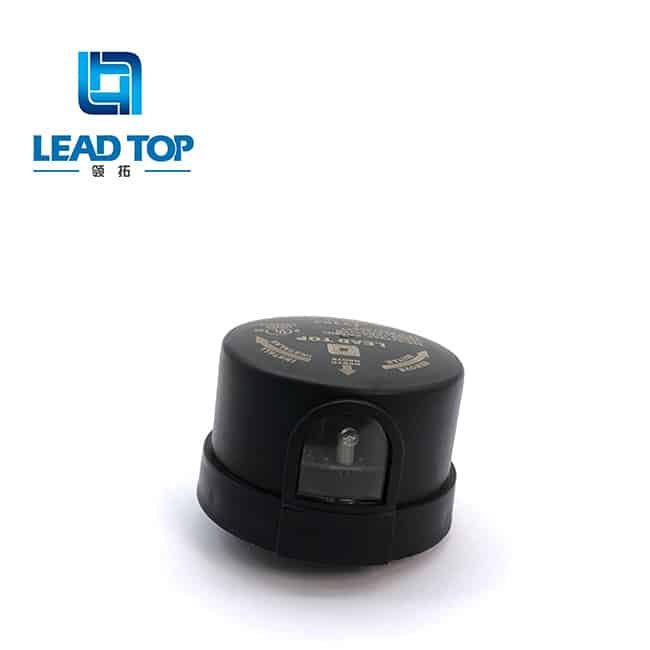
LT154は、信頼性の高い夜間自動調光機能とスマート照明との互換性を組み合わせることで、スマート調光アプリケーションをサポートします。.
主な利点は以下のとおりです。
- 安定したスイッチング性能
- 調光機能
- 高レベルの防御力
- 屋外での信頼性の高い動作
- 長寿命
LT635-7PIN 工具不要レセプタクル
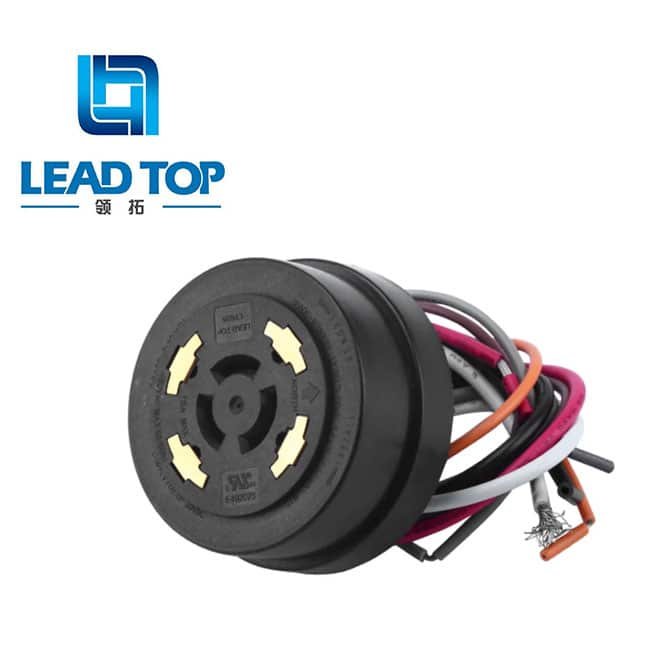
LT635-7PINは、スマート照明ノード向けに簡単に設置できるインターフェースを提供します。.
利点は以下のとおりです。
- 工具不要の取り付け
- ANSI C136.41との互換性
- スマートコントローラーの組み込み
- メンテナンスが簡単
- 未来を見据えたデザイン
LT600シリーズ Zhagaコネクタ

LT600シリーズは、革新的なスマートシティ照明アプリケーション向けに、小型センサーの組み込みをサポートします。.
メリットは以下のとおりです。
- Zhaga Book 18との互換性
- モジュール式建築
- DALI統合サポート
- センサーの簡単な進歩
- スマート照明の拡張
表2:人間中心型照明プロジェクトに推奨される鉛製トップパネルソリューション
| 製品 | 主な機能 | 最適なアプリケーション | 主な利点 |
| LT154 調光フォトコントロール | インテリジェント照明制御 | 市道 | 調光対応、サージ保護、信頼性の高いスイッチング |
| LT635-7PIN 工具不要レセプタクル | スマート照明インターフェース | スマート対応LED照明器具 | 工具不要の取り付け、ANSI規格準拠 |
| LT600シリーズ Zhagaコネクタ | センサー接続 | 適応型照明およびIoTプロジェクト | モジュール設計、DALI互換性、将来的な拡張性 |
スマートシティは、安全性と持続可能性をどのように両立させているのか?
適切な屋外照明設計方針は、不要な光出力を最小限に抑えつつ、運転者、自転車利用者、歩行者にとって十分な照明を提供する。.
イベントベース照明
照明レベルは、以下の状況でロボットによって自動的に上昇する可能性があります。
- スポーツイベント
- 公開会議
- 緊急事態
- 交通量の多い時間帯
住宅街の照明調光
深夜になると、住宅街では交通量が著しく減少することが多い。.
都市は、適応型照明を使用することで、安全な視界を維持しながら眩しさを軽減することができる。.
野生生物に配慮した照明区域
現在、多くの自治体が以下のような地域で特別な照明戦略を策定しています。
- 敷地
- 水路
- 自然保護区
- 海辺の環境
光強度を低く抑え、慎重に制御された運転を行うことで、環境への影響を軽減すると同時に、生物多様性の目標達成を支援することができます。.
自治体の購買担当者は、今後の照明プロジェクトにおいて何を考慮すべきでしょうか?
自治体によるLED照明改修プログラムが継続される中、購入者は照明システムを、初期購入価格だけでなく、長期的な性能に基づいて評価すべきである。.
重要な懸念事項は以下のとおりです。
調光対応
現代のプロジェクトでは、適応制御と将来のスマート照明の拡張をサポートする照明コンポーネントがますます必要になっている。.
スマート対応アーキテクチャ
開放的でセグメント化されたデザインにより、以下の要素を組み込みやすくなります。
- センサー
- 通信モジュール
- ワイヤレスコントローラー
- スマートシティプラットフォーム
オープンスタンダード
定評のある規格に準拠した製品を選択することで、相互運用性が向上し、将来の技術革新が円滑に進みます。.
信頼性
長寿命でサージ保護性能の高い部品は、メンテナンスコストを削減し、システムの可用性を向上させます。.
スケーラビリティ
今後数十年にわたって技術が発展し続けるにつれて、コミュニティのインフラは適応性を維持する必要があります。.
よくある質問(FAQ)
人間中心照明とは何ですか?
エネルギー効率と持続可能性を維持しながら、ヒューマンセントリックライティングは、人々の快適性、健康、安全性、そして視覚体験を中心に照明を設計する手法です。.
なぜ都市は従来のLED改修から脱却しようとしているのか?
基本的なLED照明への置き換えはエネルギー消費量を削減するが、現代の自治体には、適応型照明制御、グレアの軽減、環境保護、スマート接続、そして住民の満足度向上も必要である。.
スマート光制御技術は、屋外照明をどのように改善するのでしょうか?
スマートフォトコントロールは、周囲の状況に基づいて照明をロボットで管理し、スマート調光をサポートし、エネルギー効率を向上させ、メンテナンスを削減し、スマートシティ照明プラットフォームとの統合を可能にします。.
適応型照明は、自治体プロジェクトにおいてどのような役割を果たすのでしょうか?
適応型照明は、公共の安全を維持しながら、交通量、歩行者の活動、気候、時間帯に応じて照明を積極的に調整することで、自治体のエネルギー消費量の削減に貢献します。.
スマートシティ照明はなぜ未来にとって重要なのでしょうか?
スマートシティ照明は、集中監視、遠隔管理、エネルギー最適化、センサーや通信ネットワークとの統合を可能にすることで、接続された都市インフラの一部を形成する。.
行動喚起(CTA)
将来を見据えたスマートシティ照明プロジェクトをサポートするために、Lead-Topはスマートフォトコントロール、Zhagaコネクタ、, ダリ互換性のあるインターフェースと適応型照明技術を備えています。都市、照明コンサルタント、請負業者、OEMパートナーなど、どのような立場であっても、Lead-Topにご連絡いただければ、現代の都市インフラに合わせた、信頼性が高くエネルギー効率に優れた屋外照明制御ソリューションをご提案いたします。.


 English
 Portuguese (Brazil)
 Spanish
 Russian
 Dutch
Dutch Japanese
 Portuguese (Portugal)