導入
As cities spend in connected illumination, attention often emphases on visible technologies such as LED luminaires, wireless communication nodes, cameras, and ecological sensors. Though, one of the most imperative yet ignored elements is the smart street lighting interface that connects these smart devices to the illumination system.
Old-style receptacles were intended mainly to support basic フォトコントロール that switched lights on and off. Today’s smart illumination systems need much more. They must accommodate smart nodes, support wireless communication, allow easy repairs, and stay adaptable as technology develops. This move has created demand for advanced solutions such as the rotatable receptacle and tool-free lighting system.
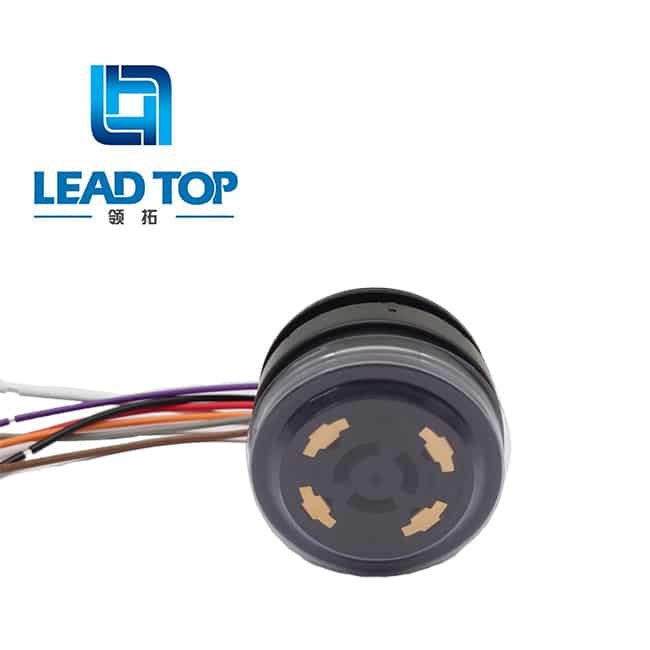
Amongst these solutions, the LT635 smart lighting receptacle combines a 360° rotatable design with tool-free tuning, making it a perfect select for modern smart street illumination projects. These features improve installation flexibility, optimize smart node orientation, and decrease long-lasted maintenance expenditures.

What Problems Do Traditional Fixed Receptacles Create?
Old-style illumination receptacles served the industry well when illumination systems only required basic photocontrols. Though, connected illumination introduces new technical challenges that fixed receptacles cannot always address.
Some of the most common restrictions comprise:
- Fixed installation orientation
- Restricted flexibility during commissioning
- Difficult upkeep procedures
- Abridged communication performance
- Lengthier installation times
One of the prevalent problems is orientation. Wireless communication modules often contain antennas that perform best when placed in specific directions. Fixed sockets avert installers from optimizing antenna placement after installation.
Consequently, communication quality may differ between installations even when same hardware is used.
Maintenance also becomes more complex. If adjustments are compulsory, engineers often need extra tools or may even have to remove and reinstall the whole component, increasing employment costs and service time.
For cities positioning thousands of smart illumination nodes, these small ineffectiveness can accumulate into substantial working expenditures.
Table 1: Traditional Fixed Receptacles vs. Rotatable Tool-Free Receptacles
| 特徴 | Traditional Fixed Receptacle | LT635 Smart Lighting Rotatable Receptacle |
| Installation Orientation | 修理済み | 360° Adjustable |
| Node Alignment | 限定 | Optimized after installation |
| 設置の柔軟性 | 低い | 高い |
| Maintenance Efficiency | 適度 | 素晴らしい |
| Future Smart Node Compatibility | 限定 | Designed for smart lighting systems |
| インストール時間 | Longer | 削減 |
| Field Adjustments | Often require disassembly | Tool-free adjustment |
How Does a Rotatable Receptacle Improve Smart Lighting Performance?
A rotatable receptacle is exactly designed to deliver greater installation tractability by permitting engineers to adjust the orientation of connected smart devices after installation.
Dissimilar to fixed sockets, a 360° rotating interface allows installers to place communication nodes in the most appropriate direction for wireless performance.
This ability offers some practical benefits.
Improved Wireless Communication
Numerous smart illumination controllers depend upon technologies such as:
- Cellular communication
- ロラワン
- NB-IoT
- RF Mesh
- ジグビー
These communication methods can be influenced by antenna orientation and neighboring obstacles.
By permitting exact positioning, a rotatable receptacle helps maximize signal quality and network dependability.
Easier On-Site Optimization
Field situations often differ from engineering plans. Constructions, trees, or other structures may interfere with wireless communication.
Rather than reinstalling equipment, experts can simply rotate the connected device till optimal performance is attained.
Better Installation Consistency
Large community projects may involve various installation squads.
A rotatable interface guarantees reliable alignment irrespective of fixture orientation, improving general network performance.
Why Does a Tool-Free Lighting System Matter?
A tool-free lighting system addresses these challenges by streamlining field adjustments.
Dissimilar to old-style systems that need repeated use of hand tools, tool-free designs allow installers to make orientation adjustments rapidly after initial installation.
Typical workflow:
- Install receptacle.
- Connect smart node.
- Rotate to preferred position.
- Authenticate communication.
- Lock into place.
This simplified process offers some benefits:
- Quicker commissioning
- Lesser labor requirements
- Abridged installation errors
- Stress-free future maintenance
- Greater flexibility during advancements
For cities managing thousands of illumination points, these proficiencies translate into significant savings all through the project lifespan.
Why Is LT635 an Ideal Smart Infrastructure Solution?
The LT635 smart lighting receptacle has been developed specially for connected outdoor illumination systems that need flexibility, reliability, and long-lasted compatibility.
Its combination of 360° rotation and tool-free adjustment makes it predominantly appropriate for smart city dispositions where installation quality directly affects network performance.
主な特徴は以下のとおりです。
- 360° rotatable receptacle design
- Tool-free adjustment after installation
- ANSI C136.41 compatible interface
- Support for smart illumination controllers
- Appropriate for smart pole applications
- Resilient outdoor construction
- Streamlined maintenance procedures
Because the LT635 follows renowned industry standards, it incorporates easily with a wide range of smart illumination ecosystems while supporting future extension.
Instead of locking municipalities into proprietary systems, it promotes standardized infrastructure skilful of adapting to new technologies over time.
Table 2: Benefits of LT635 for Municipal Smart Lighting Projects
| 利点 | Value to Municipal Projects |
| 360° Rotation | Optimizes smart node orientation for stronger wireless communication |
| Tool-Free Adjustment | Speeds installation and simplifies field optimization |
| 標準化されたインターフェース | Supports compatibility with ANSI C136.41 smart lighting systems |
| モジュール式建築 | Enables future upgrades without replacing entire luminaires |
| メンテナンスの削減 | Minimizes service visits and installation errors |
| スマートノードとの互換性 | Supports connected lighting controllers and IoT devices |
| Faster Deployment | Helps accelerate large-scale municipal lighting projects |
| 長期的な拡張性 | Supports future smart city expansion and technology upgrades |
What Is the Future of Smart Lighting Interfaces?
Outdoor illumination technology is growing beyond simple photocontrol systems into smart, connected infrastructure that supports city-wide digital conversion.
Future illumination interfaces will increasingly focuses:
- プラグアンドプレイインストール
- Open industry standards
- モジュール式建築
- Wireless communication compatibility
- メンテナンスが簡単
- 長期にわたる拡張性
Products like the LT635 smart lighting receptacle represent this next generation of infrastructure by joining flexibility, compatibility, and installation proficiency within a standardized platform.
Frequently Asked Questions (FAQs)
Why is a rotatable receptacle important?
A rotatable receptacle permits installers to adjust the orientation of connected smart nodes after installation. This helps optimize antenna positioning, improve wireless communication, and increase installation flexibility.
What is a tool-free lighting system?
A tool-free lighting system permits adjustments or component alignment devoid of needing extra tools after the initial installation. This streamlines commissioning, decreases labor costs, and increases maintenance proficiency.
Is LT635 suitable for large municipal lighting projects?
Yes. The LT635 smart lighting receptacle is intended for smart street illumination, smart pole infrastructure, and extensive municipal deployments where standardized interfaces, installation proficiency, and future scalability are indispensable.
結論
The prospect of outdoor illumination is no more defined exclusively by brighter roads or lower electricity usage. Today’s smart city projects demand infrastructure that is connected, flexible, and easy to preserve. As cities continue to deploy smart illumination networks, the importance of the smart street lighting interface is increasing rapidly.
Old-style fixed receptacles often restrict installation flexibility, make upkeep more multifaceted, and decrease the efficiency of wireless communication. By contrast, a rotatable receptacle with a tool-free lighting system offers engineers and contractors the capability to optimize smart node alignment, speed up installation, and simplify future advancements.
The LT635 smart lighting receptacle addresses these developing requirements by joining 360° rotation, tool-free adjustment, and compatibility with ANSI C136.41 smart illumination systems. This modular design supports dependable connectivity, steady installation quality, and long-lasted infrastructure scalability.
行動喚起(CTA)
Looking for a trustworthy smart street lighting interface that improves installation proficiency and supports future-ready infrastructure? リードトップ offers the LT635 smart lighting receptacle, featuring a 360° rotatable receptacle design and tool-free lighting system for contemporary intelligent street illumination and smart pole projects.
Contact the Lead-Top team today to request technical specifications, discuss OEM/ODM customization, or receive expert recommendations for your next municipal lighting project.