Introdução
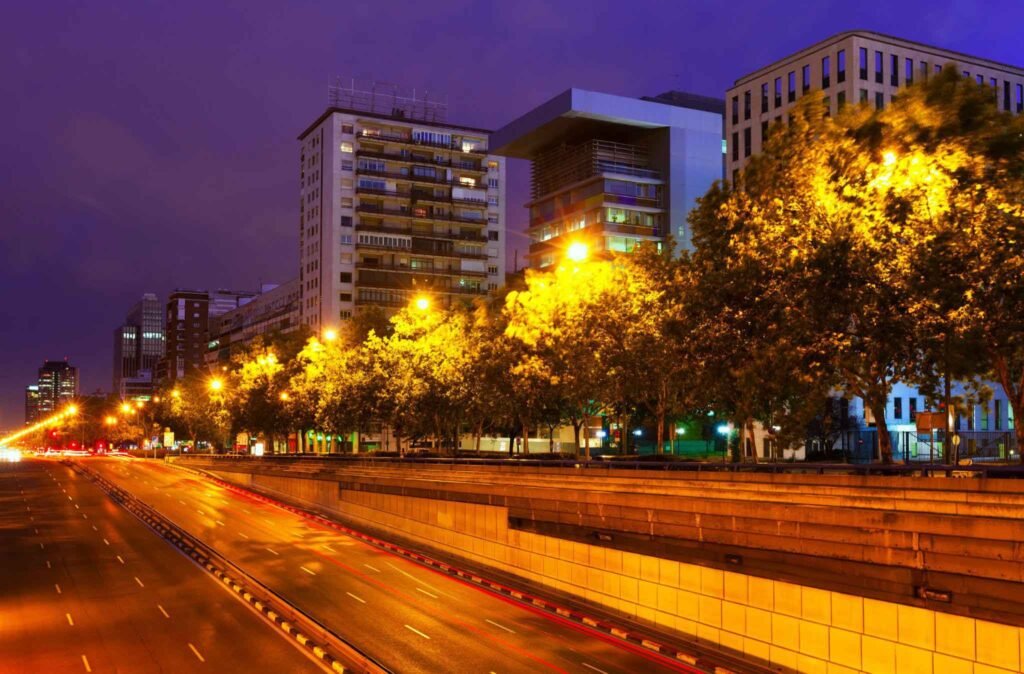
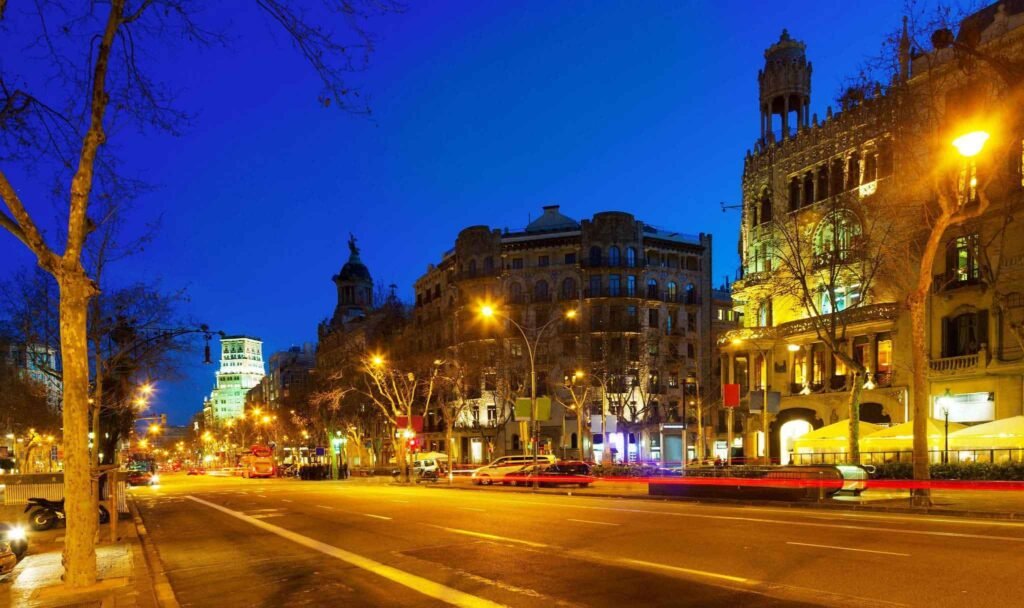
A iluminação pública sempre foi uma parte importante da infraestrutura metropolitana, mas seu papel está se expandindo muito além de simplesmente iluminar as ruas após o anoitecer. Hoje, os municípios reconhecem que a iluminação pública comunitária eficaz desempenha um papel fundamental na melhoria da segurança nas proximidades, na melhoria da qualidade de vida, no apoio à atividade econômica local e no fomento de um maior engajamento comunitário.
Um bom exemplo é San Isidro, na Argentina, onde as autoridades instalaram mais de 300 novas LIDERADO O projeto incluiu a instalação de postes de iluminação pública, a adição de 125 postes de iluminação e a seleção de dezenas de locais adicionais para instalação, com base diretamente na opinião da comunidade. Este projeto demonstra como os Projetos de Iluminação Municipal estão se tornando, progressivamente, iniciativas colaborativas destinadas a atender às reais preocupações da comunidade, ao mesmo tempo que aprimoram a eficiência da infraestrutura pública.
Simultaneamente, tecnologias confiáveis de controle de iluminação — incluindo sistemas de controle de iluminação externa e dispositivos fotocélulas inteligentes — estão ajudando as cidades a garantir que os sistemas de iluminação funcionem constantemente, reduzam os custos de manutenção e ofereçam um desempenho confiável do anoitecer ao amanhecer durante todo o ano.

Por que as comunidades estão exigindo uma melhor iluminação pública?
Em diversos municípios, áreas residenciais continuam dependendo de uma infraestrutura de iluminação obsoleta que já não atende aos padrões modernos de segurança ou eficiência. Luminárias ultrapassadas, postes deteriorados, iluminação irregular e problemas recorrentes de manutenção podem reduzir a eficiência da iluminação pública.
Essas deficiências afetam mais do que a visibilidade. A iluminação inadequada pode influenciar a forma como as pessoas percebem a segurança e a usabilidade de espaços públicos, principalmente após o anoitecer.
Os desafios comuns incluem:
- Infraestrutura de iluminação envelhecida
- Iluminação inadequada em ruas residenciais.
- Cobertura de iluminação desigual
- Falhas recorrentes de equipamentos
- Aumento dos custos de manutenção
- Aumento das queixas dos moradores
Os projetos contemporâneos de iluminação de bairro buscam solucionar esses problemas, fornecendo iluminação confiável que promova uma circulação mais segura para todos que utilizam espaços públicos.
Em vez de se concentrar apenas na substituição de equipamentos obsoletos, o projeto ampliou a área de cobertura da iluminação para melhor refletir como os moradores realmente usam os espaços do bairro.
Esse processo de planejamento centrado na comunidade ajuda as cidades a aproveitarem ao máximo o valor dos investimentos em infraestrutura, ao mesmo tempo que aumenta a confiança pública nas iniciativas do governo local.
Tabela 1: Iluminação pública tradicional versus iluminação pública centrada na comunidade
| Recurso | Iluminação pública tradicional | Iluminação pública centrada na comunidade |
| Objetivo principal | Iluminação básica de estradas | Segurança, conforto e qualidade de vida. |
| Método de planejamento | Orientado para a engenharia | Feedback da comunidade + análise de engenharia |
| Cobertura de Iluminação | Infraestrutura existente | Ampliado com base nas necessidades locais. |
| Participação dos residentes | Limitado | Consulta ativa e feedback |
| Foco em tecnologia | Iluminação convencional | Iluminação LED com controles inteligentes |
| Medição de sucesso | Consumo de energia | Segurança, satisfação e eficiência. |
Por que a iluminação comunitária vai além da instalação de novas luminárias?
Embora a transição para luminárias residenciais de LED ofereça economias de energia consideráveis, projetos de iluminação pública bem-sucedidos envolvem muito mais do que simplesmente substituir luminárias antigas.
As cidades precisam equilibrar vários objetivos importantes simultaneamente.
Melhorando a visibilidade noturna
Uma iluminação clara e constante permite e ajuda pedestres, ciclistas e motoristas a se locomoverem em locais públicos com maior segurança.
No que diz respeito a bairros mais seguros e acessíveis, calçadas bem iluminadas, cruzamentos e áreas de convivência pública contribuem para isso.
Apoio à Segurança Pública
Uma iluminação pública eficaz contribui para melhorar a visibilidade em todas as áreas residenciais, facilitando o reconhecimento de potenciais perigos e promovendo uma circulação mais segura após o anoitecer.
A iluminação é apenas um elemento da segurança pública, mas pode contribuir para ambientes onde os ocupantes se sintam mais confortáveis ao utilizar espaços públicos durante a noite.
Proporcionar cobertura de iluminação uniforme
O design de iluminação não se resume apenas ao brilho.
A distribuição uniforme reduz as áreas de brilho extremo e as zonas escuras entre as luminárias.
Uma iluminação equilibrada melhora o conforto visual ao mesmo tempo que diminui o brilho excessivo.
Redução dos custos operacionais
Os sistemas LED contemporâneos, combinados com controles de iluminação confiáveis, consomem menos eletricidade e exigem menos visitas de manutenção.
Custos operacionais mais baixos permitem que as cidades aloquem recursos para melhorias adicionais na comunidade.
Aumentando a satisfação dos moradores
Em última análise, os projetos de iluminação comunitária devem melhorar a experiência diária dos moradores.
Uma melhor iluminação contribui para que as pessoas percebam os bairros como mais seguros, acolhedores e fáceis de se locomover.
Como tornar confiável Fotocontroles Ajude a manter as comunidades iluminadas com segurança?
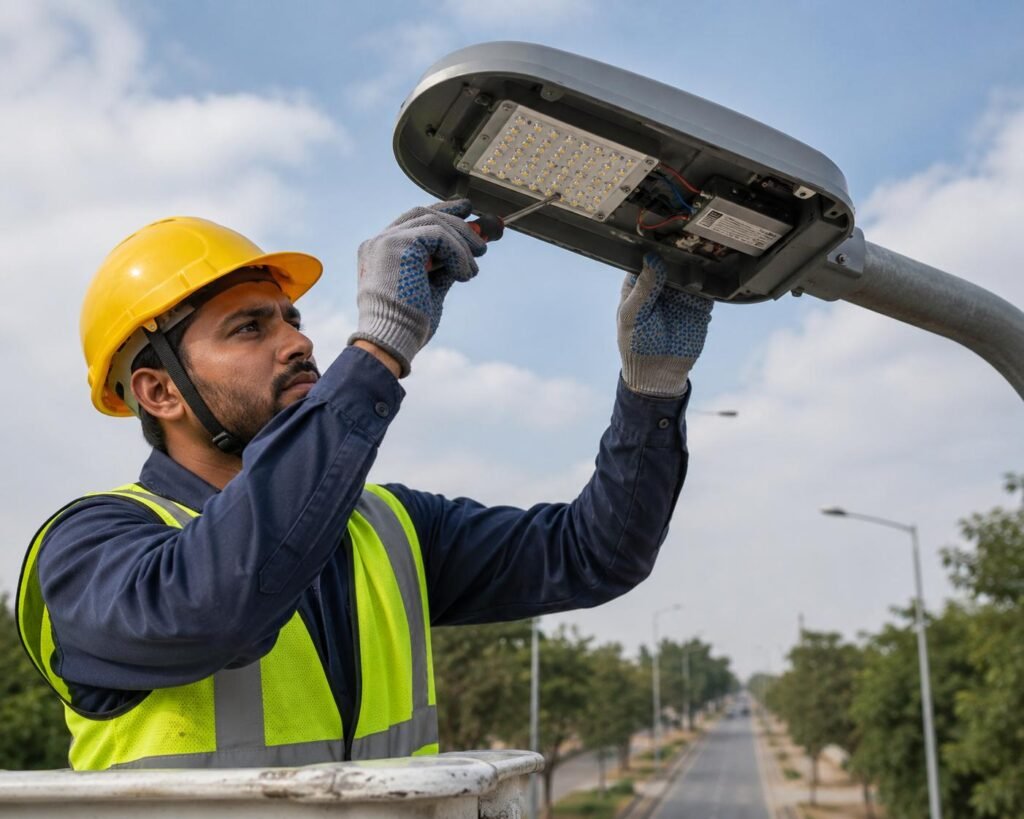
Um controle confiável da iluminação externa é importante para garantir que a iluminação pública ligue automaticamente ao pôr do sol e desligue ao amanhecer, sem interrupções desnecessárias.
Falhas no controle da iluminação podem levar a:
- Desperdício de energia diurna
- ruas escuras e habitadas
- Aumento das solicitações de manutenção
- Descontentamento público
- Custos operacionais mais elevados
A tecnologia contemporânea de fotocélulas inteligentes ajuda as cidades a manter um desempenho de iluminação confiável, reduzindo as necessidades de manutenção.
Quais soluções de fotocontrole com tampa de chumbo são compatíveis com projetos de iluminação comunitária?
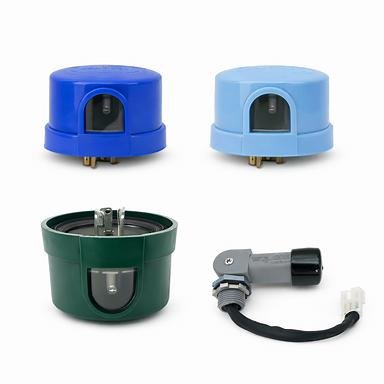
A Lead-Top oferece soluções de controle de iluminação destinadas a aplicações comunitárias e residenciais.
Fotocontrolador econômico LT124L
O LT124L oferece comutação confiável do anoitecer ao amanhecer, além de suportar os avanços da iluminação LED com excelente custo-benefício. Perfeito para projetos de iluminação pública com orçamento limitado.
Ideal para:
- Ruas residenciais
- Melhorias na iluminação comunitária
- Programas de requalificação comunitária
Fotocontrolador de longa duração LT134
Para projetos que priorizam a resiliência e a manutenção reduzida, o LT134 oferece desempenho confiável e duradouro.
As principais vantagens incluem:
- Vida útil prolongada
- Comutação constante
- Custos de manutenção reduzidos ao longo da vida útil
- Operação confiável em ambientes externos
Fotocontrolador LT310F com fio
O LT310F é adequado para luminárias que requerem soluções integradas de controle de iluminação.
Seu design compacto suporta uma variedade de aplicações de iluminação externa, oferecendo ao mesmo tempo uma operação automática confiável.
Tabela 2: Soluções recomendadas para controle de iluminação com chumbo
| Produto | Melhores Aplicações | Principais benefícios |
| Fotocontrolador econômico LT124L | Ruas residenciais, projetos de requalificação municipal | Controle confiável e econômico do anoitecer ao amanhecer |
| Fotocontrolador de longa duração LT134 | Iluminação comunitária, vias públicas, melhorias no bairro | Longa vida útil, manutenção reduzida, operação estável. |
| Fotocontrolador LT310F com fio | Luminárias LED para exterior, sistemas de iluminação integrados | Design compacto, comutação automática confiável |
O que o futuro reserva para a iluminação comunitária?
A próxima geração de iluminação pública comunitária. irá integrar tecnologia LED eficiente com controles de iluminação inteligentes e infraestrutura conectada.
Os desenvolvimentos emergentes incluem:
Iluminação Adaptativa
Os níveis de iluminação podem ser ajustados roboticamente de acordo com a atividade de pedestres, as condições do trânsito ou a hora da noite.
Monitoramento Remoto
As equipes de manutenção urbana irão monitorar cada vez mais os sistemas de iluminação remotamente, permitindo uma identificação mais rápida de falhas nos equipamentos.
Integração de infraestrutura inteligente
Os postes de iluminação podem gradualmente dar suporte a outras aplicações de cidades inteligentes, tais como:
- Sensores ecológicos
- Monitoramento da qualidade do ar
- Gestão de tráfego
- Público Wi-fi
- Sistemas de comunicação de emergência
Objetivos de Sustentabilidade
Os futuros projetos de iluminação comunitária continuarão a apoiar:
- Emissões de carbono reduzidas
- Consumo de eletricidade reduzido
- Maior vida útil do equipamento
- Manutenção mais eficiente
Em vez de funcionarem exclusivamente como recursos de iluminação, os postes de luz estão se tornando componentes valiosos de uma infraestrutura mais ampla de cidades inteligentes.
Perguntas frequentes (FAQ)
Por que a iluminação pública comunitária é importante?
Ao mesmo tempo que promove infraestruturas energeticamente eficientes, a Iluminação Pública Comunitária melhora a visibilidade noturna, contribui para espaços públicos mais seguros, melhora a acessibilidade nos bairros e aumenta a satisfação dos moradores.
Quais os benefícios da iluminação pública em LED para bairros residenciais?
Em comparação com as tecnologias de iluminação antigas, os postes de iluminação pública residenciais em LED consomem menos eletricidade, exigem menos manutenção, oferecem iluminação mais uniforme e têm uma vida útil mais longa.
Por que as fotocélulas inteligentes são importantes para a iluminação pública?
Ao mesmo tempo que reduz o desperdício de energia e as necessidades de manutenção, uma fotocélula inteligente controla automaticamente a iluminação com base nas condições de luz natural, garantindo um funcionamento confiável do anoitecer ao amanhecer.
O que os municípios devem levar em consideração ao planejar melhorias na iluminação pública?
Com as tecnologias de iluminação inteligente, as cidades devem avaliar a qualidade da iluminação, a eficiência energética, os custos de manutenção, o feedback dos moradores, a confiabilidade e a compatibilidade futura.
Chamada para ação (CTA)
Planejando uma melhoria na iluminação residencial ou urbana? A Lead-Top oferece fotocélulas e soluções de controle de iluminação externa confiáveis, projetadas para dar suporte a projetos de iluminação pública comunitária com desempenho consistente, longa vida útil e operação com eficiência energética.
Entre em contato com a Lead-Top hoje mesmo para solicitar suporte técnico, discutir personalização OEM/ODM ou receber recomendações profissionais para sua próxima iniciativa de iluminação comunitária.
Referências:
- https://en.wikipedia.org/wiki/Light-emitting_diode
- https://leaditop.com/product-2/
- https://leaditop.com/product/dusk-to-dawn-ip66-photocell-105-305v-street-lights-and-shoebox-light-fixtures-day-night-sensor/
- https://leaditop.com/product/outdoor-automatic-daylight-sensor-switch-for-led-light/
- https://leaditop.com/product/180-degree-rotate-stem-photocell-sensor-120vac-with-sunshade-cap-and-waterproof-heat-shrink-tubing/
- https://en.wikipedia.org/wiki/Wi-Fi


 Portuguese (Brazil)
  English
  Spanish
  Russian
  Dutch
Dutch  Japanese
  Portuguese (Portugal)