Importação fotocélula Controladores fabricados na China tornaram-se uma abordagem comum e econômica para fornecedores de iluminação, empreiteiros e supervisores de projetos em todo o mundo. Sendo a China um centro internacional de fabricação de equipamentos elétricos, os compradores podem acessar uma ampla variedade de produtos a preços acessíveis — desde sensores crepusculares básicos até controladores fotocélula inteligentes inovadores projetados para sistemas de LED modernos.
No entanto, importar com eficiência exige mais do que apenas encontrar um preço baixo. Envolve planejamento cuidadoso, avaliação de fornecedores, testes de produtos e sincronização logística. Seja para um projeto de iluminação pública, fornecimento para varejo ou produção para fabricantes de equipamentos originais (OEM), compreender todo o processo garante qualidade, conformidade e confiabilidade a longo prazo.
Este guia passo a passo explica tudo o que você precisa saber para importar fotocélulas com eficiência, minimizando riscos e maximizando o valor.

O que você deve considerar antes de identificar suas necessidades de fotocélulas?
O passo mais importante e fundamental na importação é, sem dúvida, definir suas necessidades. Sem especificações adequadas, você corre o risco de receber produtos inadequados para o seu mercado ou para os requisitos do seu projeto.
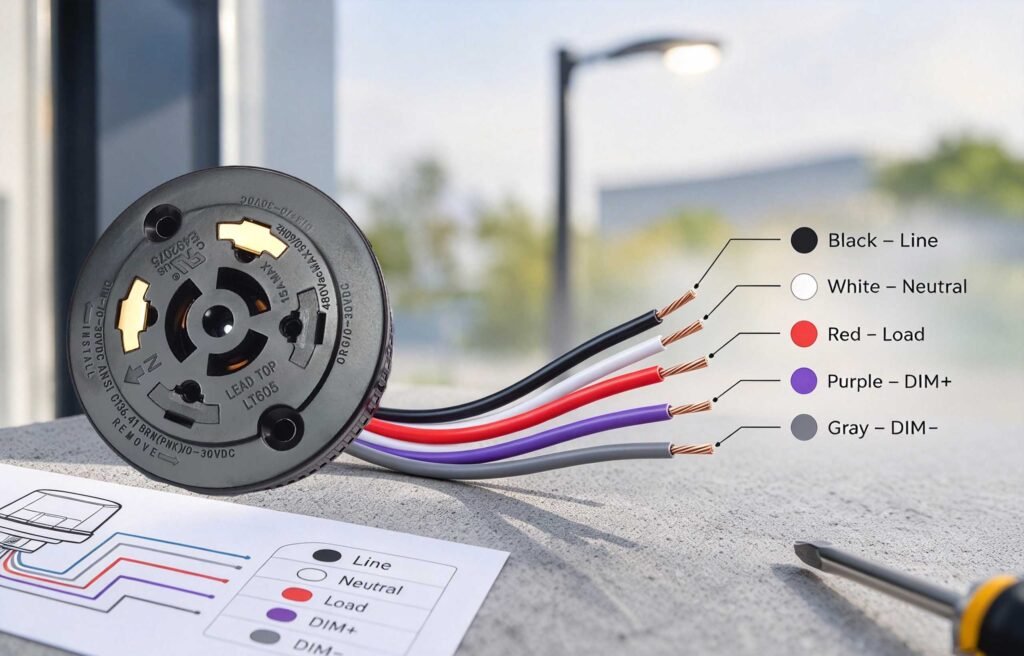
Comece por identificar o tipo de controlador de fotocélula necessário. As configurações comuns incluem:
- fotocélulas de 3 pinos – geralmente usado para iluminação doméstica simples ou de pequena escala
- fotocélulas de 5 pinos – funcionalidade aprimorada para aplicações comerciais
- Fotocélulas de 7 pinos – Pode ser utilizado em sistemas de iluminação inteligentes com funções de comunicação.
Também é necessário determinar as especificações elétricas, como faixa de tensão, frequência e capacidade de carga. Esses fatores devem ser compatíveis com a infraestrutura elétrica local.
Outro fator importante a considerar é a aceitação da certificação. Dependendo do seu mercado-alvo, você pode precisar de:
- Acreditação UL (para os Estados Unidos)
- Certificação CE (para a Europa)
- Aquiescência às normas ANSI (para sistemas de iluminação pública na América do Norte)
A personalização é igualmente importante. Muitos compradores precisam de marcas OEM, materiais especiais para a carcaça ou configurações de luminosidade específicas. Descrever abertamente esses requisitos desde o início garante uma comunicação mais tranquila com os instaladores.
Por fim, é preciso decidir o tamanho do pedido. Comprar em grandes quantidades certamente ajuda a diminuir o custo por unidade, mas comprar com o objetivo de fazer pedidos menores para teste também é uma ótima opção para quem está importando pela primeira vez e testando novos fornecedores.
Como escolher o fabricante certo de fotocélulas na China?
Escolher o produtor certo é uma das etapas mais importantes no processo de importação. A China tem milhares de fornecedores, mas nem todos seguem os padrões globais de qualidade e conformidade.
Um produtor confiável deve ter:
- Conhecimento comprovado na fabricação de controladores de fotocélulas.
- Histórico de exportação reconhecido para o seu mercado-alvo
- Capacidade de fornecer produtos licenciados
- Forte capacidade de produção para atender a pedidos em grande escala.
Você deve verificar permanentemente as credenciais do contratado. Solicite perfis da empresa, certificações e catálogos de produtos. Analisar projetos anteriores e o feedback dos clientes pode fornecer informações sobre a confiabilidade da empresa.
A comunicação é outro fator importante. Um fornecedor especializado responderá com clareza, disponibilizará a documentação técnica e compreenderá as suas necessidades sem mal-entendidos. A comunicação deficiente leva, muitas vezes, a falhas de produção e atrasos.
Fábricas como a Lead Top são reconhecidas por atender tanto pedidos pequenos quanto grandes, oferecendo rastreabilidade para empresas em diferentes estágios de desenvolvimento. Escolher um parceiro assim garante confiabilidade, garantia de qualidade e uma colaboração duradoura.

Por que é importante solicitar amostras e orçamentos antes de fazer pedidos em grande quantidade?
Antes de encomendar um grande volume, é importante avaliar a qualidade do produto através de amostras. Esta etapa permite confirmar se a fotocélula atende às suas expectativas de desempenho e se é compatível com as suas luminárias LED.
Ao testar amostras, preste atenção a:
- Precisão de comutação (reação do anoitecer ao amanhecer)
- Qualidade de construção e durabilidade dos materiais
- Compatibilidade com drivers de LED
- capacidade de defesa contra surtos
Além das amostras, solicite um orçamento completo. Um orçamento adequado deve conter:
- Quantidade mínima
- Preços unitários para diferentes volumes de pedidos
- Detalhes da acreditação
- Prazo de entrega da produção
- Especificações de embalagem
Essa transparência permite que você relacione os fornecedores de forma eficiente e calcule as despesas totais de importação, incluindo transporte e impostos.
Ignorar essa etapa pode resultar em produtos de qualidade inferior ou em despesas inesperadas.
Como fazer pedidos e organizar o envio de forma eficiente?
Assim que você tiver indicado um fornecedor e aprovado as amostras, o próximo passo é fazer o pedido e organizar o transporte.
Comece verificando:
- Condições de pagamento
- Cronograma de produção
- Processo de avaliação da qualidade
A escolha do método de envio é importante:
- O transporte marítimo é economicamente vantajoso para grandes encomendas, mas demora mais tempo (20 a 40 dias).
- O transporte aéreo é mais rápido (5 a 10 dias), mas mais caro.
Para atender aos procedimentos alfandegários, a embalagem e a etiquetagem adequadas são essenciais para garantir a integridade dos produtos durante o transporte. É importante que as caixas estejam claramente identificadas com os detalhes do produto, a quantidade e as informações de destino.
Você também pode considerar a possibilidade de contratar um agente de carga que possa auxiliar no desembaraço aduaneiro, na documentação e na logística de transporte. Isso agilizará o processo, principalmente para quem importa pela primeira vez.
Quais são as principais especificações a serem comparadas ao importar fotocélulas?
Para tomar decisões bem fundamentadas, é essencial comparar as especificações técnicas de diferentes fornecedores.
Tabela 1: Tipos e aplicações de fotocélulas
| Tipo de fotocélula | Alfinetes | Área de aplicação | Características |
| 3 pinos | 3 | Iluminação residencial | Controle básico liga/desliga |
| 5 pinos | 5 | Iluminação comercial | Maior confiabilidade na comutação |
| 7 pinos | 7 | Postes de iluminação inteligentes | Suporte para controle de intensidade e comunicação |
Compreender o custo total é importante para a viabilidade do negócio. Além do preço unitário, diversos outros fatores influenciam o custo final.
Tabela 2: Detalhamento dos custos de importação
| Componente de custo | Descrição |
| Preço unitário | Custo por fotocélula do fabricante |
| Custo de envio | Custos de frete aéreo ou marítimo |
| Impostos de importação | Impostos baseados nas regulamentações de cada país. |
| Custo da Certificação | Taxas de conformidade e testes |
| Embalagem e manuseio | Custos de proteção e rotulagem |
Quais dicas garantem uma importação bem-sucedida de fotocélulas da China?
Importar pode ser muito vantajoso se feito corretamente. Aqui estão algumas diretrizes importantes para garantir o sucesso:
- Comunique-se de forma clara com os contratados sobre as especificações técnicas e as expectativas.
- Validar as acreditações em cada etapa para garantir o cumprimento dos critérios regulamentares locais.
- Planeje seu prazo com cuidado para evitar adiamentos do projeto.
- Comece com pequenos pedidos de teste antes de aumentar a escala.
- Trabalhe com produtores confiáveis como a Lead Top para garantir qualidade constante.
Perguntas frequentes (FAQ)
É possível importar fotocélulas em pequenas quantidades?
Sim, diversos produtores — incluindo a Lead Top — aceitam tanto encomendas pequenas quanto em grande quantidade, facilitando o início para novos compradores com investimento limitado.
Como você pode verificar a qualidade do produto?
Você pode validar a qualidade solicitando amostras licenciadas e verificando a conformidade com as certificações UL, CE ou outras. ANSI critérios. Testar o produto em circunstâncias reais também é altamente recomendável.
É possível personalizar as fotocélulas para fabricantes de equipamentos originais (OEM)?
Sim, a maioria dos fabricantes especializados oferece serviços de OEM, permitindo que você personalize a marca, as especificações e a embalagem de acordo com as necessidades do seu negócio.
Conclusão: Por que uma abordagem estratégica é importante para a importação de fotocélulas?
Importar controladores de fotocélulas da China é uma jogada inteligente para os negócios quando feita estrategicamente. Com um bom planejamento, certificação do fornecedor e testes de qualidade, você pode ter acesso a produtos de alta qualidade a preços econômicos, atendendo simultaneamente às exigências regulatórias do seu mercado.
Fornecedores confiáveis como a Lead Top podem agilizar ainda mais o processo, oferecendo produtos licenciados, quantidades de pedidos flexíveis e opções de personalização.
Em conclusão, o sucesso na importação é alcançável com conhecimento, preparação e parcerias sólidas. Com esses elementos em vigor, é possível construir uma cadeia de suprimentos lucrativa e viável para o seu negócio de iluminação.
Chamada para ação (CTA)
- Obtenha uma amostra grátis – Teste a qualidade do produto antes de fazer pedidos em grande quantidade.
- Contate o responsável pela entrega – Discuta suas especificações e opções de envio.
- Solicite a lista de preços – Confira preços competitivos para compras em grande quantidade ou no varejo.


 English
 Portuguese (Brazil)
 Spanish
 Russian
 Dutch
Dutch Japanese
 Portuguese (Portugal)