Introdução
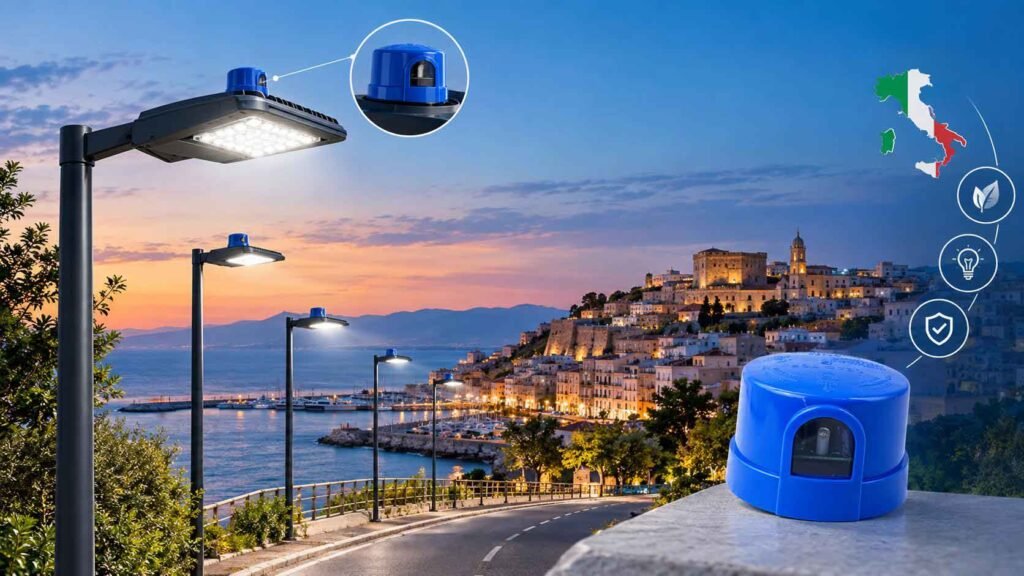
Os postes inteligentes tornaram-se um dos símbolos mais familiares do desenvolvimento metropolitano contemporâneo. Para melhorar os serviços públicos, a eficiência energética e a gestão urbana na Europa, América do Norte, Oriente Médio e América Latina, as cidades estão investindo fortemente em infraestrutura conectada.

Quando as pessoas pensam em postes inteligentes, geralmente imaginam tecnologias avançadas como:
- Câmeras de vigilância de alta definição
- Sensores de monitoramento ecológico
- Público Redes Wi-Fi
- Equipamentos de comunicação de células pequenas 5G
- estações de carregamento para veículos elétricos
- Sistemas de comunicação de emergência
Por trás de cada posicionamento bem-sucedido, existe uma rede de componentes inteligentes para postes, interfaces de iluminação, receptáculos, controladores e conexões de comunicação que dão suporte a todo o sistema.
Sem esses elementos fundamentais, mesmo as tecnologias de postes inteligentes mais avançadas teriam dificuldades para operar com eficiência, manter-se viáveis ou suportar avanços futuros.
O que há dentro de um poste inteligente moderno?
Um poste inteligente moderno é muito mais do que um simples poste de iluminação pública.
Ela funciona como uma plataforma de infraestrutura multifuncional, capaz de suportar diversas tecnologias instantaneamente.
Subsistemas típicos de postes inteligentes
| Componente de poste inteligente | Função principal |
| Iluminação pública em LED | Iluminação de vias e economia de energia |
| Sistemas de monitoramento de tráfego | Análise de veículos e pedestres |
| Sensores ambientais | Monitoramento da qualidade do ar e das condições meteorológicas |
| Equipamento de Wi-Fi público | Conectividade com a Internet |
| Células pequenas 5G | Suporte para comunicação sem fio |
| Estações de carregamento para veículos elétricos | Carregamento de veículos elétricos |
| Sistemas de comunicação de emergência | assistência em segurança pública |
| Controladores inteligentes | Gestão e automação de sistemas |
Esses sistemas geralmente compartilham fontes de alimentação, caminhos de comunicação, estruturas de montagem e plataformas de gerenciamento central.
Embora câmeras e sensores chamem a atenção, a capacidade de conectar, gerenciar, manter e atualizar esses sistemas depende fortemente de uma infraestrutura de conectividade confiável.
É aqui que as tecnologias inovadoras de controle inteligente de iluminação em postes se tornam importantes.
Por que a conectividade é mais importante do que o próprio poste?
Inicialmente, muitos municípios focam nos aspectos visíveis dos projetos de postes inteligentes.
As perguntas geralmente giram em torno de:
- Aparência no poste
- Especificações da câmera
- Capacidades do sensor
- Tecnologias de comunicação
Embora esses elementos sejam essenciais, o sucesso duradouro de um projeto depende de algo menos visível: conectividade e compatibilidade.
Uma prefeitura pode instalar milhares de postes inteligentes que funcionam de forma eficiente hoje. No entanto, a tecnologia evolui rapidamente.
Dentro de cinco a dez anos, as cidades poderão querer adicionar:
- Novos sensores
- Tecnologias sem fio modernizadas
- Módulos de comunicação adicionais
- sistemas de monitoramento habilitados por IA
- Controles de iluminação inovadores
Se a infraestrutura original não for flexível, as obras de elevação tornam-se dispendiosas e complexas.
É por isso que muitos planejadores metropolitanos classificam progressivamente:
- Interfaces padronizadas
- Arquitetura modular
- Componentes substituíveis
- Compatibilidade futura
A camada de interface geralmente determina se a infraestrutura continuará sendo benéfica por 15 a 20 anos.
Por que o controle de iluminação é a base da infraestrutura de postes inteligentes?
Independentemente da quantidade de sensores ou dispositivos de comunicação instalados, o sistema de iluminação continua sendo a função operacional central.
Isso faz com que os sistemas inteligentes de controle de iluminação sejam uma das características mais cruciais do design de postes inteligentes.
Suportes para controle de iluminação:
- Operação automática
- Gestão de energia
- Comutação programada
- Iluminação adaptativa
- Controle de intensidade luminosa
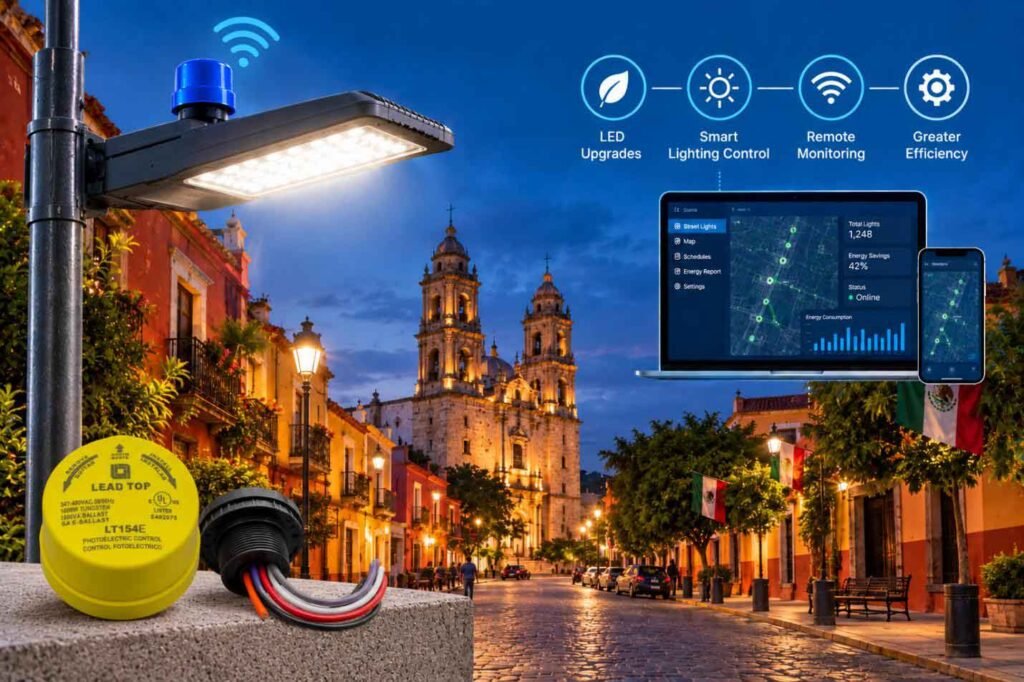
- Monitoramento remoto
As municipalidades modernas procuram cada vez mais sistemas de iluminação que possam responder de forma inteligente às mudanças de circunstâncias.
Exemplos incluem:
- Níveis de iluminação reduzidos durante horários de pouco tráfego.
- Iluminação reforçada durante emergências
- Ajuste dinâmico do brilho com base no clima.
- Operação noturna com economia de energia
Um fotocontrolador confiável para iluminação pública inteligente garante que essas funções operem constantemente, minimizando as necessidades de manutenção.
Sem um controle de iluminação confiável, os postes inteligentes não conseguem proporcionar a economia de energia e a eficiência operacional esperadas de uma infraestrutura moderna.
Como as tomadas ANSI C136.41 possibilitam futuras atualizações?
Um dos desenvolvimentos mais significativos na infraestrutura de iluminação inteligente é a aceitação de interfaces padronizadas.
Dentre esses padrões, o receptáculo ANSI C136.41 tornou-se uma solução amplamente reconhecida para sistemas de iluminação pública inteligentes.
O padrão suporta:
- Nós inteligentes
- Módulos de comunicação sem fio
- Sistemas de dimerização
- Dispositivos de monitoramento remoto
- Integração de sensores
Em vez de redesenhar luminárias inteiras sempre que uma nova tecnologia se torna disponível, as cidades podem instalar tomadas inteligentes desde o início.
Essa abordagem oferece diversas vantagens:
Benefícios de ANSI C136.41 Interfaces
| Recurso | Beneficiar |
| Conectividade padronizada | Suporta vários fabricantes |
| Compatibilidade com nós inteligentes | Implantação mais fácil de sistemas conectados |
| Expansibilidade futura | Apoia tecnologias futuras |
| Manutenção simplificada | Substituição de componentes mais rápida |
| Redução dos custos de atualização | Protege os investimentos em infraestrutura |
Atualmente, muitas cidades exigem interfaces preparadas para tecnologias inteligentes, mesmo quando os controles avançados não são implementados instantaneamente.
Essa estratégia progressiva ajuda a diminuir os custos de atualização futuros, ao mesmo tempo que melhora a flexibilidade da infraestrutura.
Por que os componentes substituíveis são importantes em projetos municipais?
Espera-se que a infraestrutura municipal funcione por muitos anos.
Diferentemente dos eletrônicos de consumo, os sistemas de iluminação urbana precisam se manter confiáveis mesmo em condições externas adversas.
Os compradores municipais costumam avaliar os produtos com base em:
- Custo ao longo da vida
- Frequência de manutenção
- Simplicidade de substituição
- Compatibilidade de longa duração
Os sistemas de iluminação integrados do modelo antigo podem causar problemas, pois uma única falha pode exigir a substituição de toda a luminária.
Os sistemas modulares modernos oferecem uma abordagem diferente.
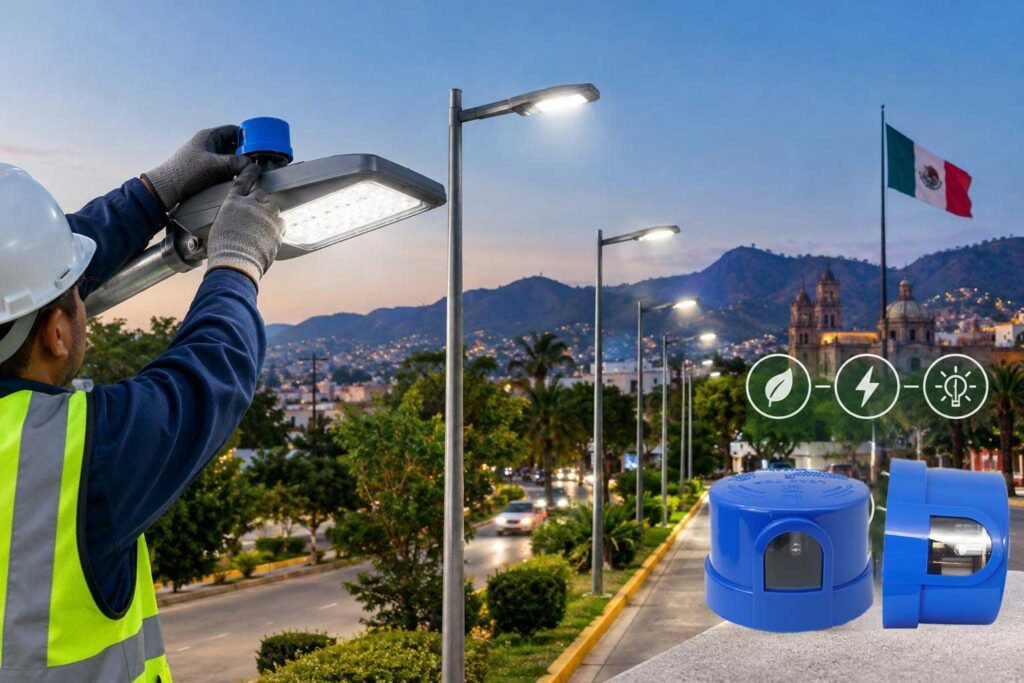
Em vez de substituir unidades inteiras, os especialistas podem substituir componentes individuais de controle de iluminação de forma rápida e eficiente.
Os benefícios incluem:
- Despesas de manutenção reduzidas
- Reparos mais rápidos
- Requisitos de estoque menores
- Melhor tempo de atividade do sistema
- Escalabilidade aprimorada
Essa é uma das razões pelas quais a arquitetura modular de iluminação inteligente continua ganhando aceitação em projetos de cidades inteligentes em todo o mundo.
Qual configuração de iluminação inteligente é recomendada para projetos municipais?
Combinação recomendada
Fotocontrolador LT134 de longa duração com trava giratória + Soquete para lâmpada fotocontrolada LT655

Melhores Aplicações
- Iluminação pública municipal
- Iluminação pública preparada para dispositivos inteligentes
- Iluminação do estacionamento
- Projetos de modernização de infraestrutura
Essa combinação é compatível tanto com projetos de iluminação convencionais quanto com os futuros avanços em infraestrutura inteligente.
Por que essa combinação funciona?
Longa vida útil
O LT134 foi projetado para um desempenho operacional prolongado, ajudando a diminuir a frequência de manutenção e as despesas operacionais.
Substituição fácil em campo
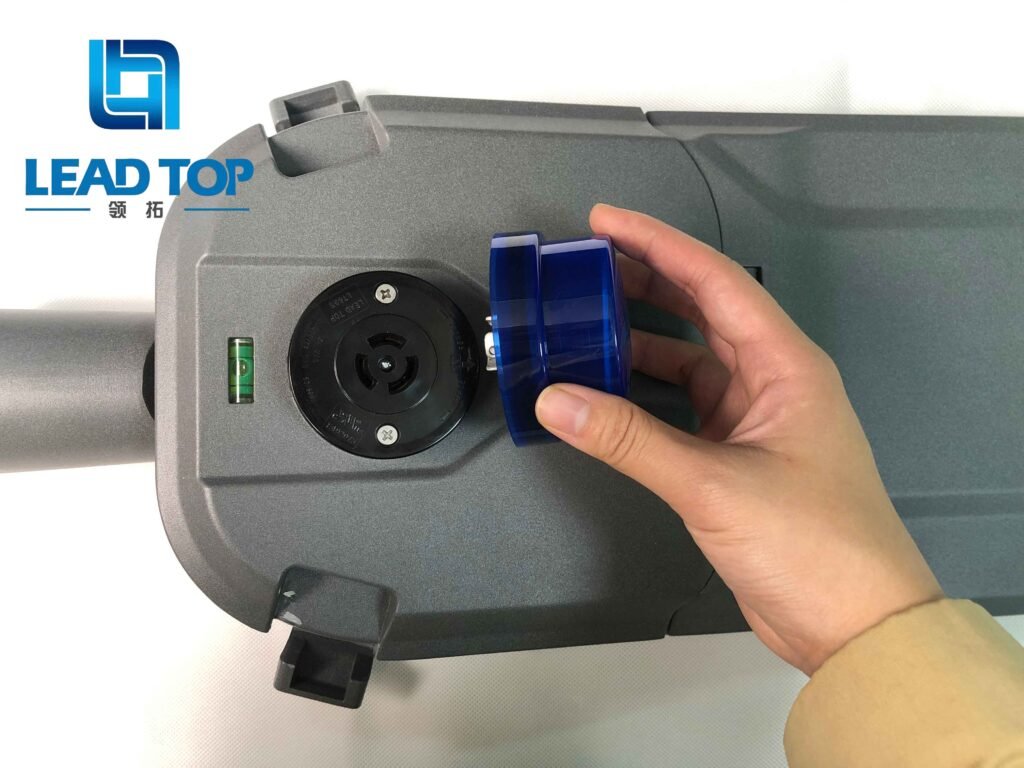
O sistema de encaixe por torção permite uma substituição rápida sem a necessidade de desmontar toda a luminária.
Compatibilidade com ANSI C136.10
O sistema está em conformidade com os padrões de iluminação municipal amplamente aceitos.
Alta resistência a surtos
Ambientes externos frequentemente sofrem com turbulências elétricas. Uma alta proteção contra surtos melhora a confiabilidade e protege os equipamentos conectados.
Potencial de atualização futura
O sistema oferece um caminho prático para sistemas de controle de iluminação pública inteligentes mais avançados, à medida que as necessidades municipais evoluem.
O que as cidades devem levar em consideração ao selecionar componentes para postes inteligentes?
A escolha dos componentes adequados para postes inteligentes exige uma avaliação cuidadosa.
Os seguintes critérios são cada vez mais importantes.
Compatibilidade
A infraestrutura inteligente deve suportar padrões amplamente aceitos, tais como:
- ANSI C136.10
- ANSI C136.41
- Zhaga Livro 18
Confiabilidade
A infraestrutura externa deve ser duradoura:
- Chuva
- Queda de neve
- Sujeira
- exposição aos raios UV
- temperaturas extremas
Capacidade de atualização
Os municípios devem priorizar sistemas capazes de suportar tecnologias futuras sem a necessidade de substituição completa.
Simplicidade de manutenção
A infraestrutura deve permitir que especialistas realizem reparos de forma rápida e eficiente.
Escalabilidade
Os componentes devem suportar a implantação em centenas ou milhares de pontos de iluminação, mantendo um desempenho constante.
Esses fatores são importantes na avaliação de receptáculos ANSI para aplicações de iluminação inteligente e outras soluções de conectividade.
Conclusão: O que realmente torna os postes inteligentes bem-sucedidos?
Os postes inteligentes podem ser um dos símbolos mais visíveis das cidades inteligentes, mas seu sucesso depende de muito mais do que câmeras, Wi-Fi ou sensores.
A infraestrutura oculta nos bastidores desempenha um papel importante para viabilizar uma operação confiável, uma manutenção eficiente e o crescimento futuro.
Componentes confiáveis para postes inteligentes, sistemas inovadores de controle de iluminação inteligente, interfaces padronizadas e soluções de conectividade duradouras garantem que os postes inteligentes permaneçam ativos valiosos por décadas.
À medida que os projetos de cidades inteligentes continuam a se expandir globalmente, o futuro pertencerá não apenas aos postes inteligentes, mas também aos componentes de infraestrutura inteligente que os tornam adaptáveis, escaláveis e preparados para o futuro.
Chumbo-Top Especializada em fotocontroladores ANSI, tomadas inteligentes e soluções de conectividade para iluminação, projetadas para iluminação pública municipal, infraestrutura de postes inteligentes e projetos de iluminação externa.
Referências:
- https://en.wikipedia.org/wiki/Wi-Fi
- https://blog.ansi.org/ansi/ansi-c136-roadway-lighting-standards/
- https://leaditop.com/product/outdoor-automatic-daylight-sensor-switch-for-led-light/
- https://leaditop.com/product/outdoor-twilight-switch-photocell-sensor-switch-photocell-daylight-sensor-switch-dusk-to-dawn-sensor-switch/
- https://leaditop.com/product-2/

 Portuguese (Brazil)
  English
  Spanish
  Russian
  Dutch
Dutch  Japanese
  Portuguese (Portugal)