Introdução: Por que os compradores enfrentam problemas ao adquirir fotocélulas?
Obtenção fotocélulas Pode parecer simples, mas, na realidade, inúmeros produtores, fornecedores e distribuidores de iluminação enfrentam riscos invisíveis — principalmente ao trabalhar com fornecedores desconhecidos. O mercado internacional está repleto de opções, desde produtores licenciados de alta qualidade até comerciantes que oferecem produtos baratos e pouco confiáveis.
Esses riscos frequentemente levam a problemas graves com as fotocélulas, incluindo falhas catastróficas no sistema, adiamentos de projetos e reclamações de clientes. Em projetos de iluminação pública de grande escala, mesmo pequenos problemas podem resultar em perdas financeiras substanciais e danos à reputação.
Portanto, escolher o fornecedor certo de fotocélulas não se resume apenas ao preço — trata-se também de confiabilidade, certificações e desempenho a longo prazo.
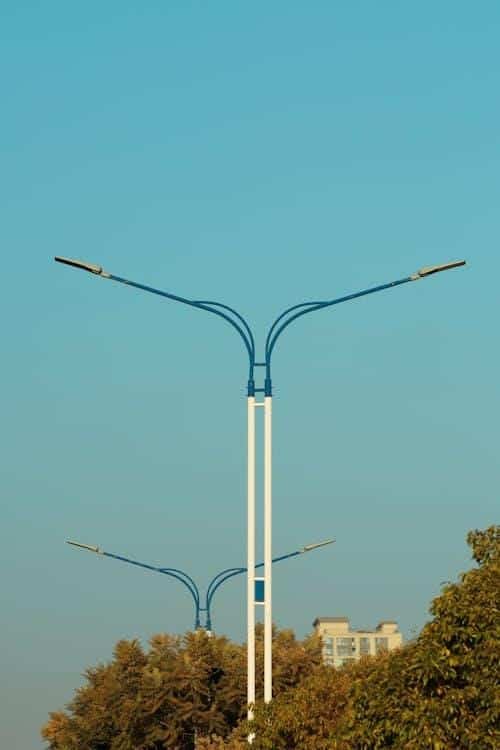
Problema 1: O que está causando o problema e por que ele é tão comum?
Um dos problemas mais recorrentes em fotocélulas de iluminação pública é o acionamento falso. Isso ocorre quando a fotocélula liga ou desliga as luzes incorretamente devido à intrusão de luz externa.
O que causa disparos falsos?
- faróis de automóvel
- Relâmpagos ou clarões repentinos
- Calibração inadequada do sensor
- Componentes baratos
Quais são as consequências?
- Luzes piscando
- Consumo de energia amplificado
- Insatisfação do cliente
Disparos falsos são um sinal claro de controle de qualidade deficiente das fotocélulas. Um fabricante confiável de fotocélulas projeta produtos com funções de retardo adequadas (geralmente de 3 a 10 segundos) para evitar esses problemas.
Problema 2: Como a incompatibilidade de voltagem causa falhas?
A incongruência de voltagem é mais uma das principais causas de problemas em fotocélulas, especialmente em projetos globais.
Qual é o problema?
Utilizar uma fotocélula de 110V em um sistema de 220V pode levar a:
- Falha instantânea do produto
- Vida abreviada
- Riscos à segurança
Esse problema é particularmente crítico em áreas como a América Latina, onde podem coexistir ambos os padrões de voltagem.
Como você pode evitar isso?
- Sempre verifique os requisitos de voltagem locais.
- Escolha produtos com as especificações de voltagem exatas (por exemplo, 120V, 220V, 277V).
- Selecione modelos de ampla faixa de tensão para redes elétricas irregulares.
Um fornecedor especializado em fotocélulas sempre oferecerá especificações técnicas claras para evitar tais erros.
Problema 3: Por que a falta de certificação representa um risco sério?

A certificação não é apenas uma formalidade — é um requisito crucial para a segurança e a concordância.
O que acontece sem certificação?
- Os produtos podem falhar nos testes de segurança.
- Os projetos podem ser adiados ou excluídos.
- Os riscos legais e de responsabilidade aumentam.
Por exemplo:
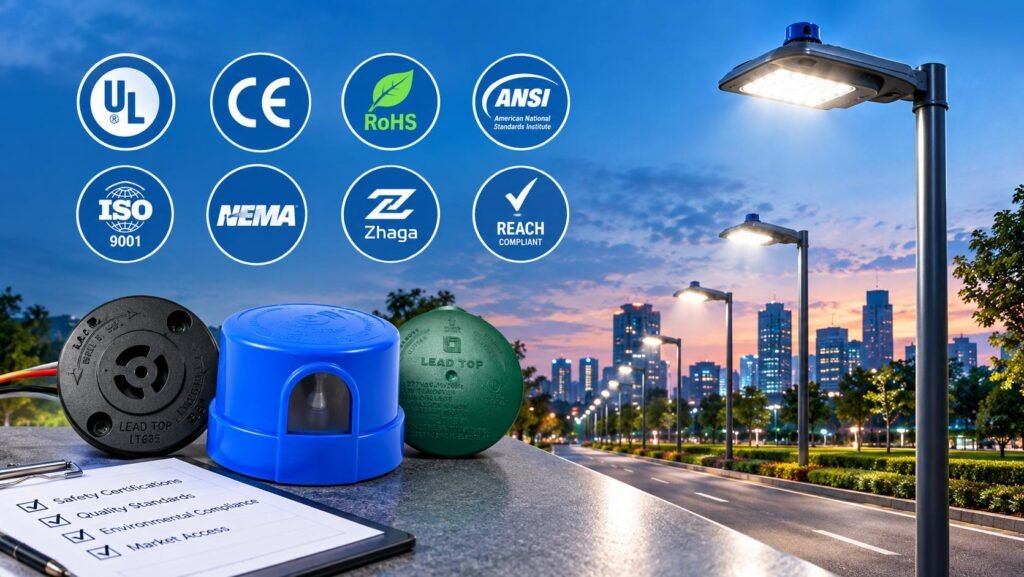
- UL O credenciamento é obrigatório na América do Norte.
- A certificação CE é obrigatória na Europa.
Sem esses elementos, mesmo produtos de alto desempenho podem não ser aceitos no mercado.
Tabela 1: Requisitos comuns de certificação
| Certificação | Região | Importância |
| UL | América do Norte | Aquiescência obrigatória para fins de segurança |
| CE | Europa | Requisito para entrada no mercado |
| ANSI | EUA | Padrão de desempenho |
A escolha de um fabricante de fotocélulas confiável garante que todas as certificações obrigatórias sejam devidamente documentadas e verificadas.
Problema 4: Como os fabricantes de produtos falsificados podem enganar os compradores?
Lidar com fabricantes falsos é sempre um dos maiores riscos ao comprar de fornecedores internacionais. Inúmeras empresas comerciais se apresentam como unidades industriais, mas não possuem capacidade de produção real.
Quais são os sinais de alerta?
- Sem auditoria ou certificação de fábrica
- Conhecimento técnico limitado
- Comunicação não confiável
- Não existe um processo claro de controle de qualidade das fotocélulas.
Quais são os riscos?
- Qualidade instável do produto
- Entrega atrasada
- Sem suporte pós-venda
Trabalhar com um fornecedor de fotocélulas certificado ajuda a evitar esses riscos e garante o desempenho constante do produto.
Problema 5: Por que ocorre inconsistência na qualidade entre lotes?
Outro problema comum é a irregularidade entre as amostras e os pedidos em grande quantidade.
O que acontece neste cenário?
- As amostras iniciais apresentam bom desempenho.
- A produção em massa apresenta falhas.
- Taxas de falha amplificadas em aplicações reais
Este é um dos problemas mais irritantes que os compradores enfrentam com as fotocélulas de iluminação pública.
O que causa isso?
- Mecanismo de produção deficiente
- Materiais baratos
- Falta de processos homogêneos
Um fabricante confiável de fotocélulas mantém um rigoroso controle de qualidade para garantir a consistência em todos os lotes.
Como evitar esses problemas comuns nas fotocélulas?
Para evitar esses problemas, é necessário adotar uma abordagem sistemática na seleção de fornecedores e na autenticação de produtos.
Principais medidas para reduzir o risco:
- Verificar certificações
Certifique-se de que o produto atenda aos padrões necessários, como UL ou CE. - Solicitar amostras
Teste o desempenho, a compatibilidade e a resiliência antes de fazer pedidos em grande quantidade. - Verifique a fábrica
Confirme se o contratante é um produtor genuíno ou apenas uma empresa comercial. - Teste de consistência do lote
Para garantir a constância, realize verificações de qualidade em pedidos em grande quantidade.
O que você deve procurar em um fornecedor confiável de fotocélulas?
Para evitar problemas de fornecimento, a seleção do fornecedor correto de fotocélulas é o passo mais importante.
As principais qualidades incluem:
- sistema de controle de qualidade de fotocélulas sólidas
- Conhecimento comprovado em exportação
- Produtos licenciados
- Capacidade de produção constante
Tabela 2: Bom Fornecedor vs. Mau Fornecedor
| Fator | Fornecedor confiável | Fornecedor ruim |
| Certificação | Verificado | Ausente ou falso |
| Controle de qualidade | Estrito | Inconsistente |
| Entrega | Pontual | Atrasado |
| Suporte técnico | Disponível | Limitado |
Por que o Lead-Top é uma opção mais segura?
Produtores qualificados compreendem as complexidades dos mercados internacionais e podem oferecer soluções personalizadas para diferentes regiões.
Por exemplo, empresas como topo de chumbo controle com ênfase em:
- Processos de produção estáveis
- Produtos licenciados
- Sólida experiência global
Isso as torna uma opção mais segura para compradores que desejam evitar problemas com fotocélulas.
Como esses problemas afetam os projetos de iluminação pública?
Em projetos de grande porte, problemas com as fotocélulas de iluminação pública podem ter consequências graves.
Os possíveis impactos incluem:
- Custos de manutenção amplificados
- Adiamentos de projetos
- Riscos de segurança devido a falha na iluminação
Para um sucesso duradouro, é importante selecionar um fabricante de fotocélulas confiável.
Perguntas frequentes (FAQ)
Qual é o problema mais comum em fotocélulas?
Ativação incorreta e qualidade irregular estão entre os problemas mais comuns.
Como posso verificar a confiabilidade de um fornecedor de fotocélulas?
Verifique as certificações, solicite amostras e confirme as credenciais da fábrica.
A certificação é realmente necessária?
Sim, isso confirma segurança, aquiescência e aprovação do mercado.
Conclusão: Como evitar erros dispendiosos na aquisição de fotocélulas?
Comprar fotocélulas envolve mais do que comparar preços — requer uma avaliação cuidadosa da qualidade do produto, da certificação e da confiabilidade do fornecedor. Portanto, adquirir fotocélulas é mais do que apenas comparar preços. .
Ao compreender os problemas comuns das fotocélulas e trabalhar com um fornecedor confiável, os compradores podem evitar erros dispendiosos e garantir o sucesso duradouro do projeto.
Selecionar um fabricante de fotocélulas confiável, com sistemas robustos de controle de qualidade, ajuda a garantir desempenho constante, custos de manutenção reduzidos e melhorar a confiabilidade geral do sistema.
Chamada à ação:
Se você deseja evitar esses riscos e garantir produtos de alta qualidade, considere trabalhar com empreiteiros qualificados como a Lead-Top Control. Entre em contato hoje mesmo para obter soluções de fotocélulas verificadas, licenciadas e confiáveis para o seu próximo projeto.



 English
 Portuguese (Brazil)
 Spanish
 Russian
 Dutch
Dutch Japanese
 Portuguese (Portugal)