Por que Norfolk interrompeu a modernização da iluminação pública para LED?
Em todo o mundo, cidades estão investindo fortemente em projetos de modernização da iluminação pública com LED para diminuir o consumo de energia, reduzir os custos de manutenção e melhorar a segurança pública. No entanto, a decisão atual de Norfolk de pausar e reavaliar partes de sua rede de iluminação pública foi questionada. LIDERADO O programa de transformação demonstra que projetos de iluminação bem-sucedidos envolvem mais do que simplesmente substituir luminárias antigas por LEDs.
Com quase 9.000 postes de iluminação já modernizados, Norfolk planejava modernizar mais de 30.000. Algumas pessoas expressaram preocupações em relação aos níveis de iluminação, ofuscamento e conforto visual geral, embora o projeto tenha proporcionado benefícios em termos de eficiência energética.
A reação do público destaca uma preocupação crescente no planejamento metropolitano contemporâneo: os moradores não estão preocupados apenas com a economia de energia, mas também com a forma como a iluminação afeta seu cotidiano, saúde, segurança e a aparência do entorno.
A experiência de Norfolk oferece lições valiosas sobre como equilibrar a competência com as expectativas da comunidade, à medida que os municípios continuam investindo em tecnologias de fotocélulas inteligentes e sistemas avançados de iluminação externa.

Por que a temperatura de cor está se tornando um tópico importante na iluminação pública?
Um dos temas mais importantes em discussão no contexto da iluminação pública atual é a temperatura de cor.
A temperatura de cor é medida em Kelvin (K) e influencia a forma como a luz é percebida pelo olho humano.
| Temperatura de cor | Aparência | Aplicações comuns |
| 2200K–2700K | âmbar-branco quente | Parques, ruas residenciais |
| 3000 mil | Branco quente | vias urbanas |
| 4000K | Branco neutro | distritos comerciais |
| 5000K–6500K | Branco frio | Rodovias de alta visibilidade |
Tradicionalmente, muitas metrópoles optavam por LEDs brancos frios, pois oferecem forte visibilidade e alto fluxo luminoso.
No entanto, estudos recentes e a opinião pública têm incentivado os municípios a reavaliar se mais brilhante significa sempre melhor.
Esse debate levou a um crescente interesse em luminárias de rua LED de luz quente como uma solução mais equilibrada.
Qual a diferença entre iluminação pública LED de luz quente e iluminação pública LED de luz branca fria?
A discussão entre iluminação pública com LEDs de luz quente e iluminação pública com LEDs de luz branca fria gira em torno de visibilidade, conforto, impacto ambiental e aprovação pública.
Luzes de rua LED quentes
Os LEDs de luz quente geralmente funcionam entre 2200K e 3000K e produzem uma aparência branco-âmbar mais suave.
Os benefícios incluem:
- Brilho abreviado
- Melhor conforto visual
- Emissões de luz azul mais baixas
- Recepção residencial aprimorada
- Brilho do céu reduzido
Iluminação pública LED branca fria
LEDs frios geralmente operam entre 4000K e 6500K.
Os benefícios incluem:
- Maior ofuscamento percebido
- Excelente visibilidade na rodovia
- Melhor reconhecimento de objetos
- Iluminação eficaz de áreas de grande circulação
Os desafios podem incluir:
- Aumento do brilho
- Mais poluição luminosa
- Possível interrupção dos ritmos circadianos
- Mais objeções públicas em áreas domésticas
Como a temperatura da cor afeta a saúde e o bem-estar humano?
Devido à crescente popularidade dos princípios da Iluminação Centrada no Ser Humano, os municípios são agora obrigados a reconsiderar suas estratégias de iluminação.
A iluminação centrada no ser humano concentra-se na concepção de sistemas de iluminação que promovam o bem-estar humano e os ritmos biológicos naturais.
Estudos recentes sugerem que a exposição excessiva à iluminação rica em azul durante a noite pode influenciar:
- Qualidade do sono
- Ritmo circadiano regulamento
- conforto visual
- Bem-estar percebido
Embora a visibilidade nas estradas continue sendo primordial, as cidades buscam progressivamente soluções que equilibrem o cuidado com as considerações de saúde humana.
Essa mudança explica por que muitos municípios agora exigem temperaturas de cor mais quentes para ruas residenciais, enquanto reservam temperaturas mais frias para rodovias principais e áreas comerciais.
O caso de Norfolk demonstra como a resposta da comunidade pode influenciar significativamente as decisões municipais sobre iluminação pública.
Por que as preocupações ambientais estão influenciando o design de iluminação externa?
A sustentabilidade ambiental é hoje um fator chave no design de iluminação exterior.
A exposição excessiva à luz artificial pode afetar:
- Aves migratórias
- Insetos e polinizadores
- habitats de vida selvagem
- Visibilidade do céu noturno
Diversas organizações ambientais apoiam iniciativas de "céu escuro" que incentivam práticas de iluminação responsáveis.
As normas contemporâneas de iluminação pública destacam progressivamente:
- Uplight abreviado
- Menos brilho
- Iluminação direcionada
- estratégias de controle adaptativo
- Proficiência energética
Assim, as cidades estão começando a encarar os projetos de iluminação sob perspectivas tanto ambientais quanto de engenharia.
Por que a qualidade da iluminação é mais importante do que a simples economia de energia?
A primeira geração de projetos de LED focou principalmente na economia de energia.
Atualmente, os municípios avaliam o desempenho da iluminação utilizando critérios mais abrangentes.
As avaliações modernas de iluminação consideram:
Conforto visual
As pessoas querem ruas que transmitam segurança, sem serem excessivamente iluminadas.
Satisfação da comunidade
A aceitação da comunidade influencia progressivamente o sucesso do projeto.
Impacto Ambiental
Os municípios devem equilibrar o desempenho da iluminação com as metas de sustentabilidade.
Custos operacionais de longo prazo
Sistemas eficientes reduzem os custos de manutenção e o consumo de energia.
Segurança Pública
As vias devem permanecer adequadamente iluminadas, minimizando o desconforto visual.
Essa estrutura de avaliação mais abrangente explica por que a qualidade da iluminação se tornou tão importante quanto a eficiência energética.
Como os controles de iluminação inteligentes ajudam a equilibrar eficiência e conforto?
Os projetos contemporâneos de modernização da iluminação pública dependem cada vez mais de tecnologias de controle inteligentes.
Em vez de funcionar com brilho máximo durante toda a noite, os sistemas avançados podem ajustar vigorosamente os níveis de iluminação de acordo com as situações reais.
Os benefícios incluem:
- Consumo de energia resumido
- Melhor conforto visual
- Menor poluição luminosa
- Maior flexibilidade operacional
- Gestão de ativos aprimorada
Em vez de funcionarem exclusivamente como simples dispositivos liga/desliga, os fotocontroladores modernos podem suportar estratégias de iluminação adaptativa que estejam alinhadas com os objetivos de sustentabilidade da cidade.
Quais produtos Lead-Top são compatíveis com projetos de iluminação externa de última geração?
Para cidades que buscam tanto eficiência quanto qualidade de iluminação, algumas soluções oferecem suporte ao controle inteligente da iluminação externa.
Componentes de iluminação inteligente recomendados
Fotocontrolador de dimerização LT154 ANSI C136.41
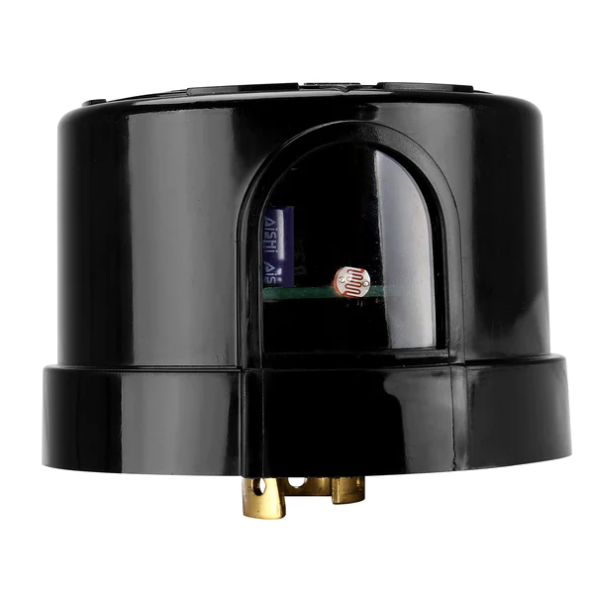
Projetado para sistemas inteligentes de iluminação viária e urbana que necessitam de funcionalidade de dimerização e integração de controle inteligente.
Conector LT605R-7PIN ANSI C136.41

Oferece interfaces padronizadas para nós inteligentes, módulos de comunicação e futuros avanços em iluminação.
Sensor LT6002 Zhaga Book 18
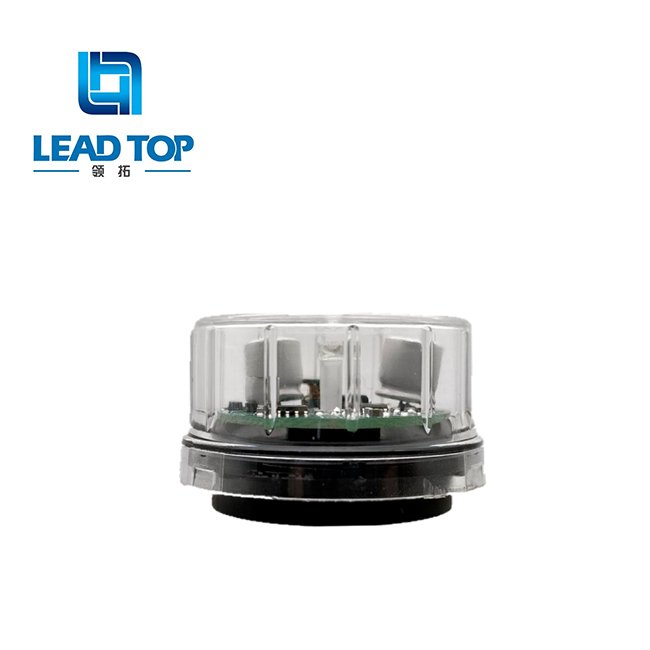
Suporta a incorporação de sensores compactos e aplicações inovadoras de iluminação para cidades inteligentes.
| Produto | Função principal | Melhor aplicativo | Principal vantagem |
| Fotocontrolador LT154 ANSI C136.41 | Controle e dimerização da iluminação | Vias municipais | Operação pronta para dispositivos inteligentes |
| Receptáculo LT605R-7PIN | Conectividade de nós inteligentes | Sistemas de iluminação inteligentes | Interface padronizada |
| Sensor Zhaga LT6002 | Integração de sensores | Projetos de cidades inteligentes | Design modular compacto |
Comparação de estratégias de iluminação
| Iluminação tradicional | Iluminação inteligente |
| Brilho fixo durante toda a noite | Ajuste dinâmico de brilho |
| Maior consumo de energia | Menor consumo de energia |
| Maior poluição luminosa | Brilho do céu reduzido |
| Flexibilidade limitada | Capacidade de controle adaptativo |
| Monitoramento manual | Gestão remota |
Essa progressão apoia tanto os objetivos de sustentabilidade quanto as expectativas da comunidade.
Quais são as tendências futuras em iluminação externa centrada no ser humano?
A perspectiva da Iluminação Centrada no Ser Humano vai muito além da simples temperatura de cor.
As tendências em desenvolvimento incluem:
Escurecimento adaptativo
O brilho se ajusta de acordo com as condições do trânsito e os níveis de atividade.
Iluminação sensível ao tráfego
A iluminação das vias é baseada no movimento real dos veículos.
Design centrado na comunidade
O feedback do público influencia progressivamente as especificações de iluminação.
Integração de Cidades Inteligentes
Os sistemas de iluminação passam a fazer parte de redes mais amplas de infraestrutura urbana.
Otimização Ambiental
As cidades buscam soluções que apoiem iniciativas de preservação do céu noturno e a segurança da biodiversidade.
Esses desenvolvimentos mostram que a iluminação pública está se tornando um componente estratégico do planejamento metropolitano, em vez de um simples serviço público.
Perguntas frequentes
Qual é a melhor temperatura de cor para iluminação pública?
Áreas residenciais geralmente se beneficiam de LEDs com temperatura de cor mais quente (2700K–3000K), enquanto vias principais podem precisar de temperaturas mais frias para melhor visibilidade.
Por que algumas cidades estão optando por LEDs com temperatura de cor mais quente?
LEDs de temperatura de cor mais quente diminuem o brilho, minimizam a emissão de luz azul, apoiam iniciativas de preservação do céu noturno e geralmente são mais bem recebidos pela comunidade.
Será que os sistemas de controle inteligentes podem reduzir a poluição luminosa?
Sim. Os sistemas de iluminação inteligentes podem diminuir a intensidade das luzes durante horários de pouco movimento, reduzir a iluminação desnecessária e melhorar a eficiência da iluminação geral.
CTA:
Sistemas de controle inteligentes tornam-se cada vez mais importantes à medida que os municípios avançam em direção a planos de iluminação mais sustentáveis e centrados no ser humano. Para construir redes de iluminação externa flexíveis, energeticamente eficientes e preparadas para o futuro, que equilibrem segurança, conforto e responsabilidade ecológica, os fotocontroladores inteligentes da Lead-Top, as tomadas ANSI C136.41 e as soluções de sensores compatíveis com Zhaga podem ajudar as cidades a atingir esse objetivo.




 English
 Portuguese (Brazil)
 Spanish
 Russian
 Dutch
Dutch Japanese
 Portuguese (Portugal)