Introdução
Para gerir as infraestruturas públicas de forma mais eficiente, as cidades estão a sofrer uma pressão crescente em toda a Europa, América Latina, Médio Oriente e várias outras regiões. Diversos fatores, como o aumento dos custos da eletricidade, a obsolescência dos equipamentos de iluminação, a redução dos orçamentos de manutenção e as crescentes exigências de sustentabilidade, estão a obrigar as cidades a reavaliar a forma como operam as suas redes de iluminação pública.
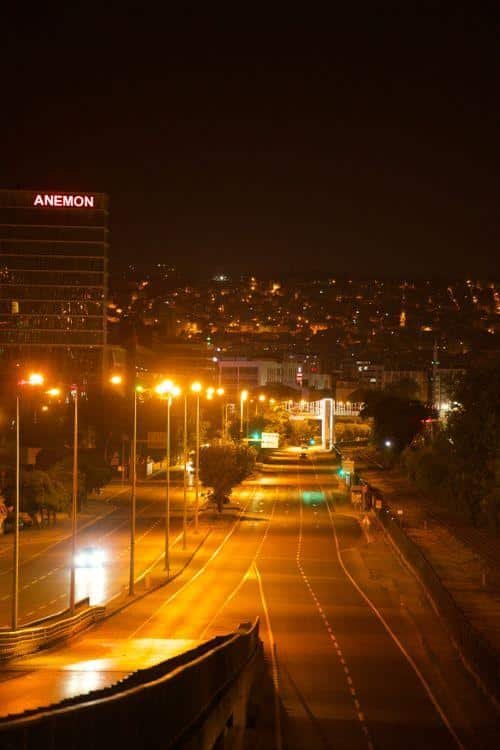
A iluminação pública continua sendo um dos serviços públicos mais importantes. Ela melhora a visibilidade nas vias, aumenta a segurança dos pedestres, reforça a segurança pública e contribui para a atividade econômica após o anoitecer. No entanto, muitos municípios ainda dependem de sistemas de iluminação obsoletos que consomem quantidades excessivas de energia e exigem manutenção dispendiosa.
Embora a infraestrutura de iluminação tradicional possa parecer acessível no momento da compra, a realidade a longo prazo é bem diferente. Quando as cidades consideram o custo total ao longo da vida útil de uma rede de iluminação, o consumo de energia, os custos com mão de obra, as falhas de equipamentos e as necessidades de manutenção geralmente representam o maior ônus financeiro.
É por isso que os custos da iluminação pública, a iluminação pública com eficiência energética, a iluminação pública inteligente e a economia de energia na iluminação externa se tornaram prioridades para os tomadores de decisão urbanos em todo o mundo.
Quais são os custos ocultos da infraestrutura tradicional de iluminação pública?
À primeira vista, a iluminação pública obsoleta parece ser uma solução economicamente viável, pois o investimento inicial é relativamente baixo.
Embora o preço de compra de uma luminária represente apenas uma pequena porcentagem do seu custo total ao longo de um ciclo de vida, ao longo de um período de 10 a 20 anos, os gastos reais geralmente decorrem do consumo de energia, das atividades de manutenção, da substituição de equipamentos e da ineficiência operacional.
Compreender esses custos ocultos é importante ao avaliar soluções de iluminação municipal.
Como o desperdício de energia aumenta os custos da iluminação pública?
O principal fator que contribui para os custos da iluminação pública é o consumo de eletricidade.
Os sistemas de iluminação pública antigos funcionam utilizando mecanismos de comutação básicos que oferecem pouca flexibilidade ou otimização.
Os problemas comuns incluem:
- Luzes permanecendo acesas por mais tempo do que o necessário.
- Falta de capacidade de escurecimento
- Sistemas de controle ineficazes
- Consumo excessivo de energia durante a noite
- Sem gerenciamento adaptativo de iluminação
Com o aumento contínuo dos preços da eletricidade, as cidades enfrentam uma pressão crescente para melhorar a eficiência energética da iluminação pública.
Para muitos municípios, o consumo de energia representa a maior parte das despesas com iluminação de longa duração.
Mensagem principal
A maneira mais rápida de reduzir os custos operacionais geralmente é por meio de soluções de iluminação pública com eficiência energética, combinadas com sistemas inteligentes de controle de iluminação.
Por que os custos de manutenção continuam a aumentar?
Muitas cidades subestimam os custos reais de manutenção da iluminação pública associados a sistemas de iluminação antigos.
Todos os equipamentos de iluminação precisam de inspeção periódica, manutenção e, eventualmente, substituição.
As despesas comuns de manutenção incluem:
- Inspeções planejadas
- disposição do caminhão com plataforma elevatória
- Trabalho técnico
- Visitas de reparo de emergência
- Gestão de estoque de reposição
- Análise de falhas
Ao longo de milhares de pontos de iluminação, esses gastos se acumulam rapidamente.
Mensagem principal
Ao longo da vida útil de uma rede de iluminação, os custos de manutenção frequentemente ultrapassam os custos do equipamento original.
Como as falhas de componentes afetam os orçamentos municipais?
A confiabilidade influencia diretamente as despesas operacionais.
Componentes de baixa qualidade levam recorrentemente a:
- Interrupções inesperadas
- Fracassos iniciais
- Mais visitas de serviço
- queixas públicas
- Confiança pública abreviada
As falhas são geralmente causadas por:
- picos de tensão
- Eventos de relâmpago
- Entrada de umidade
- temperaturas extremas
- Materiais de baixa qualidade
Um sistema de fotocontrole confiável para iluminação pública é particularmente importante, pois a automação da iluminação depende de um desempenho de comutação preciso.
Mensagem principal
A confiabilidade não é apenas um problema técnico — ela impacta diretamente os orçamentos municipais e a satisfação pública.
Por que comprar o componente mais barato costuma ser a decisão mais cara?
Embora produtos de baixo custo possam parecer atraentes durante o planejamento orçamentário, eles frequentemente geram custos consideravelmente maiores ao longo de sua vida útil.
Baixo custo inicial
As vantagens incluem:
- Procedimentos de aprovação mais fáceis
- Menor despesa com aquisições
- Investimento inicial resumido
Custo de ciclo de vida mais elevado
As desvantagens geralmente incluem:
- Substituições mais recorrentes
- Aumento dos gastos com mão de obra
- Requisitos maiores de estoque de peças de reposição
- Maior frequência de manutenção
- Maior interrupção operacional
Mensagem principal
O menor preço de compra dificilmente resulta no menor Custo Total de Propriedade (TCO).
Como as cidades estão reduzindo os custos de iluminação por meio de melhorias na infraestrutura?
Em toda a Europa, as cidades estão investindo muito em melhorias na infraestrutura de iluminação para diminuir os custos a longo prazo.
Diversos projetos recentes demonstram os benefícios financeiros da modernização.
Aberdeen, Escócia
Aberdeen investiu cerca de 9 milhões de libras na modernização de aproximadamente 37.000 postes de iluminação pública com sistemas inteligentes de LED.
Resultados
- Queda de energia em torno de 60%
- Implantação de controle inteligente
- Economias anuais substanciais
- Melhor visibilidade operacional
Conclusão principal
A economia de energia muitas vezes pode justificar o investimento em infraestrutura em um período relativamente curto.
Bristol, Reino Unido
Bristol lançou um projeto de modernização que abrange cerca de 36.000 equipamentos de iluminação.
Objetivos
- Menor consumo de eletricidade
- Reduzir as necessidades de manutenção
- Melhorar a confiabilidade da rede
- Prolongar o ciclo de vida da infraestrutura
Conclusão principal
Os projetos modernos priorizam a redução da vida útil dos equipamentos em vez de focar apenas no custo dos mesmos.
Coventry, Reino Unido
O programa de modernização da iluminação de Coventry demonstra como as cidades priorizam progressivamente a eficiência.
Resultados
- Mais de 29.000 luminárias elevadas
- Economia de energia anual significativa
- Despesas operacionais resumidas
Conclusão principal
A redução do consumo de energia e a otimização da manutenção estão se tornando os principais fatores que impulsionam as compras.
Newcastle, Reino Unido
Newcastle investiu muito na modernização para LED a fim de combater o aumento dos custos de eletricidade.
Resultados
- Mais de 36.000 postes de iluminação foram modernizados.
- Queda de energia em torno de 60%
- Melhoria da eficiência da infraestrutura
Conclusão principal
O aumento dos custos de energia está acelerando a aceitação da iluminação pública inteligente em nível internacional.
O que os projetos de iluminação pública bem-sucedidos têm em comum?
Apesar das diferenças geográficas e de escala dos projetos, os programas de modernização bem-sucedidos compartilham algumas características comuns.
Contas de energia mais baixas
A maioria dos projetos relata:
- declínio de energia 50–60%
- Economias anuais consideráveis
- Recuperação de investimento anterior
- Proficiência aprimorada
Custos de manutenção reduzidos
Os municípios priorizam progressivamente:
- Menos visitas de serviço
- Menores custos de mão de obra
- Intervalos de substituição mais longos
- Melhor confiabilidade dos componentes
Infraestrutura mais inteligente
Os sistemas modernos incluem recorrentemente:
- controles de iluminação inteligentes
- Sistemas de monitoramento
- Escurecimento adaptativo
- Interfaces prontas para sensores
- Diagnóstico remoto
Tabela 1: Infraestrutura de iluminação tradicional versus inteligente
| Fator | Iluminação tradicional | Iluminação pública inteligente |
| Consumo de energia | Alto | Baixo |
| Frequência de manutenção | Alto | Reduzido |
| Monitoramento Remoto | Não | Sim |
| Escurecimento adaptativo | Não | Sim |
| Confiabilidade | Moderado | Alto |
| Custo do ciclo de vida | Alto | Mais baixo |
| Expansibilidade futura | Limitado | Excelente |
Por que a infraestrutura de iluminação padronizada melhora o retorno sobre o investimento?
Uma das maneiras mais eficientes de melhorar o retorno sobre o investimento (ROI) em iluminação pública é por meio da padronização.
Os sistemas de iluminação compatíveis com o padrão ANSI oferecem inúmeras vantagens.
Tabela 2: Benefícios dos Sistemas de Iluminação Padronizados ANSI
| Beneficiar | Impacto nas operações municipais |
| Substituição mais rápida | Redução dos custos de mão de obra |
| Componentes padrão | Inventário simplificado |
| Compatibilidade aprimorada | Atualizações mais fáceis |
| Menor tempo de inatividade | Melhor serviço público |
| Requisitos de treinamento reduzidos | Eficiência aprimorada |
| Escalabilidade a longo prazo | Infraestrutura preparada para o futuro |
| Custo de ciclo de vida reduzido | Melhorar Retorno sobre o investimento |
Qual solução de iluminação ajuda a reduzir o custo total de propriedade?
Fotocontrolador LT134 de longa duração com trava giratória
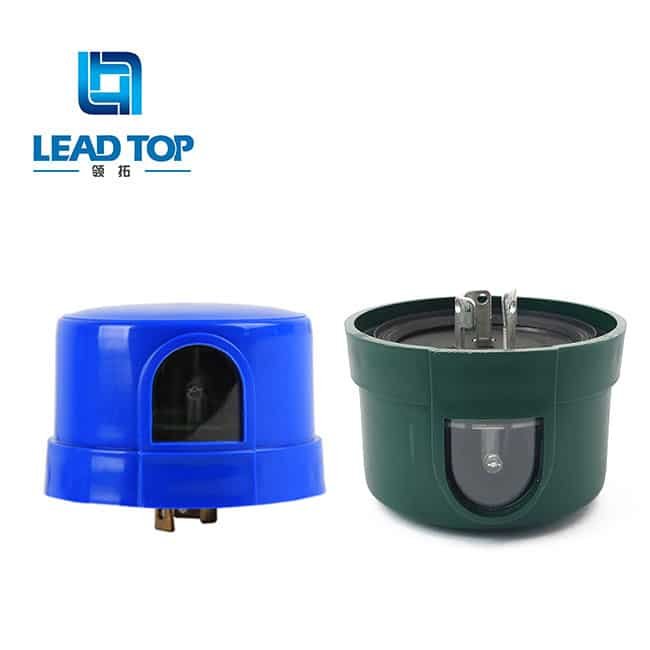
Projetado para uma vida útil prolongada e desempenho de comutação confiável.
Soquete para lâmpada fotocontrolada LT655

Oferece instalação em conformidade com o padrão ANSI e manutenção simplificada.
Melhores Aplicações
- Iluminação pública municipal
- Iluminação rodoviária
- Iluminação do estacionamento
- Projetos de infraestrutura pública
- programas de modernização para LED
Por que essa combinação ajuda a reduzir custos
Longa vida útil
Reduz a frequência de substituição e os custos de manutenção.
Substituição fácil em campo
Reduz as visitas de serviço e os custos com pessoal.
Alta resistência a surtos
Aumenta a confiabilidade em condições externas severas.
Compatibilidade com ANSI C136.10
Apoia a padronização de compras.
Menor custo total de propriedade
Ajuda as cidades a alcançarem estabilidade orçamentária duradoura.
Conclusão
Os sistemas de iluminação pública tradicionais costumam gerar custos ocultos devido ao consumo excessivo de energia, à necessidade de manutenção frequente e ao maior custo ao longo da vida útil. Ao investir em iluminação pública inteligente, fotocélulas duráveis para postes de luz e sistemas padronizados de controle de iluminação externa, as prefeituras podem melhorar consideravelmente a eficiência e reduzir os gastos totais.
Os projetos de modernização mais bem-sucedidos demonstram que a redução dos custos da iluminação pública não se resume simplesmente à diminuição do consumo de eletricidade. É necessária uma abordagem completa, focada em confiabilidade, facilidade de manutenção, padronização da infraestrutura e valor duradouro.
Os municípios que optarem hoje por iluminação pública energeticamente eficiente estarão em melhor posição para alcançar um desempenho fiscal mais robusto, maior satisfação pública e maior sustentabilidade da infraestrutura nas próximas décadas.
CTA:
A Lead-Top é especializada em ANSI-fotocontroladores, componentes de controle de iluminação e soluções de iluminação externa em conformidade com as normas, confiáveis por cidades, fornecedores e fabricantes de iluminação em todo o mundo.
Entre em contato com Chumbo-Top Entre em contato com nossa equipe agora mesmo para discutir os requisitos do seu projeto, solicitar recomendações técnicas ou receber uma proposta de solução personalizada.
Referências:
- https://leaditop.com/product-2/
- https://en.wikipedia.org/wiki/American_National_Standards_Institute
- https://leaditop.com/product/outdoor-automatic-daylight-sensor-switch-for-led-light/
- https://leaditop.com/product/outdoor-twilight-switch-photocell-sensor-switch-photocell-daylight-sensor-switch-dusk-to-dawn-sensor-switch/
- https://en.wikipedia.org/wiki/Return_on_investment



 Portuguese (Brazil)
  English
  Spanish
  Russian
  Dutch
Dutch  Japanese
  Portuguese (Portugal)