Introdução: Por que a segurança está se tornando uma prioridade máxima em sistemas de iluminação externa?
Na atualidade, a iluminação exterior deixou de ser apenas uma questão de iluminação, e agora a prioridade máxima é a segurança, a confiabilidade e a prevenção de riscos. Para garantir o funcionamento contínuo, especialmente em áreas públicas importantes, municípios, fornecedores e projetistas de infraestrutura estão cada vez mais priorizando soluções que assegurem esses aspectos.
Atualmente, a invenção mais significativa nesse sentido é a fotocélula de falha ligada., Fabricado para manter a iluminação mesmo em caso de falha do dispositivo.
Apesar da expansão dos sistemas de iluminação em rodovias, áreas industriais e infraestrutura urbana, a demanda por sistemas de controle de iluminação de segurança continua a crescer consideravelmente. Uma única falha na iluminação pode causar acidentes, riscos à segurança e transtornos à comunidade.
É por isso que cada vez mais clientes estão optando por soluções à prova de falhas com fotocélulas, que priorizam a segurança em detrimento da simples funcionalidade.

O que é uma falha na fotocélula e como ela funciona?
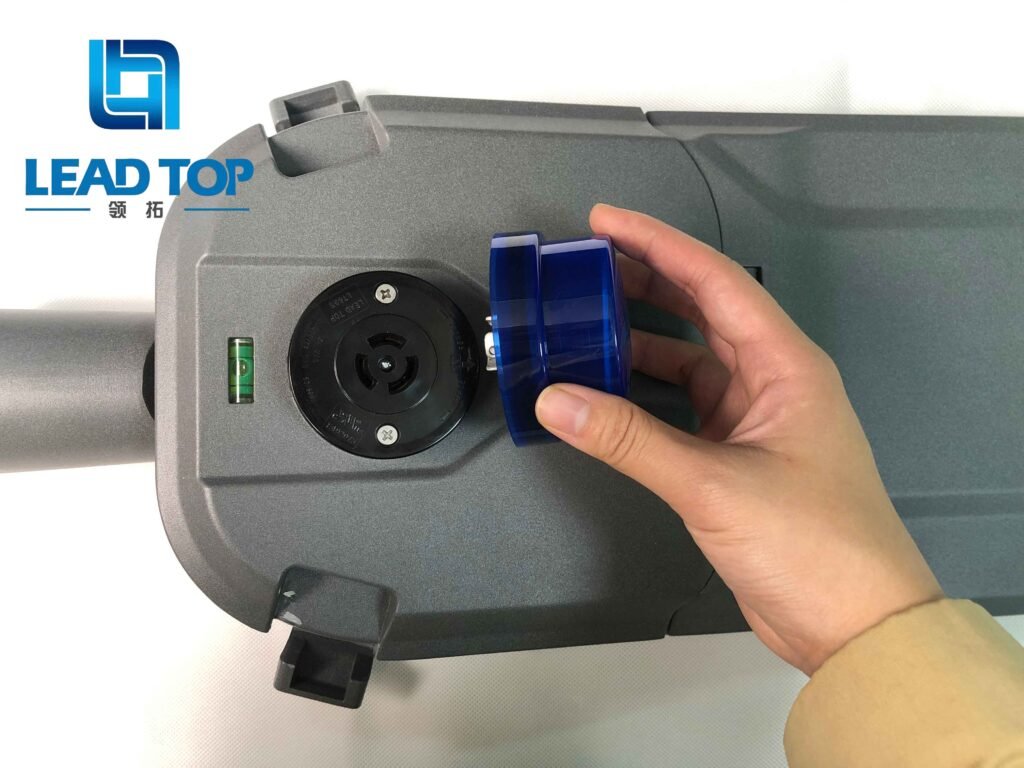
Uma fotocélula com falha de funcionamento é um tipo de interruptor de controle de iluminação externa fabricado com um mecanismo de segurança que garante que as luzes permaneçam acesas caso a fotocélula pare de funcionar corretamente.
O que significa "Falhar ao ligar"?
Se o fotocélula Se houver algum problema, a luz permanece acesa em vez de apagar.
Essa função contrasta com as fotocélulas antiquadas, que podem desligar as luzes quando ocorre uma catástrofe, possivelmente deixando grandes áreas na escuridão total.
O design à prova de falhas da fotocélula garante que os sistemas de iluminação continuem funcionando mesmo em caso de falha, proporcionando uma camada crítica de segurança em ambientes externos.
Por que a falha ao ligar é importante em aplicações de iluminação externa?
Em sistemas de iluminação externa, a falha de um sistema de iluminação não é apenas um inconveniente — pode gerar graves riscos de segurança.
Quais são os riscos associados à falha de iluminação?
- Ruas escuras e visibilidade reduzida.
- Risco aumentado de acidentes de trânsito
- Preocupações com a segurança em locais públicos
- Maior risco de criminalidade em espaços mal iluminados.
UM falha na fotocélula Elimina esses riscos ao garantir o funcionamento ininterrupto da iluminação.
Como o conceito de "Falhar Ligando" melhora a segurança?
- Mantém a iluminação durante a desativação do dispositivo.
- Atende aos requisitos de soluções de segurança para iluminação pública.
- Melhora a confiabilidade em infraestruturas importantes.
Para cidades e fornecedores, a implementação do controle de iluminação de segurança é importante para proteger tanto o público quanto o patrimônio.
Onde as fotocélulas com falha de ativação são mais comumente usadas?
A fotocélula com detecção de falha de iluminação é especialmente valorizada em ambientes onde a falha de iluminação é intolerável.
Aplicações perfeitas incluem:
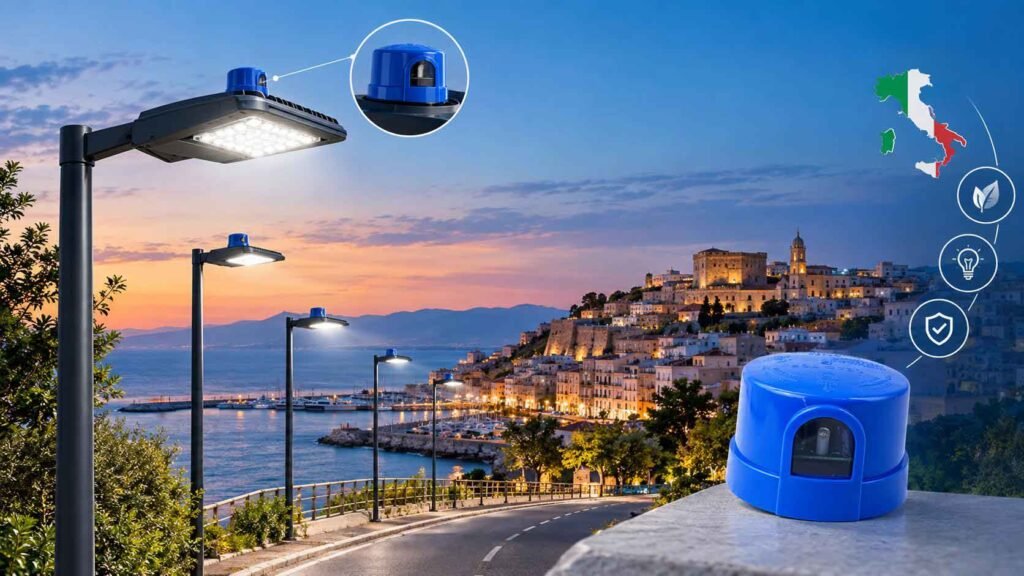
- Sistemas de iluminação pública
- Autoestradas e estradas principais
- Zonas industriais e de manufatura
- Instalações comunitárias, como jardins e centros de transporte.
Nessas circunstâncias, mesmo um breve período de escuridão pode acarretar graves consequências.
É por isso que os princípios das soluções de segurança para iluminação pública recomendam ou exigem progressivamente a funcionalidade de segurança em caso de falha das fotocélulas.
Como as falhas nas fotocélulas ON reduzem a pressão de manutenção?
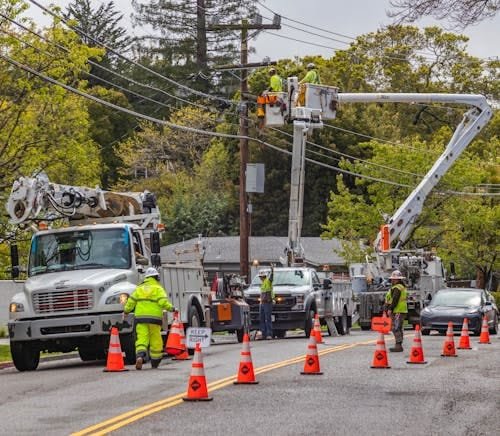
A manutenção é um dos principais desafios em sistemas de iluminação de grande escala. Milhares de pontos de iluminação dificultam o monitoramento e o reparo rápido de falhas.
Como o Fail ON simplifica a manutenção?
- As luzes permanecem acesas, facilitando a identificação das unidades defeituosas.
- Reduz situações de reparo emergencial
- Permite manutenção preventiva em vez de reparos urgentes.
Em vez de lidar com áreas escuras e reclamações emergenciais, as equipes de manutenção podem agendar as manutenções com mais eficiência.
Isso torna as soluções de fotocélulas com falha ativada não apenas mais seguras, mas também mais econômicas a longo prazo.
Por que a demanda de mercado por fotocélulas com detecção de falha está aumentando?
À medida que as metrópoles se tornam mais inteligentes e a infraestrutura mais complexa, a demanda por controle de iluminação de segurança continua a aumentar.
O que está impulsionando essa demanda?
- Maior ênfase na segurança comunitária
- Expansão de projetos urbanos inteligentes
- Regras governamentais mais rígidas
- Maiores perspectivas de confiabilidade
Fornecedores e supervisores de projetos estão agora destacando os recursos de segurança contra falhas das fotocélulas ao escolher componentes para sistemas de controle de iluminação externa.
Fabricantes como a Lead-Top Control reagiram a essa demanda tornando a funcionalidade de fotocélula "falha ligada" um recurso padrão na maioria de seus produtos.
Por que as fotocélulas à prova de falhas são essenciais para projetos de infraestrutura?
Projetos de infraestrutura de grande alcance exigem sistemas extremamente confiáveis que possam funcionar ininterruptamente com risco mínimo.
Em projetos desse tipo, uma fotocélula com falha de ativação oferece:
- Operação permanente mesmo em caso de falha
- Obrigação abreviada para fornecedores
- Concordância com as diretrizes de segurança
Para administrações e cidades, investir em soluções de interruptores para controle de iluminação externa com recursos de segurança garante confiabilidade duradoura do sistema e confiança comunitária.
Tabela 1: Vantagens das fotocélulas com detecção de falha (Fail ON)
| Recurso | Beneficiar |
| Iluminação contínua | Impede a escuridão durante uma falha |
| Segurança aprimorada | Reduz os riscos de acidentes e crimes |
| Detecção fácil de falhas | As luzes permanecem acesas para garantir a visibilidade. |
| Menos estresse com manutenção | Permite reparos planejados |
Como as fotocélulas Fail ON se comparam às fotocélulas tradicionais?
As fotocélulas antigas normalmente seguem um princípio de desligamento automático em caso de falha, onde a iluminação se apaga quando o dispositivo sofre uma queda brusca de tensão. Isso pode criar situações inseguras em ambientes externos.
Tabela 2: Comparação entre falha ligada e falha desligada
| Recurso | Falha na fotocélula | Tradicional (Falha DESLIGADA) |
| Comportamento diante da falha | A luz permanece acesa. | A luz se apaga. |
| Nível de segurança | Alto | Baixo |
| Impacto da manutenção | Detecção mais fácil | Mais difícil de detectar |
| Adequação da aplicação | Áreas públicas e críticas | Áreas não críticas |
As cidades inteligentes dependem de sistemas conectados e automatizados para melhorar a eficiência e a segurança. A iluminação desempenha um papel fundamental nesse ecossistema.
Uma fotocélula com falha de funcionamento contribui para os objetivos de cidades inteligentes ao:
- Garantindo iluminação ininterrupta
- Melhorar a confiabilidade do sistema
- Redução dos riscos operatórios
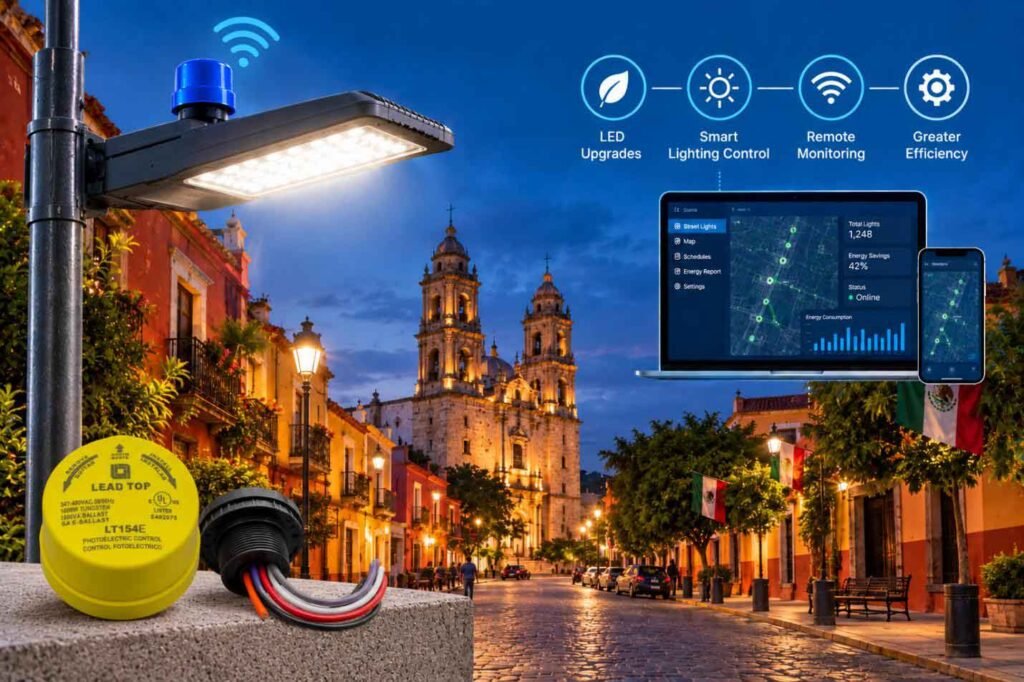
Quando em conjunto com sistemas habilitados para IoT, Essas fotocélulas contribuem para uma solução de segurança de iluminação pública mais inteligente e reativa.
Perguntas frequentes (FAQ)
Será que falhar LIGADO é melhor do que falhar DESLIGADO?
Sim, especialmente para aplicações críticas de segurança onde a iluminação contínua é essencial.
A falha no sistema ON aumenta os custos?
Ligeiramente, mas a segurança adicional e o risco reduzido fazem dele um investimento que vale a pena.
Conclusão: Por que o Fail ON está se tornando um padrão na iluminação moderna?
A fotocélula com detecção de falha ligada deixou de ser apenas um recurso opcional e está se tornando um requisito padrão nos sistemas de interruptores de controle de iluminação externa contemporâneos.
Com o aumento das preocupações com a segurança e o crescimento da infraestrutura, a necessidade de soluções de iluminação confiáveis e à prova de falhas torna-se mais importante do que nunca.
Ao garantir iluminação ininterrupta, diminuir os desafios de manutenção e melhorar a confiabilidade geral do sistema, a tecnologia à prova de falhas de fotocélulas oferece benefícios substanciais tanto para fornecedores quanto para usuários finais.
Para qualquer pessoa envolvida em projetos de soluções de segurança para iluminação pública, escolher uma fotocélula com sensor de falha (fail ON) é uma decisão inteligente e moderna. Ela não só melhora a segurança, como também garante desempenho duradouro e custo-benefício.
Fabricantes como a Lead-Top Control estão liderando essa mudança ao incorporar recursos de segurança em seus produtos, ajudando os consumidores a atender às crescentes demandas dos sistemas de iluminação contemporâneos.

 Portuguese (Brazil)
  English
  Spanish
  Russian
  Dutch
Dutch  Japanese
  Portuguese (Portugal)