Por que os resultados dos testes de lux com fotocélula costumam ser inconsistentes?
Em inúmeros projetos de iluminação externa, compradores e engenheiros relatam que os valores de LUX medidos não correspondem às especificações listadas nas fichas técnicas das fotocélulas. Isso, por vezes, gera apreensão quanto à qualidade da iluminação. fotocélula está com defeito ou mal calibrado. Embora, na maioria dos casos, o problema não seja uma falha do produto, mas sim uma inconsistência no método de teste da fotocélula.
A verdade é que LUX não é um parâmetro fixo e universal. É um resultado medido, influenciado pela atmosfera específica do teste, pela fonte de luz, pelo ângulo, pela distância e pela configuração óptica. Se essas variáveis mudarem, o ponto de comutação medido de uma fotocélula também pode mudar.
Compreender por que ocorre inconsistência na medição de lux é importante para qualquer pessoa envolvida em testes de produtos, autenticação de projetos ou controle de qualidade de sistemas de iluminação externa.
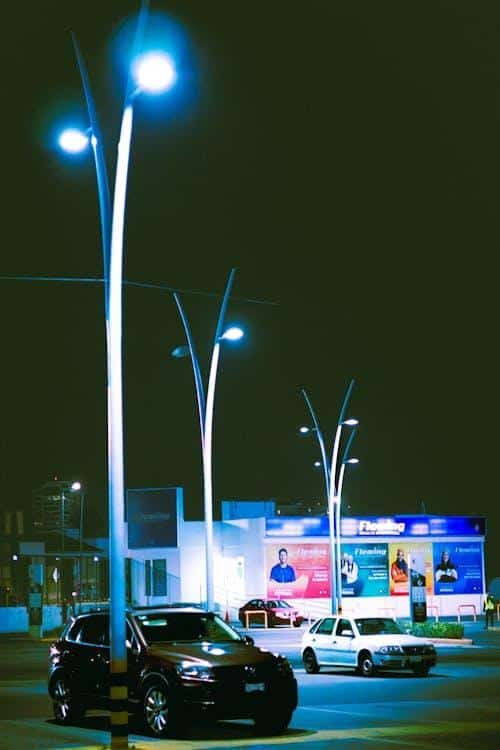
Por que LUX não é um valor absoluto?
Um equívoco comum é achar que uma fotocélula deve acionar em um valor específico de LUX em todas as circunstâncias. Na prática, não é assim que as fotocélulas funcionam.
Como é que uma fotocélula detecta a luz?
Uma fotocélula não mede o "brilho universal". Em vez disso, ela reage à quantidade e ao tipo de luz que atinge seu sensor sob circunstâncias específicas.
Por que isso importa?
Sem definir a configuração de teste, um valor LUX tem pouco significado técnico. Duas pessoas podem testar a mesma fotocélula em atmosferas diferentes e obter resultados diferentes — mesmo que o produto esteja funcionando corretamente.
Essa é uma das principais causas de interpretações errôneas sobre a precisão dos valores de lux na indústria de iluminação.
Como a fonte de luz afeta o teste de lux da fotocélula?

As características espectrais da fonte de luz têm uma influência fundamental na reação da fotocélula.
A fotocélula pode responder de forma diferente porque suas distribuições espectrais são diferentes, mesmo quando duas fontes de luz produzem o mesmo nível de luminosidade (LUX) medido.
Luz incandescente (~2800K)
Produz um espectro contínuo de luz quente, semelhante à iluminação pública antiga.
LIDERADO e luz fluorescente
Frequentemente produzem espectros intermitentes com picos em comprimentos de onda específicos.
Luz branca fria (aproximadamente 5000K–6500K)
Contém mais luz azul, o que pode alterar consideravelmente a reação do sensor.
Como as fotocélulas respondem ao espectro de luz — e não apenas à iluminação —, a mudança da fonte de luz frequentemente causa erros nos testes das fotocélulas durante a autenticação.
Por que a configuração dos testes é tão importante?
Mesmo que se utilize a mesma fonte de luz, a disposição física do equipamento de teste pode impactar drasticamente os resultados.
Como o ângulo de exposição altera as leituras?
Uma fotocélula visível diretamente a uma fonte de luz reagirá de forma diferente de uma que recebe luz refletida ou em ângulo.
A orientação do sensor afeta a quantidade de luz que efetivamente entra na fotocélula.
Por que a distância importa?
Quanto mais distante a fonte de luz estiver do sensor, menor será a iluminância efetiva na superfície da fotocélula, mesmo que a iluminação do ambiente pareça semelhante.
Como a luz ambiente interfere?
A luz ecológica não controlada proveniente de janelas, lâmpadas ou reflexos pode distorcer as leituras e criar inconsistências nas medições de lux.
Por que os resultados em ambientes internos e externos são diferentes?
Os ambientes de laboratório são organizados e repetíveis. Os testes ao ar livre proporcionam:
- Variações da luz solar
- Mudanças climáticas
- reflexos de superfície
- Interferência ambiental
É por isso que os resultados de campo e de laboratório frequentemente divergem nos testes de lux das fotocélulas.
Como o design da carcaça da fotocélula afeta a resposta em lux?
A estrutura física da fotocélula também influencia a quantidade de luz que atinge o sensor interno.
Habitação opaca
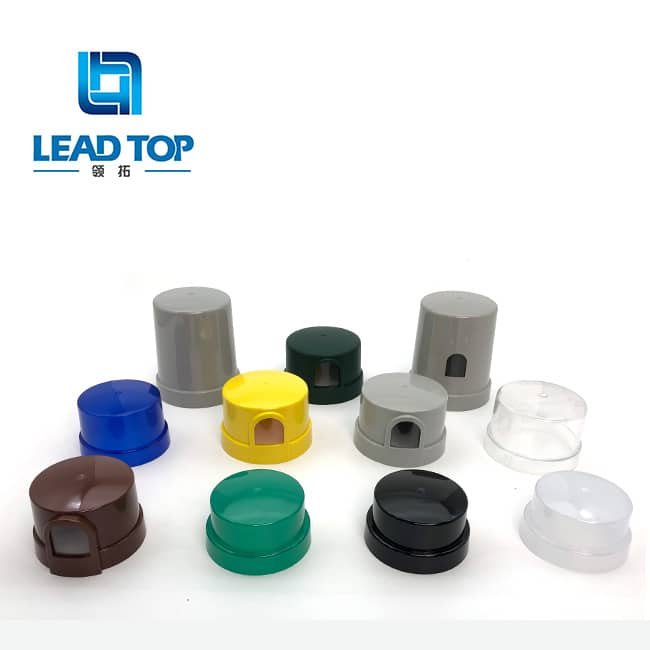
Diminui a entrada de luz e pode reduzir a sensibilidade.
Habitações transparentes ou com janelas
Permite que mais luz atinja o sensor, aumentando a sensibilidade.
Material e cor da superfície
Pode afetar a reflexão e a absorção da luz incidente.
Essas diferenças de design afetam a exposição real do sensor e impactam a precisão do valor de lux.
Qual é um cenário típico de incompatibilidade no mundo real?
Um problema comum ocorre quando os clientes testam uma fotocélula usando uma lâmpada LED aleatória em vez de uma fonte de luz padronizada.
O que acontece neste cenário?
- A fotocélula foi regulada usando um espectro.
- O comprador realiza testes utilizando outro espectro.
- O ponto de comutação LUX medido parece estar "incorreto".“
Na verdade, a fotocélula está funcionando corretamente. A irregularidade decorre da configuração do teste, e não do produto. Este é um exemplo clássico de erro em teste de fotocélula causado por métodos de autenticação não padronizados.
Como obter testes de lux confiáveis e repetíveis?
Para aumentar a constância, os métodos de teste devem ser homogêneos.
Por que você deve usar fontes de luz que atendam aos padrões?
Utilize sempre o mesmo tipo de fonte de luz e temperatura de cor especificados para o produto.
Isso garante o alinhamento entre a calibração do contratado e a autenticação do cliente.
Por que a distância e o ângulo devem ser controlados?
Mantenha a fonte de luz a uma distância e ângulo fixos durante todos os testes.
Mesmo pequenas alterações podem modificar os resultados consideravelmente.
Por que a luz ambiente deve ser eliminada?
Os testes devem ser realizados em uma atmosfera controlada, com intrusão de luz externa insignificante.
Por que o alinhamento com fornecedores é importante?
Compradores e contratantes devem concordar com o método exato de teste da fotocélula antes de avaliar o desempenho do produto.
Quais são as causas mais comuns de inconsistência nos testes de LUX?
Tabela 1: Causas comuns de variação no teste de LUX da fotocélula
| Causa | Efeito no resultado | Risco criado |
| Espectro de fonte de luz diferente | Alterações na resposta do sensor | Avaliação de desempenho incorreta |
| ângulo de teste variável | Altera a luz recebida pelo sensor. | resultados de comutação instáveis |
| Inconsistência de distância | Alterações na iluminância efetiva | Leituras de LUX imprecisas |
| Interferência da luz ambiente | Distorce as medições | conclusões falsas dos testes |
| Diferenças no projeto de habitações | Alterações na exposição do sensor | Variação inesperada na resposta |
Quais são as melhores práticas para testes confiáveis de fotocélulas?
Tabela 2: Melhores práticas para testes precisos de LUX em fotocélulas
| Melhores práticas | Propósito | Beneficiar |
| Utilize uma fonte de luz em conformidade com as normas. | Condições de calibração compatíveis | Consistência aprimorada |
| Defina a distância e o ângulo de teste. | Eliminar variações de configuração | Resultados repetíveis |
| Bloquear a luz ambiente | Evitar interferências | Maior confiabilidade de medição |
| Condições de teste do documento | Padronizar a validação | Melhor rastreabilidade |
| Em conformidade com as especificações do fornecedor. | Garantir uma avaliação justa | Redução de conflitos |
Por que a consistência é mais importante do que números exatos de LUX?
Diversos compradores se concentram bastante no valor exato de LUX da comutação. Na verdade, a consistência importa mais do que os números absolutos.
Porque o desempenho da fotocélula deve ser avaliado com base em:
- Comportamento de alternância constante
- Operação repetível
- Desempenho em circunstâncias bem definidas
Um valor LUX preciso sem um método de teste de fotocélula definido tem importância técnica limitada.
Conclusão: Por que condições de teste consistentes são essenciais para uma avaliação precisa de fotocélulas?
Os valores de LUX só são importantes quando as condições de teste são bem definidas e mantidas de forma constante. A maioria dos problemas de inconsistência nas medições de lux não é causada por defeitos do produto, mas sim por diferenças na configuração do teste, na fonte de luz, na atmosfera ou na metodologia.
Para aumentar a precisão do valor de lux, compradores e empreiteiros devem concordar com um método de teste de fotocélulas repetível e entender que as fotocélulas reagem a situações ópticas reais, e não a valores abstratos de brilho.
Chamada à ação:
Para obter suporte especializado em testes de lux de fotocélulas, ajuste e autenticação específica para cada aplicação, entre em contato. Chumbo-Top. Nossa equipe de engenharia pode ajudar a garantir que o desempenho da sua fotocélula atenda aos requisitos reais do projeto.



 English
 Portuguese (Brazil)
 Spanish
 Russian
 Dutch
Dutch Japanese
 Portuguese (Portugal)