Por que a IA está se tornando parte da infraestrutura urbana cotidiana?
Hoje, a IA faz parte do cotidiano da vida urbana, inteligência artificial A transformação digital não se limita mais a empresas de tecnologia, laboratórios de pesquisa ou conceitos futuristas. Para aumentar a eficiência, reduzir custos operacionais e apoiar metas de sustentabilidade a longo prazo, municípios em todo o mundo estão investindo em infraestrutura digital.
O conceito de cidades controladas por IA está se tornando realidade. Em vez de operarem por meio de sistemas isolados, espera-se que os municípios do futuro funcionem como ambientes interconectados, onde os dados fluem constantemente entre sensores, redes de comunicação e plataformas de gestão.
Contudo, o desenvolvimento tecnológico por si só não garante o sucesso. Embora governos e planejadores urbanos possam adotar a automação, a questão fundamental permanece: os cidadãos confiarão nela?
À medida que as pessoas desejam ruas mais seguras, menor consumo de energia e melhores serviços públicos, o consentimento público tornou-se um dos fatores mais importantes que impactam o futuro do desenvolvimento de cidades inteligentes. Mas, ao mesmo tempo, elas também querem transparência, privacidade e a certeza de que a tecnologia está sendo usada de forma sensata.
Como a IA está silenciosamente se infiltrando na infraestrutura urbana?
Os municípios modernos utilizam progressivamente sistemas inteligentes para dar suporte a:
- Otimização de semáforos
- Horários do transporte público
- Gestão da distribuição de energia
- Planejamento da coleta de resíduos
- Monitoramento ecológico
- Manutenção de infraestrutura
Esses sistemas coletam e examinam dados constantemente para aprimorar a tomada de decisões e a eficiência operacional.
Por exemplo, sistemas de tráfego com inteligência artificial podem monitorar padrões de congestionamento e ajustar automaticamente o tempo dos semáforos para diminuir os atrasos. As concessionárias de energia elétrica podem identificar padrões anormais de consumo de energia e otimizar a distribuição de energia com base nisso.
Essa forma de automação urbana permite que os municípios respondam mais rapidamente às variações das condições, simplesmente reduzindo os custos operacionais.
Com o avanço da tecnologia, espera-se que a IA se torne um componente cada vez mais importante da infraestrutura inteligente, dando suporte a tudo, desde transporte e serviços públicos até segurança pública e sustentabilidade ecológica.

De que forma os sistemas de iluminação inteligente já utilizam a tecnologia de sensores automatizados?
Embora a IA frequentemente se concentre em tecnologias futuristas, os sistemas de iluminação automatizados já funcionam com sucesso há anos.
O sensor crepuscular é o melhor exemplo, pois liga automaticamente os postes de iluminação pública quando a luz ambiente cai abaixo de um limite predefinido e os desliga quando a luz do dia retorna.
Para monitorar constantemente as condições de iluminação ecológica, esses sistemas utilizam um sensor fotocélula para luzes externas.
Sem necessidade de intervenção física, fotocélulas oferecer:
- Operação de iluminação automática
- Redução do consumo de eletricidade
- Iluminação constante
- Requisitos de manutenção reduzidos
Os sistemas baseados em fotocélulas estão entre as primeiras formas práticas de automação de infraestrutura.
Consequentemente, a fotocélula tradicional está se transformando de um simples dispositivo de comutação em um componente essencial da infraestrutura urbana conectada.
A iluminação controlada por IA pode melhorar a vida urbana?
Os defensores do desenvolvimento de cidades inteligentes frequentemente apontam a iluminação como uma das formas de automação mais eficientes e reconhecidas publicamente.
A iluminação pública afeta diretamente:
- Segurança pública
- visibilidade do tráfego
- Consumo de energia
- Custos operacionais municipais
Sistemas de iluminação aprimorados por IA podem melhorar esses resultados, reagindo dinamicamente a situações do mundo real.
Por exemplo, as tecnologias de iluminação adaptativa podem ajustar roboticamente os níveis de iluminação com base em:
- Densidade de tráfego
- Movimento de pedestres
- Situação climática
- Hora do dia
- Eventos especiais
Os sistemas de iluminação podem fornecer iluminação precisa quando e onde for necessário, em vez de funcionar com brilho máximo durante toda a noite.
Os benefícios da iluminação com inteligência artificial incluem:
- Melhor visibilidade da estrada
- Redução do consumo de energia
- Menores custos de manutenção
- Desempenho de infraestrutura aprimorado
- Resultados de sustentabilidade aprimorados
Quais são os benefícios da iluminação externa inteligente?
A iluminação inteligente oferece vantagens que vão além da economia de energia.
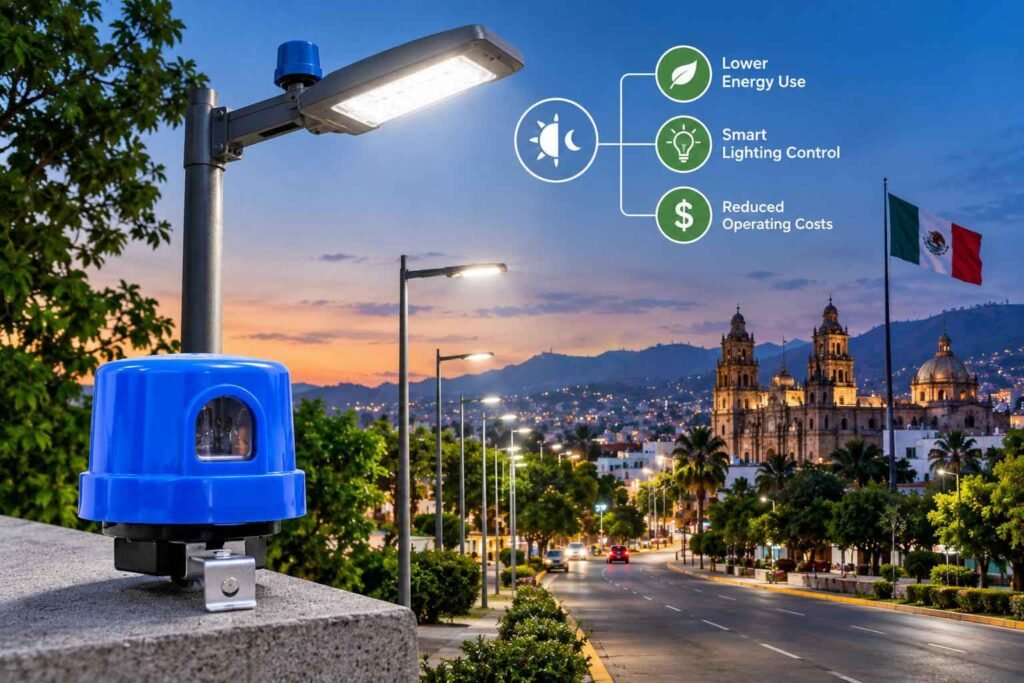
Um componente essencial é o melhor sensor crepuscular para exteriores, que garante que os sistemas de iluminação funcionem de forma constante e precisa, independentemente das variações sazonais da luz do dia.
Os sistemas de iluminação inteligentes contemporâneos frequentemente incorporam tecnologias avançadas de sensores de luz fotocélula para uso externo, que oferecem operação confiável em diversas situações ecológicas.
Benefícios importantes da iluminação externa inteligente
| Beneficiar | Impacto na infraestrutura municipal |
| Proficiência em Energia | Reduz o consumo desnecessário de eletricidade. |
| Operação automática | Elimina a necessidade de trocas manuais intensivas. |
| Segurança aprimorada | Mantém visibilidade noturna constante. |
| Manutenção reduzida | Reduz as chamadas de serviço e os custos de mão de obra. |
| Apoio à sustentabilidade | Contribui para atingir metas ecológicas. |
| Confiabilidade operacional | Melhora o desempenho duradouro do sistema. |
Além dos benefícios práticos, a iluminação inteligente também serve como base para futuras aplicações em cidades inteligentes.
Quais são as configurações de iluminação recomendadas para a automação urbana inteligente?
Solução de retrofit de iluminação inteligente com excelente custo-benefício
Para cidades que estão iniciando sua jornada de modernização, uma solução com boa relação custo-benefício pode oferecer benefícios imediatos sem a necessidade de grandes investimentos em infraestrutura.
Combinação recomendada
Fotocontrolador eletrônico de baixo custo LT104 + receptáculo de montagem NEMA LT645 / LT645B
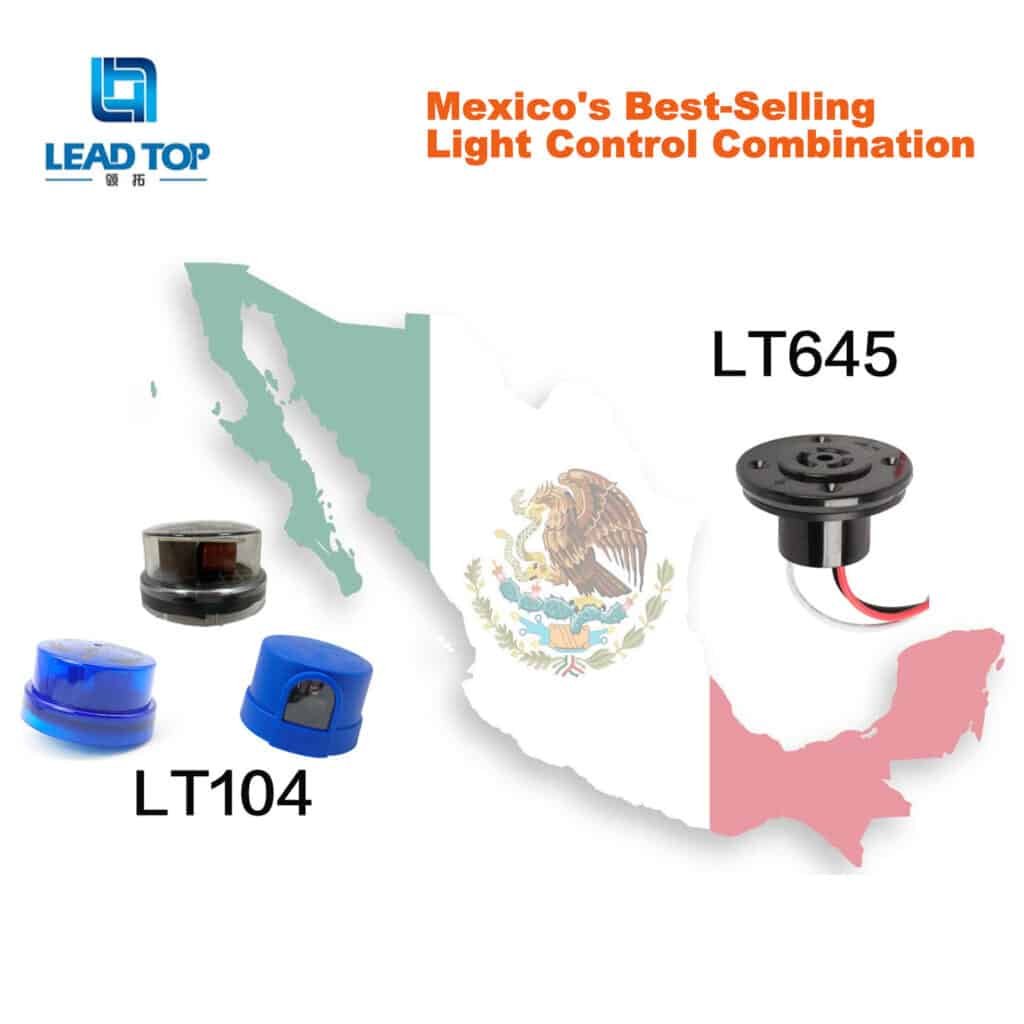
Melhor para
- projetos metropolitanos sul-americanos
- Renovações urbanas com orçamentos controlados
- programas de modernização para LED
Principais benefícios
- Implantação fácil
- Operação confiável do anoitecer ao amanhecer
- ANSI compatibilidade
- Baixos custos operacionais
Solução de iluminação municipal de longa duração
Para projetos de maior porte, onde a confiabilidade e a redução da manutenção são primordiais, os sistemas de fotocontrole de longa duração oferecem maior valor agregado.
Combinação recomendada
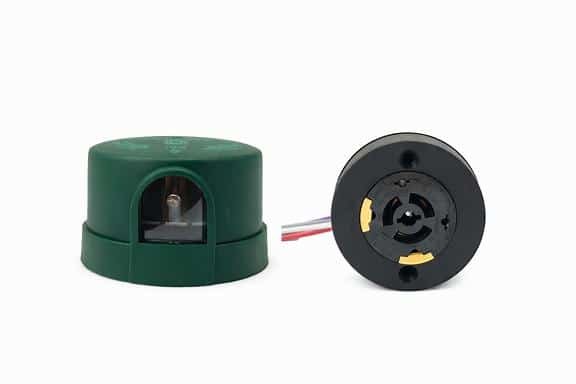
Melhor para
- Sistemas rodoviários públicos
- Infraestrutura de áreas de estacionamento
- Ambientes de alto custo de manutenção
Principais benefícios
- Vida útil prolongada do relé
- Defesa contra corrente de alta entrada
- Instalação flexível
- Desempenho duradouro em ambientes externos
Comparação das soluções recomendadas
| Recurso | LT104 + LT645 | LT134 + LT605R |
| Tamanho do projeto | Pequeno a médio | Médio a grande |
| Investimento inicial | Mais baixo | Mais alto |
| Vida útil | Padrão | Estendido |
| Proteção contra picos de corrente | Básico | Aprimorado |
| Flexibilidade de instalação | Bom | Excelente |
| Economias de manutenção a longo prazo | Moderado | Alto |
Por que a privacidade é uma das maiores preocupações das cidades inteligentes?
Apesar dos potenciais benefícios das cidades controladas por IA, as preocupações do público continuam sendo importantes.
Muitas pessoas apoiam a melhoria do desempenho da infraestrutura, mas estão atentas à forma como a tecnologia coleta e utiliza informações.
As preocupações mais comuns incluem:
- Privacidade de dados
- Habilidades de vigilância
- Transparência
- Riscos de segurança cibernética
- Responsabilidade
Essas preocupações são lógicas e exigem uma análise cuidadosa.
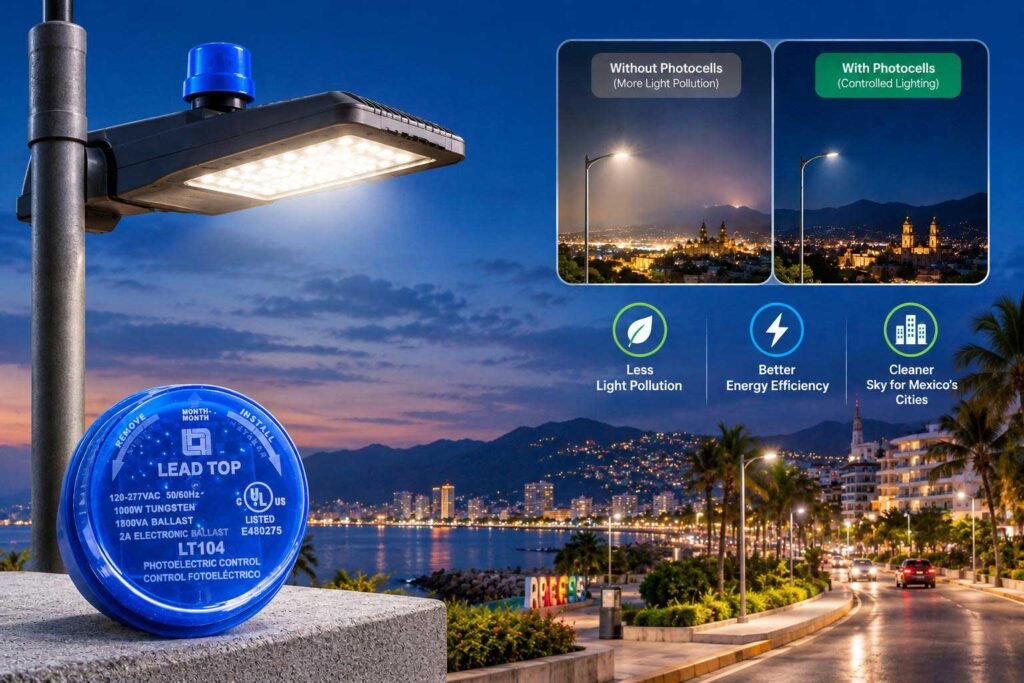
Nem toda infraestrutura inteligente envolve coleta de dados pessoais. Por exemplo, sistemas de iluminação baseados em fotocélulas medem principalmente níveis de luz ecológicos, em vez de informações pessoais.
No entanto, à medida que os municípios implementam mais tecnologias conectadas, manter a confiança pública exige transparência em relação a:
- Que dados são coletados?
- Como os dados são usados
- Quem tem acesso à informação?
- Como os sistemas são protegidos
Os cidadãos confiarão na infraestrutura de IA no futuro?
A perspectiva de confiança pública na IA dependerá principalmente de como os municípios implementam e comunicam as mudanças tecnológicas.
Alguns fatores podem ajudar a construir confiança:
- Comunicação transparente
- Gestão responsável de dados
- Estratégias de tecnologia ética
- Iniciativas de engajamento público
- Supervisão independente
Essencialmente, a confiança é construída por meio de relacionamentos entre governos, provedores de infraestrutura e as comunidades que eles atendem; a confiança não é construída apenas por meio da tecnologia.
Conclusão: As cidades controladas por IA obterão aceitação pública?
O futuro das cidades controladas por IA dependerá de muito mais do que capacidade tecnológica. Confiança pública, transparência e implementação responsável desempenharão papéis igualmente importantes.
A automação oferece benefícios práticos que não interferem na rotina diária, e é isso que demonstram os sistemas de iluminação inteligentes, alimentados por sensores fotocélulas para iluminação externa e tecnologias de controle inovadoras.
Com a evolução contínua dos municípios, a infraestrutura inteligente, a automação urbana e as soluções de iluminação adaptativa ajudarão a melhorar a eficiência, a sustentabilidade e a segurança pública.
À medida que a tecnologia se integra cada vez mais aos municípios, o verdadeiro desafio é garantir que os cidadãos se sintam confiantes, informados e confortáveis.
CTA:
Uma iluminação inteligente e confiável começa com sistemas de controle confiáveis.
As soluções de fotocélulas inteligentes da Lead-Top ajudam cidades, fornecedores e profissionais de iluminação a implementar sistemas de iluminação externa automatizados e com eficiência energética, projetados para um desempenho duradouro.



 Portuguese (Brazil)
  English
  Spanish
  Russian
  Dutch
Dutch  Japanese
  Portuguese (Portugal)