Introdução: Por que é importante escolher o tipo certo de fotocélula?
Escolher o certo fotocélula A escolha do padrão sempre foi uma etapa importante no desenvolvimento de sistemas de iluminação externa eficientes e confiáveis. Com a grande variedade de padrões disponíveis — como fotocélulas com fio, NEMA e ZHAGA —, os compradores frequentemente se sentem confusos ao decidir qual opção melhor se adapta ao seu projeto.
Cada tipo de fotocélula é projetado para métodos de instalação específicos, princípios regionais e níveis de sofisticação tecnológica. A escolha do tipo incorreto pode causar problemas como incompatibilidade, custos de manutenção mais elevados ou desempenho limitado do sistema.
Mas ter conhecimento das diferenças entre essas opções pode ajudar os compradores a tomar decisões sensatas que estejam alinhadas com os requisitos do projeto, as restrições orçamentárias e a escalabilidade futura.
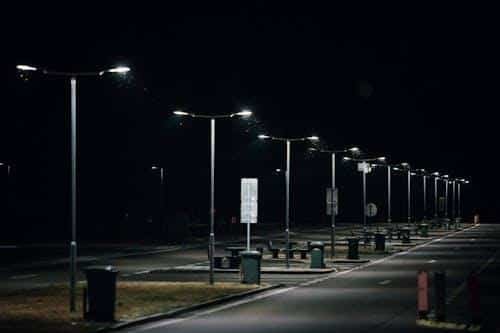
Quais são os principais tipos de fotocélulas usadas na iluminação externa?
Existem três tipos principais de fotocélulas amplamente utilizadas no mercado internacional: fotocélula com fio, fotocélula NEMA e fotocélula Zhaga. Cada uma delas tem uma finalidade específica e é adequada para diferentes aplicações.
O que é uma fotocélula com fio?
UM fotocélula com fio É instalado diretamente dentro da luminária e conectado por meio de fiação interna. Normalmente é utilizado em luminárias OEM e em projetos com restrições de custo.
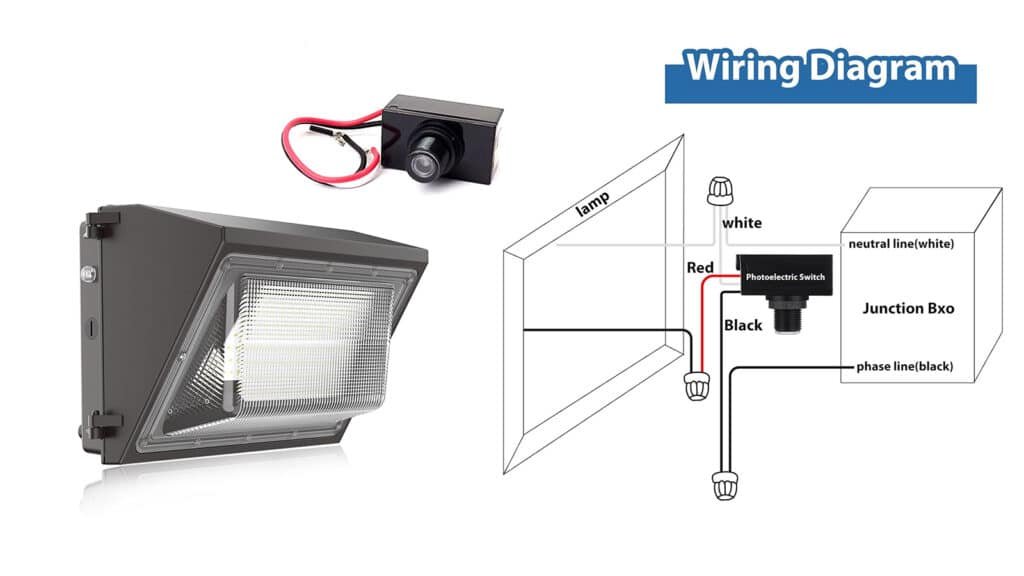
Principais características:
- Integrado dentro da luminária.
- Baixo custo e design simples
- Flexibilidade limitada para substituição
Este tipo é amplamente utilizado em aplicações de fotocélulas com fio, particularmente em mercados emergentes.
O que é uma fotocélula NEMA?
UM Fotocélula NEMA É um dispositivo externo que utiliza um mecanismo de travamento por torção baseado nas normas ANSI. É muito popular na América do Norte.
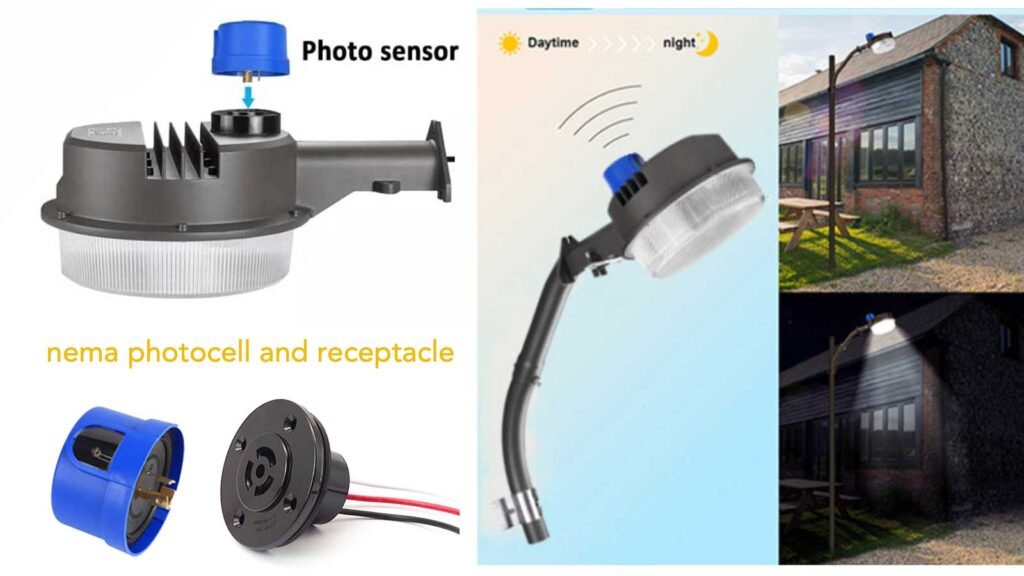
Principais características:
- Instalação plug-and-play
- Substituição e manutenção fáceis
- Disponível nas versões de 3, 5 e 7 pinos.
Ao comparar fotocélulas NEMA e ZHAGA, a NEMA se destaca pela sua simplicidade e ampla aceitação.
O que é uma fotocélula Zhaga?
UM Fotocélula Zhaga É uma solução modular e contemporânea criada para sistemas de iluminação inteligentes. Ela segue o padrão Zhaga Book 18 e está sendo cada vez mais utilizada na Europa.
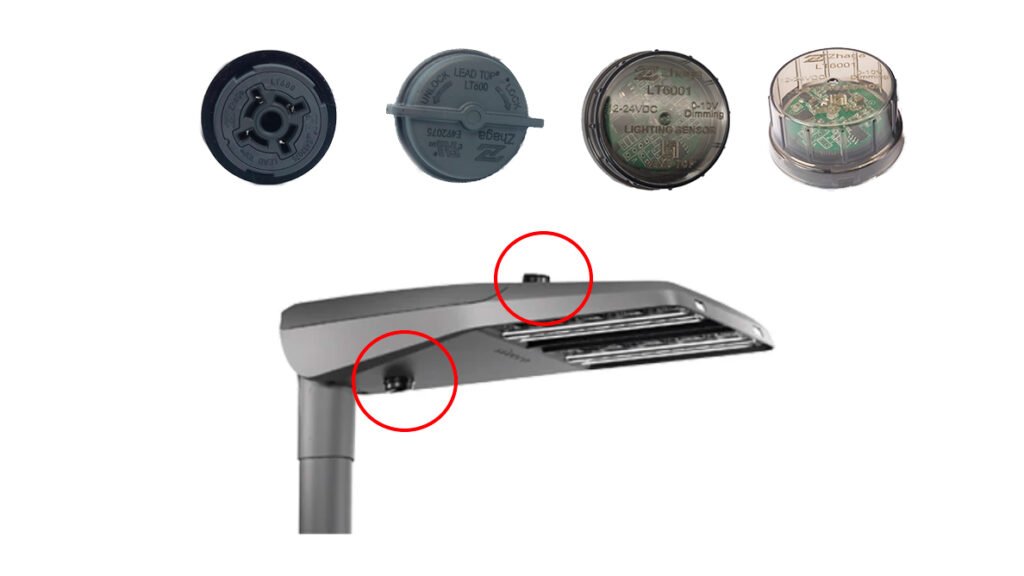
Principais características:
- Design compacto e integrado
- Suportes IoT e controle inteligente
- Perfeito para sistemas preparados para o futuro.
As fotocélulas Zhaga estão se tornando cruciais em sistemas avançados de controle de iluminação externa.
Quais são as principais diferenças técnicas entre as fotocélulas Wire-in, NEMA e Zhaga?
Ao avaliar as opções de fotocélulas com fio, NEMA e ZHAGA, é importante ter conhecimento das diferenças técnicas.
Tabela 1: Comparação técnica dos tipos de fotocélulas
| Recurso | Fotocélula com fio | Fotocélula NEMA | Fotocélula Zhaga |
| Método de instalação | Fiação interna | Trava giratória | Tomada modular |
| Manutenção | Difícil | Fácil | Muito fácil |
| Capacidade Inteligente | Limitado | Moderado (7 pinos) | Avançado |
| Nível de custo | Baixo | Médio | Alto |
Como os métodos de instalação afetam a seleção da fotocélula?
A instalação desempenha um papel fundamental na seleção do tipo correto de fotocélula.
- No caso de fotocélulas com fio, é necessária fiação interna, o que torna a instalação mais complexa e demorada.
- A fotocélula NEMA utiliza um sistema de encaixe por torção, permitindo uma instalação rápida e, ao mesmo tempo, uma substituição ágil sem a necessidade de ferramentas.
- A fotocélula Zhaga oferece um design modular plug-and-play, tornando-a perfeita para sistemas inteligentes contemporâneos.
Para projetos que necessitam de manutenção ou reformas recorrentes, as soluções NEMA e Zhaga são mais práticas.
Qual o tipo de fotocélula preferido em diferentes mercados globais?
As normas regionais influenciam consideravelmente a escolha entre fotocélulas com fio, NEMA e ZHAGA.
Preferências de mercado:
- América do Norte: Regra das fotocélulas NEMA devido à padronização ANSI
- Europa: As fotocélulas Zhaga estão ganhando popularidade rapidamente devido à sua aceitação nas cidades inteligentes.
- Sudeste Asiático e Oriente Médio: Fotocélulas com fio são preferidas para projetos com restrições de custo.
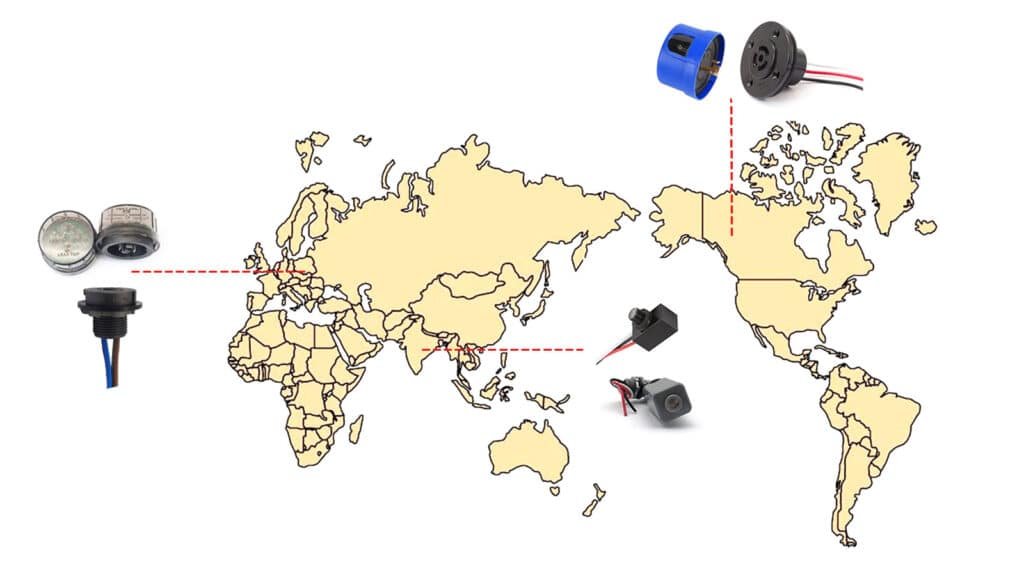
Compreender essas preferências regionais ajuda a garantir a compatibilidade e o reconhecimento nos mercados-alvo.
Quais são as vantagens e desvantagens de cada tipo de fotocélula?
Cada tipo de fotocélula oferece benefícios e limitações exclusivos.
Tabela 2: Comparação de Prós e Contras
| Tipo | Vantagens | Desvantagens |
| Fio de entrada | Design compacto e de baixo custo | Difícil de substituir |
| NEMA | Instalação fácil e padronizada. | Design externo visível |
| Zhaga | Preparado para tecnologia inteligente, compacto e à prova do futuro. | Custo mais elevado |
Como os requisitos de iluminação inteligente influenciam sua escolha?
Os sistemas de iluminação contemporâneos necessitam cada vez mais de competências inteligentes, como monitoramento remoto, controle de intensidade e análise de dados.
- Fotocélula com fio: funcionalidade inteligente limitada
- Fotocélula NEMA: Compatível com controle inteligente nas versões de 5 e 7 pinos.
- Fotocélula Zhaga: Feita para integração inteligente completa
Ao comparar as fotocélulas Nema e Zhaga, a Zhaga oferece recursos mais inovadores, tornando-a a melhor opção para projetos de cidades inteligentes.
Como escolher a fotocélula certa para o seu projeto?
A escolha da fotocélula correta depende de alguns fatores-chave:
1. Padrão de mercado
Selecione um tipo de fotocélula que atenda aos requisitos regionais.
2. Tipo de projeto
- Projetos pequenos → Conexão com fio
- Projetos comunitários → NEMA
- Projetos de cidades inteligentes → Zhaga
3. Orçamento
- Orçamento baixo → Entrada com fio
- Orçamento médio → NEMA
- Alto orçamento → Zhaga
4. Requisitos Inteligentes
Se o seu projeto exigir integração com a IoT, escolha os modelos Zhaga ou NEMA avançados.
A fotocélula com fio ainda é relevante hoje em dia?
Sim, a aplicação de fotocélulas com fio continua sendo extremamente pertinente, especialmente em:
- Luminárias OEM
- Mercados sensíveis a custos
- Sistemas de iluminação simples
As fotocélulas com fio continuam sendo amplamente utilizadas, apesar do surgimento de tecnologias inteligentes, devido ao seu baixo custo e simplicidade.
Perguntas Frequentes (RFQ)
Qual o tipo de fotocélula mais adequado para o meu projeto?
Depende do seu mercado. O padrão NEMA é ideal para a América do Norte, o Zhaga para a Europa e o wire-in para regiões com restrições de custo.
Preciso de uma solução preparada para dispositivos inteligentes?
Se o seu projeto envolver infraestrutura inteligente, selecione fotocélulas Zhaga ou NEMA de 7 pinos.
A fotocélula com fio está obsoleta?
Não, ainda é amplamente utilizado em aplicações OEM e com foco em orçamentos reduzidos.
Conclusão: Como escolher entre fotocélulas com fio, NEMA e Zhaga?
A escolha entre fotocélula com fio, NEMA ou ZHAGA depende dos requisitos específicos do seu projeto, incluindo padrões de mercado, preferências de instalação, orçamento e nível de inteligência desejado para o sistema.
- As fotocélulas com fio são perfeitas para projetos integrados e com restrições de custo.
- As fotocélulas NEMA oferecem facilidade de manuseio e padronização, particularmente na América do Norte.
- Zhaga As fotocélulas oferecem recursos inteligentes avançados para sistemas preparados para o futuro.
Para que os compradores tomem decisões inteligentes, mais eficientes e preparadas para o futuro no controle da iluminação externa, é fundamental compreender e conhecer as diferenças entre as opções disponíveis. Em última análise, a escolha da fotocélula correta garante melhor desempenho, menores custos de manutenção e confiabilidade a longo prazo.
Caso tenha alguma dúvida ou preocupação em relação a este assunto, não hesite em nos contatar. Contate-nos; Um profissional entrará em contato para ajudá-lo em até 12 horas.


 Portuguese (Brazil)
  English
  Spanish
  Russian
  Dutch
Dutch  Japanese
  Portuguese (Portugal)