¿Por qué los ingenieros se preocupan por la capacidad de ajuste en los controles fotográficos para exteriores?
Cuando los ingenieros escuchan el término "estructura ajustable", surge de inmediato una comprensible inquietud: ¿el movimiento adicional reduce la constancia o acorta la vida útil del producto? En ingeniería mecánica, esta inquietud está bien fundada. Mayores grados de autonomía suelen introducir puntos de desgaste, acumulaciones de tolerancias o holgura prolongada si no se controlan con cuidado.
En cuanto a los fotocontroles exteriores, la cuestión se vuelve aún más crucial. Estos dispositivos están expuestos constantemente a vibraciones, cargas de viento, ciclos de alta temperatura y entrada de humedad., Radiación ultravioleta, y estrés ecológico prolongado. Cualquier debilidad estructural puede comprometer firmemente la confiabilidad, precisión y vida útil.
Por esta razón, la durabilidad del fotocontrol ajustable suele cuestionarse durante las revisiones de diseño y la selección de productos. Sin embargo, el problema no radica en si una estructura es adaptable, sino en cómo se diseña y limita dicha adaptabilidad.
¿Es la ajustabilidad en sí misma la causa de la reducción de la estabilidad?
La ajustabilidad por sí sola no suele reducir la estabilidad. Los problemas surgen solo cuando se aplica sin una disciplina mecánica adecuada. En sistemas mal diseñados, las uniones ajustables pueden depender únicamente de la fricción, plásticos flexibles o mecanismos de bloqueo débiles. Con el tiempo, estos diseños pueden desviarse, aflojarse o fatigarse.
En tales casos, la ajustabilidad se convierte en una obligación en lugar de un beneficio. Los ingenieros hacen bien en estar alerta, ya que la historia ofrece numerosos casos de componentes ajustables que fallan debido a un diseño deficiente.
Sin embargo, este resultado no es inevitable. Las estructuras ajustables bien diseñadas funcionan según un principio básicamente diferente: ajuste controlado seguido de operación estática. Esta diferencia es importante al evaluar vástago giratorio estabilidad en controles fotográficos al aire libre.
¿Cómo mantienen la estabilidad las estructuras ajustables bien diseñadas?
Los fotocontroles ajustables de alta calidad permiten un ajuste independiente del funcionamiento. El ajuste solo se permite durante la instalación o la puesta en marcha. Una vez establecida la orientación, la estructura funciona como un componente fijo durante todo el funcionamiento normal.
Este método garantiza que las fuerzas ambientales no provoquen movimiento continuo. En su lugar, la interfaz ajustable se convierte en un elemento estructural bloqueado una vez colocada. Desde el punto de vista de la fabricación, esto elimina los principales modos de fallo asociados con el movimiento incontrolado.
La estabilidad del vástago giratorio depende de garantizar que la rotación sea deliberada y restringida, en lugar de constante o sensible a cargas externas.
¿Cuál es el principio de ingeniería detrás del control del vástago giratorio?
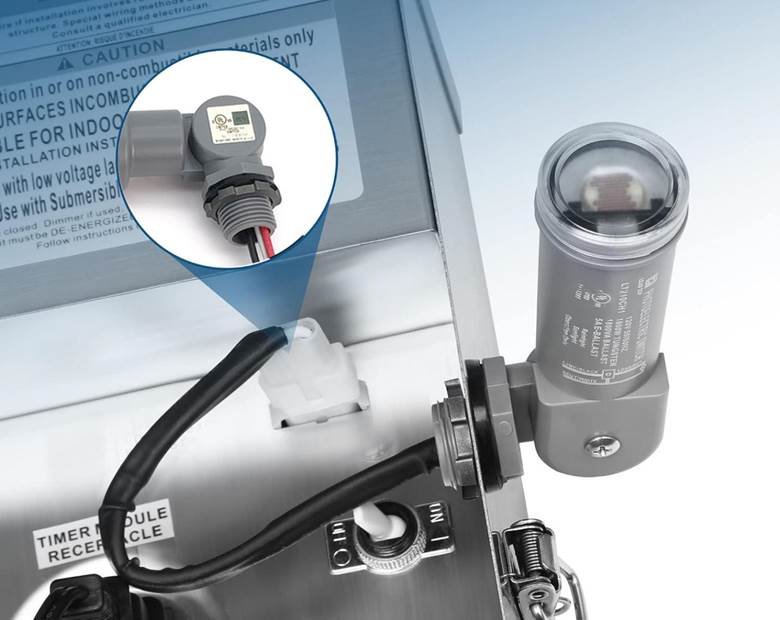
El control de vástago giratorio se basa en el concepto de ajuste controlado de un solo eje. La articulación giratoria permite que el cuerpo del sensor gire respecto a su base de montaje durante la configuración, pero no se mueva libremente durante el mantenimiento.
Este diseño garantiza que la rectificación de la orientación es posible sin generar holgura operativa. Cuando se instala correctamente, el sensor mantiene su alineación a pesar de la vibración, la carga del viento y las variaciones de temperatura.
En los diseños contemporáneos de fotocontrol térmico con cable giratorio, el mecanismo giratorio no es un complemento. Se integra directamente en la estructura de la carcasa, lo que mantiene la fiabilidad del sellado y la resistencia mecánica.
¿Qué factores determinan realmente la estabilidad en los controles fotográficos ajustables?
Desde el punto de vista de la fabricación, la estabilidad duradera en ajustable controles de fotos Se basan en tres factores interconectados: diseño de la unión, selección del material y gestión de la trayectoria de carga. En conjunto, estos elementos determinan si la ajustabilidad mejora o debilita la estabilidad.
Diseño conjunto
El diseño de la articulación define si el ajuste se mantiene fijo después de la configuración. Un mecanismo giratorio diseñado con precisión utiliza límites de rotación definidos y una resistencia controlada al movimiento. No depende de la deformación elástica ni de la presión del resorte para mantener la posición.
Las articulaciones bien diseñadas mantienen la orientación mediante geometría mecánica, en lugar de solo fricción. Esto evita la deriva continua y garantiza que el campo de visión del sensor se mantenga constante en el tiempo.
Al evaluar la durabilidad del fotocontrol ajustable, el diseño de la unión suele ser el factor más crucial.
Selección de materiales
La selección de materiales influye decisivamente en la resistencia al desgaste, la estabilidad térmica y la fiabilidad estructural a largo plazo. Los fotocontroles exteriores experimentan ciclos recurrentes de expansión y contracción debido a las variaciones de temperatura. Si los materiales no son compatibles o su robustez es insuficiente, las interfaces pueden aflojarse o deformarse.
Los diseños ajustables de alta calidad utilizan materiales especialmente seleccionados para resistir la exposición a los rayos UV, los ciclos térmicos y la tensión mecánica. Estos materiales garantizan que la interfaz giratoria mantenga su estabilidad dimensional durante toda la vida útil del sensor exterior.
Diseño de trayectoria de carga
El diseño de la trayectoria de carga garantiza que las fuerzas ambientales se transmitan a través de la carcasa en lugar de concentrarse en la interfaz ajustable. La carga del viento, la vibración y la tensión del cable no deben actuar directamente sobre el mecanismo giratorio.
Cuando las fuerzas se distribuyen correctamente, la articulación ajustable experimenta una tensión de trabajo insignificante. Esta segregación es una de las principales razones por las que los fotocontroles ajustables bien diseñados pueden mantener una constancia duradera.
Sin una administración adecuada de la trayectoria de carga, incluso una junta giratoria bien construida podría verse expuesta a una fatiga innecesaria.
¿Cómo reducen los diseños ajustables los fallos provocados por la instalación?
El comportamiento de instalación suele ser un factor inadvertido que contribuye a fallos prematuros. Los diseños fijos obligan a los instaladores a negociar la orientación durante el montaje. Esto puede provocar carcasas sometidas a tensión, cableado forzado o juntas desalineadas.
Los diseños ajustables separan la instalación mecánica de la alineación funcional. Los instaladores pueden montar el dispositivo firmemente primero y luego regular la orientación sin forzar los componentes en posiciones poco naturales.
Desde el punto de vista de confiabilidad del sistema, esto reduce los daños inducidos por la instalación y favorece una mejor durabilidad del control fotográfico ajustable.
¿Cómo funciona el? Serie LT210CH ¿Aplicar ajustabilidad controlada?
Productos como la serie LT210CH demuestran cómo se puede incorporar un ajuste controlado sin necesidad de modificar la resiliencia. Como dispositivos de fotocontrol térmico con cableado giratorio, estos productos integran el mecanismo giratorio directamente en la carcasa.
Esta incorporación conserva el sellado ecológico, la rigidez estructural y la fiabilidad eléctrica. La función ajustable no es un accesorio externo, sino una parte fundamental del diseño mecánico del producto.
Al tratar la capacidad de ajuste como una característica de ingeniería en lugar de un complemento de conveniencia, la serie LT210CH logra tanto flexibilidad como confiabilidad duradera.
¿Cuáles son las diferencias clave entre estructuras ajustables bien diseñadas y deficientes?
| Aspecto del diseño | Estructura ajustable mal diseñada | Estructura ajustable bien diseñada |
| Comportamiento conjunto | Depende de la fricción o la flexibilidad. | Utiliza geometría mecánica controlada |
| Estabilidad en el tiempo | Propenso a la deriva y al aflojamiento. | Mantiene la orientación fija |
| Rendimiento del material | Susceptible al deslizamiento y a la fatiga. | Resistente a los ciclos térmicos |
| Estrés ambiental | Cargas concentradas en la articulación | Cargas aisladas a través de la carcasa |
¿Cómo se compara la capacidad de ajuste con los diseños fijos a lo largo del ciclo de vida del producto?
| Factor de ciclo de vida | Control de fotografía fijo | Control de fotografía ajustable |
| Riesgo de instalación | Alto | Bajo |
| Corrección de orientación | No es posible | Realineación simple |
| Vida útil funcional | Limitado por el entorno | Ampliado mediante ajuste |
| Frecuencia de reemplazo | Más alto | Más bajo |
¿Cuál es la conclusión de ingeniería sobre la capacidad de ajuste y la vida útil?
La ajustabilidad no suele reducir la constancia ni acortar la vida útil del producto. Un diseño deficiente sí lo hace. Cuando la ajustabilidad se diseña como una característica controlada y aislada de la carga, mejora la usabilidad sin comprometer la permanencia.
En productos bien diseñados, la ajustabilidad aumenta la precisión de la puesta en servicio, reduce el estrés de la instalación y prolonga la vida útil. Estas ventajas contribuyen directamente a una fiabilidad duradera en entornos exteriores reales.
¿Cuál es la perspectiva de ingeniería de punta de plomo sobre la capacidad de ajuste?
En Lead-Top, la ajustabilidad se considera una característica de fiabilidad, no un complemento de conveniencia. Al incorporar mecanismos de giro controlado en productos como la serie LT210CH, permitimos una alineación precisa sin generar inestabilidad.
Esta metodología respalda un rendimiento constante, una vida útil prolongada del sensor en exteriores y un funcionamiento confiable en condiciones de estrés ecológico práctico, donde las decisiones de ingeniería son más importantes.

 Spanish
  English
  Portuguese (Brazil)
  Russian
  Dutch
Dutch  Japanese
  Portuguese (Portugal)