Los instaladores e ingenieros de iluminación exterior suelen encontrarse con estructuras flexibles por primera vez durante la selección o puesta en servicio del producto. Estas preguntas frecuentes sobre el control de vástago giratorio responden a las preguntas más comunes sobre fotocontrol ajustable relacionadas con la instalación, la durabilidad, la alineación y la durabilidad.
En lugar de centrarse únicamente en las especificaciones, esta guía aborda cuestiones aplicadas en el campo: cómo funciona el ajuste, si afecta el sellado, qué mantenimiento es obligatorio y cómo productos como el Serie LT210CH actuar con el tiempo.
¿Se puede ajustar la dirección del sensor después de la instalación?
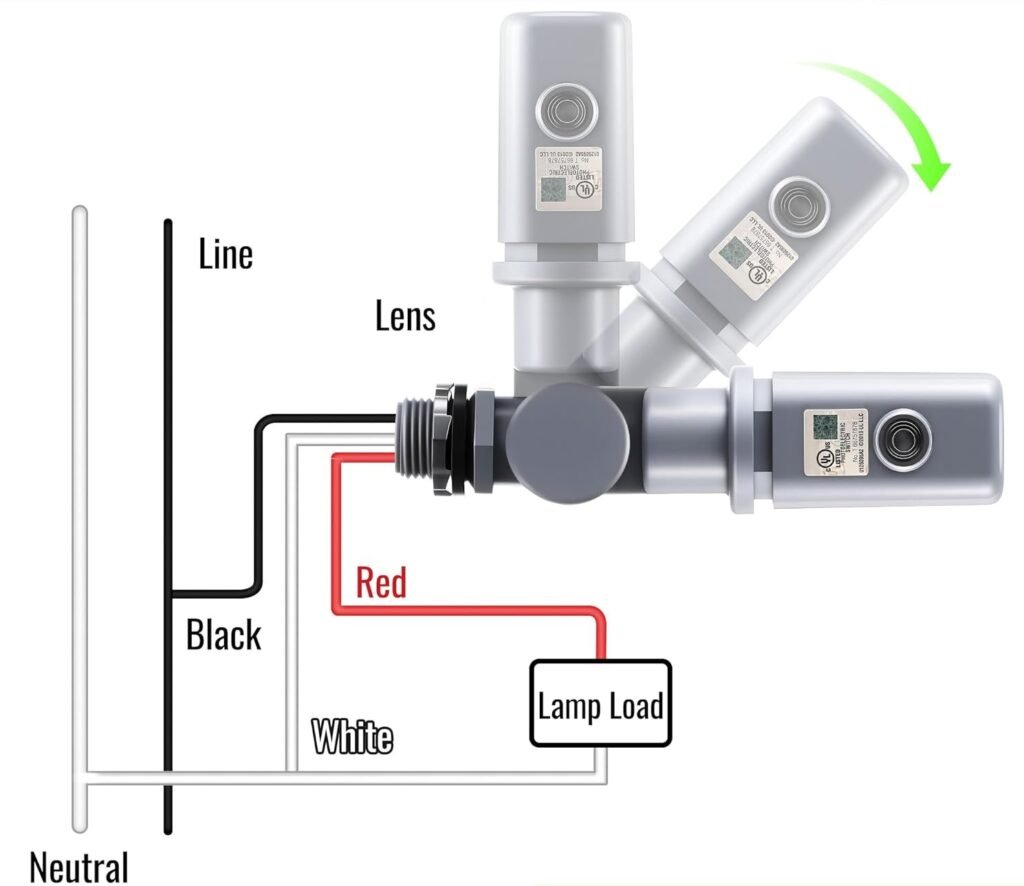
Sí, y este es el objetivo principal del Swivel Stem Control.
No como dirección fija controles de fotos, El control de vástago giratorio permite que el cuerpo del sensor gire una vez que el dispositivo esté completamente montado y cableado. Esta capacidad es fundamental para muchas cuestiones de fotocontrol ajustable, especialmente durante la puesta en servicio.
En términos reales, los instaladores pueden:
- Primero complete la instalación mecánica
- Terminar las conexiones del cableado
- Energizar el sistema
- Observar el comportamiento de conmutación en circunstancias reales
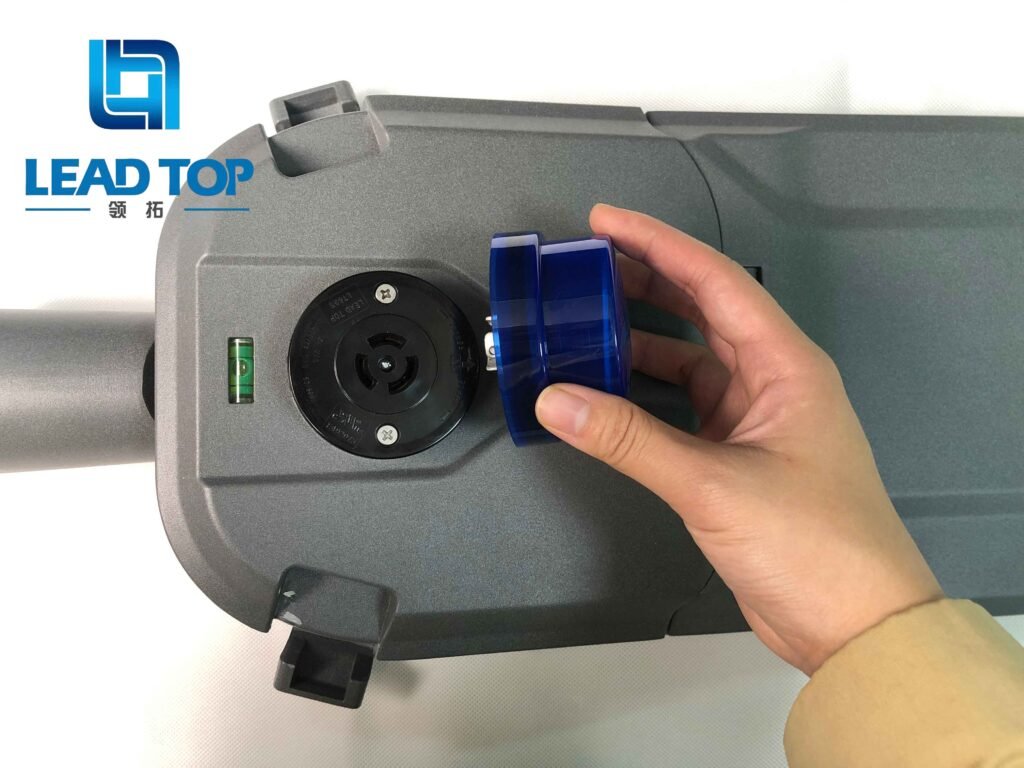
- Realice el ajuste del control fotográfico exterior sin desmontarlo
Esta separación entre el montaje y la alineación reduce considerablemente el riesgo de instalación. Si la orientación inicial provoca una conmutación prematura o un apagado tardío, la rectificación puede ocurrir al instante, sin necesidad de desmontar la unidad ni alterar el cableado.
Esta es una de las ventajas fundamentales destacadas en estas preguntas frecuentes sobre el control del vástago giratorio.
¿El ajuste posterior a la instalación afecta el sellado o la seguridad?
Una preocupación común entre los ingenieros es si el movimiento compromete la protección ecológica.
Si se diseña adecuadamente, no lo hace.
El control del vástago giratorio está diseñado para que la rotación se produzca dentro de una interfaz estructural sellada. El mecanismo de ajuste está integrado en la carcasa, lo que evita el acceso a los componentes internos.
Productos como la serie LT210CH integran este mecanismo giratorio directamente en la arquitectura de la carcasa. Como resultado, el ajuste del fotocontrol exterior se puede realizar sin:
- Apertura de la carcasa
- Exponiendo el cableado interno
- Juntas ambientales perturbadoras
- Disminución de la defensa contra la entrada
El diseño confirma que el sellado y la capacidad de ajuste coexisten en lugar de entrar en conflicto.
Esto aborda directamente una de las preguntas más recurrentes sobre control fotográfico ajustable en aplicaciones de campo.
¿Es una estructura giratoria adecuada para uso prolongado en exteriores?
Un tema principal más en este Control de vástago giratorio Las preguntas frecuentes son permanencia.
Existe la idea errónea de que cualquier componente móvil es inherentemente más débil que uno fijo. Por otro lado, la resiliencia depende de cómo se fabrica y planifica el funcionamiento del mecanismo adaptable.
El control del vástago giratorio está diseñado para:
- Ajuste de configuración organizado
- Optimización de la puesta en servicio
- Reajuste ocasional si cambian las atmósferas
No está diseñado para un movimiento continuo o dinámico durante el funcionamiento.
Una vez fraguada, la estructura permanece mecánicamente estable bajo:
- Carga de viento
- Vibración
- Ciclos de calor
- Exposición prolongada al aire libre
Los mecanismos giratorios fabricados adecuadamente mantienen la estabilidad después del ajuste, lo que significa que se conserva la confiabilidad a largo plazo.
¿Cómo se debe realizar un ajuste adecuado del control fotográfico en exteriores?
El ajuste correcto del fotocontrol en exteriores no consiste en modificar la sensibilidad eléctrica, sino en optimizar la exposición del sensor.
El sensor reacciona a la luz que recibe. Por lo tanto, su colocación precisa garantiza una conmutación correcta.
La orientación general contiene:
- Evite apuntar el sensor directamente hacia la luminaria controlada
- Minimizar la exposición a paredes, vidrios o señalización reflectantes.
- Favorecer la exposición al cielo abierto cuando sea posible
- Observar el comportamiento de conmutación en situaciones reales de amanecer y atardecer.
Los ajustes deben ser graduales. Tras cada cambio, se debe observar el rendimiento de la conmutación antes de realizar otras rectificaciones.
Surgen numerosas preguntas sobre el fotocontrol ajustable porque los instaladores asumen que el ajuste afecta los umbrales electrónicos. En realidad, la orientación determina la exposición, la cual, a su vez, determina la precisión de la conmutación.
¿El ajuste requiere herramientas especiales o equipos de calibración?
No.
El control del vástago giratorio está diseñado para un ajuste manual como parte del proceso normal. puesta en servicio procedimientos. No se requiere calibración electrónica, interfaz de programación ni herramientas especializadas.
Al eliminar la necesidad de dispositivos de calibración, el diseño reduce:
- Requisitos de formación
- Complicación en el sitio
- Tiempo de puesta en servicio
- Posibles errores de configuración
Esta facilidad de uso práctica es un tema recurrente en estas preguntas frecuentes sobre el control del vástago giratorio.
¿Qué mantenimiento se requiere para el mantenimiento del sensor del vástago giratorio?
En condiciones normales de trabajo, no es necesario realizar un mantenimiento de rutina del sensor del vástago giratorio.
Debido a que el mecanismo giratorio no está previsto para un movimiento continuo, existen:
- Sin intervalos de lubricación
- No se requieren aprietes periódicos
- No hay programas de mantenimiento mecánico
Una vez establecida la orientación, la unidad funciona como un dispositivo de control fotográfico exterior estándar.
Las consideraciones de mantenimiento generalmente surgen solo si las condiciones ecológicas cambian considerablemente, como por ejemplo:
- Instalación de nueva iluminación adyacente
- Construcción de estructuras reflectantes
- Cambios importantes en el paisajismo
En tales circunstancias, a menudo es posible restablecer el rendimiento mediante un simple reposicionamiento en lugar de un reemplazo total.
¿Hay precauciones a seguir durante el ajuste?
Sí, aunque sean sencillas.
Para mantener un equilibrio duradero:
- Regular la orientación solo después de un montaje seguro
- Evite aplicar fuerza más allá del rango de rotación diseñado
- Asegúrese de que el cableado no esté bajo tensión mecánica durante el ajuste.
- Realice los ajustes lentamente
Seguir estas pautas ayuda a mantener la confiabilidad estructural y garantiza un rendimiento confiable durante toda la vida útil del producto.
Estas instrucciones prácticas se incluyen con frecuencia en las preguntas sobre control fotográfico ajustable, especialmente durante las primeras instalaciones.
¿Cómo se compara el control del vástago giratorio con los diseños fijos?
| Característica | Control de fotografía fijo | Control de vástago giratorio |
| Ajuste posterior a la instalación | No es posible | Sí |
| Se requiere recableado para la realineación | Sí | No |
| Flexibilidad en la puesta en servicio | Limitado | Alto |
| Integridad del sellado durante el ajuste | No aplicable | Mantenido |
| Adaptabilidad al cambio ambiental | Bajo | Alto |
| Riesgo de obsolescencia funcional | Más alto | Más bajo |
¿Cuáles son las consideraciones clave de instalación y mantenimiento?
| Categoría | Recomendación | Impacto en el rendimiento |
| Montaje | Asegure la base antes del ajuste | Garantiza la estabilidad estructural |
| Orientación | Evite el deslumbramiento de las luminarias | Mejora la precisión de conmutación |
| Superficies reflectantes | Minimizar la exposición | Reduce las falsas alarmas |
| Fuerza de ajuste | Manténgase dentro del rango de rotación | Preserva la integridad mecánica |
| Cambios a largo plazo | Realinee antes de reemplazar | Extiende la vida útil funcional |
| Mantenimiento de rutina | No es necesario en condiciones normales de uso. | Reduce el coste del ciclo de vida |
Estas prácticas resumidas respaldan el mantenimiento eficaz del sensor del vástago giratorio y al mismo tiempo mantienen la confiabilidad del funcionamiento.
¿Por qué la serie LT210CH integra control de vástago giratorio?
La serie LT210CH integra el control del vástago giratorio directamente en la arquitectura de la carcasa en lugar de tratarlo como una característica adicional.
Esta incorporación garantiza:
- Constancia estructural después del ajuste
- Defensa del sellado ecológico
- Procedimientos de puesta en servicio simplificados
- Solución de problemas de campo abreviada
Al incorporar la capacidad de ajuste en el diseño del gabinete, la serie LT210CH demuestra cómo la flexibilidad organizada puede coexistir con la resiliencia.
¿Cuál es la perspectiva de Lead-Top sobre ajuste, durabilidad y mantenimiento?
En Lead-Top, el control de vástago giratorio está diseñado para simplificar la instalación real y al mismo tiempo mantener el vigor estructural.
A través de diseños como, por ejemplo, la serie LT210CH, la empresa incorpora capacidad de ajuste controlada en la arquitectura del producto sin comprometer el sellado ni la constancia mecánica.
Estas preguntas frecuentes sobre el control del vástago giratorio imitan una filosofía práctica:
- La instalación debe ser flexible
- El ajuste debería ser sencillo
- La permanencia debe permanecer sin concesiones
- El mantenimiento debe ser insignificante
Al abordar preguntas comunes sobre control fotográfico ajustable y aclarar los procedimientos adecuados de ajuste del control fotográfico en exteriores, Swivel Stem Control respalda sistemas que funcionan de manera confiable, no solo en la instalación, sino durante todo su ciclo de vida útil.
En la infraestructura exterior contemporánea, la adaptabilidad no es una comodidad añadida.
Es un requisito para el éxito duradero.
Referencias:
- https://leaditop.com/product-category/product/wire-in-controllers/swivel-stem-control/
- https://leaditop.com/product/adjustment-dusk-to-dawn-stem-photocell-sensor/
- https://leaditop.com/?s=swivel+stem+control&_gl
- https://en.wikipedia.org/wiki/Commissioning
- https://www.sciencedirect.com/topics/engineering/photocell

 Spanish
  English
  Portuguese (Brazil)
  Russian
  Dutch
Dutch  Japanese
  Portuguese (Portugal)