En todo el continente, las ciudades clasifican cada vez más el alumbrado público como infraestructura estratégica en lugar de equipamiento temporal. En metrópolis como Copenhague, Múnich, Viena y Ámsterdam, se espera que los recursos de alumbrado funcionen de forma fiable durante 10 a 20 años, con modificaciones limitadas una vez instalados.
Esta filosofía de planificación define el marco de la infraestructura de iluminación de larga duración en Europa. El rendimiento ya no se evalúa únicamente en la puesta en servicio, sino a lo largo de décadas. Como resultado, la selección de productos pasa de la "precisión inicial" a la "estabilidad duradera".“
En este ambiente, el diseño de sensores ajustables se convierte en una ventaja estratégica en lugar de una característica secundaria.
¿Cómo cambia la larga vida útil las prioridades de diseño?
Cuando se proyecta una infraestructura que perdure en el tiempo, los diseñadores no pueden asumir la estabilidad ecológica. Los entornos urbanos europeos progresan constantemente debido a:
- Reurbanización y densificación urbana
- Adición de iluminación arquitectónica y ornamental
- Cambios en los patrones de tráfico y uso del suelo
- Cambios cíclicos y variaciones climáticas prolongadas
Cada uno de estos factores influye en las condiciones de luz ambiental. Con el tiempo, los niveles de luz reflejada, el deslumbramiento de fondo y la geometría de la exposición pueden variar considerablemente.
En el marco del ciclo de vida del alumbrado exterior en Europa, este desarrollo ecológico introduce riesgos. control de fotografía que no pueden aclimatarse estructuralmente pueden seguir siendo eléctricamente útiles pero volverse ecológicamente desalineados.
Esta desalineación lenta produce una desviación del cambio (activación anticipada o tardía que no refleja la intención del diseño original).
Las estructuras adaptables abordan directamente este desafío de la vida útil.
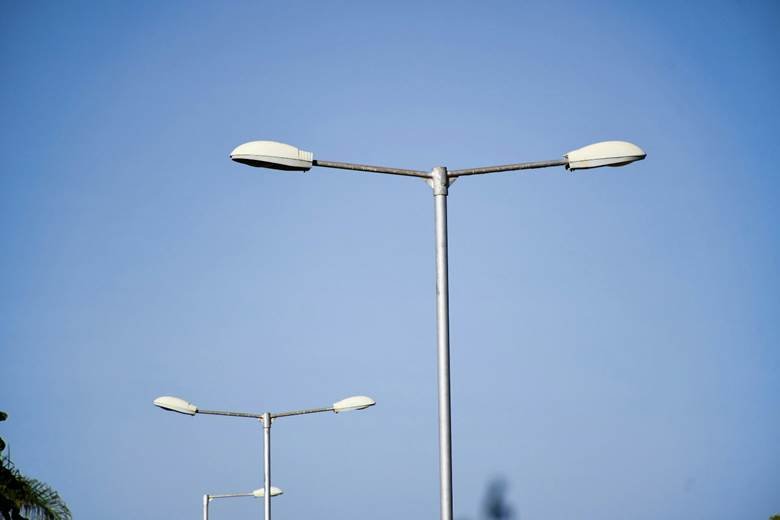
¿Por qué el diseño de sensores ajustables es una ventaja durante el ciclo de vida?
Los enfoques de infraestructura tradicionales suelen considerar la desviación del rendimiento como una señal para el reemplazo de productos. En proyectos de larga duración, este modelo se vuelve improductivo e insostenible.
Un diseño de sensor ajustable ofrece una vía diferente:
- La exposición se puede corregir mediante la reorientación.
- El hardware de montaje permanece sin cambios
- La vida útil funcional se prolonga
- Se reducen los residuos materiales
En lugar de diseñarse para un único momento de instalación, los sistemas adaptables están pensados para que su importancia siga vigente durante toda su vida útil.
Este enfoque refuerza la confiabilidad del control fotográfico UE al hacer que la confiabilidad sea sustentable en lugar de estática.
¿Cómo reduce el diseño ajustable la intervención de mantenimiento?
Las ciudades europeas buscan minimizar las intervenciones de mantenimiento debido al coste, la dificultad de gestionar el tráfico y las interrupciones al público. El acceso a las luminarias, principalmente en zonas históricas o metropolitanas densamente pobladas, puede ser difícil y costoso.
Los controles fotográficos rígidos aumentan la probabilidad de:
- Sustitución por desajuste ecológico
- Visitas de servicio repetidas
- Quejas públicas sobre los cambios erráticos
Los controles ajustables reducen estos riesgos al permitir la recalibración durante los controles planificados.
| Escenario de mantenimiento | Resultado de diseño fijo | Resultado de diseño ajustable |
| Se añadió nueva iluminación de fachada | Retraso persistente en la activación | Sensor reorientado para reducir la reflexión |
| Crecimiento de la vegetación | Sombreado parcial | Orientación ajustada |
| Reurbanización urbana | Inconsistencia de conmutación | Rendimiento restaurado |
| Mantenimiento programado | No es posible ninguna corrección | Ajuste fino preventivo |
Esta línea se alinea con las estrategias del ciclo de vida de la iluminación exterior en Europa, que priorizan la intrusión planificada sobre la respuesta reactiva.
¿Cómo el diseño de sensores ajustables respalda los objetivos de sostenibilidad?
La sostenibilidad es esencial para la política europea de infraestructuras. Prolongar la vida útil de los productos reduce directamente el impacto ecológico.
Un diseño de sensor ajustable contribuye a la sostenibilidad al:
- Disminución de la frecuencia de reemplazo
- Reducción del consumo de materias primas
- Minimizar los residuos de la eliminación temprana
- Reducción de las emisiones del transporte y la fabricación
A diferencia de agregar funciones electrónicas complejas, la capacidad de ajuste estructural preserva la función a lo largo del tiempo sin aumentar la fragilidad del sistema.
Esto fortalece los objetivos de infraestructura de iluminación de larga duración en Europa, al tiempo que apoya el aprovechamiento eficiente de los recursos.
¿Por qué la tolerancia del diseño es más valiosa que la perfección de la instalación?
Incluso la instalación más precisa no puede prever situaciones ecológicas futuras.
Los sistemas rígidos suponen:
- Atmósferas estables
- Orientación perfecta
- Exposición estable a la luz ambiental
Sin embargo, durante una vida útil de 15 a 20 años, estas suposiciones difícilmente se cumplen.
Los sistemas ajustables introducen tolerancia en la infraestructura:
- Tolerancia a la disimilitud de instalación
- Paciencia para la reurbanización metropolitana
- Tolerancia para cambios en el material reflectante
- Tolerancia para el desarrollo de estrategias de iluminación
Esta tolerancia reduce el riesgo a largo plazo y mejora la fiabilidad del fotocontrol UE.
En la planificación de la vida, la resiliencia es más práctica que la perfección.
¿Por qué LT210CH se alinea con proyectos europeos de larga duración?
El LT210CH demuestra un enfoque orientado a la vida útil.
Combina:
- Ajustabilidad estructural para una alineación ecológica continua
- Detección térmica constante para un comportamiento de conmutación regular
- Viviendas resilientes para exposición prolongada al aire libre
- Simplicidad mecánica que mejora la durabilidad
En lugar de maximizar la complejidad de las especificaciones, el fotocontrol LT210CH resalta el rendimiento mantenible.
Esta línea se ajusta estrechamente a los principios de planificación de la infraestructura de iluminación de larga duración en Europa.
Los entornos urbanos cambian lentamente, no de forma abrupta. Con el tiempo:
- Los nuevos edificios incorporan vidrio reflectante
- La iluminación arquitectónica aumenta el resplandor de fondo
- Los avances de los LED modifican la temperatura y la intensidad del color
- El follaje cambia las vías de luz
Los sistemas rígidos no se pueden ajustar sin reemplazo.
Los sistemas ajustables permiten la recalibración.
| Cambio ambiental | Impacto del sistema rígido | Respuesta del sistema ajustable |
| Aumento de la reflexión de la fachada | Conmutación retardada | Ángulo del sensor corregido |
| Conversión de LED cercana | Niveles ambientales más altos | Exposición ajustada |
| Crecimiento del dosel arbóreo | Exposición reducida a la luz | Orientación modificada |
| Cambio de uso del suelo | Activación inconsistente | Comportamiento realineado |
Esta capacidad de reacción preserva la fiabilidad del fotocontrol de la UE durante décadas.
¿Cómo apoya la personalización la planificación del ciclo de vida?
Los proyectos de infraestructura a largo plazo suelen implicar una implementación gradual a lo largo de varios años. Mantener la constancia es crucial.
Las opciones de personalización aplicadas pueden incluir:
- Colores de carcasa bien definidos para una continuidad visual
- Configuraciones de marcado para la gestión de activos
- Ajustes de tiempo de retardo configurables
- Embalaje personalizado para lanzamientos por fases
Estas opciones respaldan una planificación estructurada de la vida útil sin necesidad de un rediseño central.
La personalización garantiza la continuidad dentro de los marcos del ciclo de vida de la iluminación exterior en Europa.
¿Por qué es esencial el diseño de sensores ajustables para la infraestructura futura?
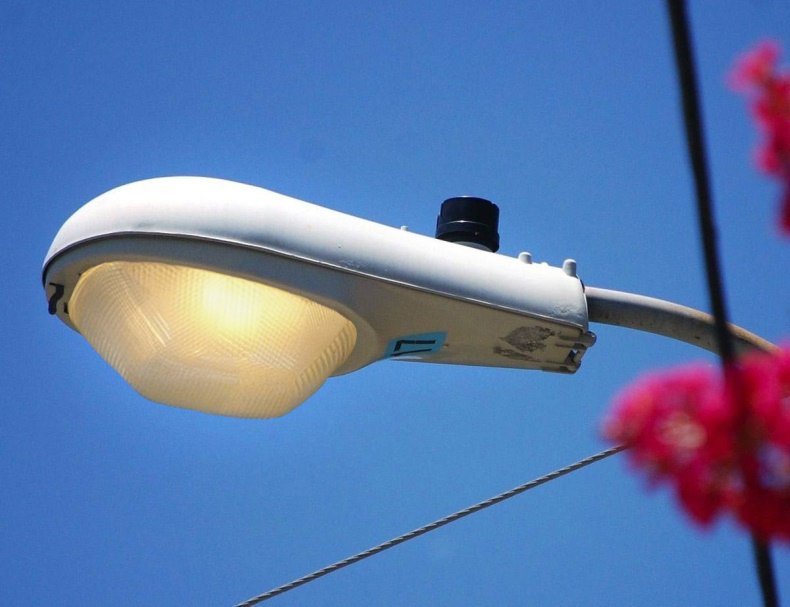
Las metrópolis europeas siguen evolucionando hacia sistemas inteligentes y adaptativos. Si bien las plataformas de gestión digital avanzan, la detección física sigue siendo fundamental.
Un fotocontrol estructuralmente flexible garantiza:
- La variación ecológica no perjudica el rendimiento
- Puesta en servicio permanece eficaz a lo largo del tiempo
- Los ciclos de reemplazo se minimizan
- La inversión en infraestructura tiene valor
En el marco de la infraestructura de iluminación de larga duración en Europa, la adaptabilidad es una protección duradera.
La precisión garantiza una conmutación precisa.
La capacidad de ajuste garantiza una relevancia constante.
Perspectiva final: ¿Cómo se benefician los proyectos de larga duración del diseño de sensores ajustables?
Los proyectos de infraestructura de larga duración exigen más que un rendimiento a corto plazo. Requieren:
- Alianza con entornos metropolitanos en desarrollo
- Costo de vida útil abreviado
- Sostenibilidad mediante una vida útil prolongada
- Rendimiento confiable a través del tiempo
Un diseño de sensor ajustable apoya directamente estos objetivos.
El LT210CH valida cómo la flexibilidad estructural, la detección constante y la construcción resistente pueden fortalecer la confiabilidad del fotocontrol en el marco más amplio del ciclo de vida de la iluminación exterior en Europa.
Solución recomendada
LT210CH – Control fotográfico térmico con cable y vástago giratorio
Fabricado para brindar confiabilidad, flexibilidad y sustentabilidad a largo plazo en la infraestructura de iluminación exterior en desarrollo de Europa.



 English
 Portuguese (Brazil)
 Spanish
 Russian
 Dutch
Dutch Japanese
 Portuguese (Portugal)