Introducción
Al igual que en regiones como el sudeste asiático, Sudamérica y partes de África, donde se observa un rápido crecimiento en el desarrollo de sus infraestructuras, los gobiernos y los proveedores privados están invirtiendo fuertemente en sistemas de control de iluminación exterior para mejorar la seguridad, la urbanización y la eficiencia energética.
Sin embargo, el mayor desafío en esta parte del mundo es el control de costos en los proyectos. En estas regiones, los presupuestos suelen estar restringidos, y los supervisores de proyectos tienen dificultades para lograr un desempeño confiable sin salirse del presupuesto limitado.
Aquí es donde el concepto de una fotocélula rentable se vuelve indispensable. Si bien puede resultar tentador elegir el producto más barato, esta táctica suele generar mayores costos a largo plazo debido a fallas recurrentes, mantenimiento y reemplazos.
Una fotocélula realmente rentable es aquella que equilibra precio, durabilidad y rendimiento, garantizando ahorros a largo plazo en lugar de un descuento temporal en el coste.
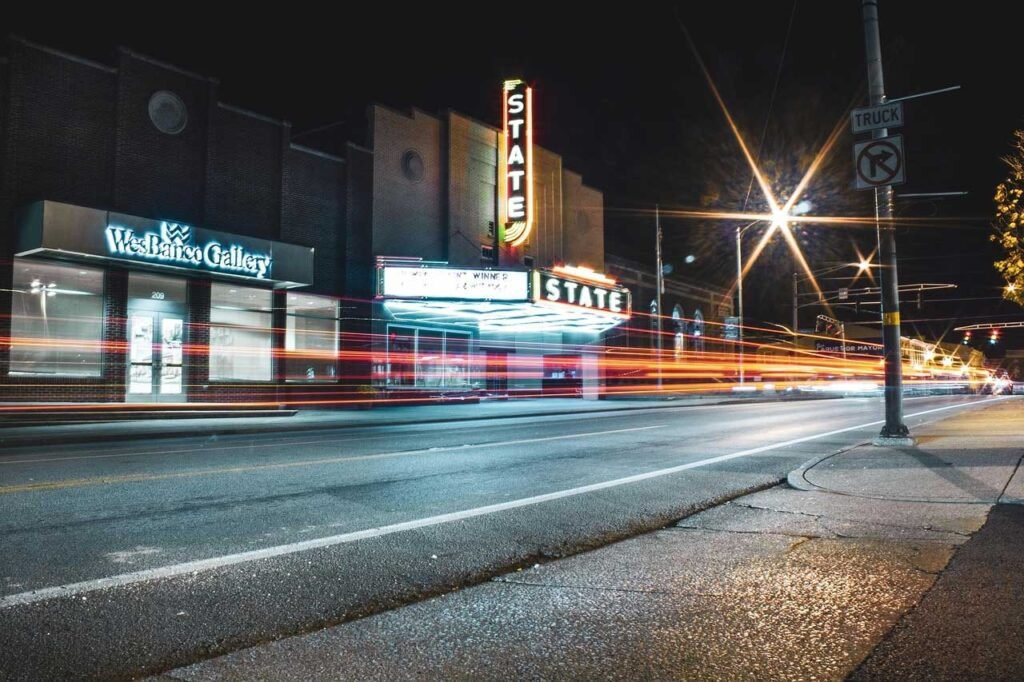
¿Qué hace que una fotocélula sea realmente rentable?
En los mercados emergentes, es un error común creer que el producto más económico es la mejor opción. En realidad, una fotocélula rentable se define por su capacidad de ofrecer un rendimiento fiable a lo largo del tiempo, minimizando al mismo tiempo los costes totales de propiedad.
Características clave de un sistema rentable Célula fotoeléctrica
Una fotocélula de alumbrado público de alta calidad debe contener:
- Funcionamiento continuo de encendido/apagado para un rendimiento fiable.
- Mayor vida útil para disminuir la frecuencia de reemplazo.
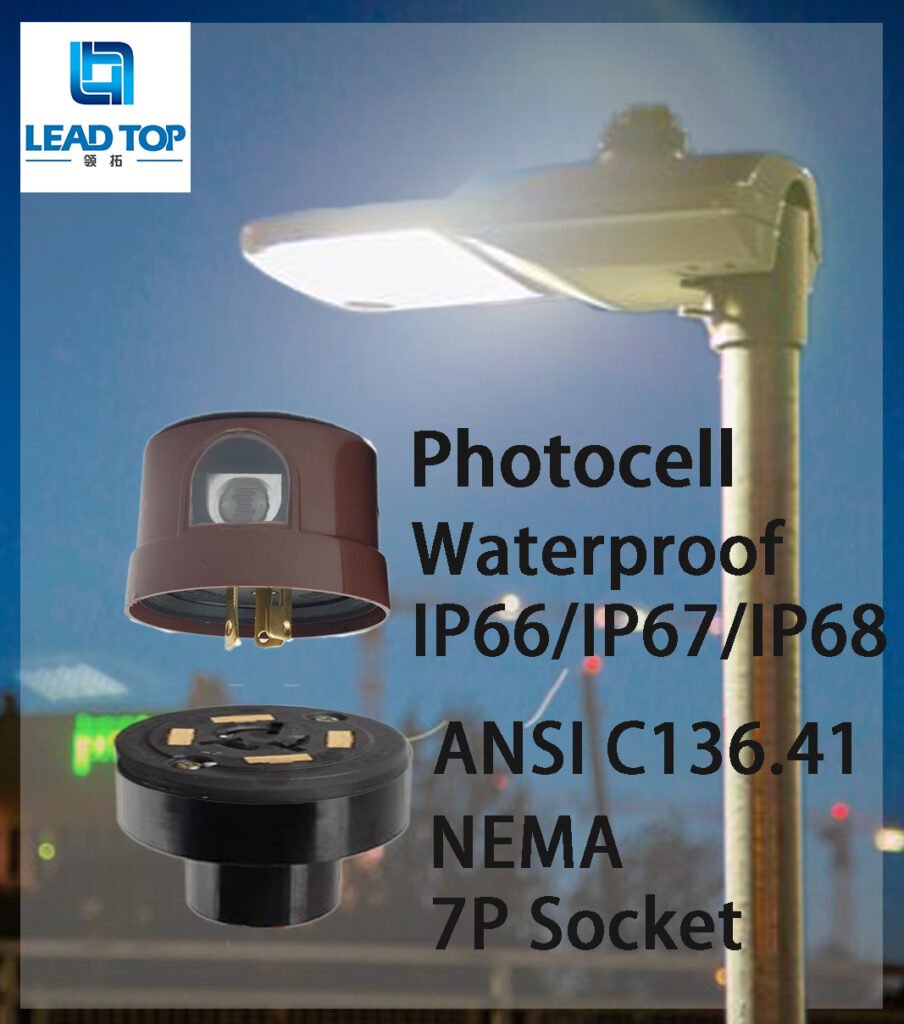
- Refuerzo impermeable básico (IP65 o superior) para uso en exteriores.
- Compatibilidad con sistemas de voltaje comunes, especialmente con modelos de fotocélulas de 220 V.
El objetivo no es el precio inicial más bajo, sino el coste total más bajo a lo largo del tiempo.
Por ejemplo, una fotocélula de bajo precio que falla con frecuencia puede requerir múltiples reemplazos, lo que aumenta los costos de mano de obra y el tiempo de inactividad. En cambio, una fotocélula un poco más cara pero de mayor duración puede reducir considerablemente los gastos de mantenimiento.
¿Por qué son populares las fotocélulas de 220 V?
La mayoría de los países en desarrollo utilizan sistemas eléctricos de 220V a 240V, lo que convierte a la fotocélula de 220V en la opción más adecuada para proyectos de iluminación.
Ventajas de usar fotocélulas de 220 V
- Fácil instalación: No es necesario realizar una conversión de voltaje.
- Amplia compatibilidad: Funciona con sistemas de alimentación estándar.
- Menor coste del producto: La producción en masa reduce los precios.
Debido a estas ventajas, las fotocélulas de 220 V se utilizan ampliamente en aplicaciones de alumbrado público en áreas en constante evolución.
Son especialmente apropiadas para proyectos de gran envergadura donde la constancia y la simplicidad son importantes.
¿Cómo se diseñan las fotocélulas para entornos adversos?
Los sistemas de iluminación exterior en los estados emergentes a menudo funcionan en entornos ecológicos difíciles. Estos incluyen:
- Temperaturas extraordinarias
- Fuertes precipitaciones
- Suciedad y contaminación
- Exposición continua al aire libre
Es necesario fabricar una fotocélula fiable y rentable que pueda soportar estas circunstancias.
Requisitos ambientales
- Temperatura de funcionamiento: -40 °C a +70 °C
- Nivel de protección: IP65 o superior
- Recubrimiento de larga duración para resistir UV y humedad
Estas características garantizan que la fotocélula funcione de manera fiable en aplicaciones de control de iluminación exterior, incluso en entornos adversos.
¿Por qué es importante la elección del proveedor en la adquisición de fotocélulas?
Seleccionar el proveedor adecuado de fotocélulas económicas es tan importante como elegir el producto correcto. Un proveedor de confianza garantiza:
- Calidad de producto confiable
- Suministro constante para pedidos al por mayor
- Precios competitivos
- Apoyo técnico
Trabajar con una fábrica de fotocélulas OEM especializada permite a los compradores personalizar los productos según las necesidades del proyecto, manteniendo al mismo tiempo la rentabilidad.
Los fabricantes que prefieren el control de plomo hacen hincapié en proporcionar soluciones que equilibren la economía y la permanencia, lo que los convierte en una opción preferida para proveedores y distribuidores en mercados emergentes.
La compatibilidad de voltaje es uno de los factores más importantes a la hora de elegir una fotocélula. Una discrepancia entre la fotocélula y la fuente de alimentación puede provocar:
- Daños en el equipo
- Competencia abreviada
- Fallos recurrentes del sistema
Al seleccionar un Fotocélula de 220 V, Los compradores se aseguran de la compatibilidad con la infraestructura local, lo que conlleva un rendimiento más estable y fiable.
Por este motivo, la mayoría de los productos de fábrica de fotocélulas OEM para mercados en evolución se fabrican en torno al estándar de 220 V.
¿Cuáles son las especificaciones clave de una fotocélula rentable?
Tabla 1: Características clave de una fotocélula rentable
| Característica | Importancia | Beneficio |
| Compatibilidad de voltaje | Alto | Evita el fallo del sistema. |
| Protección IP65 | Alto | Garantiza la permanencia en exteriores. |
| Cambio constante | Medio | Disminuye el temblor |
| Ciclo de vida largo | Alto | Disminuye los costos de mantenimiento |
Un contratista confiable contribuye al éxito del proyecto de numerosas maneras:
- Reduce el riesgo de productos defectuosos.
- Asegúrese de que la entrega sea puntual.
- Ofrece conocimientos técnicos.
- Respalda la planificación del mantenimiento a largo plazo.
Esto es especialmente importante para los proyectos integrales de fotocélulas para alumbrado público, donde la constancia y la fiabilidad son fundamentales.
Tabla 2: Impacto en el costo de las fotocélulas de alta calidad
| Factor de costo | Fotocélula de baja calidad | Fotocélula rentable |
| Costo inicial | Bajo | Moderado |
| Costo de mantenimiento | Alto | Bajo |
| Frecuencia de reemplazo | Frecuente | Extraño |
| Costo total a lo largo del tiempo | Alto | Bajo |
Para elegir la fotocélula más rentable, tenga en cuenta lo siguiente:
- Garantiza la compatibilidad con sistemas de alimentación de 220 V.
- Compruebe que tenga protección IP65 o superior.
- Validar la resiliencia y el ciclo de vida del producto.
- Seleccione un proveedor de fotocélulas económico y confiable.
- Considere los costos de mantenimiento a largo plazo.
Siguiendo estos pasos, podrá asegurarse de que su sistema de control de iluminación exterior siga siendo eficiente y rentable.
Preguntas frecuentes (FAQ)
¿Qué es más importante: el precio o la calidad?
Tanto el precio como la calidad son indispensables, pero la fiabilidad a largo plazo es más importante para reducir los costes generales.
¿Por qué se recomiendan las fotocélulas de 220 V?
Porque se ajustan a los sistemas eléctricos estándar de la mayoría de los países en desarrollo, lo que garantiza la compatibilidad y la estabilidad.
Conclusión: ¿Cuál es la mejor estrategia para seleccionar una fotocélula?
En los mercados emergentes, no basta con buscar el producto más barato. El comprador debe priorizar la elección de la fotocélula más rentable y con un rendimiento fiable a lo largo del tiempo. Si bien un producto de bajo costo puede suponer un ahorro inicial, a la larga genera mayores gastos debido a fallos recurrentes y al aumento de los costes de mantenimiento.
Una fotocélula de 220 V bien diseñada, especialmente una fabricada para entornos exigentes, puede funcionar de forma continua en condiciones adversas como calor, humedad y fluctuaciones de voltaje. Esto ayuda a reducir los costos de mantenimiento y mejora la eficiencia general del sistema.
Además, al trabajar con una fábrica de fotocélulas OEM de confianza o con un proveedor de fotocélulas económicas y de confianza, se puede obtener garantía de calidad constante del producto, mejores precios para pedidos al por mayor y un suministro fiable.
Para lograr soluciones de control de iluminación exterior duraderas, eficientes y rentables, es necesario combinar una buena calidad del producto con un proveedor de confianza.


 English
 Portuguese (Brazil)
 Spanish
 Russian
 Dutch
Dutch Japanese
 Portuguese (Portugal)