Introducción
Debido a la expansión metropolitana, la mejora de la infraestructura y la creciente demanda de seguridad pública, los sistemas de iluminación exterior en el sudeste asiático y Oriente Medio están experimentando un rápido crecimiento. Por ello, es fundamental elegir el controlador de fotocélula adecuado para garantizar un rendimiento fiable en estas zonas.
La mayoría de las repúblicas en estas áreas utilizan una fuente de alimentación de 220 V a 240 V, por lo que la fotocélula de 220 V es la opción más adecuada para proyectos de iluminación. Seleccionar el voltaje correcto no solo simplifica la instalación, sino que también reduce el riesgo de fallos en el sistema y problemas de mantenimiento a largo plazo.
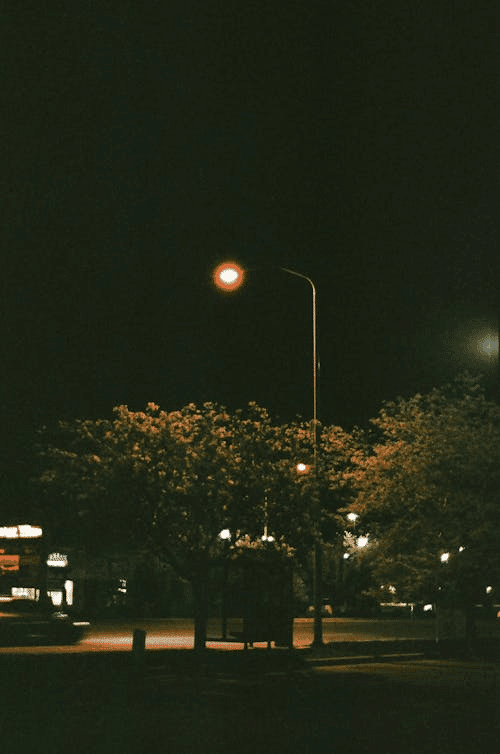
¿Por qué las células fotovoltaicas deben diseñarse para soportar el calor extremo de Oriente Medio?
En Oriente Medio, una de las mayores pruebas para los sistemas de control de iluminación exterior es el calor que amenaza la vida. A diferencia de los climas moderados, esta zona se enfrenta a temperaturas muy elevadas que pueden afectar considerablemente al rendimiento y al ciclo de vida de los aparatos eléctricos, junto con fotocélulas.
Las temperaturas exteriores en numerosos estados de Oriente Medio pueden superar los 50 °C., Especialmente durante los meses de mayor calor del verano. Además de las altas temperaturas ambientales, los equipos de iluminación suelen estar expuestos a la luz solar directa y constante durante varias horas al día. Esta exposición continua aumenta la acumulación de calor dentro de la fotocélula, lo que puede provocar variaciones en el rendimiento o incluso daños permanentes si el dispositivo no está diseñado correctamente.
Para funcionar de forma fiable en circunstancias tan extremas, un interruptor fotoeléctrico de alta calidad debe estar fabricado con una gran resistencia térmica. Por lo tanto, las fotocélulas para zonas de altas temperaturas deben ser capaces de funcionar sin problemas y ofrecer un rendimiento eficiente incluso a temperaturas de hasta +70 °C.
Por lo tanto, para tener una confiabilidad garantizada y un rendimiento duradero en el Medio Oriente, elegir un célula fotoeléctrica Es importante que esté especialmente fabricado para entornos de alta temperatura.
¿Por qué es esencial la resistencia al agua para las células fotovoltaicas en el sudeste asiático?
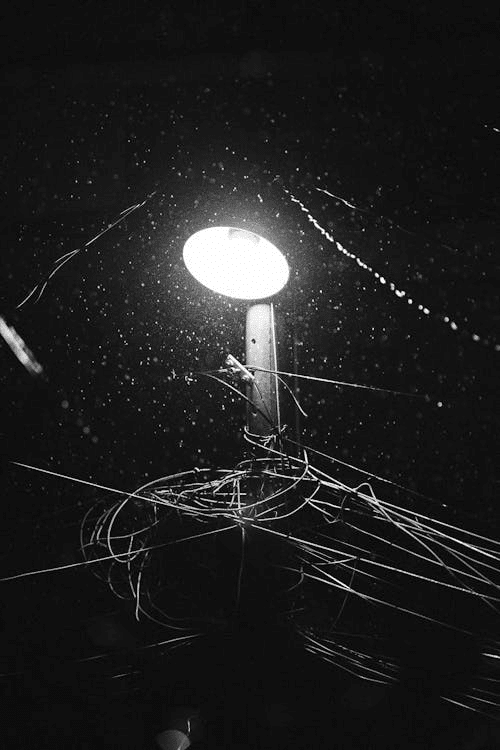
El sudeste asiático presenta un conjunto particular de desafíos ecológicos para los sistemas de control de iluminación exterior. Esta región del mundo se ve profundamente afectada por las precipitaciones constantes, la alta humedad y la exposición permanente al aire libre.
Tormentas frecuentes
Debido a las frecuentes tormentas que traen consigo fuertes lluvias y vientos, este es el problema más importante. Todos los componentes de la iluminación exterior, incluidas las fotocélulas, están continuamente expuestos al agua, lo que aumenta el riesgo de daños internos si no están debidamente protegidos.
Altos niveles de humedad
Esta zona presenta altos niveles de humedad ambiental, que superan repetidamente el 80-90% de humedad relativa. Esta humedad persistente puede infiltrarse en dispositivos mal diseñados, provocando erosión, cortocircuitos y, en última instancia, fallos en el sistema. Con el tiempo, incluso pequeñas cantidades de humedad pueden dañar los circuitos internos de una fotocélula.
Exposición continua al aire libre
Otro factor clave es la exposición continua al aire libre. Las condiciones climáticas de esta zona se mantienen húmedas durante la mayor parte del año. Por lo tanto, en estas circunstancias, las fotocélulas deben diseñarse para ofrecer una resistencia duradera en lugar de una resistencia intermitente.
Para funcionar de forma fiable en tales circunstancias, un interruptor de iluminación exterior de alta calidad debe cumplir criterios de protección específicos. Uno de los requisitos más importantes es una clasificación IP65 o superior. Esto garantiza:
- Defensa contra la entrada de polvo
- Confrontación con chorros de agua desde todas las direcciones
Para entornos aún más exigentes, clasificaciones más altas como IP66 o IP67 Ofrecen protección adicional contra lluvias intensas y exposición transitoria al agua.
Los supervisores de proyectos pueden garantizar una fiabilidad duradera, un funcionamiento constante y unos costes de mantenimiento reducidos, incluso en las condiciones climáticas adversas e impredecibles del sudeste asiático, mediante el uso de fotocélulas con un alto rendimiento de impermeabilidad.
¿Por qué el sudeste asiático y Oriente Medio prefieren las fotocélulas de 220 V?
Dado que la compatibilidad con la estructura eléctrica local es la principal preocupación, es importante seleccionar una fotocélula de 220 V.
El uso de un dispositivo con voltaje incompatible puede provocar:
- Daños eléctricos
- Representación abreviada
- Ciclo de vida del producto reducido
Un interruptor fotoeléctrico correctamente seleccionado garantiza un funcionamiento fluido y fiable desde el principio.
Principales ventajas de usar fotocélulas de 220 V
- Fácil instalación: No requiere convertidores de voltaje ni modificaciones.
- No Voltaje Desajuste: Elimina los problemas de compatibilidad.
- Menor riesgo de daños: Protege tanto la fotocélula como el sistema de iluminación.
Modelos como LT112 Están especialmente diseñados para cumplir con estos requisitos, lo que los convierte en una opción muy extendida para proyectos de control de iluminación exterior en estas zonas.
¿Por qué son importantes las soluciones fotovoltaicas rentables en las regiones en desarrollo?
El costo es un factor importante en la toma de decisiones en los mercados en desarrollo. Para lograr un desempeño confiable, los gobiernos, proveedores y distribuidores a menudo se ven obligados a trabajar dentro de sus presupuestos limitados.
Los compradores suelen buscar:
- Rendimiento fiable
- Precios razonables
- Bajos costos de mantenimiento
Esto genera una fuerte demanda de soluciones de fotocélulas rentables que ofrezcan un alto rendimiento sin exceder las limitaciones presupuestarias.
Los productores, como Lead-Top Control, hacen hincapié en lograr este equilibrio ofreciendo productos que combinan resistencia, eficiencia y precios competitivos.
Una fotocélula de 220 V de buena calidad no solo reduce los gastos iniciales, sino que también disminuye los gastos a largo plazo al reducir la frecuencia de mantenimiento y reemplazo.
¿Cómo afecta la compatibilidad de voltaje al rendimiento de la fotocélula?
La compatibilidad de voltaje es uno de los factores más importantes en cualquier guía de selección de fotocélulas. Cuando el voltaje de la fotocélula coincide con el de la fuente de alimentación, el sistema funciona de manera eficiente y segura.
Por el contrario, el uso de una fotocélula diseñada para un voltaje diferente (por ejemplo, 120 V en un sistema de 220 V) puede tener como resultado:
- Calentamiento excesivo
- catástrofe eléctrica
- Sustituciones recurrentes
Por este motivo, las fotocélulas de 220 V se consideran el estándar para las aplicaciones de fotocélulas en el alumbrado público en el sudeste asiático y Oriente Medio.
Además, los interruptores fotocontrolados modernos, como el LT112, están fabricados para soportar ligeras variaciones de voltaje, lo que garantiza un funcionamiento constante incluso en situaciones de alimentación eléctrica menos fiables.
Una fotocélula realmente rentable no solo es económica, sino que ofrece un valor duradero gracias a su rendimiento y permanencia.
Tabla 1: Características de una fotocélula rentable
| Característica | Beneficio |
| Compatibilidad de voltaje | Evita fallos del sistema |
| Vivienda duradera | Mayor esperanza de vida |
| Conmutación estable | Reduce el parpadeo |
| Protección contra sobretensiones | Protege contra picos de tensión. |
¿Cómo se comportan las células fotovoltaicas en condiciones reales?
Los sistemas de iluminación exterior en el sudeste asiático y Oriente Medio deben funcionar en entornos ecológicos y eléctricos difíciles.
1. Manejar pequeñas fluctuaciones de voltaje
La alimentación eléctrica no es constante. Un buen interruptor fotoeléctrico debe ser capaz de soportar pequeñas variaciones de voltaje sin sufrir fallos de funcionamiento.
2. Mantener un control de encendido/apagado constante.
Un funcionamiento fiable desde el anochecer hasta el amanecer es fundamental para los sistemas de fotocélulas de alumbrado público. Los dispositivos baratos pueden provocar vibraciones o retrasos en el encendido y apagado, lo que perjudica tanto la eficiencia energética como la seguridad.
3. Reducir la frecuencia de mantenimiento
Las células fotovoltaicas de alta calidad están diseñadas para funcionar durante miles de ciclos sin fallar. Esto reduce la necesidad de reemplazos frecuentes y disminuye los costos de mantenimiento.
Tabla 2: Requisitos ambientales para las células fotovoltaicas
| Condición | Especificación recomendada |
| Temperatura alta | Hasta +70 °C |
| Resistencia a la humedad | Hasta 95%+ |
| Protección contra el polvo y la lluvia | IP65 o superior |
| Constancia de voltaje | Amplio rango de tolerancia |
Preguntas frecuentes
¿Cuál es la mejor fotocélula para climas cálidos?
Una fotocélula con alta resistencia a la temperatura es perfecta para ambientes cálidos.
¿Es suficiente la certificación IP65 para uso en exteriores?
Sí, ya que la clasificación IP65 proporciona una protección aceptable contra el polvo y la precipitación para la mayoría de las aplicaciones en exteriores.
¿Por qué elegir una fotocélula de 220 V?
Porque se ajusta al suministro eléctrico estándar del sudeste asiático y Oriente Medio, lo que garantiza la compatibilidad y la fiabilidad.
¿Son fiables las fotocélulas más baratas?
Solo si cumplen con los criterios de calidad. De lo contrario, los productos de bajo costo pueden generar mayores costos de mantenimiento y reemplazo.
Conclusión: ¿Por qué las fotocélulas de 220 V son la mejor opción para estos mercados?
El sudeste asiático y Oriente Medio necesitan controladores de fotocélulas que puedan hacer frente a situaciones ecológicas difíciles, a la variabilidad del voltaje y a las limitaciones de costes.
La fotocélula de 220 V, en concreto los modelos como el LT112, es la solución perfecta porque se adapta a los sistemas de alimentación locales a la vez que ofrece un rendimiento fiable y una vida útil prolongada.
Al seleccionar una fotocélula rentable que cumpla con los criterios de calidad, los compradores pueden reducir los gastos de mantenimiento, mejorar la fiabilidad del sistema y garantizar el éxito a largo plazo en los proyectos de control de iluminación exterior.
Al trabajar con productores expertos como Lead-Top Control, asegúrese de obtener productos que equilibren el rendimiento, la asequibilidad y la durabilidad, factores clave para el éxito en estos mercados exigentes.
Referencias:
- https://leaditop.com/product/ul-approved-photoelectric-sensor-dusk-to-dawn-photocell-light/?_gl
- https://leaditop.com/product-2/
- https://leaditop.com/ip65-vs-ip66-vs-ip67-what-waterproof-rating-do-you-really-need-for-wire-in-photocells/
- https://en.wikipedia.org/wiki/Voltage
- https://www.sciencedirect.com/topics/engineering/photocell


 English
 Portuguese (Brazil)
 Spanish
 Russian
 Dutch
Dutch Japanese
 Portuguese (Portugal)