Introducción: ¿Por qué es fundamental una cadena de suministro estable de fotocélulas para su negocio de iluminación?
En el competitivo sector de la iluminación actual, contar con una cadena de suministro de fotocélulas sólida y fiable ya no es una opción, sino un requisito indispensable para el éxito a largo plazo. Los fabricantes, proveedores y contratistas de iluminación dependen en gran medida de la disponibilidad fiable de componentes para cumplir con los plazos de los proyectos y mantener la calidad del producto.
Una sola interrupción en el proceso de gestión de la cadena de suministro de iluminación puede provocar retrasos en las entregas, aumento de costes y clientes insatisfechos. Mientras tanto fotocélulas Son componentes pequeños pero cruciales en los sistemas de iluminación exterior, e incluso problemas de suministro insignificantes pueden influir en proyectos enteros.
Para las empresas que aspiran a expandirse internacionalmente, construir una cadena de suministro sólida es una de las decisiones más estratégicas que pueden tomar.
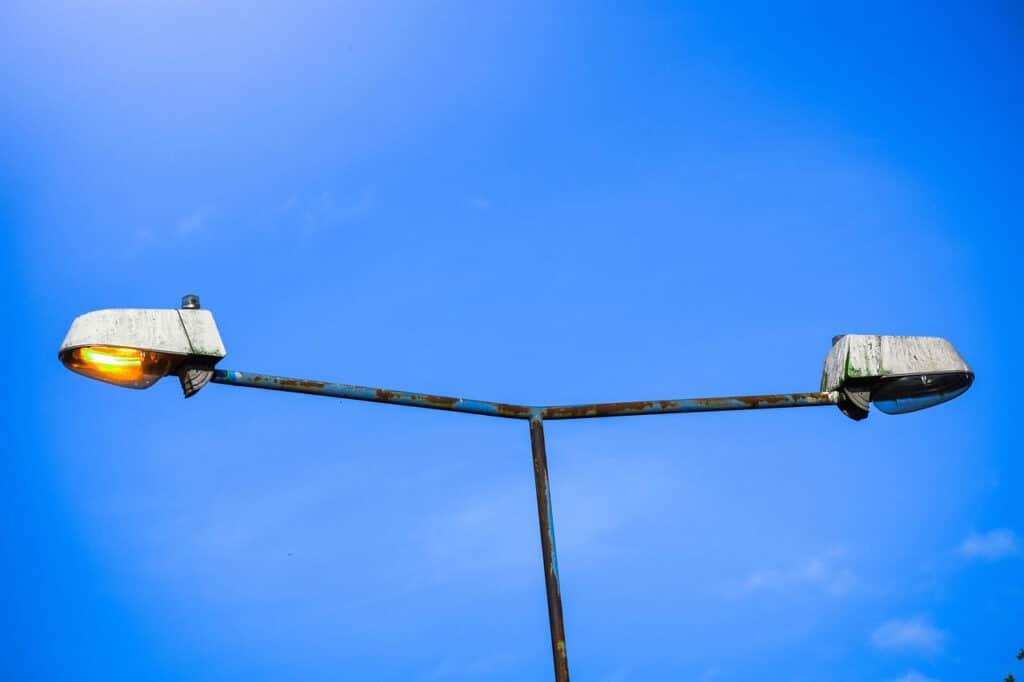
¿Cuáles son los riesgos más comunes en las cadenas de suministro de fotocélulas?
Comprender los riesgos es el primer paso para conformar un sistema sólido. Numerosas empresas subestiman estos desafíos hasta que experimentan interrupciones operativas reales.
1. ¿Por qué es peligroso depender de un único proveedor?
Depender de un único proveedor puede parecer ventajoso al principio, pero genera una situación de alto riesgo. Si ese proveedor enfrenta problemas de producción, incertidumbre financiera o interrupciones logísticas, todo su negocio puede verse afectado.
Una estrategia débil de proveedores OEM que dependa de una sola fuente puede provocar escasez inesperada de existencias e incumplimiento de los plazos de entrega de los proyectos.
2. ¿Cómo afecta la inconsistencia en la calidad a su negocio?
Otro problema importante en la cadena de suministro de fotocélulas es la variación en la calidad del producto entre los diferentes lotes.
Algunos proveedores presentan inicialmente muestras de alta calidad, pero no mantienen los mismos estándares durante la producción en masa. Esto conlleva a:
- Tasas de fallos amplificadas
- Quejas de los clientes
- Mayores costos de mantenimiento
Mantener la constancia es un principio fundamental para una gestión eficiente de la cadena de suministro de iluminación.
3. ¿Por qué se producen con frecuencia retrasos en las entregas?
En el abastecimiento internacional, el problema más común y molesto son los retrasos en las entregas. Estos retrasos pueden deberse a:
- Mala planificación de la producción
- Falta de materias primas
- interrupciones en los envíos
- Comunicación ineficaz
Al carecer de un proveedor fiable y estable en China, las empresas a menudo tienen dificultades para cumplir con los plazos previstos.
¿Cómo se puede construir una cadena de suministro de fotocélulas estable?
Para formar una cadena de suministro sólida, es imprescindible adoptar un enfoque estratégico en lugar de una actitud reactiva a la hora de resolver problemas.
¿Por qué debería utilizar una estrategia de doble proveedor?
Uno de los métodos más eficaces para reducir el riesgo es aplicar una estrategia de doble proveedor.
¿Qué es una estrategia de doble proveedor?
Este método implica trabajar con al menos dos proveedores cualificados para el mismo producto.
¿Cuáles son los beneficios?
- Dependencia reducida de una sola fuente
- Suministro de respaldo en caso de interrupciones
- Mayor poder de negociación
Una idea bien pensada Fabricante de equipos originales (OEM) Una estrategia de proveedores garantiza que su negocio siga funcionando de manera eficiente incluso si un proveedor falla.
¿Cómo mejoran los componentes estandarizados la estabilidad del suministro?
La estandarización es otro factor importante en la gestión de la cadena de suministro de iluminación.
¿Por qué es importante la estandarización?
Usando fotocélula estandarizada Las especificaciones le permiten:
- Cambiar de proveedores es más sencillo
- Reducir los problemas de compatibilidad
- Optimizar la gestión de inventario
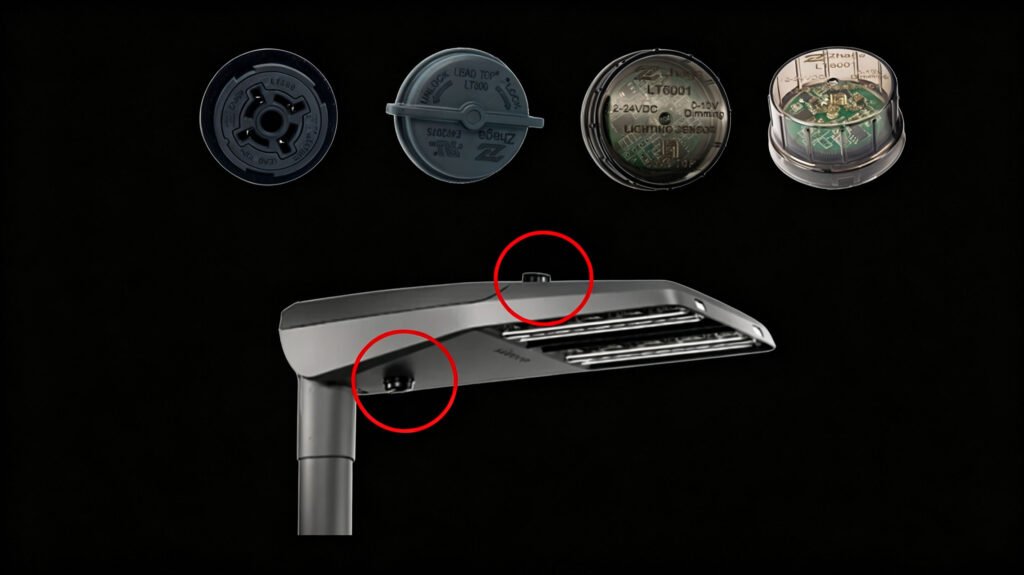
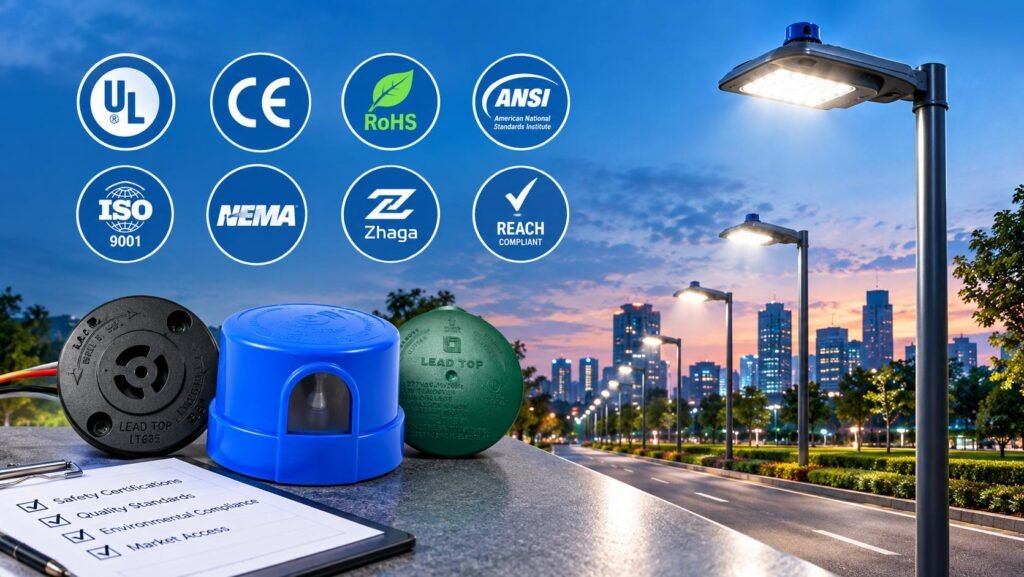
Por ejemplo, seleccionar rangos de voltaje y estándares de interfaz ampliamente reconocidos (como NEMA o Zhaga) aumenta la trazabilidad en toda su cadena de suministro de fotocélulas.
¿Por qué son esenciales las pruebas previas al envío?
Un aspecto que los compradores a veces pasan por alto son las pruebas previas al envío.
¿Qué incluyen las pruebas previas al envío?
- Pruebas funcionales (rendimiento de encendido/apagado)
- Comprobaciones de compatibilidad de voltaje
- Pruebas de resiliencia ecológica
¿Cuáles son los beneficios?
- Detección oportuna de fallos
- Riesgo reducido de fallo del lote
- Mayor satisfacción del cliente
Una de las medidas que puede garantizar una calidad de producto fiable antes de que los productos lleguen a sus clientes es integrar las pruebas en la gestión de su cadena de suministro de iluminación.
¿Cuáles son los beneficios de la cooperación a largo plazo con los proveedores?
Establecer relaciones duraderas con los proveedores ofrece beneficios que van más allá de las transacciones básicas.
¿Cómo mejora la cooperación a largo plazo los precios?
Los proveedores siempre prefieren ofrecer precios competitivos a sus socios a largo plazo.
Con una cadena de suministro estable de fotocélulas, puede hablar de:
- Mejores precios unitarios
- Condiciones de pago flexibles
- Gastos logísticos abreviados
¿Por qué los socios de larga data tienen prioridad en la producción?
Durante las temporadas altas, las fábricas suelen seleccionar clientes de confianza.
Un proveedor fiable y estable de China asignará capacidad de producción para garantizar que sus pedidos se entreguen a tiempo, incluso durante los períodos de alta demanda.
¿Cómo mejora la comunicación la cooperación a largo plazo?
La comunicación eficaz es fundamental en la contratación internacional.
Trabajar con el mismo proveedor durante un período prolongado conlleva a:
- Tiempos de reacción más rápidos
- Mejor comprensión de sus requisitos
- Malinterpretaciones menos frecuentes
Esto refuerza su estrategia general de proveedores OEM.
¿Cómo contribuye Lead-Top a una cadena de suministro estable?

Seleccionar al socio adecuado es fundamental para lograr la estabilidad de la cadena de suministro.
Lead-Top ofrece numerosos beneficios que se alinean con las buenas prácticas de gestión de la cadena de suministro de iluminación:
1. Producción constante
Un estricto control de calidad garantiza un rendimiento constante en todos los lotes.
2. Flexibilidad del fabricante de equipos originales (OEM)
Las especificaciones personalizadas, la creación de marcas y el soporte de embalaje ayudan a las empresas a adaptarse a diferentes mercados.
3. Entrega confiable
Una planificación de producción y una logística eficientes garantizan envíos puntuales.
Estas capacidades convierten a Lead-Top en un proveedor fiable y estable de China para compradores internacionales.
¿Cuáles son las mejores prácticas para gestionar una cadena de suministro de fotocélulas?
Tabla 1: Riesgos comunes en la cadena de suministro frente a soluciones
| Riesgo | Impacto | Solución |
| Dependencia de un único proveedor | interrupción del suministro | Estrategia de doble proveedor |
| inconsistencia en la calidad | quejas de los clientes | Pruebas previas al envío |
| retrasos en la entrega | Retrasos en el proyecto | Selección de proveedores fiables |
| Mala comunicación | Errores y malentendidos | Cooperación a largo plazo |
¿Cuáles son los elementos clave de una estrategia sólida de cadena de suministro?
Tabla 2: Estrategias clave para la estabilidad de la cadena de suministro
| Estrategia | Beneficio | Método de implementación |
| Estrategia de doble proveedor | Reducción de riesgos | Trabajar con múltiples proveedores |
| Componentes estandarizados | Flexibilidad | Utilice especificaciones comunes |
| Pruebas previas al envío | Seguro de calidad | Prueba antes de la entrega |
| Cooperación a largo plazo | Mejora de costes y eficiencia | Establecer alianzas con proveedores |
Preguntas frecuentes (FAQ)
¿Debería tener varios proveedores?
Sí. Para reducir el riesgo y garantizar la durabilidad en su cadena de suministro de fotocélulas, una metodología de doble proveedor es eficaz.
¿Cómo puedo garantizar una calidad constante?
Implementar procedimientos de prueba rigurosos y trabajar con proveedores cualificados que sigan prácticas sólidas de gestión de la cadena de suministro de iluminación.
¿Cuál es la mejor estrategia de cantidad mínima de pedido (MOQ)?
Empiece con pedidos de prueba pequeños para evaluar la calidad y, a partir de ahí, aumente la producción gradualmente en función del rendimiento.
Conclusión: ¿Cómo puede una cadena de suministro estable impulsar el crecimiento empresarial?
Una cadena de suministro de fotocélulas sólida y confiable es la base de un negocio de iluminación exitoso. Las empresas pueden mejorar significativamente la eficiencia operativa y lograr la satisfacción del cliente al abordar riesgos como la dependencia de proveedores, la irregularidad en la calidad y los retrasos en las entregas.
Para lograr la estabilidad, la aplicación de una estrategia inteligente de proveedores OEM, centrándose en componentes estandarizados y formando alianzas a largo plazo, son pasos fundamentales.
La ventaja de trabajar con un proveedor fiable y estable en China como Lead-Top es la garantía de una calidad fiable, una entrega puntual y un soporte flexible para los mercados globales.
Llamada a la acción:
Si alguien desea fortalecer la gestión de su cadena de suministro de iluminación y lograr un crecimiento seguro y duradero, asóciese con Lead-Top para obtener soluciones de fotocélulas fiables y de alta calidad, hechas a medida para las necesidades de su negocio.



 English
 Portuguese (Brazil)
 Spanish
 Russian
 Dutch
Dutch Japanese
 Portuguese (Portugal)