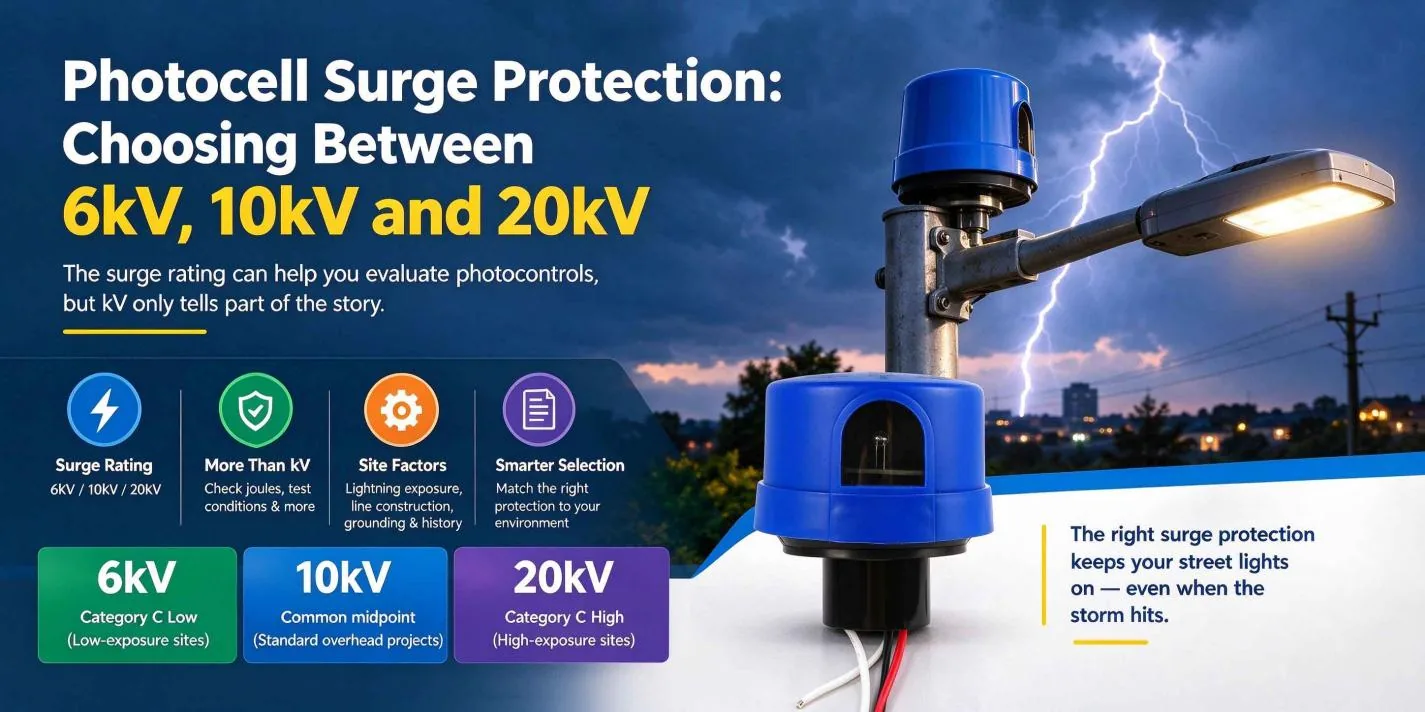
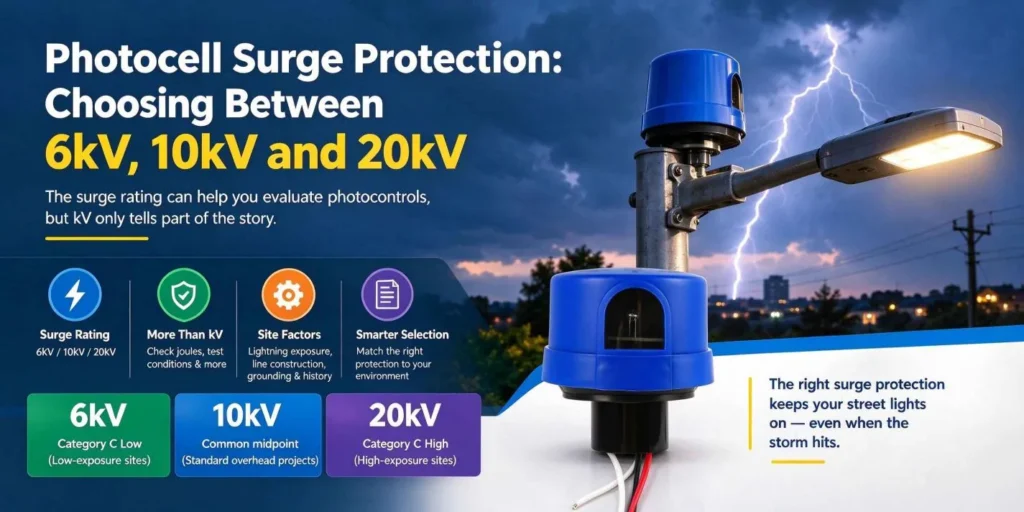
The surge rating can help you evaluate fotocontroles, but kV only tells part of the story. Two photocontrols with identical kV ratings will perform totally differently several storm years later.
This article provides information on the significance of the rating, other features to look for on a datasheet, and how to select photocell surge protection.
What Causes Surge Damage to Photocells?
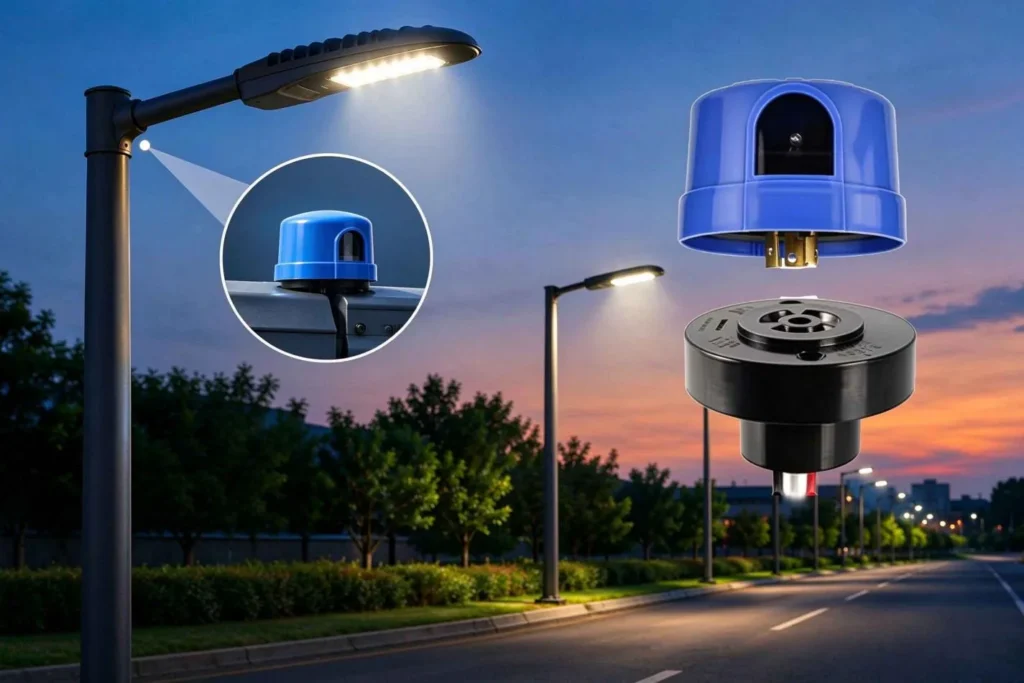
El sensor de luz is located at the end of the line, most probably on top of a pole. This positioning exposes the controlador de alumbrado público to all interference present on the line.
Common surge sources include:
- Direct lightning on overhead lines
A strike on a bare conductor sends a large transient down the line.
- Nearby strikes
It is not necessary for the strike to occur on the line. Very high electromagnetic forces can cause voltage surges in cables miles away from the strike.
- Switching events
Utility switching and large motor loads create smaller but repeated transients.
Photocells mounted on exposed overhead lines are subjected to a great deal of strain compared to those on protected or buried cables. Poor grounding makes this worse. Surge protection for street lights should therefore start with the site, not just the product label.
What Do 6kV, 10kV, and 20kV Ratings Mean?
These three tiers are not marketing categories. They come from standard combination test settings. They map to the IEEE C62.41.2 location categories.
| Clasificación | Test current | IEEE C62.41.2 class | Typical use |
| 6kV | 3kA | Category C Low | Low-exposure sites |
| 10kV | 5kA | Common midpoint | Standard overhead projects |
| 20kV | 10kA | Category C High | High-exposure sites |
One fact keeps the 6kV vs 10kV vs 20kV photocell comparison honest. These tests use a 2 Ω source impedance, so voltage and current are linked by I = V/Z. A 20kV rating and a 10kA rating are the same test, not two independent specs.
That leads to two practical conclusions:
- Compare tiers by the environment class they represent. A higher tier means a harsher test environment.
- The only independent number left is the MOV’s joule rating. That is covered in the next section.
An honest limit
A test rating is not a guarantee against every field surge. It describes the conditions the unit was tested under, nothing more.
What to Check on the Datasheet Beyond the kV Rating?
When you compare a sensor de alumbrado público surge rating across suppliers, look at these datasheet items. Site conditions come in the next section.
Joule Capacity (MOV Energy)
El fotocélula de control de luz MOV joules figure is what actually predicts service life in high-flash areas. The MOV absorbs surge energy, and each surge uses up a little of its capacity. Two units with the same kV rating can differ threefold in lifetime if their joule ratings differ.
Test Conditions
A joule or kV figure means little without its test conditions. Check:
- Waveform (from 1.2/50 µs to 8/20 µs)
- Source impedance
- Number of pulses applied
- Whether the joule figure is per MOV or for the whole assembly
- Fail Mode and Thermal Disconnect
Every MOV wears out eventually. The datasheet should state what happens at end of life:
| Fail mode | What the lamp does | Practical effect |
| Fallo activado | Stays lit during the day | Wasted energy, but easy to spot |
| Fallo-OFF | Stays dark at night | Safety concern, harder to detect |
Ask whether a thermal disconnect is fitted, since it limits overheating when the MOV degrades.
Temperature Derating
Energy capability falls as ambient temperature rises. A pole-top enclosure in summer is not a 25°C lab. Check whether the stated figures are valid at your site’s real operating temperature.
How to Choose a Lightning Control Surge Rating?
Site factors decide the right tier. Review these four inputs:
- Lightning exposure
Check thunderstorm days per year for the region.
- Line construction
Bare overhead lines face more risk than shielded or underground cables.
- Grounding quality
Poor earthing leaves more surge energy at the photocell.
- Past failure history
This overrides the map. If photocells keep failing at a site, the site is high-exposure, whatever the statistics say.
Rule of Thumb
| Site profile | Suggested class |
| Low exposure, good grounding | 6kV |
| Standard overhead export projects | 10kV |
| High-exposure or repeat-failure sites | 20kV |
For joules, a low flashover, well-earthed network is okay with 200 – 475J. Bare overhead lines in lightning-prone areas require at least 950J.
In cases where there is a lot of doubt, it would be best to consult the supplier on what the test requires. It should not be solely based on the kV rating.
Recomendación de producto
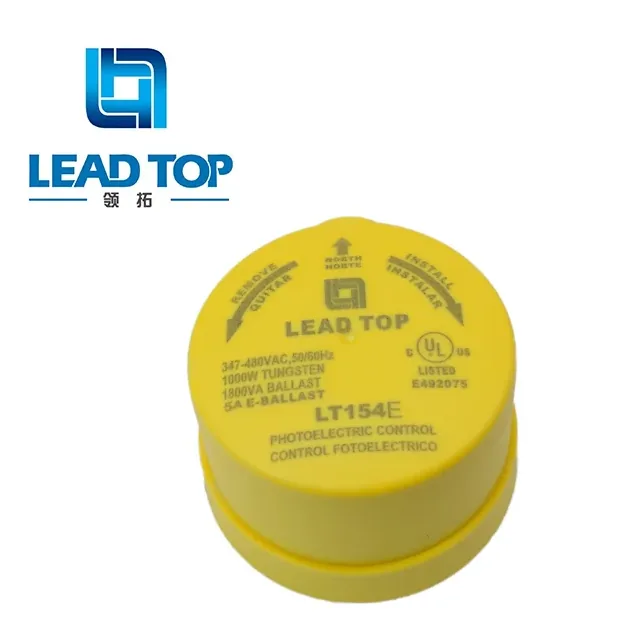
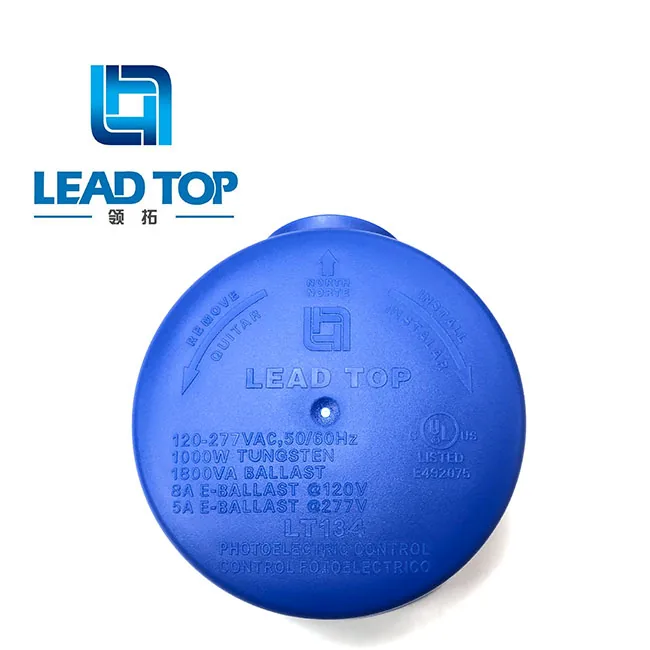
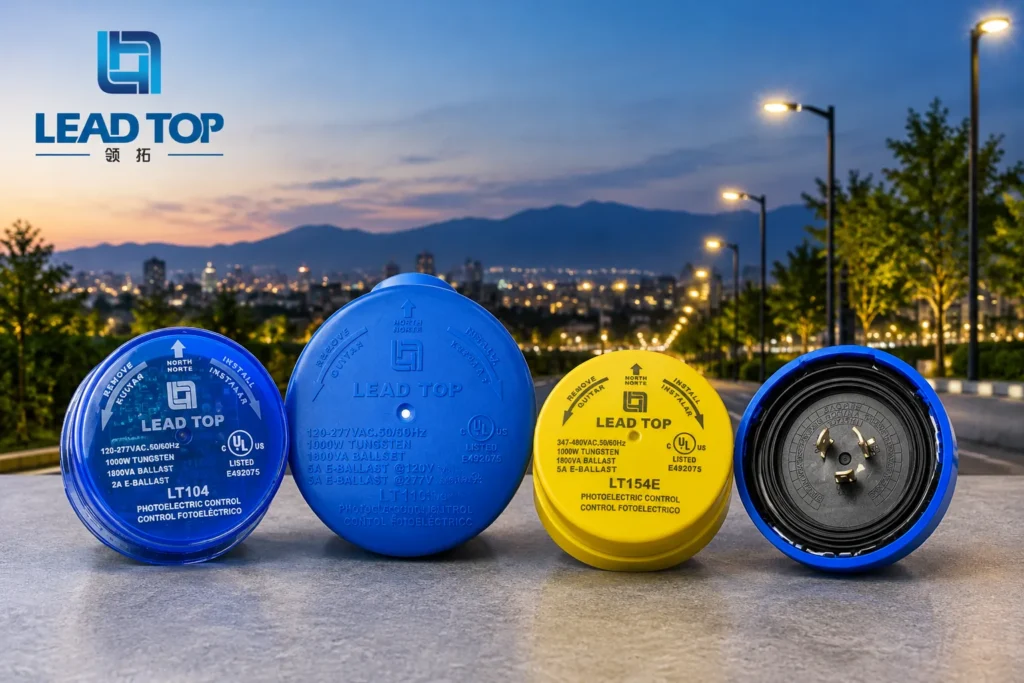
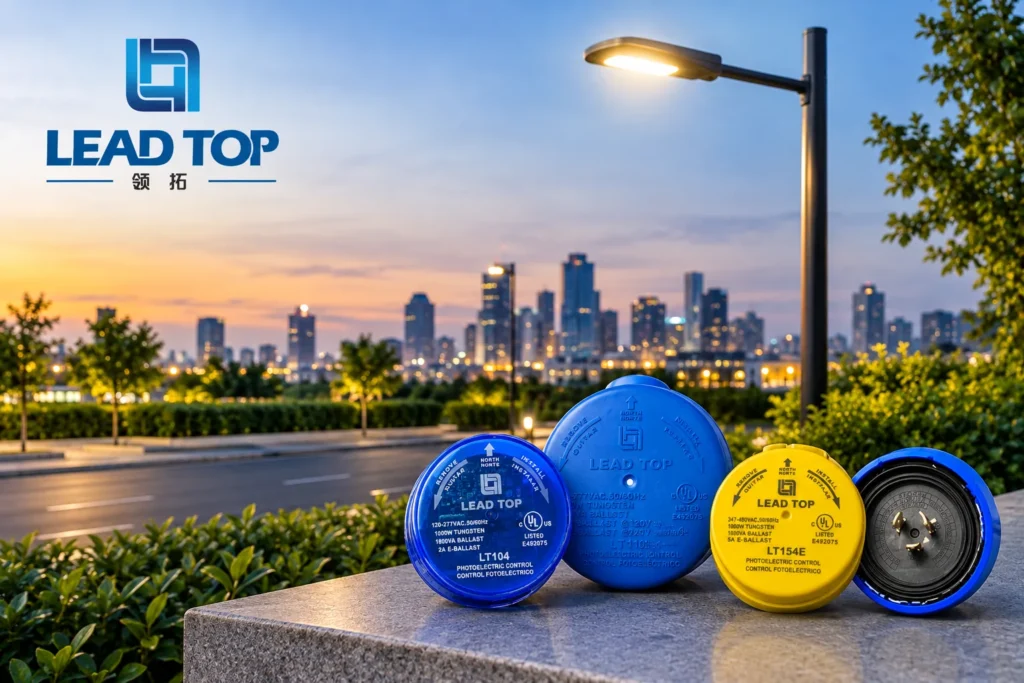
Cierre giratorio fotocontroles, such as LT134 y LT154 from Lead-Top, can be used in outdoor lighting projects. The appropriate photocontrol should be matched with its:
- Solicitud
- Current surge
- MOV specifications
Lead-Top also offers wire-in controls and related bases for street, road, parking-lot, and landscape lighting.
Preguntas frecuentes
What does 20kV mean on a interruptor de fotocélula?
It is the open-circuit voltage setting of a standard combination-wave test at 2 Ω source impedance. The same test defines a 10kA short-circuit current and corresponds to IEEE C62.41.2 Category C High. It describes the test condition, not a guarantee against every field strike.
Is a higher kV rating always better?
No. A higher tier only means the unit was tested against a harsher environment class. Field service life is driven mainly by the MOV’s joule rating, so compare energy capacity alongside kV.
How many joules should a photocell have?
- For low-flash
Well-earthed networks around 200–475J is normally sufficient.
- For bare overhead lines
In high-lightning regions, specify 950J or more.
The joule budget determines how many storm seasons the unit survives.
Does a surge-rated photocell replace a separate surge protective device?
No. The photocontrol protects itself and its local circuit. It is the last device in the chain, so panel-level SPDs and proper pole earthing still do the primary work.
How do I choose a photocell for a high-lightning area?
Revisar:
- Local thunderstorm-day data
- Line construction
- Grounding resistance
- Your own failure history with the supplier
Palabras finales
Choosing lightning protection for a photocell means looking past the kV label. Use the rating to match the environment class. Then compare:
- Joule capacity
- Test conditions
- Fail mode
- Temperature derating
Let site exposure and failure history decide the final tier. Share your project conditions, including flash exposure, line type, and any past failures, and ask Punta de plomo to recommend a suitable photocontrol. Our team will come back with a model recommendation and the supporting test data.

 English
 Portuguese (Brazil)
 Spanish
 Russian
 Dutch
 Japanese
 Portuguese (Portugal)