導入
スペインのサン・ジョアン市は、リアルタイムの交通量や歩行者の動きに基づいて明るさを自動的に調整する適応型街路灯を導入することで、公共照明をさらに進化させている。これらの街路灯は、近くを歩く人々の動きに反応する。もはや、一定の明るさで点灯する街路灯は存在しない。.
このプロジェクトは、より大きな潮流の一部です。世界中の都市が、基本的なLED照明への交換から脱却しつつあります。今求められているのは、スマートな街路照明です。スマートシステムは、単に電力を節約するだけでなく、道路の安全性を向上させ、エネルギー消費量を削減し、将来のスマートインフラ整備に向けて都市を準備します。.
この記事では、LEDだけでは現状では不十分な理由を考察します。適応型街路照明の仕組み、その背後にあるハードウェア、そしてコネクテッド照明の今後の展望についても解説します。.
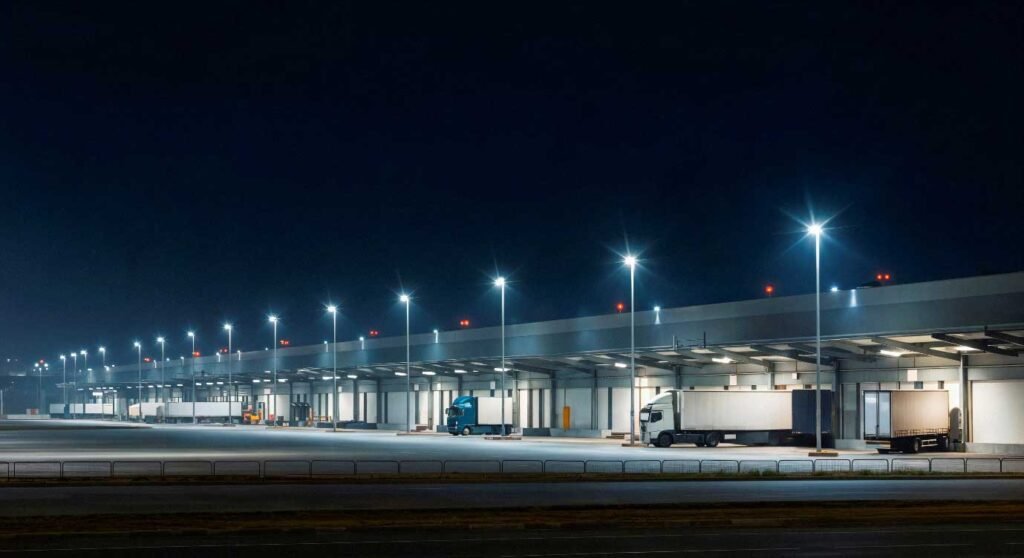
1. LEDへのアップグレードだけではもはや不十分な理由
ほとんどの都市は数年前にすでにLEDに切り替えている。古いナトリウムランプや水銀ランプはほとんど姿を消した。その作業は完了した。.
しかし、新たな課題が浮上した。LEDだけではもはやゴールではない。真の課題は、インテリジェント制御、リモート管理、適応型運用を通じて、照明資産の価値をいかに最大限に高めるかということだ。.
つまり、スマート照明制御を導入するということです。遠隔管理が可能になり、スタッフは毎回現場に出向くことなく照明の状態を確認できるようになり、タイマーだけでなく実際の状況に応じて照明が反応するようになります。.
都市 導かれた 電球は増えたが、スマートレイヤーがないと何かが欠けている。確かに電球の消費電力は減る。しかし、調光スケジュールやセンサーデータがなければ、システムは依然として旧来の方法で動作する。.
真のコスト削減効果は、改修工事中ではなく、工事後に実現します。インテリジェント照明制御は次のステップであり、既存のLED照明を基盤として構築されます。.
2.適応型照明が公共照明を再定義する
昔の街灯は、たった一つのシンプルなルールに従っていた。夕暮れ時に点灯し、夜明けに消灯する。人通りの多い通りでも、閑散とした通りでも、すべての街灯は一晩中フルパワーで点灯する。.
適応型街路照明は仕組みが異なり、交通量、歩行者の活動、予定されているイベントなどに応じて明るさを調整します。つまり、屋外で実際に何が起こっているかを把握しているのです。.
それに基づいて調整されます。交通量の多い時間帯は安全のために明るく点灯し、静かな時間帯、例えば午前3時の路地裏などでは明るさが落とされます。.
これによりエネルギーの無駄が削減されます。また、人々が最も必要とする時間帯に道路を明るく照らすことができます。このようなバランスは、従来の夜間自動点灯システムでは実現が難しいものです。.
サン・ジョアンのプロジェクトは、この考え方を具体的に示している。そこの街灯はもはや一定の明るさで点灯するのではなく、人々の活動レベルに応じて点灯する。これが、適応型街路照明の核心的な考え方だ。.
3. スマート対応コンポーネントは、インテリジェント照明の基盤となる
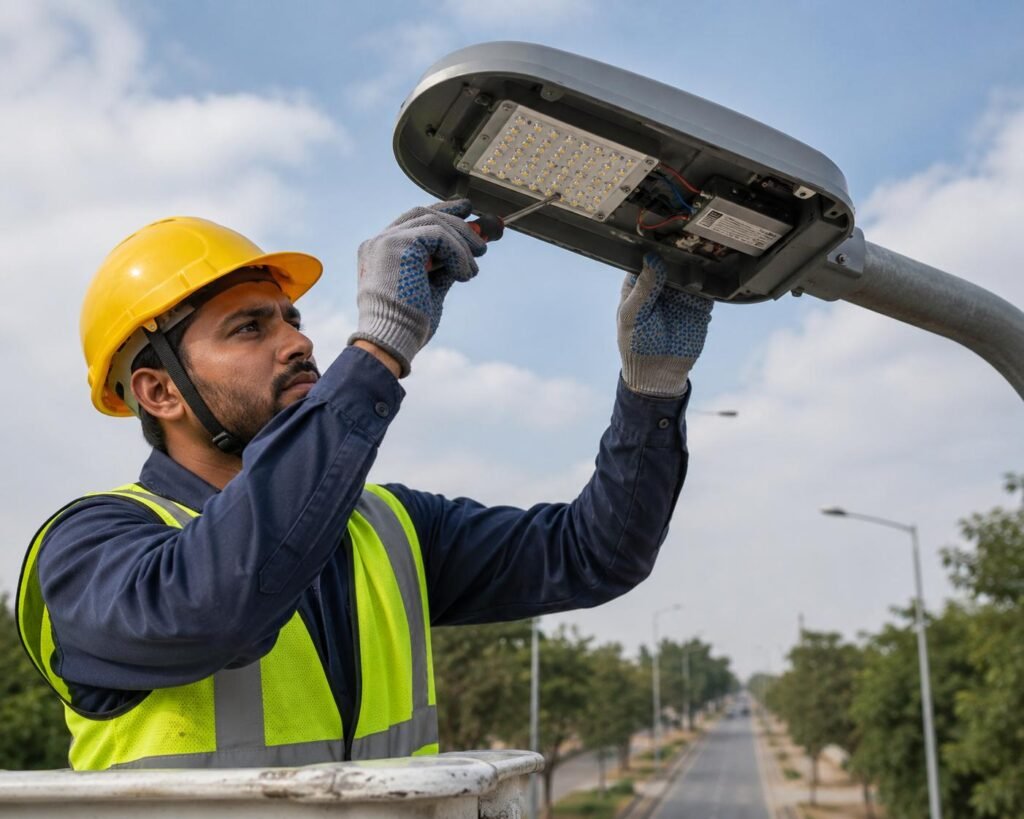
適応型照明には、適切なハードウェアが不可欠です。将来を見据えたシステムは、照明器具全体を交換することなく、調光、無線通信、センサー統合をサポートする標準化された部品を使用しています。.
この利点は単純明快です。都市はスマート照明を導入するために、照明器具全体を交換する必要がありません。標準的なコンセントにスマート光電センサーやセンサーを差し込むだけで済むため、コストを抑えることができます。また、アップグレードの展開もはるかに迅速になります。.
ここで最も重要な規格は2つあります。ANSI C136.41は、北米で一般的な光制御装置用の標準ソケットで、調光と制御信号をサポートするように設計されています。Zhaga Book 18は、屋外照明のセンサーおよび制御モジュールに使用される、同様の標準インターフェースです。.
どちらの方式も、都市が異なるメーカーのハードウェアを混在させることを可能にする。誰も特定のメーカーのシステムに縛られることはない。.
推奨鉛トップ製品
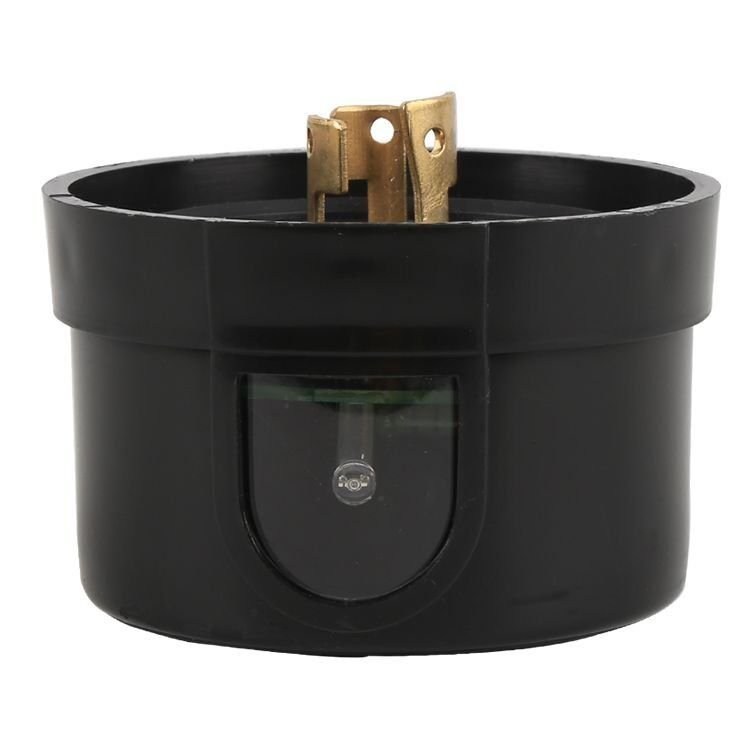
| 製品 | 標準 | 主なメリット | |
| LT154 ANSI C136.41 調光フォトコントロール | ANSI C136.41 | 標準ソケットを介して調光とリモコン操作に対応 | |
| LT6002 Zhaga Book 18センサー | ザガ書 18 | 照明器具を交換することなく、センサー機能とワイヤレス機能を追加できます。 |
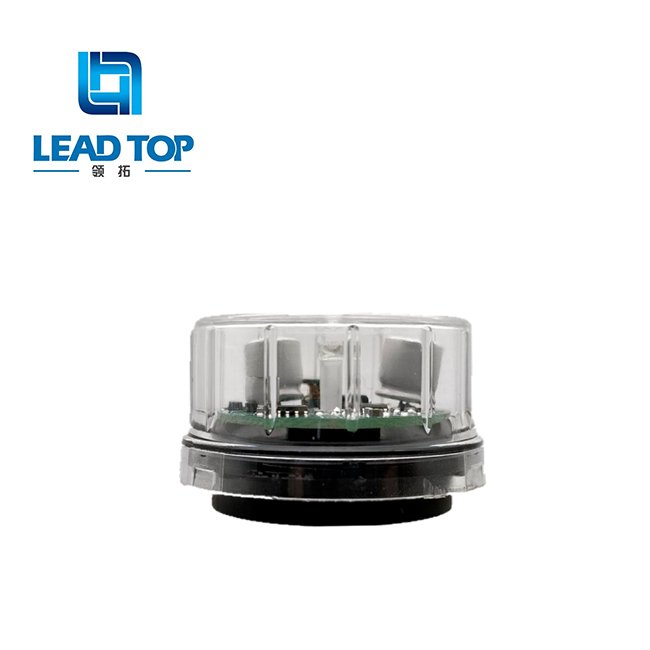
このような標準規格に準拠したハードウェアは、都市が適応型街路照明を実現するための明確な道筋を示す。システム全体の刷新は必要ない。.
4. コネクテッド照明によるスマートシティの構築
適応型照明が集中管理、予知保全、, IoT 接続性、そして将来のスマートシティアプリケーションにより、街灯はインテリジェントな都市資産へと変貌する。.
適応型照明は、より大きな構想の一部に過ぎません。真の目標は、街路灯をネットワーク接続されたインテリジェントな街路灯に変えることです。街路灯は自身の状態を報告し、明るさを自動調整し、住民が問題に気づく前に故障を検知します。.
スマート光電セルとセンサーハードウェアでネットワークが稼働すれば、中央プラットフォームに接続できます。スタッフは1つの画面から地区全体を監視でき、照明が完全に消える前に故障の兆候を察知できます。これは、事後的な修理作業ではなく、予知保全です。.
このシステム構成は、IoTアドオンの可能性も広げます。街灯に大気質センサーを搭載したり、交通量カウンターを搭載したり、さらには公共Wi-Fiに対応させたりすることも可能です。街灯柱は単なる光源ではなく、都市の共有インフラとなるのです。これこそが、スマート照明制御の真のメリットと言えるでしょう。.
これは単に午前2時に電球の明るさを落とすといったことだけの話ではない。都市全体にわたるデータ層を構築し、交通計画や将来のスマートシティインフラ整備を支援することなのだ。.
サン・ジョアンの事例は、この流れがどこに向かっているのかを示している。今日の適応型輝度調整は、既に設置されている電柱を基盤として、明日には本格的なスマートネットワークへと発展する可能性がある。.
よくある質問
適応型街路照明は、標準的なLED照明と何が違うのでしょうか?
標準的なLED照明は、依然として固定された点灯スケジュールで点灯します。一方、適応型街路照明は、リアルタイムの交通量や歩行者の動きに基づいて明るさを調整します。.
都市はスマート制御機能を追加するために新たな設備を必要とするのか?
いいえ。ANSI C136.41やZhaga Book 18などの規格では、都市が既存の照明器具にスマート光電セルやセンサーモジュールを追加することを認めています。.
ANSI C136.41は何のために使用されるのですか?
これは北米で一般的な、調光および制御信号に対応した標準的な光制御装置用ソケットです。.
Zhaga Book 18とは何ですか?
これは、特にヨーロッパ市場において、屋外用LED照明器具で使用されるセンサーおよびスマート照明制御モジュール向けの国際標準インターフェースです。設置、メンテナンス、および将来のスマート照明へのアップグレードを簡素化します。.
コネクテッドライティングは、スマートシティの目標達成をどのように支援するのか?
接続された街路灯は中央プラットフォームにデータを送信します。これにより、予知保全が可能になり、交通量や大気質に関する追加センサーを搭載することもできます。.
CTA
街の照明を基本的なLEDから真のスマート照明制御へと移行したいとお考えですか?それなら、Lead-Topのスマート対応ハードウェアをご覧ください。LT154 ANSI C136.41調光フォトコントローラーとLT6002 Zhaga Book 18センサーは、既存の照明器具を交換することなく、適応型街路照明を実現します。.
参考文献:
- https://leaditop.com/product/zhaga-socket-connected-dali-2-0-protocol-and-0-10v-dimming-control-luminaire-lighting-2/
- https://leaditop.com/product/twist-lock-photoelectric-switch-lt154e-photocell-sensor/
- https://en.wikipedia.org/wiki/Light-emitting_diode
- https://en.wikipedia.org/wiki/Internet_of_things

 Japanese
  English
  Portuguese (Brazil)
  Spanish
  Russian
  Dutch
Dutch  Portuguese (Portugal)