導入:
効率的で信頼性の高い照明システムを設計する際には、適切なものを選ぶことが重要です。 光電池 これは重要なステップです。地域プロジェクトに取り組んでいる場合、照明設備を提供している場合、または産業インフラを管理している場合、光制御スイッチの選択を誤ると、システムの大惨事、維持管理費の増加、および性能の低下につながる可能性があります。.
この光電セル選択ガイドは、電圧、負荷タイプ、環境状況に基づいて適切なモデルを選択する方法を理解するのに役立ちます。このガイドでは、広く使用されているモデルLT111、, LT112, LT113、LT115など、これらのモデルはすべて、屋外照明制御におけるさまざまな用途向けに製造されています。.
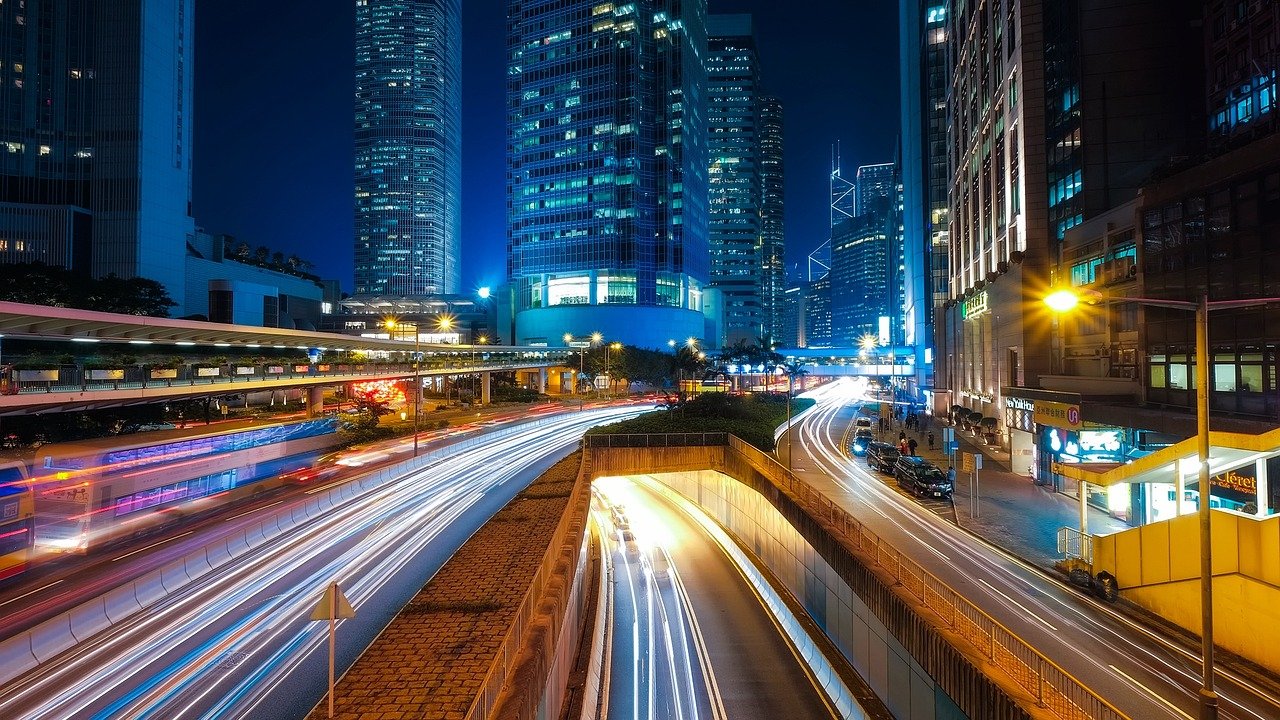
光電セルとは何か、そして屋外照明においてなぜ重要なのか?
光電セル(光制御スイッチとも呼ばれる)は、日没時に照明システムを点灯させ、夜明け時に消灯させる自動装置です。周囲の光量を感知し、必要な時だけ照明が作動するように制御します。.
光電池は以下のような分野で広く使用されています。
- 街路灯の光電センサー 高速道路および都市部の道路システム
- 駐車場および商業施設の照明
- 芝生と通路の照明
- 産業およびインフラ照明
最新のツイストロック式光電セル設計により、特に大規模プロジェクトにおいて、設置が簡単で信頼性の高いものとなっています。これらのデバイスはエネルギー効率を向上させ、作業負担を軽減し、安定した照明動作を保証します。.
適切な光電セルがない場合、照明システムは効果的に機能せず、エネルギー消費量の増加や照明部品の寿命短縮につながる可能性がある。.
光電セルを選ぶ際の重要な要素は何ですか?
適切な光電セルを選択する際には、数多くの技術的要因を注意深く評価することが重要です。最も重要な要因としては、電圧適合性、負荷容量、および環境条件が挙げられます。.
電圧互換性
電圧の互換性は、光電セル選定ガイドにおいて最初にして最も重要な要素です。電圧が不適切な光電セルを使用すると、デバイスが損傷したり、システムが正常に動作しなくなる可能性があります。.
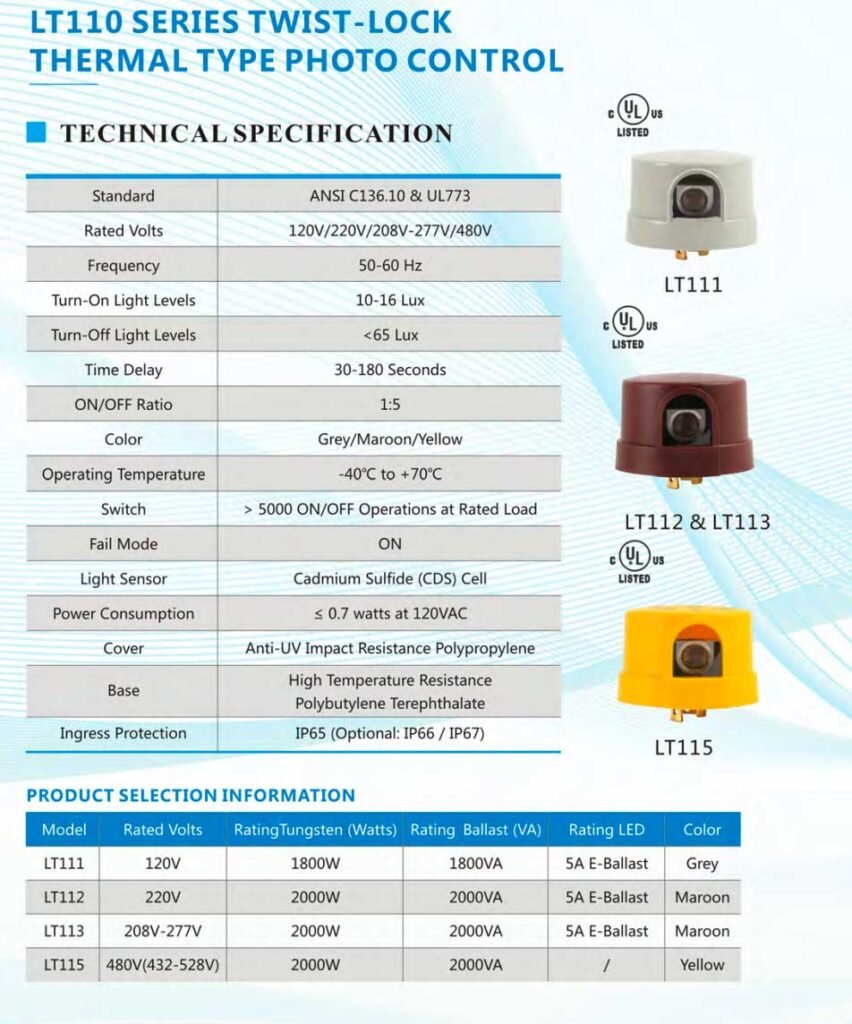
LT110シリーズは、さまざまな電圧要件に対応する多様なモデルを提供しています。
表1:光電セルモデルと電圧応用
| モデル | 電圧範囲 | 応用分野 | 主な利点 |
| LT111 | 120V | 住宅用/北米 | 標準的な使い方 |
| LT112 | 220V | 世界の市場 | 費用対効果が高い |
| LT113 | 208~277V | 商業施設/公共施設 | 変動に対応する |
| LT115 | 480V | 産業システム | 高電圧対応 |
- LT111(120Vフォトセル)は北米に最適です
- LT112(220V光電セル)は新興市場で広く使用されています。
- LT113(120V、220V、277Vの光電セル範囲)は電圧変動に対応しています。
- LT115は、重工業用途向けに製造されています。
プロからのアドバイス:
プロジェクトにおいて電源供給の不安定性が発生する可能性がある場合は、そのような状況で広く使用されているLT113モデルを選択すべきです。LT113は電圧変動に対する耐性が高いためです。.
耐荷重
街路灯用光電セルを選ぶ際のもう一つの重要な要素は、負荷容量を理解することです。多くの購入者はワット(W)とボルトアンペア(VA)を混同しますが、これらはそれぞれ異なる目的で使用されます。.
- ワット(W)は、蛍光灯などの抵抗負荷に使用されます。
- VA(ボルトアンペア) LEDドライバやバラストなどの誘導性負荷に使用されます。
現代の屋外照明制御、特にLEDシステムにおいては、ワット数よりもVA定格の方が重要である。.
例えば:
- 2000W定格の光電セルは、旧式の照明では十分に機能する可能性がある。
- しかし、LEDシステムの場合は、2000VAの定格の方がより適切です。
2つの光電池のVA定格が同じであれば、それらのLED性能は類似したものになる。.
そのため、現代のツイストロック式光電セル設計では、ワット数だけでなくVA容量がより重視されるようになっている。.
環境条件
屋外照明システムは過酷な環境にさらされるため、耐久性が重要な要素となります。高性能な光制御スイッチは、厳しい天候下でも確実に機能する能力を備えている必要があります。.
一般的な環境問題には以下が含まれます。
- 中東の高温
- 東南アジアでは大雨と湿気が続く。
- 東ヨーロッパの寒冷な環境
LT110シリーズは、以下のような状況に対応するために設計されています。
- 動作温度範囲:-40℃~+70℃
- 保護等級: IP65 (オプションでIP66/IP67対応)
これらの要素により、屋外照明制御アプリケーションにおける長期的な信頼性が確保されます。.
LT111、LT112、LT113、LT115は実際のアプリケーションにおいてどのように比較されるのか?
両者の違いを理解することで、正しい選択をするのに役立ちます。.
表2:詳細なアプリケーション比較
| モデル | 最適な使用例 | 強さ | 制限 |
| LT111 | 住宅照明 | シンプルで信頼性が高い | 電圧範囲が限定されています |
| LT112 | 一般的な屋外での使用 | 手頃な価格で多用途 | 不安定なグリッドには適していません |
| LT113 | 自治体プロジェクト | 幅広い電圧に対応 | 若干コストが高い |
| LT115 | 産業システム | 高電圧に対応 | 小規模な用途には適していません |
LT112が最も人気のある光電セルである理由は?
性能と価格のバランスの良さから、LT112は全モデルの中で最も広く使用されている。.
主な利点は次のとおりです。
- 220Vシステムとの互換性
- 高負荷容量(2000W / 2000VA)
- コスト効率の良い価格設定
東南アジア、中東、アフリカでは、価格の手頃さと信頼性が同様に重要であるため、プロジェクトに最適です。.
LT112は、その柔軟性から、多くの街路灯の光電センサー設置において標準的なソリューションとして採用されています。.
不安定な電力網において、LT113が最適な選択肢である理由とは?
電力供給が不安定な地域では、LT113が最適な選択肢となります。.
208~277Vという広い電圧範囲に対応しているため、不安定な電力網環境にも適しています。これにより、系統の停止リスクが低減され、安定した動作が確保されます。.
地域社会やインフラ整備プロジェクトにおいては、このモデルは専門家向けの光電セル選定ガイドでしばしば推奨されている。.
産業用途においてLT115を使用すべきなのはどのような場合ですか?
LT115フォトセルは、高電圧環境(480V)向けに特別に製造されています。.
代表的な用途は次のとおりです:
- ワークショップ
- 工業プラント
- 大規模インフラプロジェクト
高電圧に対応しているため、家庭用や小規模な照明システムには適していません。しかし、産業現場における高負荷の屋外照明制御には重要です。.
現代の光電セルにおいて、フェイルオン機能が重要な理由とは?
現代の光電制御スイッチにおける最も重要な安全機能の一つは、フェイルオンモードである。.
なぜこれが重要なのか?
- 公共エリアでの視認性を確認する
- 暗闇による事故を防ぐ
- サプライヤーの責任を軽減する
地域や街路灯の光電センサーシステムにおいては、この機能は強く推奨され、多くの場合必須となります。.
プロジェクトに最適な光電セルを選ぶにはどうすればよいでしょうか?
最適な光電セルを選択するには、以下の手順に従ってください。
- 電圧(120V、220V、277V、または480V)を合わせてください。
- 負荷容量を確認してください(LEDシステムの場合はVA値に注目してください)。
- 生態学的状況を評価する
- 適切なモデル(LT111~LT115)を選択してください。
- 安全のためにFail ONなどの機能を確認してください
この体系的な光電セル選定ガイドに従うことで、最高の性能と長期にわたる信頼性を確保できます。.
結論:光電セル選定における最適な戦略とは?
技術仕様だけでは適切な光電セルを選定できるとは限りません。照明システムの安全性、性能、そして永続性を保証することが重要なポイントです。.
120V、220V、277Vの光電セルシステムを扱う場合でも、地域照明を扱う場合でも、産業インフラを設計する場合でも、適切なモデルを選択することが重要です。.
LT110シリーズは、家庭用から産業用まで、さまざまな用途に柔軟なソリューションを提供します。性能、コスト、長期安定性のバランスを取るために、Lead-top Controlsのような信頼できるメーカーは、高品質のツイストロック式光電セルソリューションを提供しています。.


 English
 Portuguese (Brazil)
 Spanish
 Russian
 Dutch
Dutch Japanese
 Portuguese (Portugal)